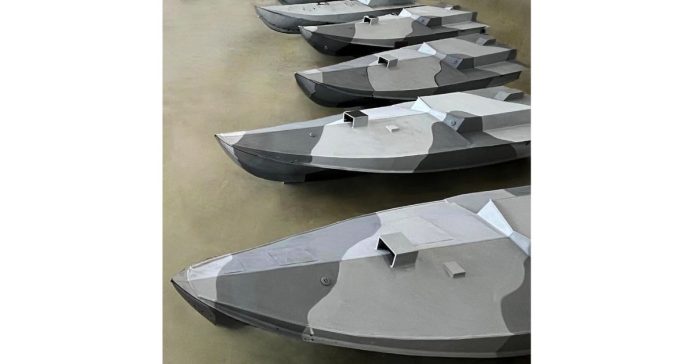
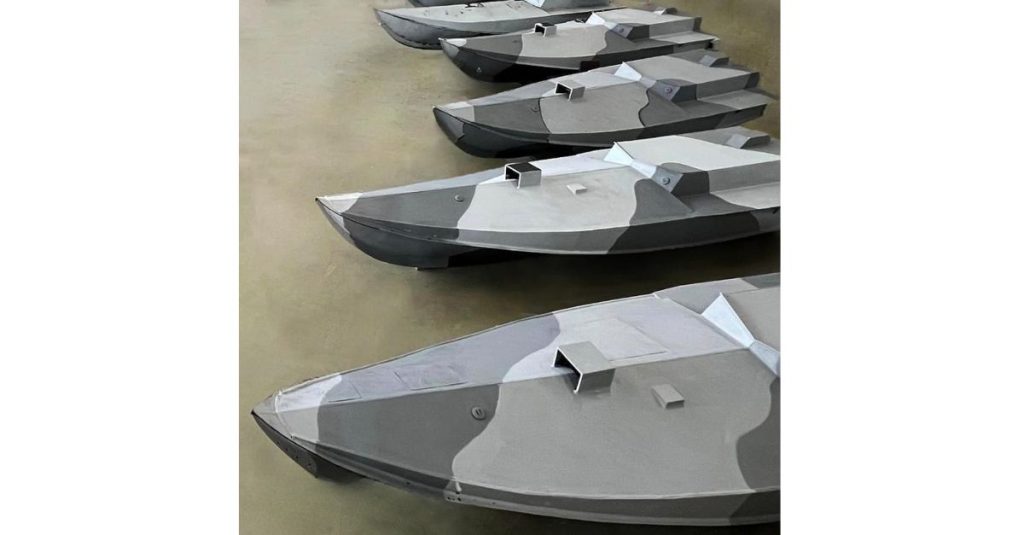
“The nature of modern warfare has changed and continues to change,” said Ukraine’s former commander‑in‑chief Valerii Zaluzhnyi. That transformation is nowhere more apparent than in the Black Sea, where Ukraine’s unmanned surface vessels have forced Russia’s once dominant fleet into retreat. What began as an asymmetric necessity has evolved into a sophisticated AI‑enabled maritime strike capability, one that reshapes naval doctrine.
Over three years, Ukraine’s sea‑drone campaign has sunk corvettes, damaged submarines, and even downed fighter jets. Yet commanders concede that the tempo of such spectacular strikes has slowed as Russia adapts. The next phase will require more complex operations, a deeper integration of artificial intelligence, and expanded cooperation with NATO partners. The following nine developments outline how Ukraine is positioning its maritime drone forces for a new wave of offensive action.

1. Confining the Russian Fleet
Ukraine’s Group 13 maritime drone unit has forced Russian warships to conduct most of their operations within 40 km of their ports – firing off missiles before beating a retreat. This is after years of attritional strikes that have sunk its flagship cruiser Moskva and shifted other key assets from Sevastopol to Novorossiysk. According to Ukrainian intelligence, vessels now “constantly hide,” an expensive posture that drains Russia’s Black Sea power projection capability.
2. Magura V5 and V7: From Strike Craft to Multi‑Role Platforms
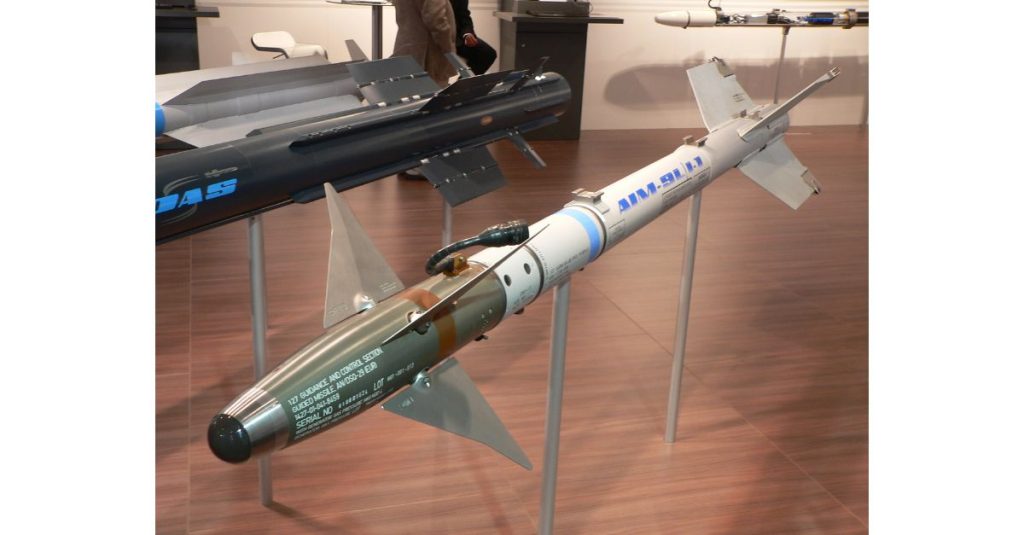
The Magura series has become the backbone of Ukraine’s naval drone force. The V5 is a 1.1‑ton ramming drone with a 400‑nm range that reportedly has destroyed eight Russian warships and damaged six more. The larger V7 variant, unveiled in 2025, brings up to 1,400 lb payloads and AIM‑9 Sidewinder missiles to enable air‑defense roles. Both employ jam‑resistant communications and low‑profile hulls to make them hard to detect.
3. Sea Baby Upgrade Extends Range and Payload
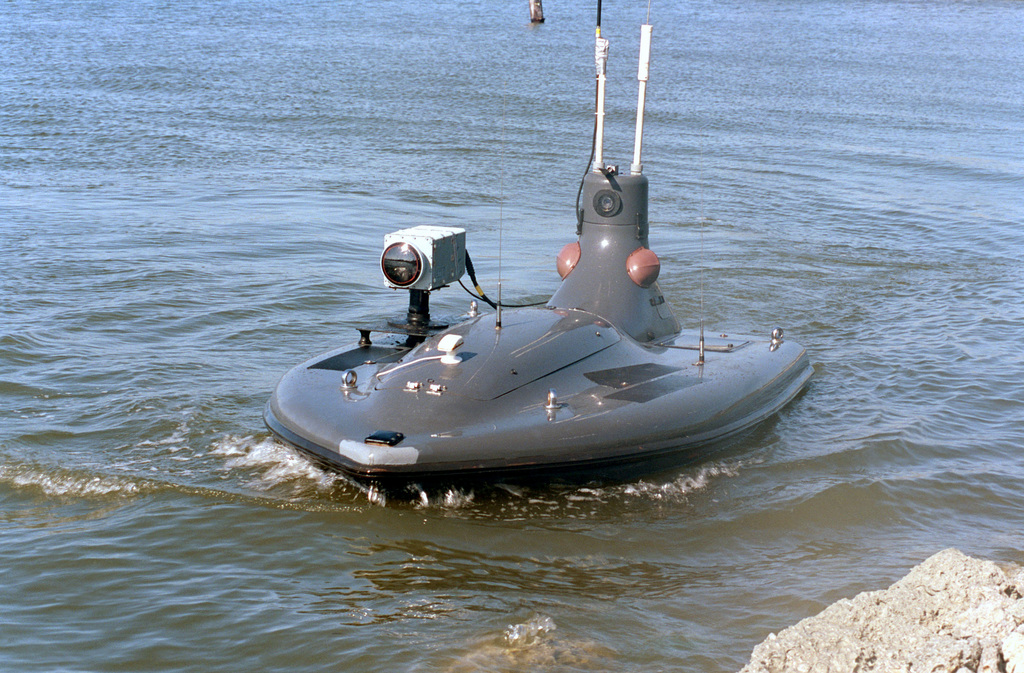
Ukraine’s SBU has increased the range of Sea Baby from 1,000 km to 1,500 km and the payload capacity to 2,000 kg. Its variants are now fitted with multiple‑rocket launchers, stabilized machine‑gun turrets, and AI‑assisted friend‑or‑foe targeting. Brig. Gen. Ivan Lukashevych described the evolution from single‑use strike boats to reusable, networked platforms as a “new kind of naval warfare” that broadens offensive options.
4. AI Integration for Autonomous Targeting
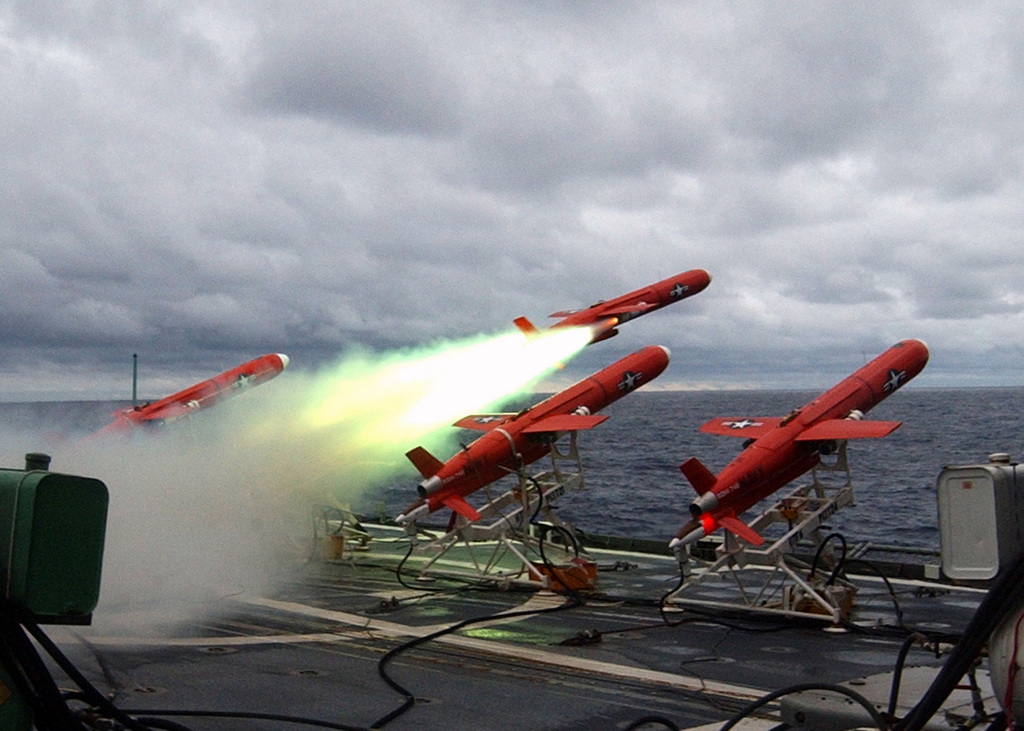
The next stage, says Group 13’s commander, call sign “13th,” will be when drones will independently search for targets, distinguishing civilian from military vessels, and making more decisions without operator input. Ukraine’s operational video archive is extensive and serves to train AI models, reducing workload and improving strike precision. Similar enhancements are seen in other systems, like the TFL‑1 module for FPV drones that locks onto moving targets despite jamming.
5. Strikes on Russia’s Shadow Fleet
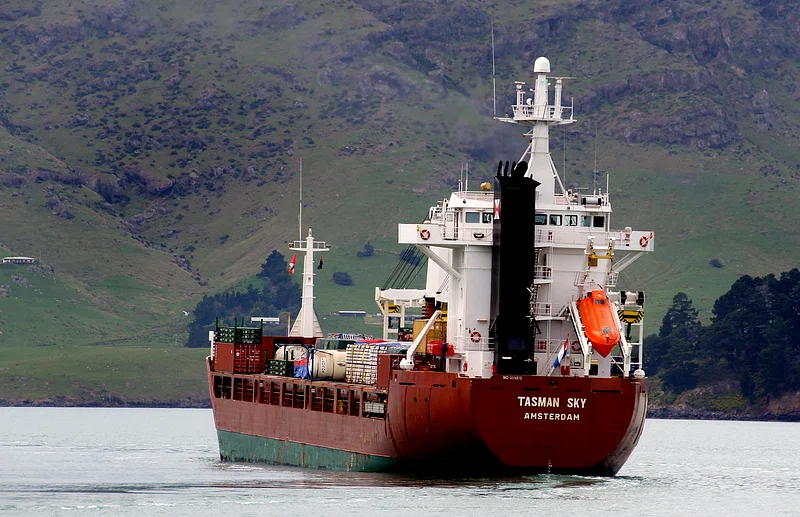
In late November, Ukrainian USVs conducted attacks targeting two oil tankers, Kairos and Virat, linked to Russia’s sanctions‑evading “shadow fleet.” The strikes, carried out near the Turkish Straits, disabled one vessel and damaged another. In targeting those tankers, Ukraine is testing the possibility of an economic blockade on Russian oil exports from the Black Sea, which may force the Black Sea Fleet to risk escort missions that expose it to further drone attacks.
6. NATO and Bilateral Drone Cooperation
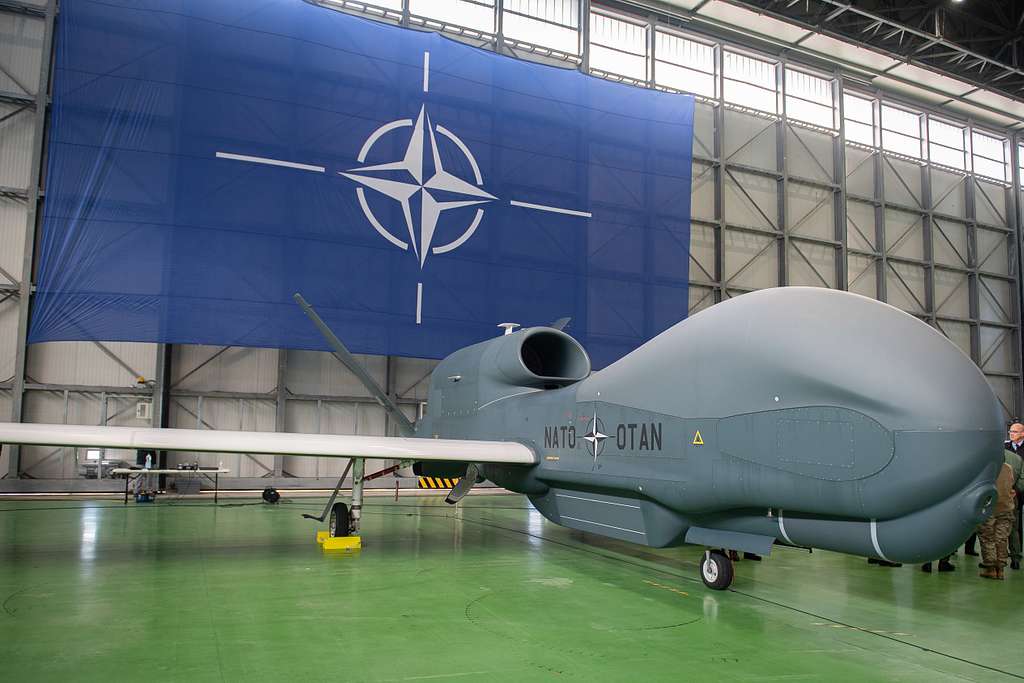
Ukraine is expanding co-production agreements with NATO members. A recent pact with Greece covers joint development of maritime UAVs, training, and threat-information sharing. Lithuania has adopted a “1+1” model to produce Magura-class drones for its own defense and Ukraine’s needs. Germany’s partnership has delivered more than 900 advanced drones, established manufacturing in Ukraine, and compressed development cycles from years to months.
7. The Lessons from Asymmetric Naval Warfare
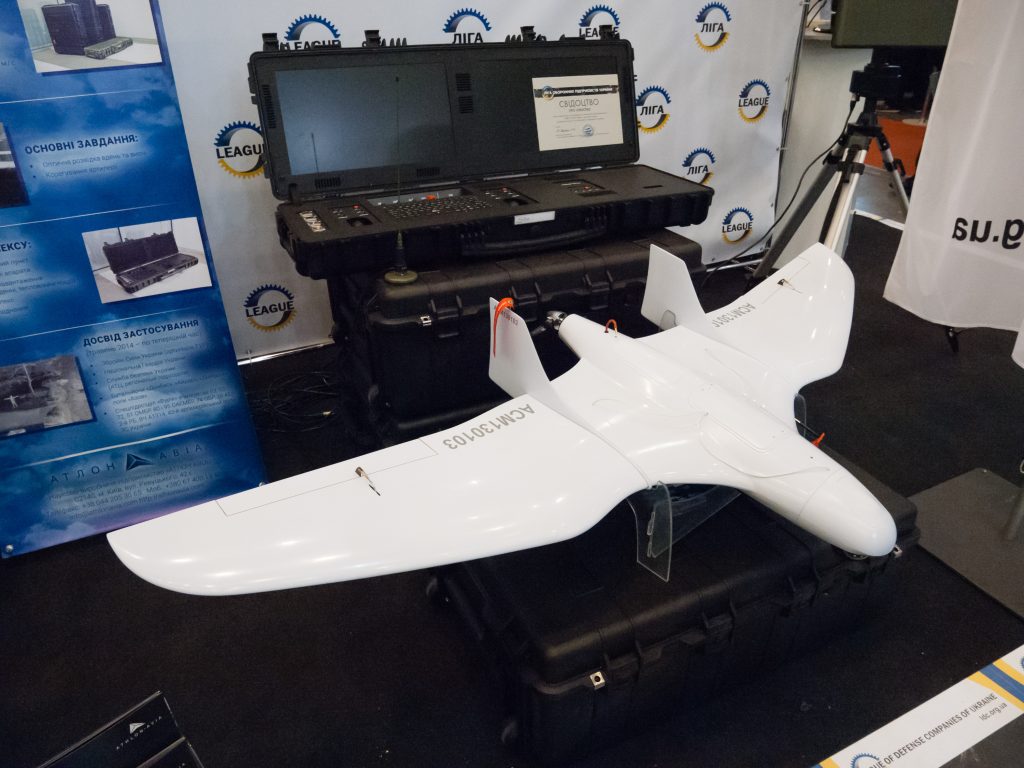
Success for Ukraine has come at the expense of traditional naval assumptions. Rear Adm. James Parkin comments that through history, larger fleets have won most maritime battles, but Ukraine’s drones seem to have turned that around. The low-cost USV has wrought strategic effects previously reserved for much more expensive warships: reopening grain export routes and neutralizing Russia’s blockade. These successes highlight the importance of scale, adaptability, and cost-effectiveness over raw tonnage.
8. Expanding Strike Range and Lethality
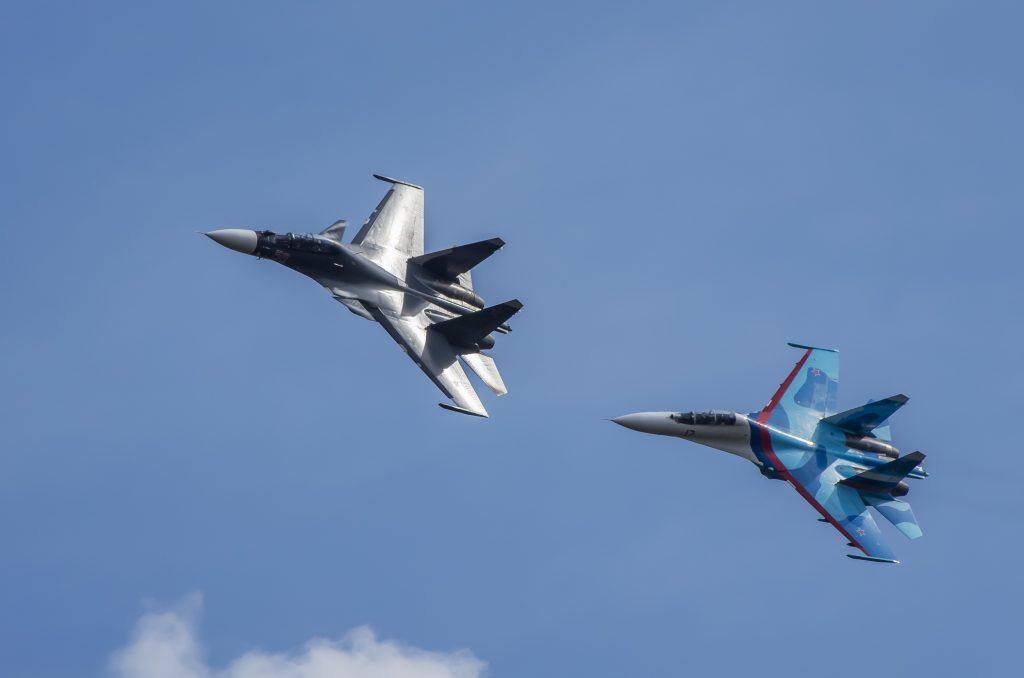
Recent improvements enable Ukrainian USVs to carry more than one ton of explosives and have a reach well beyond 1,000 km, enabling attacks far into the Russian‑controlled waters. Some designs launch FPV quadcopters in mid‑mission, deploy naval mines, or create multistage attacks. The integration of missile launchers has already enabled unprecedented kills, such as shooting down the Russian Su‑30 fighters with the Magura drones.

9. Preparing for Drone‑on‑Drone Naval Combat
Russian forces are now fielding their own sea drones, including the Murena‑300S, and Ukraine is developing counter‑USV tactics. According to Navy Commander Oleksiy Neizhpapa, a not-too-distant future might see the need to defend against enemy drones as important as deploying them. It is a symmetry that will require modular designs, rapid software updates, and AI‑driven defenses if Ukraine is to retain its advantage in contested waters.
From improvisation to industrialized innovation, Ukraine’s maritime drone program has combined range, payload, and autonomy in ways that unsettle traditional naval power. The coming year will test whether Ukraine’s blend of AI integration, multinational cooperation, and asymmetric tactics can deliver another strategic shift in the Black Sea as Russia adapts and deploys its own unmanned systems. For NATO and other observers, these developments offer a preview of how future wars at sea may be fought-cheap, fast, and relentlessly adaptive.”


