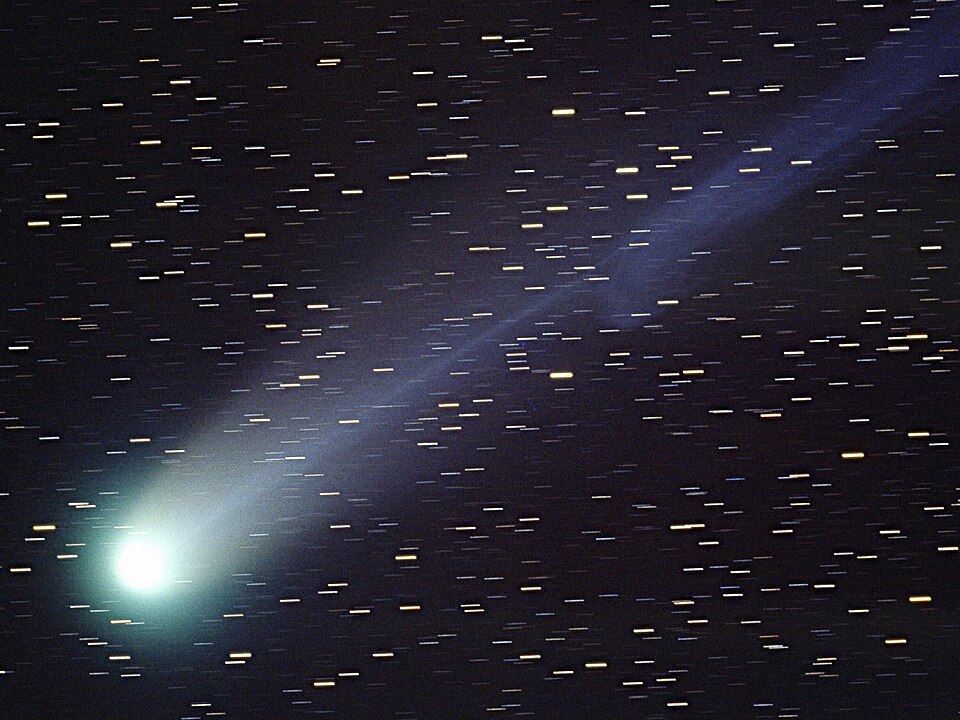
Might a shard of ice from another star harbor the key to the galaxy’s distant past? The third confirmed object that has wandered into the solar system from beyond, Interstellar Comet 3I/ATLAS, has stirred intense scientific curiosity. Since its discovery in July 2025, it has been at the center of an unprecedented multi-mission observation campaign, unveiling chemical and physical behaviors not observed in any studied comets before.
But through a coordinated NASA effort with observatories around the world, a more detailed portrait of this icy traveler has been compiled. From its unusual carbon dioxide dominance to its nickel‑rich gases and possible cryovolcanic activity, 3I/ATLAS offers a rare chance to study pristine material forged in a distant planetary system. The nine following insights represent some of the most compelling discoveries so far, each offering information into the comet’s origins, composition, and dynamic journey into our solar neighborhood.
1. Confirmed Natural Cometary Origin
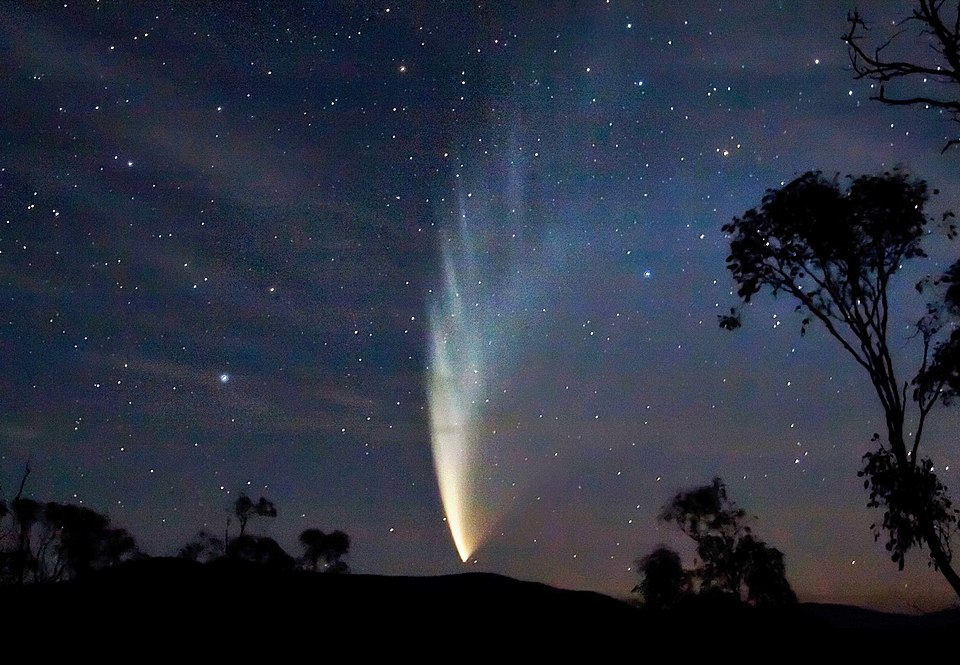
Early speculation, mirroring that which occurred with ‘Oumuamua, had 3I/ATLAS being alien technology. NASA Associate Administrator Amit Kshatriya quickly dispelled those rumors: “This object is a comet.” Thus far, no observations have revealed any technosignatures, and its orbit ensures that it will remain at least 170 million miles away from Earth; it will safely cross Jupiter’s orbit in 2026. The confirmation underlines the point that interstellar visitors, while rare, can still follow natural processes well known from solar system comets.

2. Unprecedented Multi‑Mission Observation Campaign
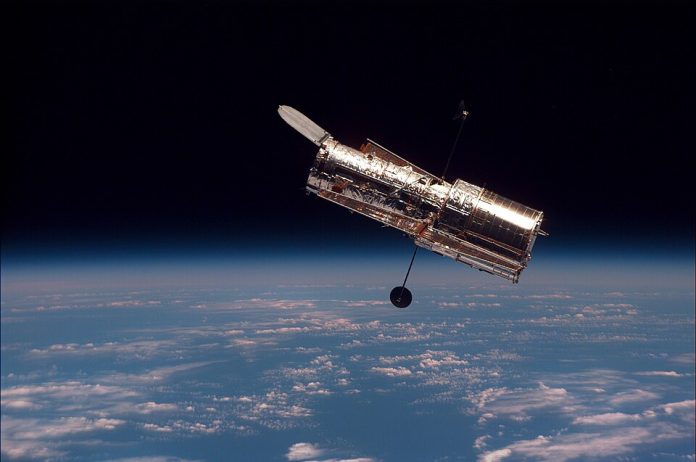
Over 20 missions, ranging from Mars Reconnaissance Orbiter to the James Webb Space Telescope, tracked 3I/ATLAS across the solar system. To capture the faint and fast‑moving object, instruments were often operated well beyond their usual parameters. The campaign even created the first images of an interstellar object from another planetary surface, courtesy of the Perseverance rover. This collective work allowed scientists to reconstruct in three dimensions the coma and tail structure of the comet and to measure its water production rate from ultraviolet signatures detected by MAVEN and Swift.
3. CO₂‑Dominated Coma Chemistry
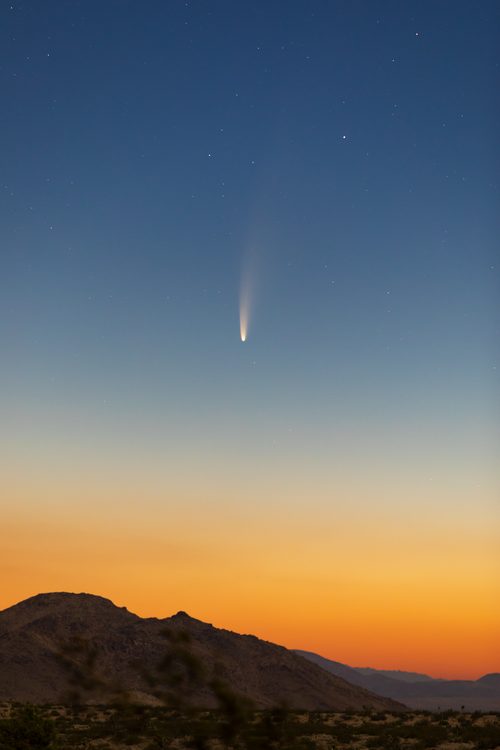
JWST’s NIRSpec observations revealed that the CO₂-to-H₂O ratio in the coma was 8:1-an unprecedented value for any comet and well in excess of the typical solar system values. This skewed ratio suggests its formation far beyond a CO₂ ice line-or in a radiation-rich environment around an older star. The nucleus might well be abundant in water ice, but because of the lower melting point of the former, CO₂ sublimates first to shape the early activity profile of the comet.
4. Detection of Abundant Water Ice
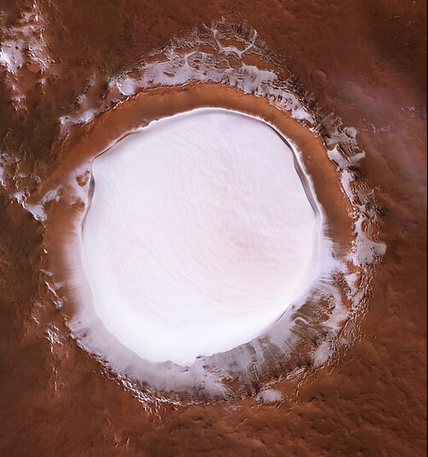
Near-infrared spectroscopy obtained with Gemini South and NASA’s IRTF revealed a broad absorption feature near 2.0 μm, indicating that water-ice grains make up ~37% of the coma’s volume. The small size of grains and/or mixing with dark refractory material could explain the lack of its usual 1.5 μm band. Detection of such a high mass fraction of water-ice reported here supports models that interstellar comets form in the cold, volatile-rich portions of a parent protoplanetary disk.
5. Nickel‑Rich Gas Emissions
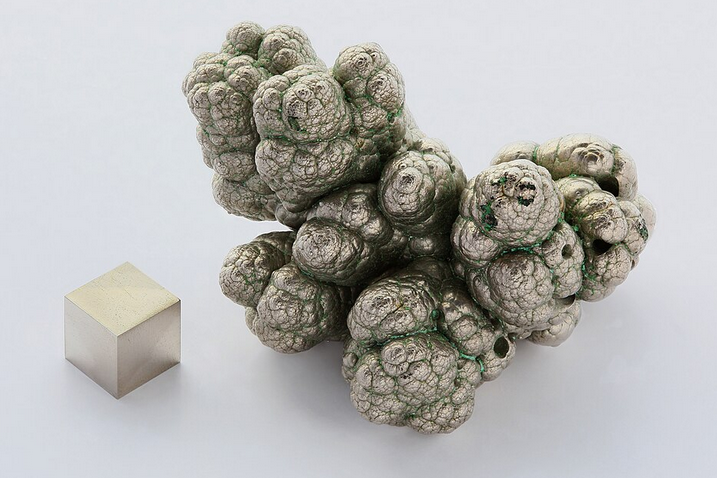
Spectrographic studies detected unusually strong nickel absorption lines relative to iron. Researchers propose that Fischer-Tropsch reactions between water and nickel-bearing minerals inside the nucleus may drive localized outgassing events. This kind of chemistry could account for the coherent, wavelike jets observed in filtered images, which are not consistent with the diffuse activity expected due to simple thermal sublimation.
6. Cryovolcanic‑Like Activity
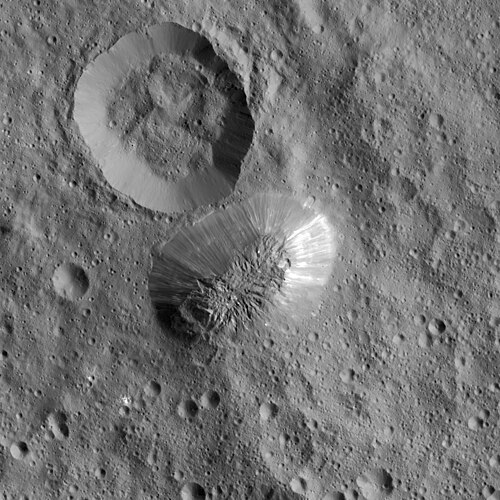
Coma morphology and the analysis of chemical products support the indication that 3I/ATLAS may show localized cryovolcanism-venting driven by chemical activation rather than large-scale geological processes. This would be similar to the behavior seen for pristine trans-Neptunian objects, whose subsurface volatiles erupt under changing pressure and temperature conditions. The resulting asymmetric coma and a sunward-pointing anti-tail evidence the dynamic responses to solar heating.
7. Physical Strength and Ancient Survival
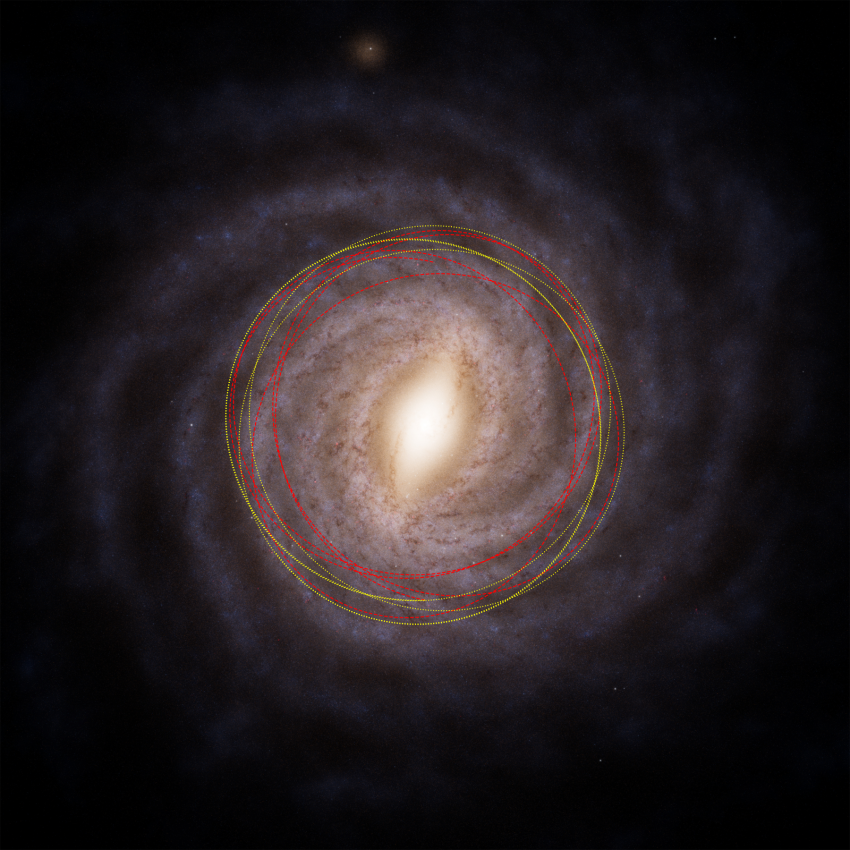
Traveling through the interstellar space for billions of years, 3I/ATLAS has undergone cosmic ray exposure without disintegration. Estimates place its diameter between 0.3 and 5.6 km, with a rotation period of about 16 hours-enough to distribute solar heating evenly. Its resilience hints at significant mechanical strength and a composition enriched in native metals, marking it as an ancient survivor from a distant planetary system.

8. Temporal Stability of the Spectral Characteristics
Spectra in the optical and infrared, taken nine days apart, showed consistent slopes in the wavelength ranges where they overlapped. This proved there were no short-term changes in coma-scattering properties. The stability implied that, despite active venting, dust composition and particle-size distribution remained constant over at least a week, thus enabling reliable cross-instrument comparisons that strengthen compositional interpretations.
9. Implications for Planetary System Formation
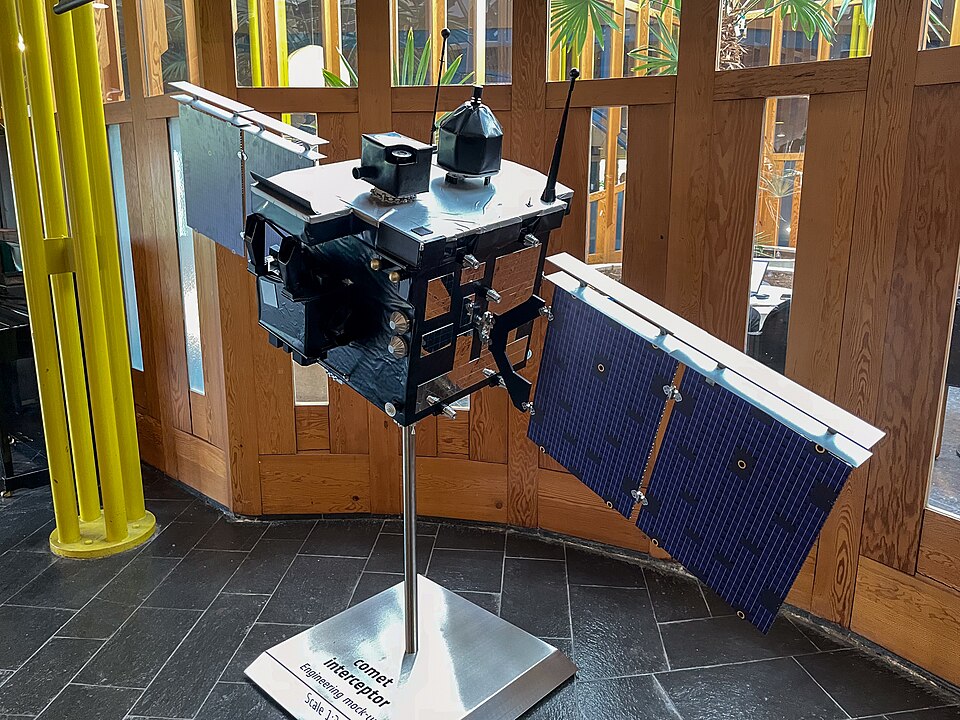
Spectral similarities between 3I/ATLAS and some carbonaceous chondrites, as well as active solar system comets, suggest that early planetary formation processes may produce similar materials across the galaxy. Study of such interstellar visitors refines models of protoplanetary disk chemistry and points to the need for future missions, such as ESA’s Comet Interceptor, that directly sample these rare messengers from other stars.
The portrait emerging of 3I/ATLAS is one of a chemically complex, physically resilient, and dynamically active interstellar comet. Its peculiar CO₂ dominance, abundant water ice, and nickel‑driven venting behaviors challenge conventional comet models and extend our understanding of how planetary systems evolve. As it continues its journey out of the solar system, the data gathered will remain a touchstone for interpreting future interstellar visitors-each a frozen archive of conditions far beyond our own star.


