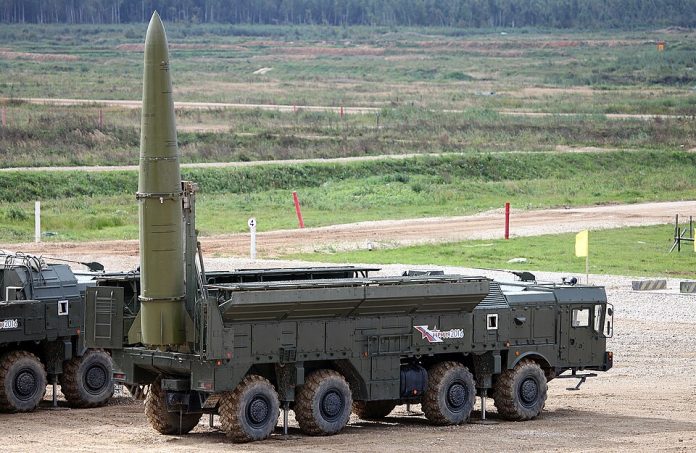
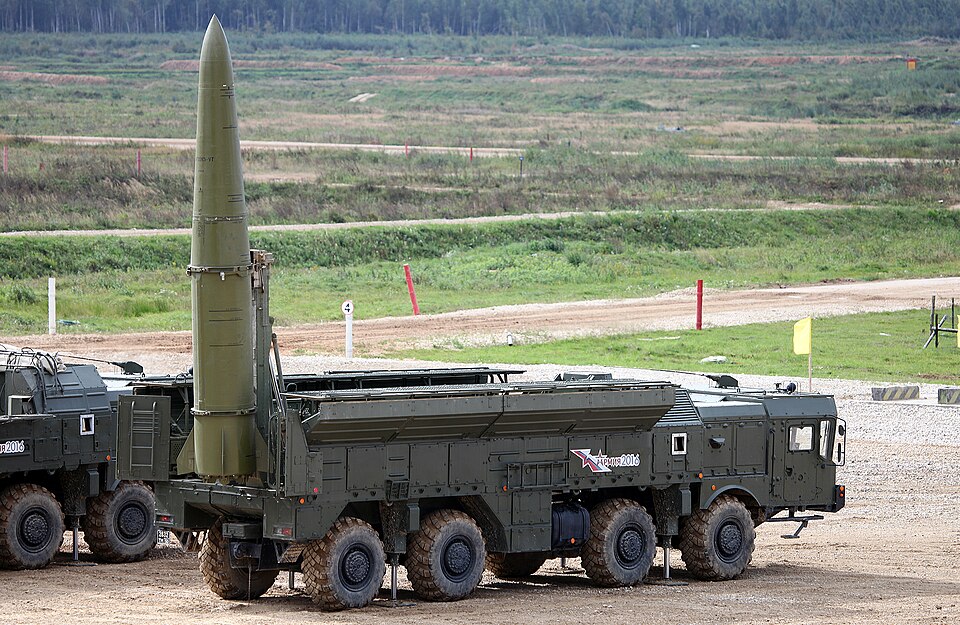
“This is the first time ever that confirmed photographs of destroyed Iskander system vehicles have been published,” reported Defense Express in September 2025. For that reason alone, it would be a turning point in the visual documentation of high-value battlefield losses in the Ukraine‑Russia war. The images taken by Russian soldiers themselves show not wreckage but the complete obliteration of assets central to Russia’s short‑range ballistic missile capability.
The August 2025 Ukrainian long-range drone strike against a Russian military facility is, thus far, one of the most technically significant strikes this year. Besides the firework display of dramatic visuals, such an operation has revealed weaknesses in the missile brigades of Russia, has laid open air defense gaps, and has underlined for the world community the precision reach of Ukrainian unmanned systems. Here is a breakdown in key points-from destroyed hardware to strategic implications-of the strike, based on OSINT analysis and confirmed technical data.
1. Time and Size of the Strike
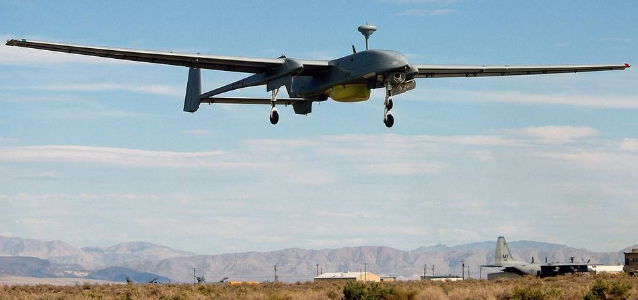
It was in the second half of August 2025 that fourteen long‑range drones attacked the Molkino military training ground in Russia’s Krasnodar region. Ukrainian sources would later confirm that both open‑air parking areas and hardened storage hangars had been hit. Photographs released weeks after the strike enabled OSINT analysts to verify the extent of the damage without immediate battlefield noise.
This is an operation on a grand scale: the strikes against all types of vehicles, support infrastructure, and even covered assets signal careful planning of the mission and prioritization of targets. The employment of this quantity of long-range drones speaks to Ukraine’s developing capability for deep-strike UAV operations in coordination.
2. Confirmed Equipment Losses
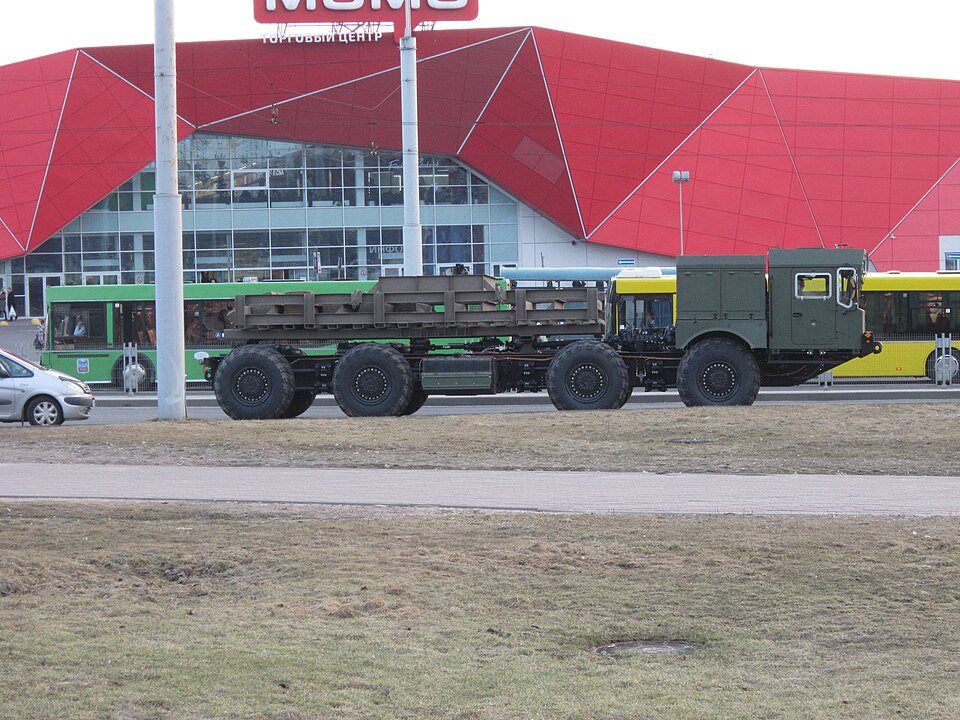
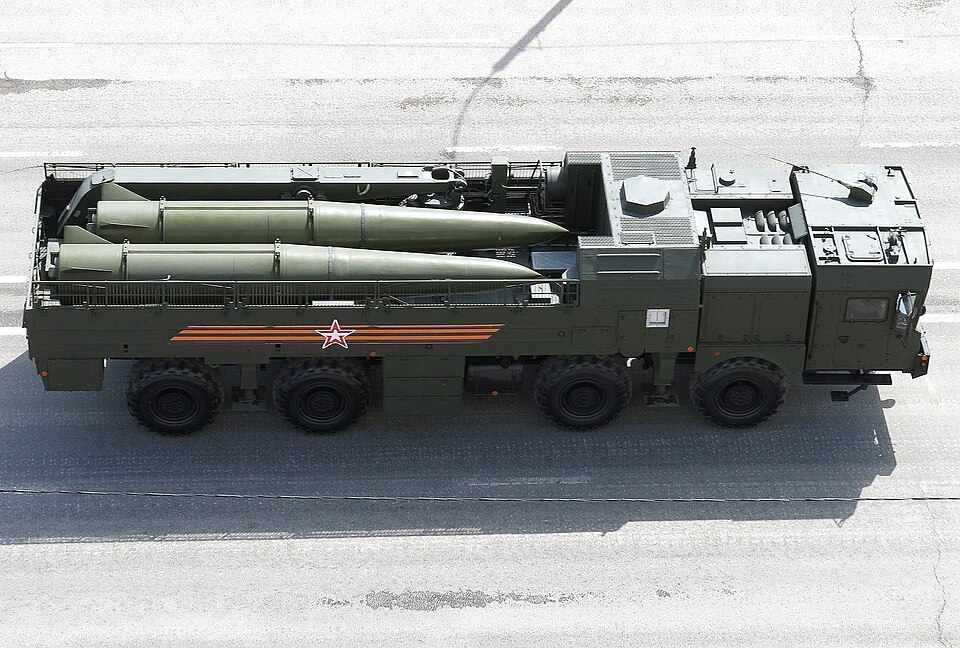
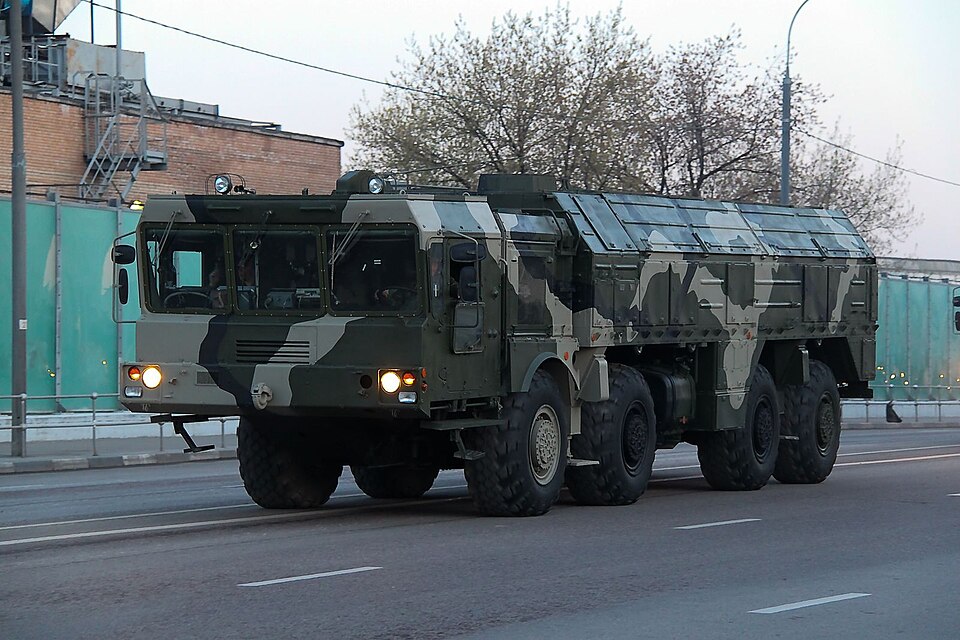
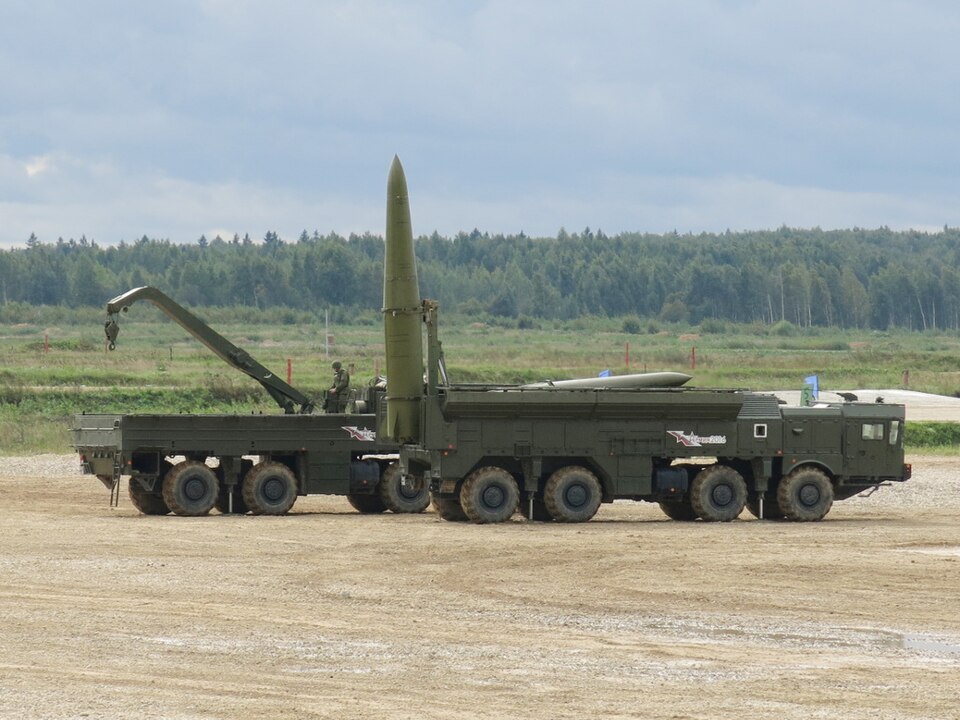
Visual evidence showed six destroyed MZKT‑7930 heavy 8×8 chassis vehicles and one KamAZ‑based truck. OSINT channel CyberBoroshno identified one 9P78‑1 launcher and five 9T250 transport‑loading vehicles among the wreckage. The core components of the Iskander‑M tactical missile system are: the 9P78‑1 carrying two ballistic missiles, and the 9T250 that allows for fast reload.
Besides that, it translates into the loss of immediate firing capacity and sustained operational tempo; it is as strategically damaging as the launcher itself. Within Militarnyi’s breakdown of brigade structure, the loss of five 9T250s would remove more than two batteries’ worth of reload capability.
3. Capabilities of the Iskander‑M System
The Iskander‑M launcher is mounted on an amphibious, armored MZKT‑7930 chassis, weighs approximately 43 tonnes loaded, and can achieve speeds of 70 km/h. It carries missiles with ranges up to 500 km for ballistic types and beyond for cruise variants such as the 9M729. Warhead options range from high‑explosive to nuclear payloads, with guidance combining inertial navigation, GLONASS, and optional optical seekers achieving 10–20 m CEP.
A brigade has approximately 51 vehicles including launchers, reloaders and support units; the destruction of a single launcher and several reloaders in one strike creates quite a problem for a brigade in follow-on combat salvo capability.
4. Unit Attribution and OSINT Findings
Initial reporting identified the destroyed equipment as belonging to Russia’s 1st Guards Rocket Brigade based near Goryachy Klyuch; however, a deeper geolocation assessment targeted Shumakovo in the Kursk region, and assets were identified to belong to the 448th Rocket Brigade of the 20th Combined Arms Army. Distinctive markings on the burnt vehicles at this location matched known identifiers of the 448th.
Both brigades have participated in missile strikes against Ukrainian targets, making them priority objectives. The disputed attribution is evidence of the role that OSINT will play in refining battlefield intelligence beyond initial claims.
5. Damage Beyond the Iskanders
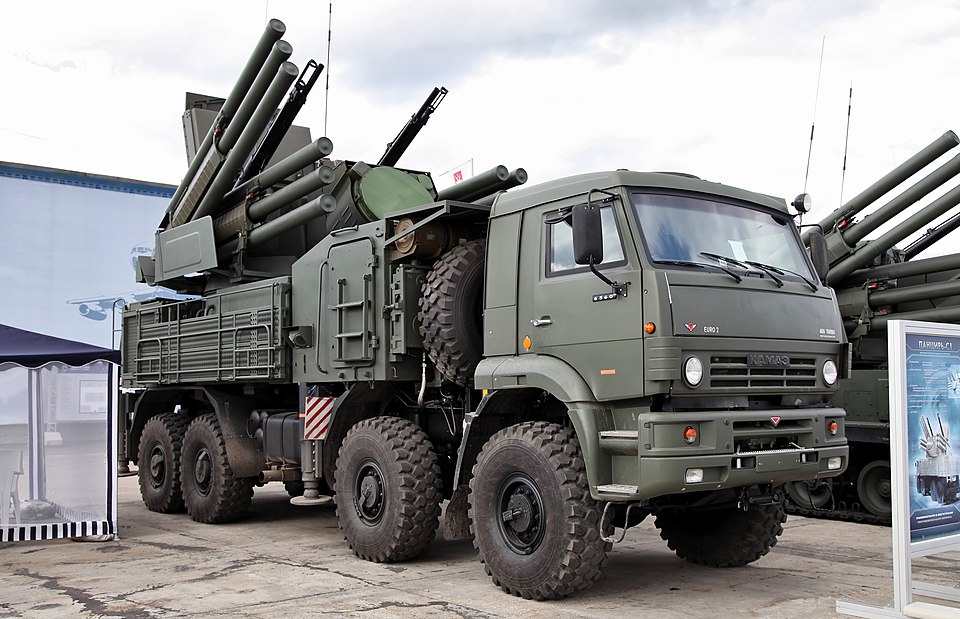
The strike also demolished a Pantsir‑S1 air defense system stationed to defend the site against aerial threats. Other reached targets were warehouse facilities and other support vehicles, further reducing the base’s operational capacity. The failure of the Pantsir to intercept the incoming drones echoes a number of other reported weaknesses with the system in Ukraine and abroad.
The breadth of this multi‑target damage profile suggests Ukrainian planners sought to cripple both the offensive missile capability and defensive coverage in one operation.

6. Penetrating Hardened Storage
One salient feature of the destruction was the wreckage of the equipment inside a collapsed hangar. In fact, these Ukrainian drones breached hardened storage facilities, removing assets not otherwise exposed in open parking areas. This capability challenges assumptions about the protection afforded by such structures. Photos showed Russian attempts to contain the aftermath fire extinguishers and buckets scattered on site but the blaze was unstoppable, fed by both missile propellant and vehicle fuel.
7. Strategic Importance of Molkino Site
Molkino is a significant military facility in southern Russia used for personnel training for units involved in hostilities against Ukraine. It also has been linked to private military companies, such as Wagner, that once had it as their training base. This site is a high‑value target because of its role both in conventional and irregular force preparation. Not only does striking Molkino damage hardware, but it also disrupts training pipelines for the missile brigades and other combat units.
8. Precedent for targeting Iskanders
This was not Ukraine’s first strike on Iskander systems. On June 5, 2025, the Security Service of Ukraine targeted an Iskander in Russia’s Bryansk region belonging to the 26th Missile Brigade. That system reportedly was preparing for a strike when it was hit, with one launcher detonated and two more likely damaged. Such repeated targeting suggests a concerted campaign to degrade Russia’s short‑range ballistic missile capability, with an emphasis on high‑value launchers and reloaders. ‘
9. Operational and Strategic Implications
The confirmed destruction of Iskander assets carries both tactical and strategic weight: tactically, it removes immediate missile launch capability and slows down reloading cycles; strategically, it will force Russia to redistribute the remaining assets, potentially weakening coverage in other theaters. The publication of clear photographic evidence amplifies the psychological impact, signaling to both domestic and international audiences that Ukraine can reach and destroy Russia’s most prized missile systems deep inside its territory.
The August 2025 strike on Russian Iskander systems stands out not only because of its visual documentation but also for the depth of its operational impact. In removing both launch and reload capacity, damaging air defenses, and hitting hardened storage, Ukraine showed a keener capability to degrade high‑value assets. The event has been better understood through OSINT analysis, showing contested unit attribution and technical details important to the military planner. These strikes, across the wider conflict, erode Russia’s missile posture while underlining Ukraine’s increasingly long reach and precision in long-range drone warfare.


