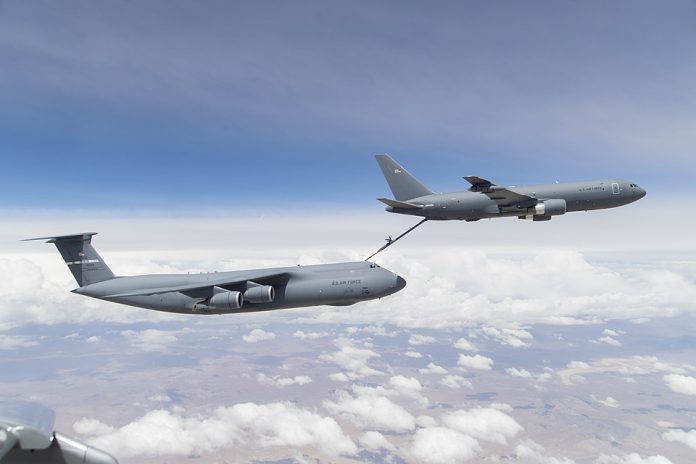
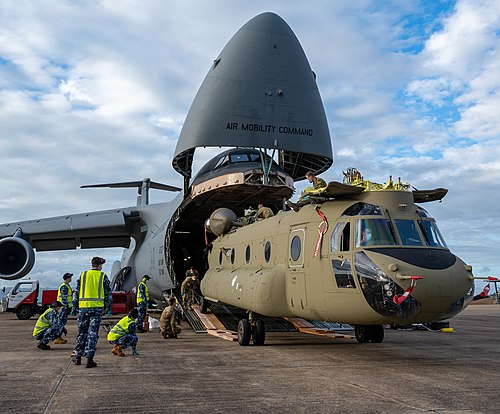
“Amateurs talk strategy, professionals talk logistics.” That old military adage has never felt more relevant than it does today. The U.S. Air Force’s ability to move people, weapons, and supplies at speed across the vast Indo‑Pacific could be the deciding factor in a high‑end fightand right now, that capability is under serious strain. The Air Force’s strategy of Agile Combat Employment relies on the rapid dispersal of forces to austere locations, which complicates Chinese targeting. But dispersal is only half the battle; sustaining those forces requires an airlift fleet that is ready, varied, and resilient. Various evaluations now caution that America’s mobility backbone is aging, undersized, and ill‑matched to the demands of a peer war.
From decades‑old C‑5Ms struggling to stay mission‑capable, to a lack of aircraft able to land on rough forward strips, the challenges are piling up. Meanwhile, China’s modernization from long‑range strike systems to hardened infrastructure is raising the stakes. Here are nine critical factors shaping the airlift equation in a potential U.S.‑China conflict.
1. Shrinking and Aging Mobility Fleet
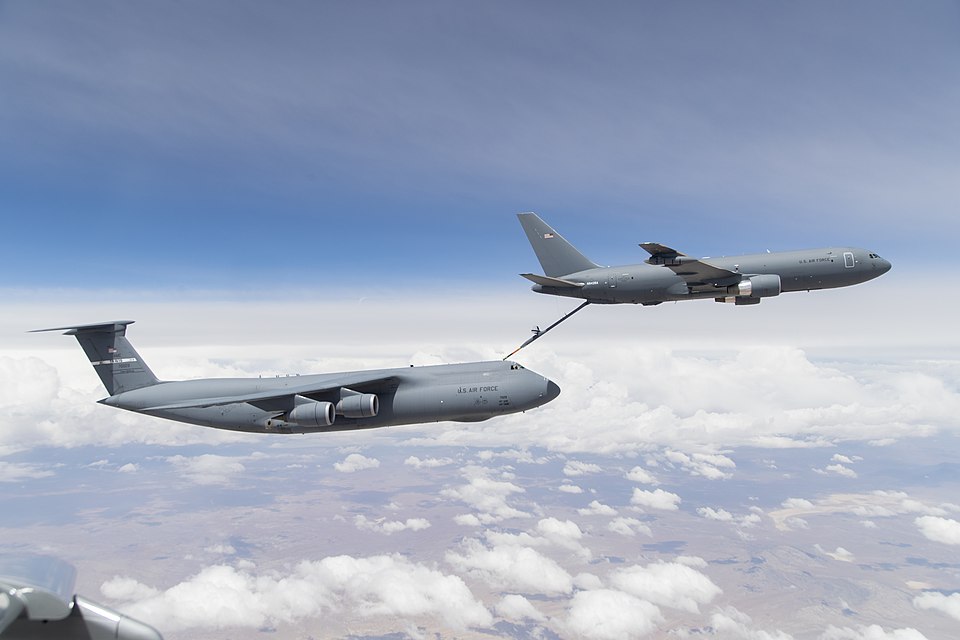
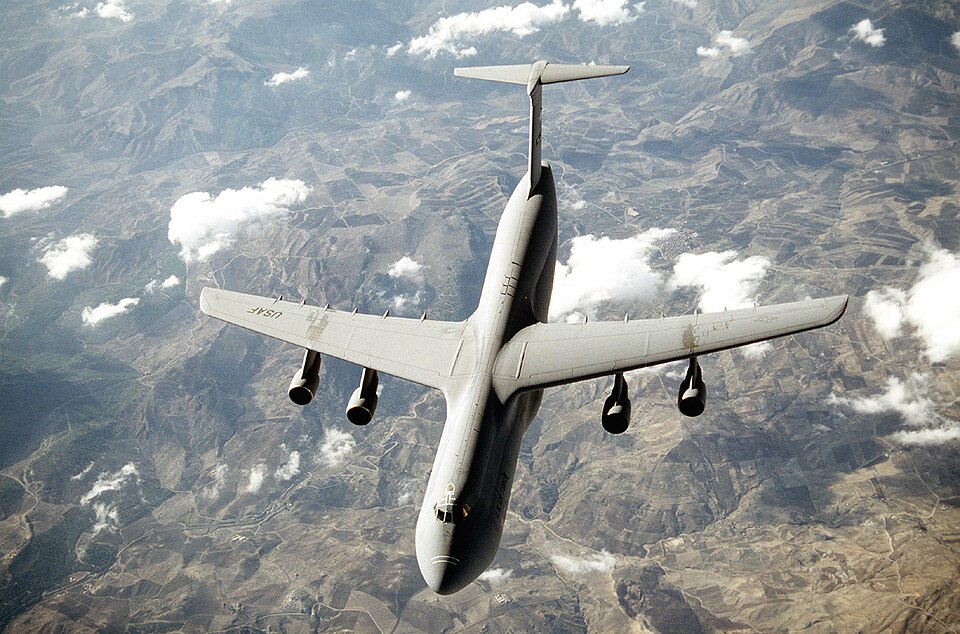
The U.S. Air Force’s airlift fleet has been in steady decline since the end of the Cold War. Mobility aircraft were younger, more plentiful, and backed by clear replacement plans back then. Today, the average age across the force has climbed to 32 years, up from 17 in 1994, as the availability rates fell sharply. The key workhorses, such as the C‑5M Super Galaxy, average 37 years in service, with low mission-capable rates, while the C‑17 Globemasters are already flying beyond their intended service lives. This erosion of readiness follows three decades of continuous global operations that have left the fleet worn and maintenance-intensive at the exact time when peer-level readiness is crucial.
2. ACE’s Heavy Reliance on Airlift
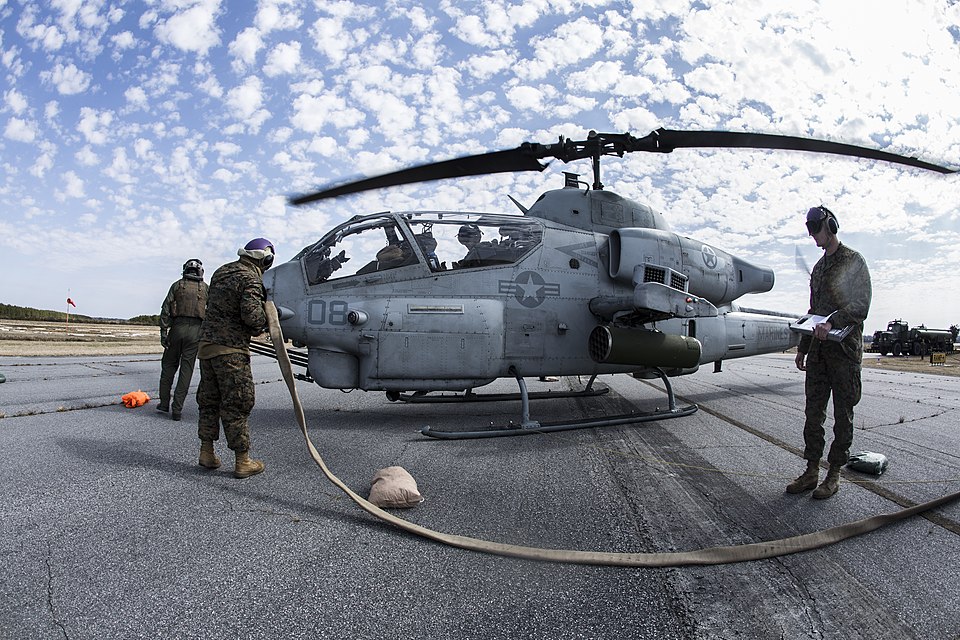
The Agile Combat Employment concept foresees fighter units and support teams moving unpredictably among permanent bases, semi‑permanent sites, and forward arming and refueling points (FARPs). Whereas the first two can count on prepositioned stocks and host‑nation support, FARPs-often little more than rough strips-would depend almost entirely on theater airlift for fuel, munitions, and personnel. Without adequate and competent lift, ACE could be little more than a paper concept. Retired Col. Robert Owen says a peer conflict will find “the airlift fleet may not be sufficient to meet the movement, supply and other logistical demands of the services.” That shortfall could leave dispersed forces undersupplied and vulnerable.
3. Lack of Aircraft for Austere Operations
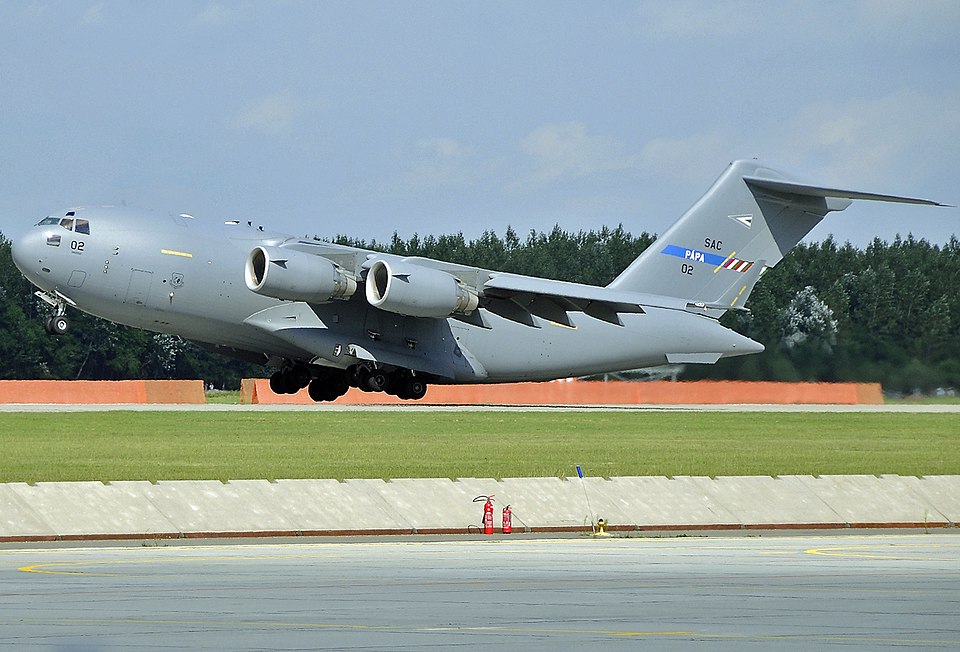
The most serious deficiency in the inventory is the lack of platforms capable of operating from short, weakly surfaced forward airfields. Significant numbers of such aircraft have not been acquired by the Air Force, nor has it publicly announced plans to do so. Budgets are still unsized for this mission growth. This is an omission of the most serious kind. In the Indo‑Pacific, many potential operating locations will lack the infrastructure to support heavy C‑17s. Without a tailored mix of smaller, rugged transports, sustaining forward‑deployed units will be far more difficult especially under fire.
4. Extending C‑5 and C‑17 Service Lives
Facing delays in the Next‑Generation Airlift (NGAL) program not expected to reach production before 2038 the Air Force plans to keep C‑5s flying until 2045 and C‑17s until 2075. This will require extensive life‑extension work and certification updates. The former Air Mobility Command chief, Gen. Mike Minihan, questions whether this approach will deliver what future warfighters need, warning of an imbalance between cutting‑edge strike forces and decades‑old support aircraft. Increasing maintenance costs and mishap rates-particularly for the C‑5-emphasize the risks associated with depending on these aging giants.
5. Lessons from REFORPAC Logistics Trials
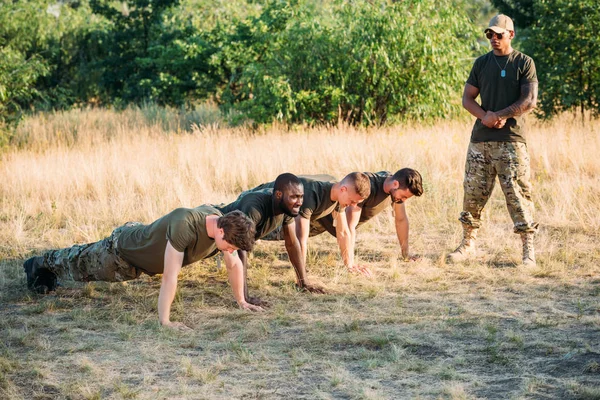
Exercise Resolute Force Pacific 2024 tested the deployment of TOC‑L kits across Japan and Guam. The systems performed well, but moving them highlighted logistical friction points even for relatively small, portable equipment. As Lt. Col. Micah Graber also stated, “Logistics is not easy, even though [TOC‑L] is a very tactical small kit.” If moving a few dozen people and light C2 equipment around is difficult, keeping dispersed fighting forces fueled and supplied in combat will be exponentially more challenging.
6. China’s Expanding Strike Reach
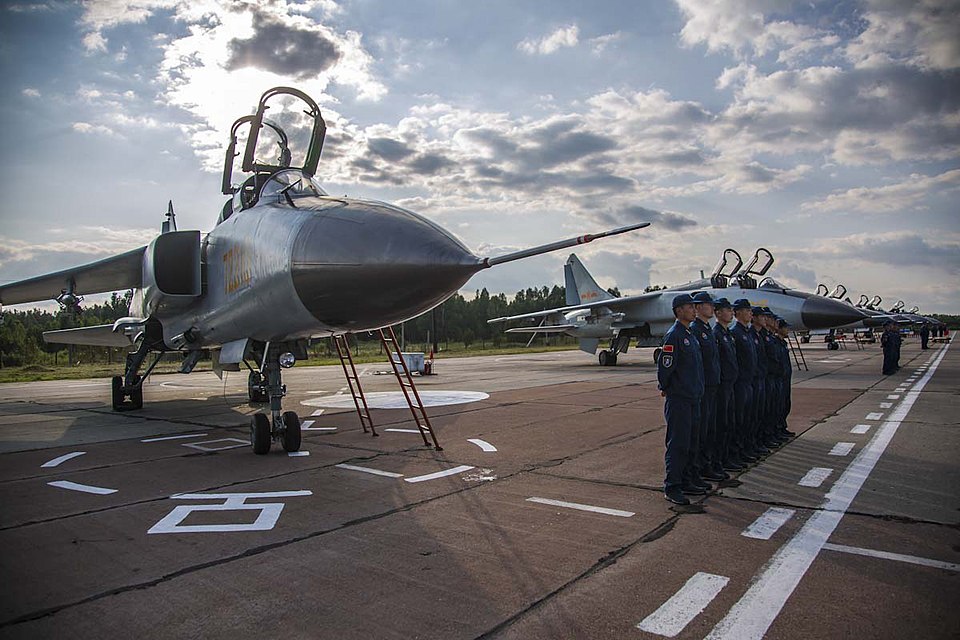
The PLAAF now fields more than 1,900 fighters, including stealth J‑20s and more than 225 J‑16s armed with very long‑range air‑to‑air missiles. Its bomber force is set to grow with the stealthy H‑20, designed for deep‑strike missions. That combination, together with PLA Rocket Force ballistic and cruise missiles, threatens the U.S. air bases and the logistics tail that sustains forward operations. Dispersal through ACE is meant to mitigate this, but only if airlift can keep pace under threat.
7. Hardened Targets and Sanctuary Denial
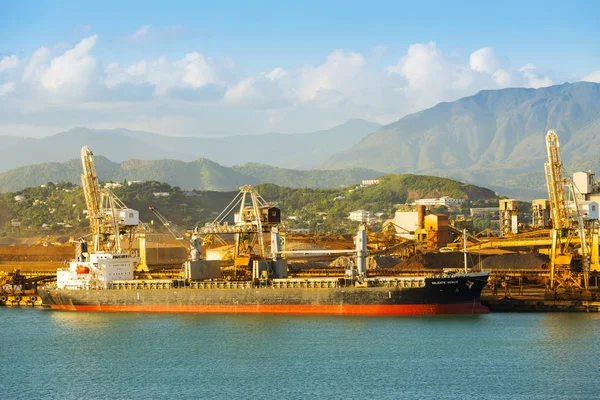
PLA doctrine emphasizes putting high‑value assets in hardened shelters. Defeating such targets often requires large penetrating munitions like the 30,000‑pound Massive Ordnance Penetrator deliverable only by stealth bombers. But sustaining those bombers forward demands secure, well‑supplied operating locations. If airlift falters, the U.S. risks losing the ability to generate the sortie rates needed for sanctuary denial-a key to collapsing adversary combat power quickly.
8. PLA’s 2027 Readiness Goal
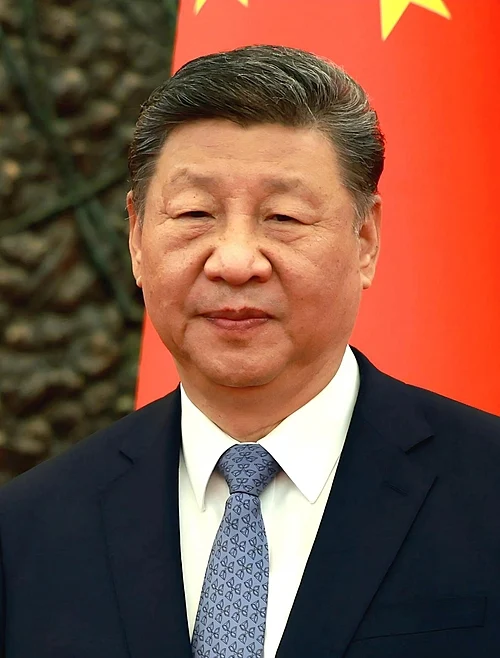
Under Xi Jinping’s direction, the PLA is seeking the capability to invade Taiwan by 2027. This imperative propels frenetic modernization in the air, naval, missile, and information forces, with particular emphasis on counter‑intervention-that is, strikes against not only combat aircraft but also supporting tankers, transports, and logistics hubs. A U.S. mobility shortfall directly aids this strategy. If the PLA is able to disrupt or overwhelm American airlift, then reinforcement, resupply, and recovery operations can be delayed, thereby raising the prospects of a rapid fait accompli.
9. Strategic Risk of Support‑Strike Imbalance
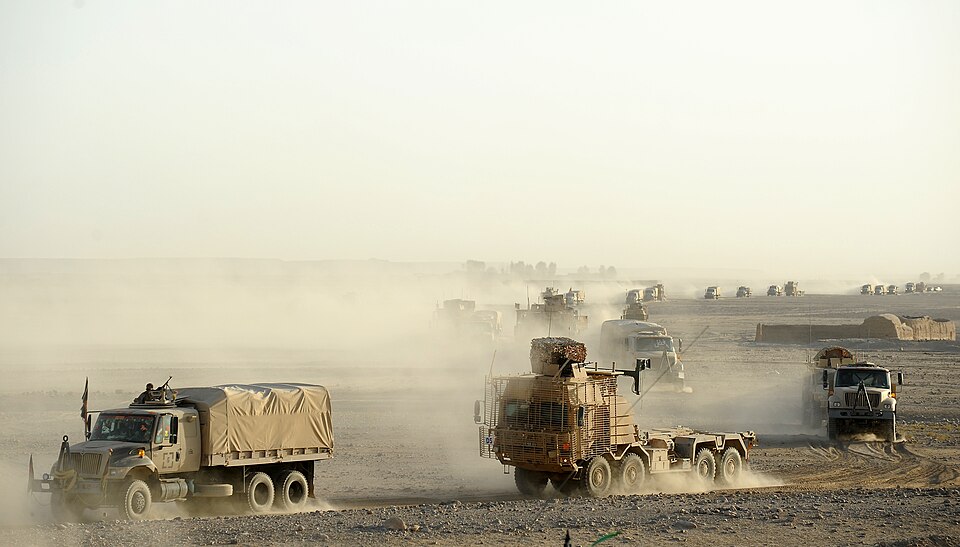
As Minihan warns, a dangerous “equilibrium” exists between forces that fight and those that sustain them. Fifth‑ and sixth‑generation fighters and bombers are of limited value if they cannot be kept fueled, armed, and repaired in theater. The failure to modernize mobility risks creating a brittle force-lethal on paper, but incapable of sustaining combat power over time and distance against a peer adversary. The Air Force’s airlift enterprise is more than a logistics function; it’s the circulatory system of U.S.
power projection. Any weakness in that system could be exploited with decisive effect in a conflict with China, where distance, tempo, and threat density will be extreme. Closing the gap will require urgent investment in both new platforms and the sustainment of existing ones, along with a force mix tailored for austere operations. Without that, the Achilles’ heel of U.S. airpower may be exposed at the worst possible moment.


