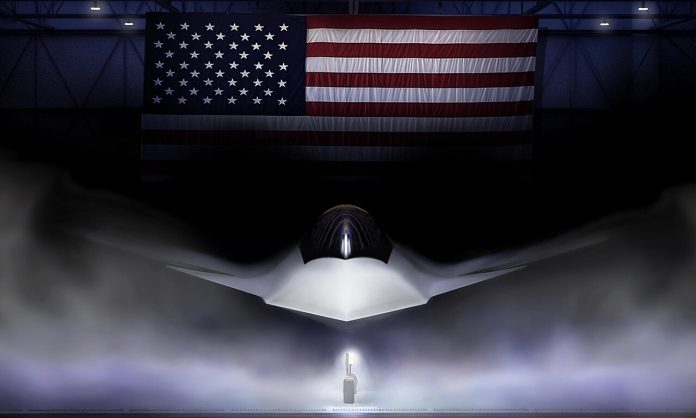
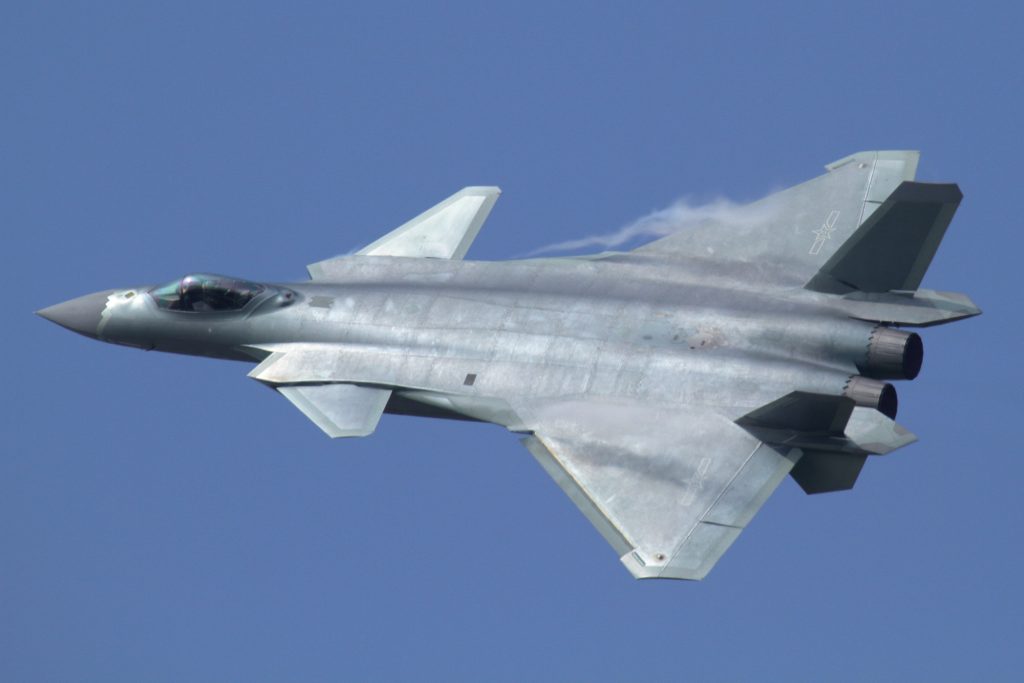
By comparison, China is believed to field hundreds of advanced J‑20 stealth fighters, while Russia’s Su‑57 program though smaller still represents a potential threat. Against this backdrop, one intriguing question remains for the U.S. Air Force: how to ensure air dominance in both the near term and decades ahead. That answer is unfolding through a three-prong modernization drive fielding the sixth-generation F‑47; upgrading the F‑22 to a “Super” variant, and transforming the F‑35 into a “Ferrari” 5th‑generation‑plus fighter.
These are not just modernization programs involving new airframes; they are part of a shift towards network‑centric warfare, AI‑enabled sensor fusion, and manned‑unmanned teaming. All these will ensure that U.S. fighters can out‑sense, out‑think, and out‑fight peer adversaries well into the 2060s. The following sections present in detail the most intriguing aspects of this modernization effort.
1. F‑47: The Sixth‑Generation ‘Quarterback’
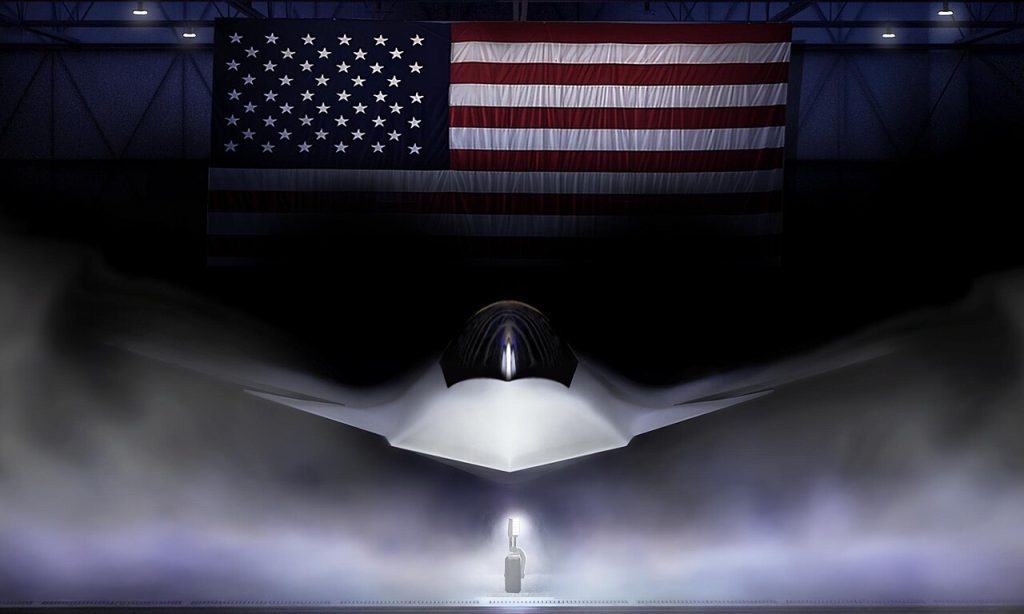
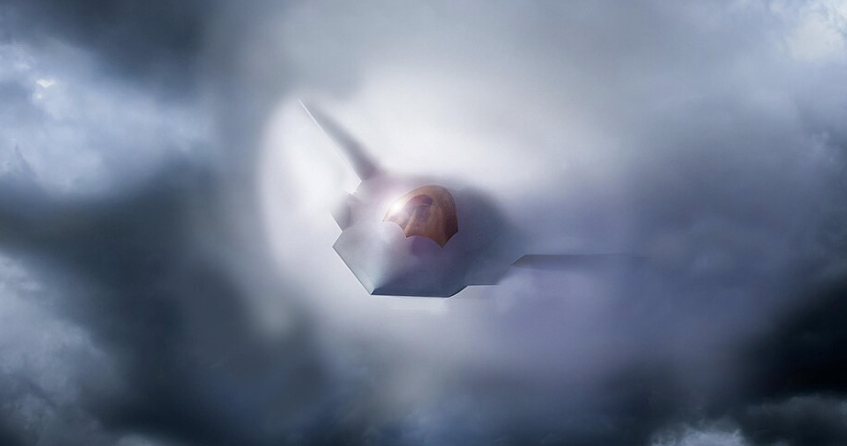
The F‑47 NGAD fighter is designed to replace the F‑22, with an emphasis on long‑range, networked warfare rather than short‑range dogfighting. Capable of speeds over Mach 2 and a combat radius of more than 1,000 nautical miles, it will act as a stealth ‘quarterback’ controlling swarms of AI‑driven Collaborative Combat Aircraft. Boeing’s Steve Parker called the program “transformational” and said there has been more than a decade of investment in advanced materials, survivability, and lethality.
The F‑47’s adaptability to future threats will come with Stealth++ coatings, reduced infrared signature, and modular systems. Its capacity for directing multiple unmanned wingmen up to eight or more means every jet is a formation, multiplying combat mass without increasing pilot risk.
2. Ceramic Stealth Coatings for Extreme Speed
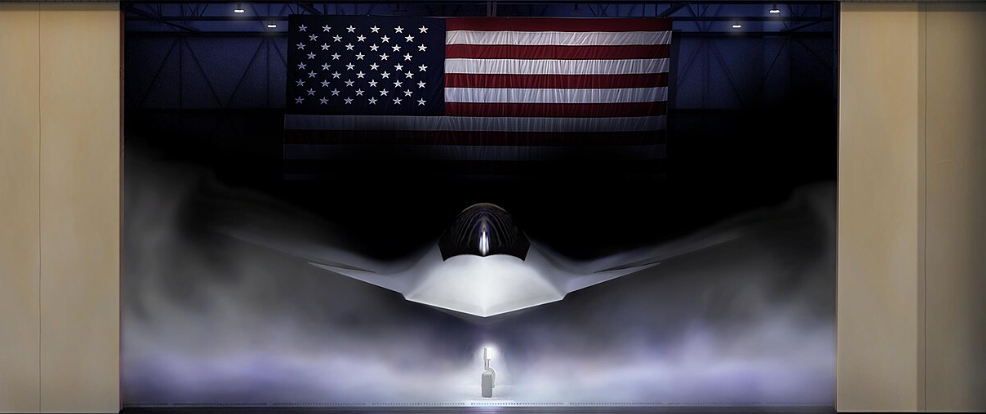
One breakthrough for the F‑47 is a new ceramic radar‑absorbent material developed at NC State. The coating can withstand temperatures up to 1,800°C-a key enabler of sustained supersonic flight without compromising stealth properties. Chengying Xu’s team determined that it absorbs more than 90% of radar energy, is water-resistant, and is harder than sand-all features that would let the plane operate in a harsh environment.
Applied as a liquid precursor that hardens in one to two days, the ceramic skin supports the F‑47’s ability to maintain stealth at Mach 2+ speeds something that challenges traditional polymer‑based coatings.
3. Laser Weapons Coming Soon
The F‑47 may use megawatt‑class directed‑energy weapons capable of shooting down missiles and drones and even dazzling low‑orbit satellites. Such systems offer instant, scalable defense at low cost per shot. Dr. Brent Eastwood has suggested these lasers could make the F‑47 relevant to U.S. Space Force missions.
The Air Force Research Laboratory is advancing airborne laser projects; the F‑47’s power generation and cooling systems are being designed with this capability in mind.
4. F‑22 ‘Super’ Upgrade Path
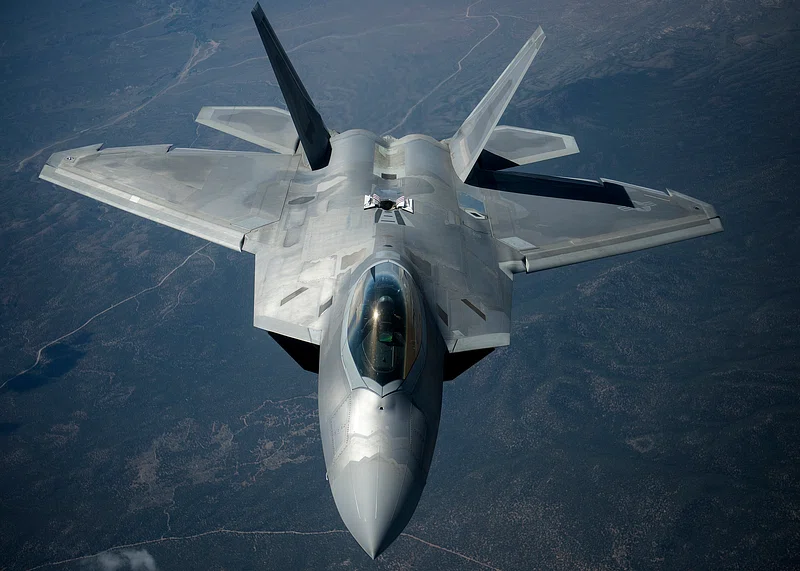
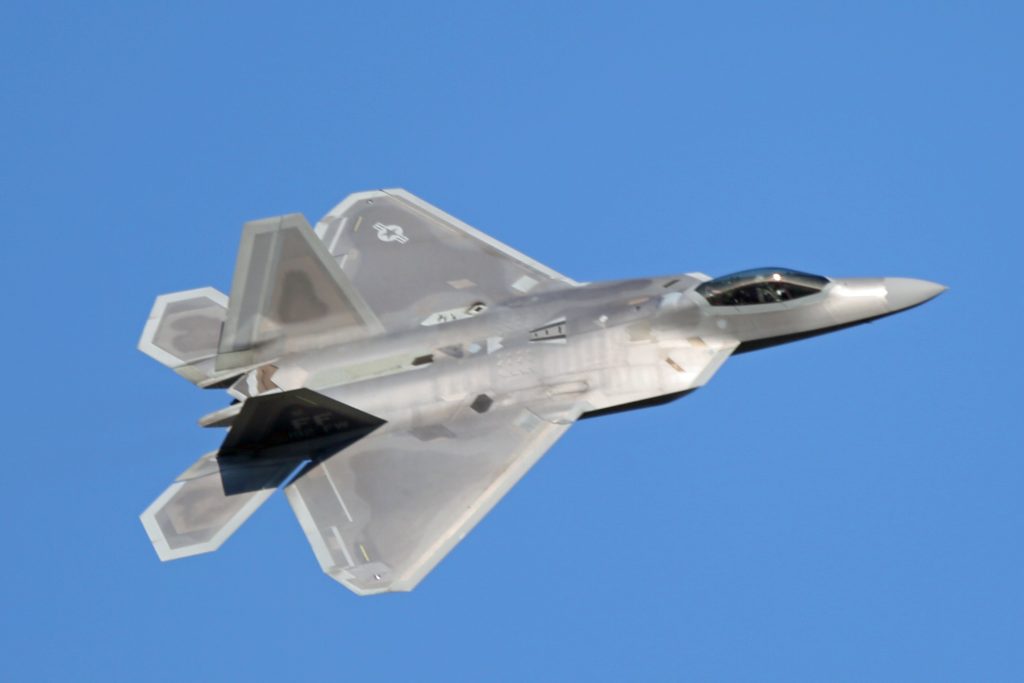
Still, the F‑22 Raptor remains amongst the most capable air‑dominance fighters the world has ever seen, with its Mach 2.25 speed, supercruise, and exceptional maneuverability. The ‘Super’ upgrade is designed to extend its service into the 2050s, with new AI‑enabled sensors, advanced networking, and next‑generation weapons.
Planned improvements will add the AIM‑260 Joint Advanced Tactical Missile, MAKO hypersonic missiles, and possibly laser systems. Improved coatings and resistance to electronic warfare will help the Super Raptor survive against newer integrated air defenses.
5. Networking F‑22 and F‑35 for Combat Multiplication
More recent USAF work has enabled secure two‑way data sharing between the F‑22 and F‑35, thereby allowing both aircraft to function as mutual force multipliers. For pilots, the F‑22 is an ‘aerial quarterback’ capable of connecting intelligence and targeting data with other aircraft.
Adding an F‑22 Super would expand that role, connecting the F‑47 and unmanned assets seamlessly while speeding up kill chains and heightening situational awareness across domains.
6. F‑35 ‘Ferrari’ Software‑First Transformation
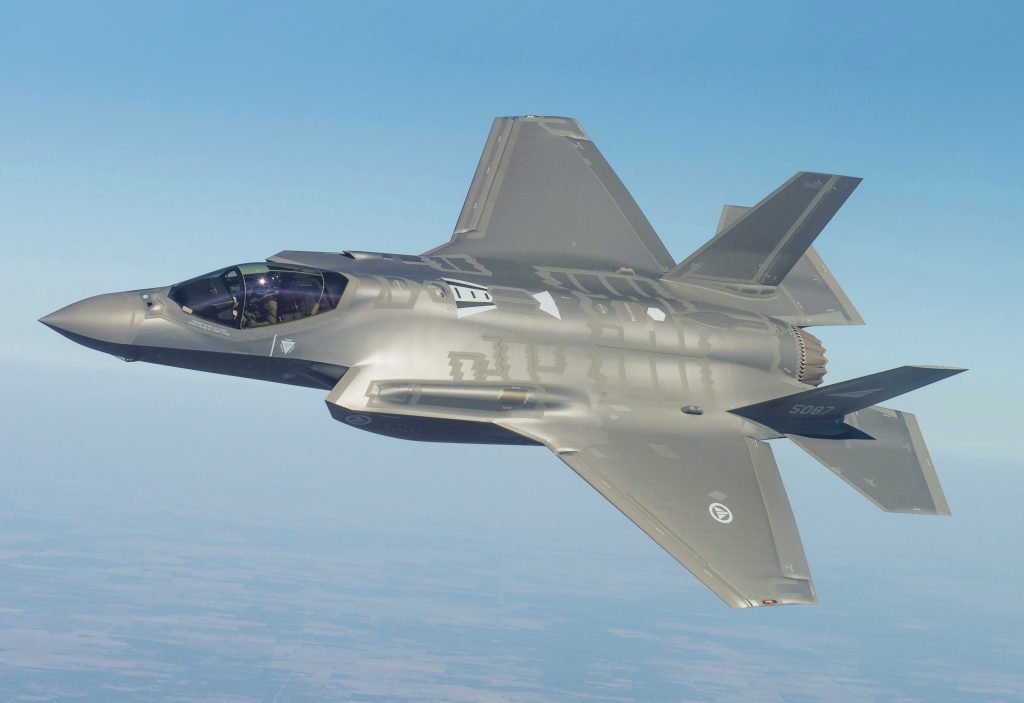
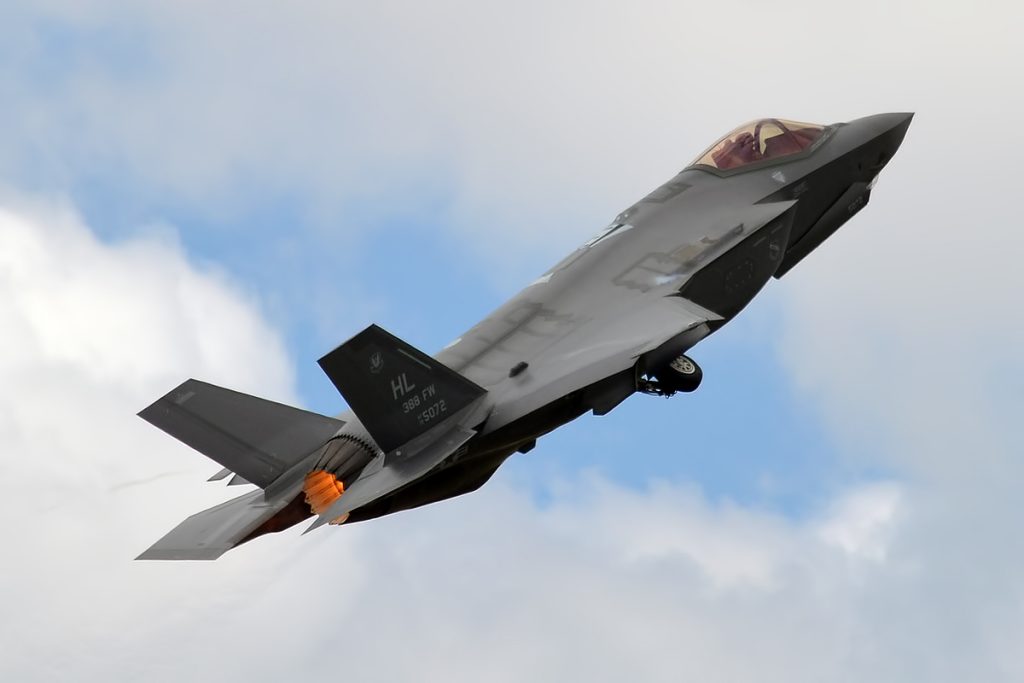
The point of the F‑35 ‘Ferrari’ concept at Lockheed Martin is software, AI and sensor upgrades-not a new airframe. The Block 4 software drop will add weapons such as Stormbreaker and AARGM‑ER, a strike envelope for the jet against moving targets in all weather up to 40 nautical miles.
AI-enabled sensor fusion will be enhanced for longer-range detection, faster targeting, and multi-domain networking. This positions the F-35 to integrate lasers, advanced EW suites, and next-generation weapons with no alteration to the aircraft external design.
7. Manned‑Unmanned Teaming with Valkyrie
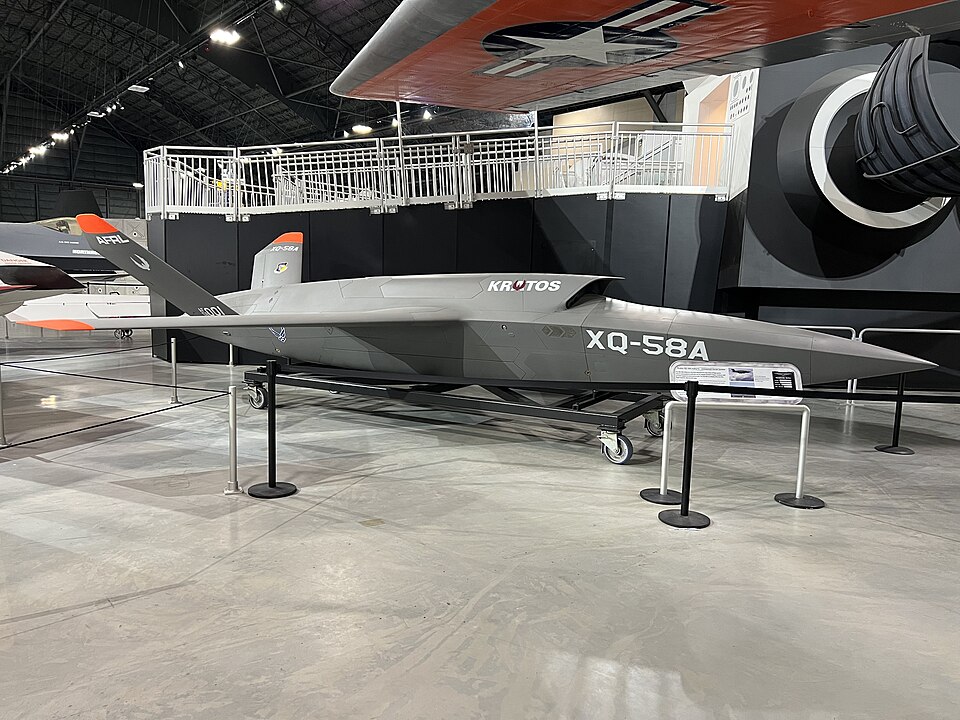
The F‑35 pioneered manned‑unmanned teaming, demonstrated in tests by the Air Force Research Lab with the XQ‑58A Valkyrie. This ‘loyal wingman’ can perform high‑risk missions such as electronic warfare and reconnaissance, controlled directly from the fighter’s cockpit. The Valkyrie provided targeting data through Link‑16 to F‑35s and other aircraft in joint force tests, enhancing survivability and lethality. Teaming concepts such as these will be integral both to F‑35 Ferrari and F‑47 operations.
8. Legacy Upgrade Success Stories
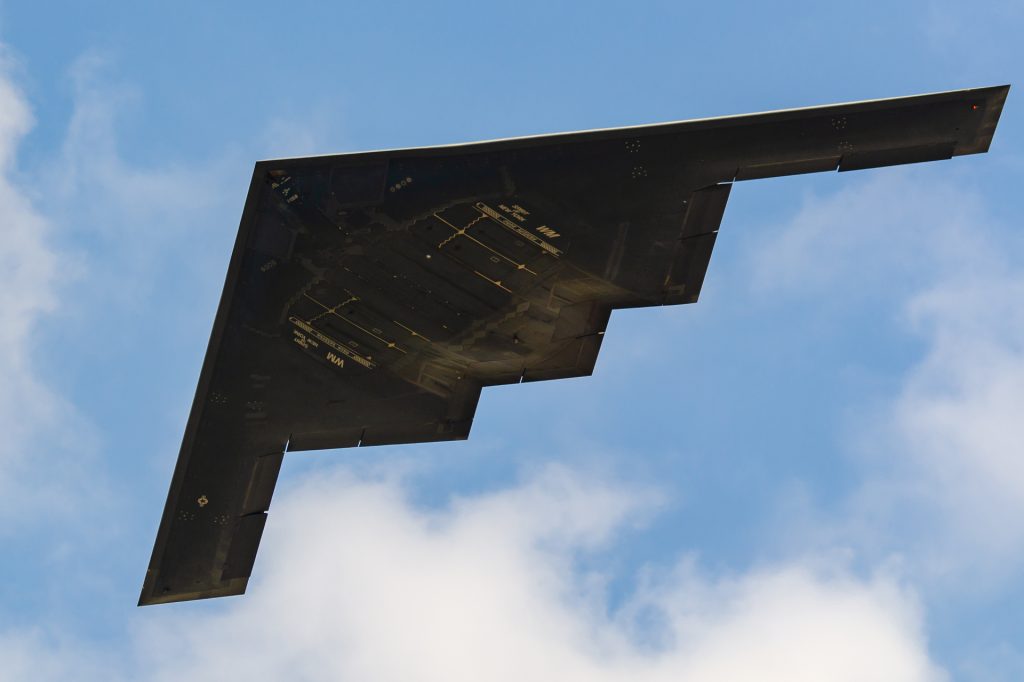
Programs like the avionics overhaul of the B‑2 Spirit, the 4th‑Gen‑plus leap of the F‑15EX, and the re‑engining of the B‑52 show that older airframes can be transformed into modern combat assets. These examples underpin confidence in upgrading the F‑22 and F‑35 rather than replacing them outright. New coatings, thermal management, and weapons integration have shown that generational performance jumps in stealth aircraft are achievable without starting from scratch.
9. Countering J‑20 and Su‑57 Threats
The Chinese J‑20 focuses on long‑range stealth engagements and is now paired with the WS‑15 engines that provide supercruise and additional power for sensors. The Russian Su‑57 is maneuverable, but it has limited production and a larger radar signature, estimated 20‑30 times that of an F‑22. Improved U.S. fighters are designed to retain superiority over these competitors through advances in stealth, networking, and weapons. Together, F‑47, F‑22 Super, and F‑35 Ferrari guarantee several layers of capability against a variety of threat profiles.
10. Rapid Deployment Concepts
The ‘Rapid Raptor’ program demonstrated that F‑22s could be globally deployed in just 24 hours using small forward‑stationed maintenance teams. An F‑22 Super would build on this with improved logistics and sustainment. Similar rapid‑deployment thinking is being applied to the F‑47, with the aim of ensuring readiness in high‑threat theaters and supporting the Air Force goal of massing airpower quickly in great‑power conflict scenarios.
Modernization of U.S. airpower is less a program than a coordinated triad: the F‑47 as a sixth‑generation command hub, the F‑22 Super as an extended‑life air‑dominance fighter, and the F‑35 Ferrari as a software‑driven evolution of stealth strike capability. Taken together, they meet the immediate Chinese and Russian threats while building the foundation for three decades of superiority. These upgrades speak to an air environment in which dominance is no longer assured but represent a deliberate, layered strategy to ensure the U.S. retains its edge in speed, stealth, and lethality.


