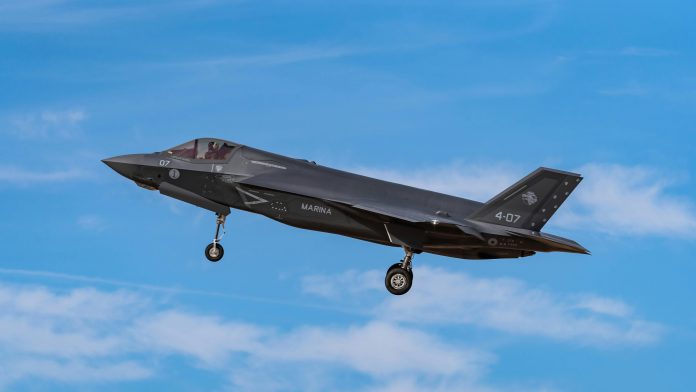
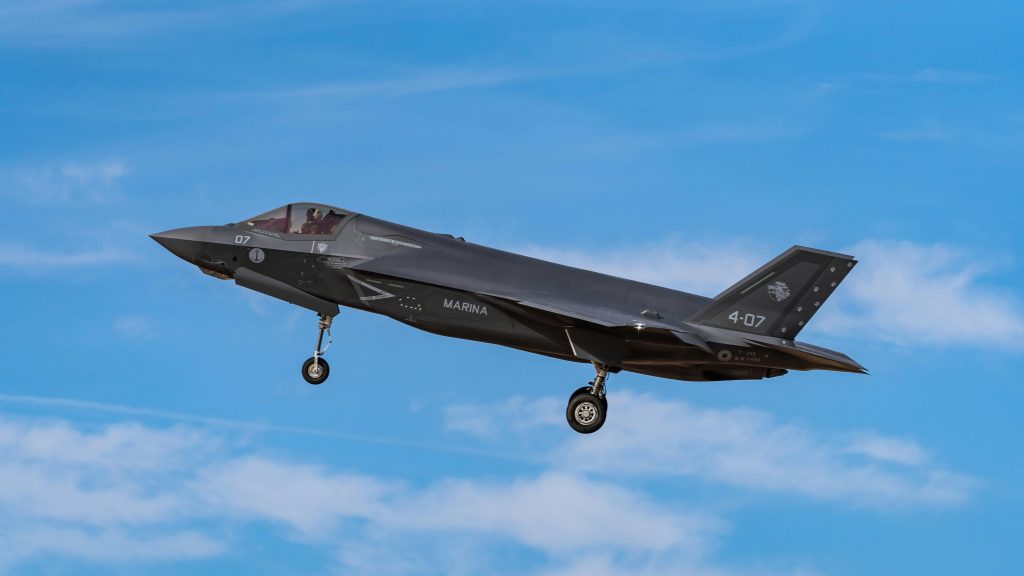
Is the Pentagon’s most expensive weapons program still worth the investment? That’s a question looming large as Lockheed Martin secures a $1.14 billion contract modification to supply long-lead materials for 198 F-35 fighter jets. The deal underlines both the scale of U.S. and allied commitment to the fifth-generation platform and the challenges of delivering on time and on budget.
More than any other procurement, the F-35 program forms the backbone of U.S. and partner airpower strategies for decades to come. The diversity of its production across multiple international sites, together with funding streams drawn from domestic services, cooperative partners, and FMS customers alike, means this latest award offers a window into the industrial, operational, and geopolitical dimensions of the JSF effort.
From manufacturing hubs in Texas to delays in modernization and allied politics, here are ten critical insights into what this contract means for the future of the F-35 and the defense industry.
1. Scope of the $1.14 Billion Award
The modification funds parts, materials, and components for 65 Lot 20 and 133 Lot 21 aircraft. The list of customers to benefit under this modification includes the U.S. Air Force, Navy, Marine Corps, Cooperative Program partners, and FMS customers. It was noted that all funds are obligated at award, with none expiring at the fiscal year’s end a sign of urgency in securing production capacity.
2. Diverse funding sources
This covers: $188M in FY2026 Air Force procurement, $115.79M in FY2026 Navy procurement, smaller sums for FY2025 buys, plus $556.6M from FMS customers and $225.7M from partners. That reflects the program’s highly unusual cost-sharing model, with seven U.S. allies as formal partners and many more buying jets outright.
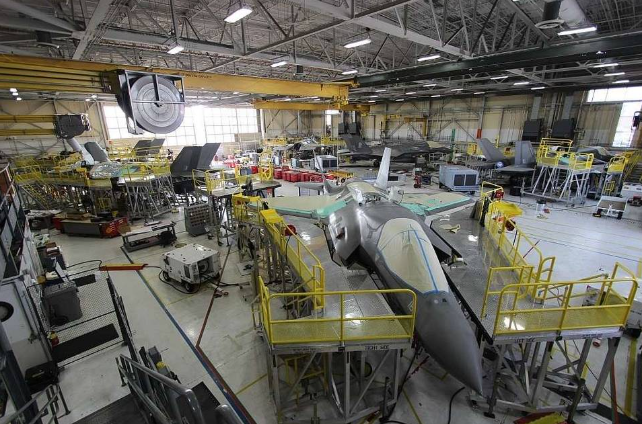
3. Globalized Production Network
The primary assembly will take place at Fort Worth, Texas, accounting for 59% of the work. Other locations include El Segundo, California, with 14%; Warton, UK, with 9%; Cameri, Italy, with 4%; Orlando, Florida, with 4%; Nashua, New Hampshire, with 3%; Baltimore, Maryland, with 3%; San Diego, California, with 2%, and other international locations at 2%. Such a distributed manufacturing footprint works well to support industrial base resiliency but makes logistics challenging.
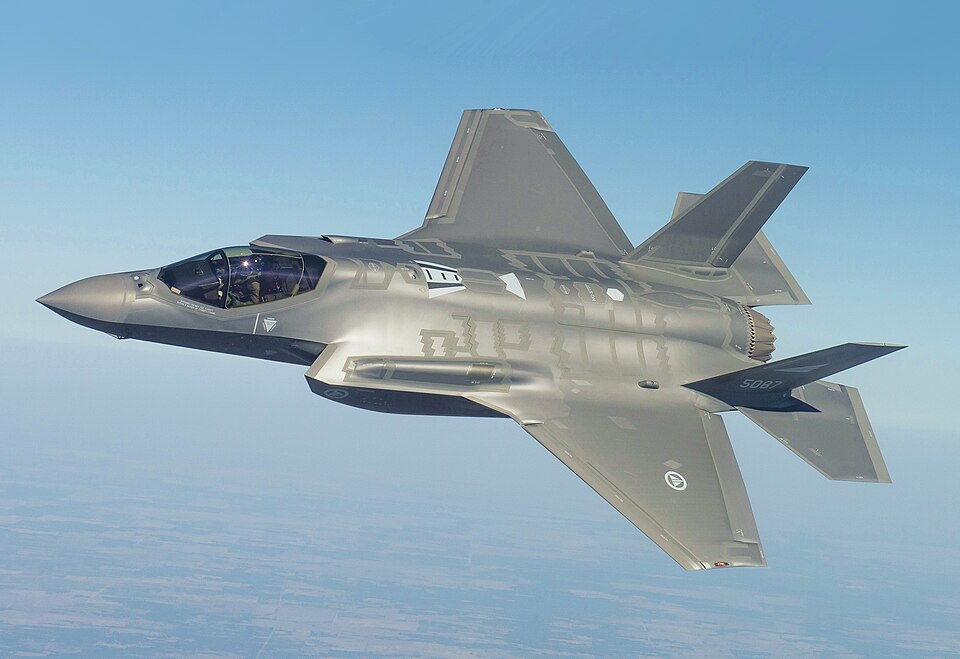
4. Chronic Delivery Delays
A GAO report said all 110 F-35s delivered in 2024 were late by an average of 238 days, with the engine deliveries also running behind schedule. Technology Refresh 3 hardware and software problems forced a year-long pause in deliveries that underlined the tension between modernization and fleet demand.
5. Block 4 Modernization Challenges
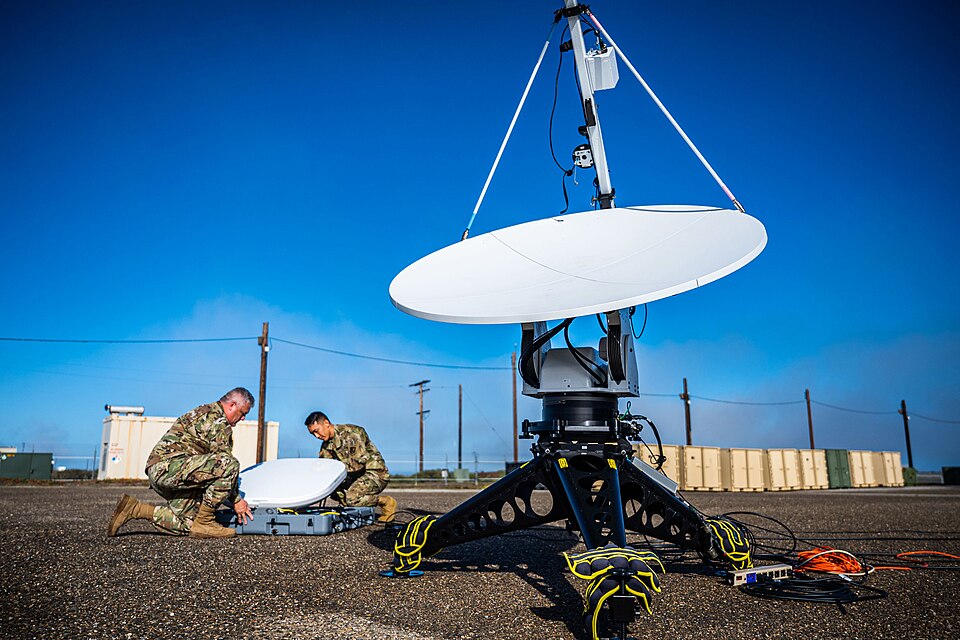
The Block 4 upgrade, central to enhancing sensors, electronic warfare, and weapons, has grown to $16.5 billion and slipped at least five years. The Joint Program Office now speaks of a “Reimagined Block 4” focused on must-have capabilities deliverable before the 2030s, reflecting realism about technical and resource constraints.
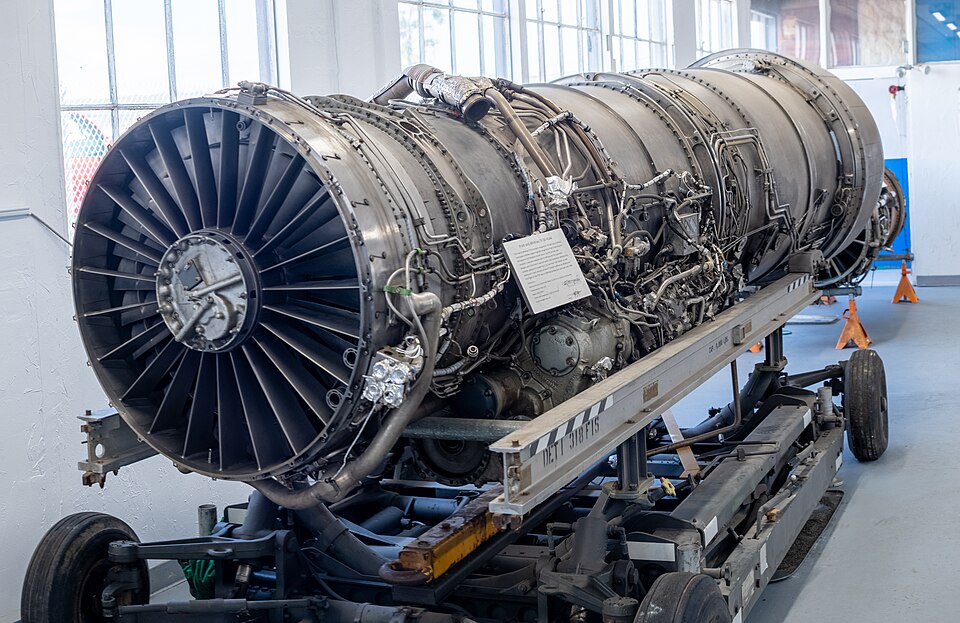
6. Engine Core Upgrade Imperatives
The Pratt & Whitney F135 Engine Core Upgrade offers range, thrust, and cooling capacity additions to support Block 4, aimed at helping to offset reduced vertical lift in the F-35B. The development cost related to those improvements in thermal management could approach $4.5 billion, and operational availability is expected in 2032. This is a critical enabler for future performance.
7. Sustainment Cost Pressures
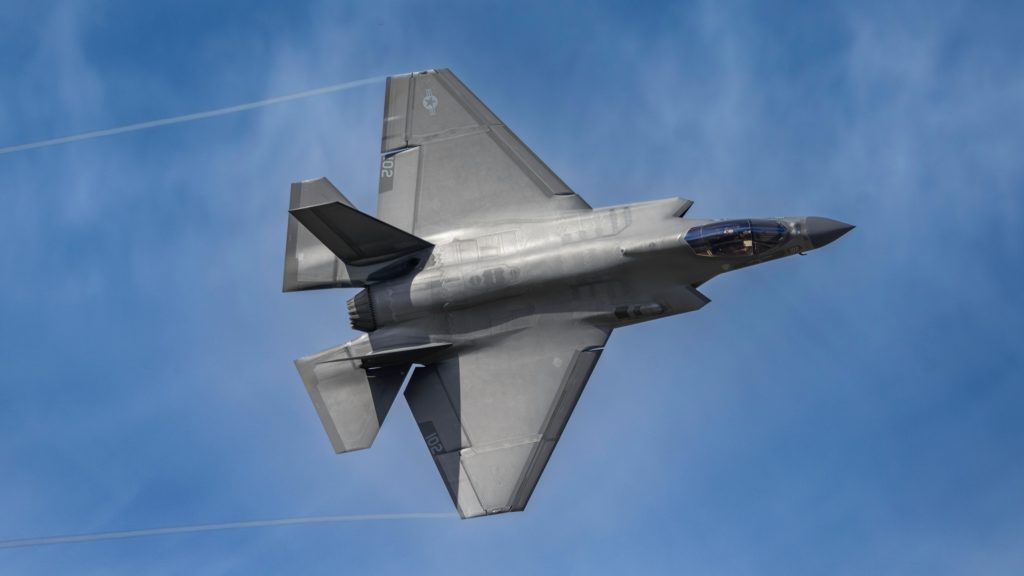
F-35 sustainment costs rose from $1.1 trillion in 2018 to about $1.6 trillion in 2023, in part due to extending the service life of the jet to 2088. According to GAO, the F-35 is encountering readiness problems such as contractor reliance, spare parts shortages, and training shortcomings. Mission capable rates remain well below the service targets, at 51.9%, by the Air Force’s F-35A fleet in 2023.
8. Strategic Role in U.S. and Allied Airpower
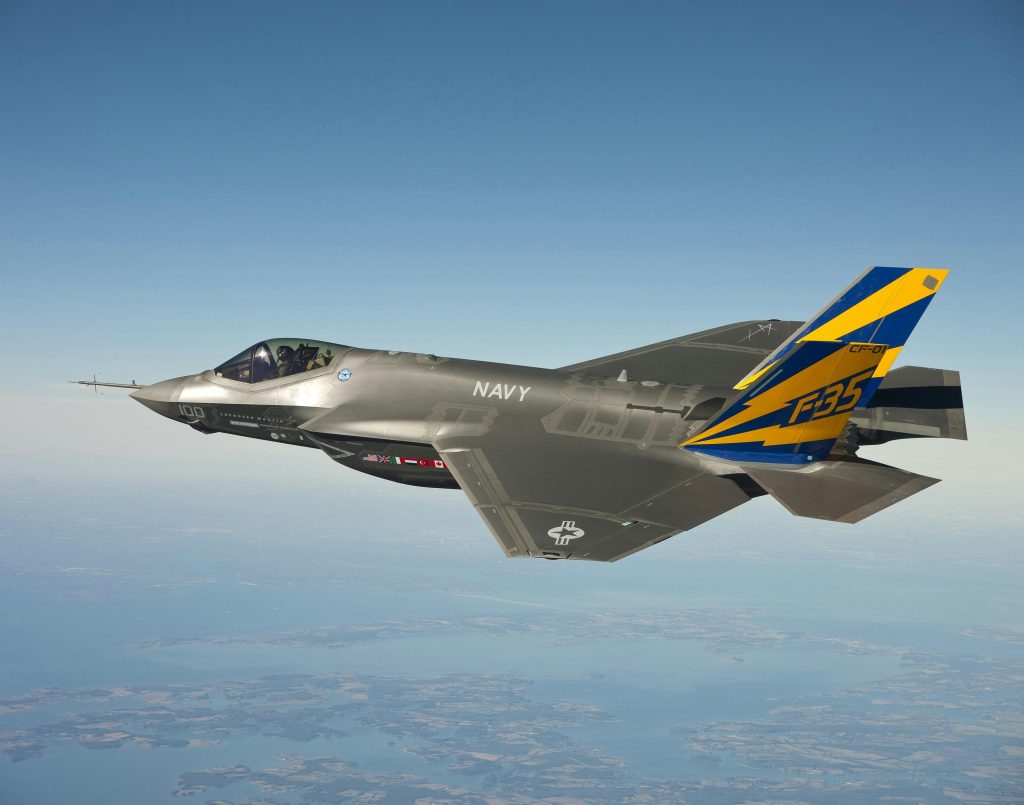
The F-35 is the cornerstone of fifth-generation fleets for the United States and multiple allies due to its stealth, sensor fusion, and networked combat systems. As Lockheed noted, the aircraft’s “unmatched connectivity” enables integration across land, sea, air, space, and cyber domains.
9. Political and Allied Dynamics
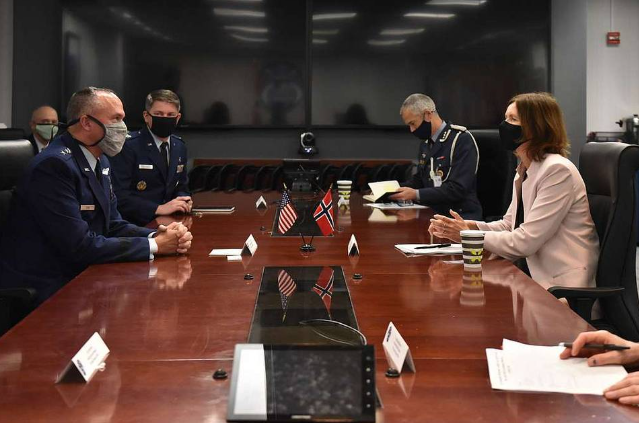
Everything from allied debates over procurement to public statements about interoperability has drawn political scrutiny to the program. The Joint Program Office has minimized speculation about a so-called “kill switch” that would disable the jets of allies, underscoring trust-based agreements. Several nations, including Portugal and Canada, reconsidered planned buys in light of shifting geopolitical priorities.
10. Industrial Base and Future Procurement
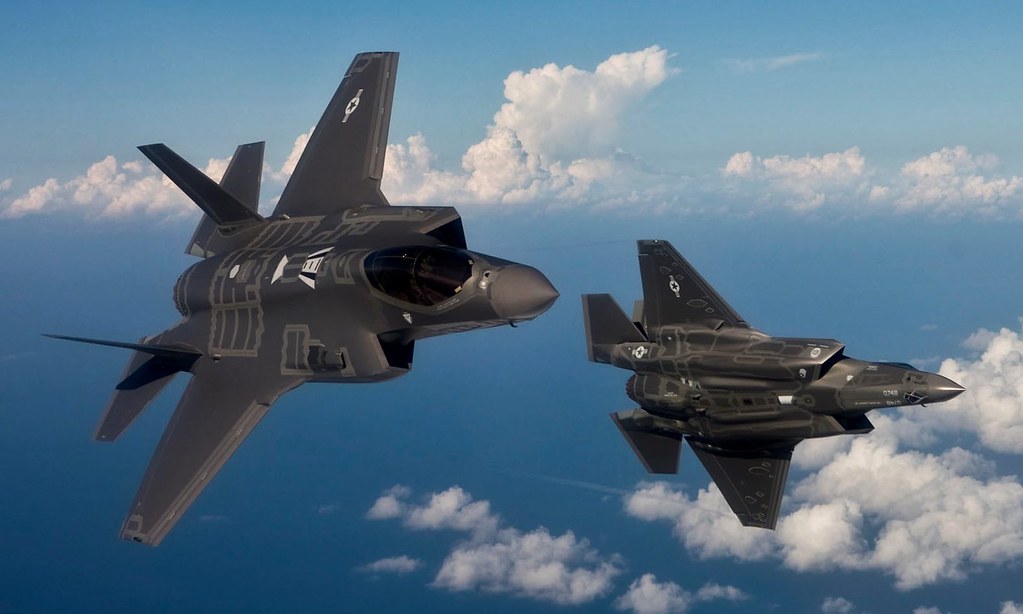
Lockheed and the JPO hope to capture Lots 20–24 via a block-buy strategy that could save as much as $1.1 billion, but increasing costs for labor, materials, and energy are pushing against price stability. The Air Force also requested fewer F-35s in FY2026, asking for 47 versus 68 in FY2025, reflecting budget caps and a turn toward R&D next-gen systems.
This modification of $1.14 billion is more than a procurement milestone; it is a snapshot of the vast scope, complex challenges, and enduring strategic importance of the F-35 program. From multinational production lines to modernization bottlenecks, the Joint Strike Fighter remains both a linchpin of allied airpower and a test case for sustaining high-tech defense programs under fiscal and industrial strain.”


