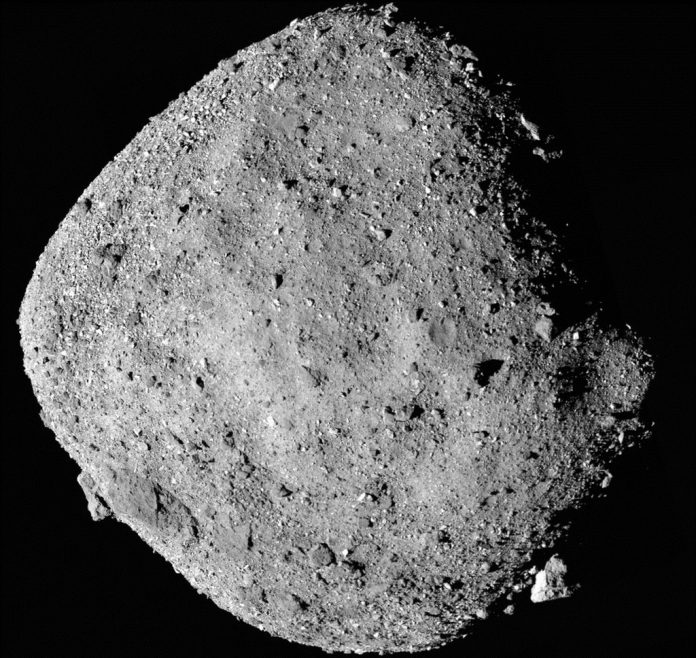
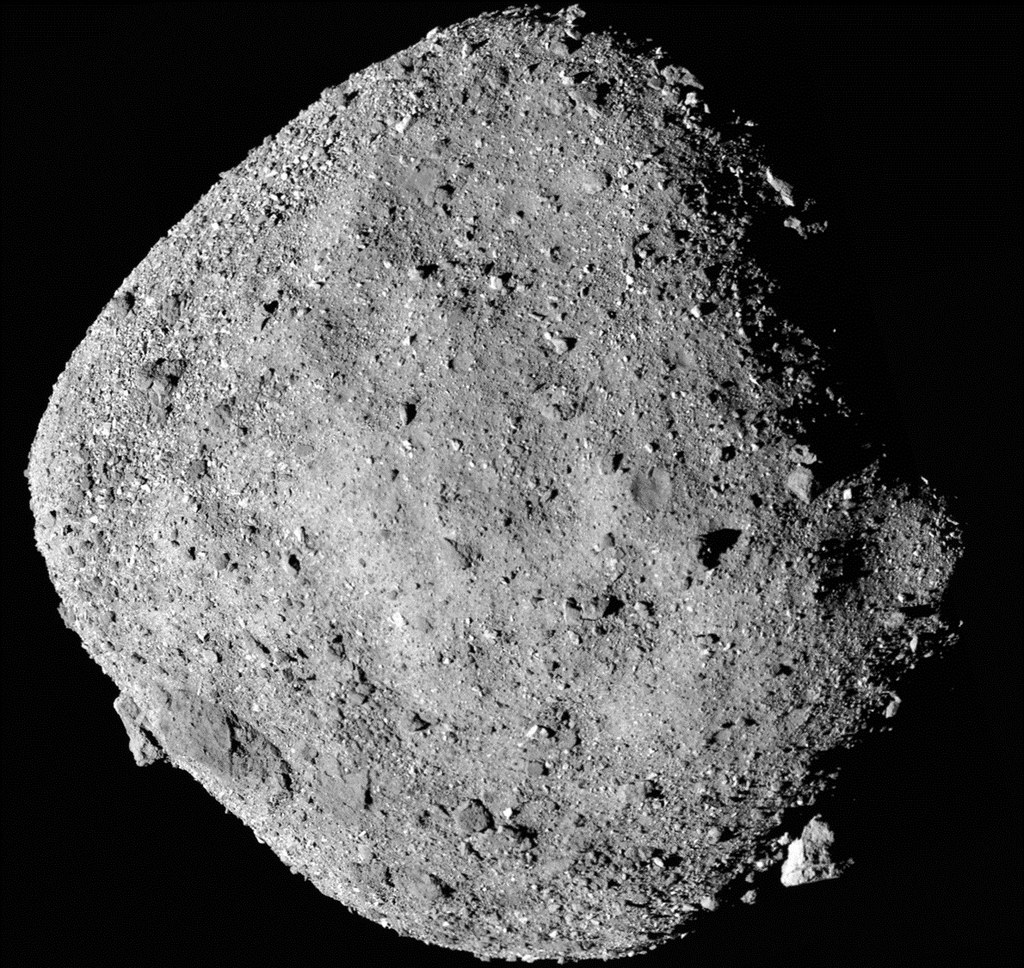
The latest analysis of NASA’s Bennu asteroid samples has yielded an extraordinary combination of findings: biologically relevant sugars, a mysterious polymer-like “space gum,” and unprecedented abundance of supernova-derived stardust. Together, these provide insight into the chemical pathways that might have seeded life on Earth and deepen the understanding of formative processes of the solar system.
1. First Detection of Glucose in Extraterrestrial Material
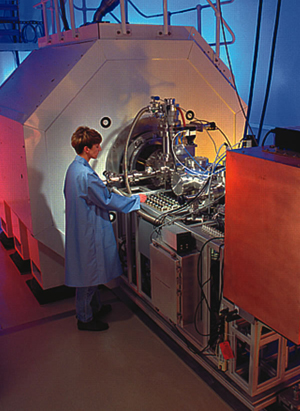
The Japanese researchers, led by Yoshihiro Furukawa of Tohoku University, Yokohama, identified ribose and, for the first time in an asteroid sample, glucose. Ribose is a five-carbon sugar integral to the sugar-phosphate backbone of RNA, while glucose is a six-carbon sugar crucial to energy metabolism in virtually all terrestrial life. The group measured 0.35±0.05 nmol/g of glucose and 0.097±0.014 nmol/g of ribose in Bennu’s regolith using gas chromatography–mass spectrometry under contamination-controlled conditions. The lack of 2-deoxyribose, the DNA sugar, remains consistent with the “RNA world” hypothesis, in which early life depended on RNA for both genetic storage and catalysis. Laboratory simulations and the alkaline pH of 8.23 ± 0.02 for Bennu suggest that formose-type reactions, catalyzed by carbonates of calcium and magnesium, are one plausible means of sugar synthesis within the asteroid’s parent body.
2. Prebiotic Chemistry in Bennu’s Ancient Waters
Complementary analyses revealed abundant phyllosilicates-hydrated silicate minerals-that can only form in the presence of liquid water. This aqueous environment, enriched with ammonia, could have catalyzed the formation of amino acids and nucleobases from simpler interstellar precursors. Bennu’s chemistry parallels prior detections of amino acids and all five nucleobases, which makes it a rare repository where building blocks for both proteins and genetic material coexist. Pristinely preserved samples, returned directly from the asteroid, eliminate terrestrial contamination problems that complicate meteorite studies.
3. The Mystery of ‘Space Gum’
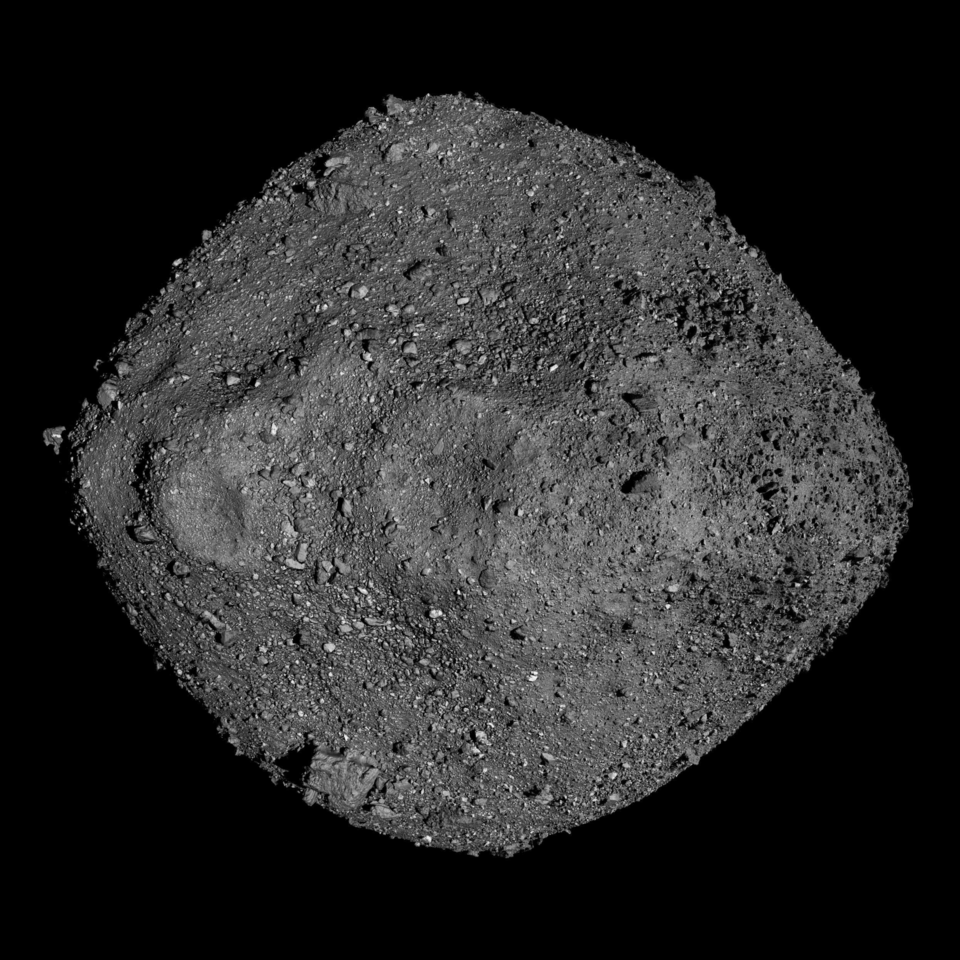
Scott Sandford’s team at NASA Ames and Zack Gainsforth at UC Berkeley found a flexible, transparent organic material in Bennu’s samples that was unlike anything seen in space rocks before. Rich in nitrogen and oxygen, this polymeric material most likely formed during the asteroid’s early warming phase from carbamate precursors. Electron microscopy and X-ray spectroscopy showed the presence of chemical groups similar to those in polyurethane but with irregular, heterogeneous bonding. The robustness of the material against water indicates that it must have polymerized before Bennu’s parent body developed any extensive aqueous systems. “With this strange substance, we’re looking at, quite possibly, one of the earliest alterations of materials that occurred in this rock,” Sandford said.
4. Stardust from Dying Stars
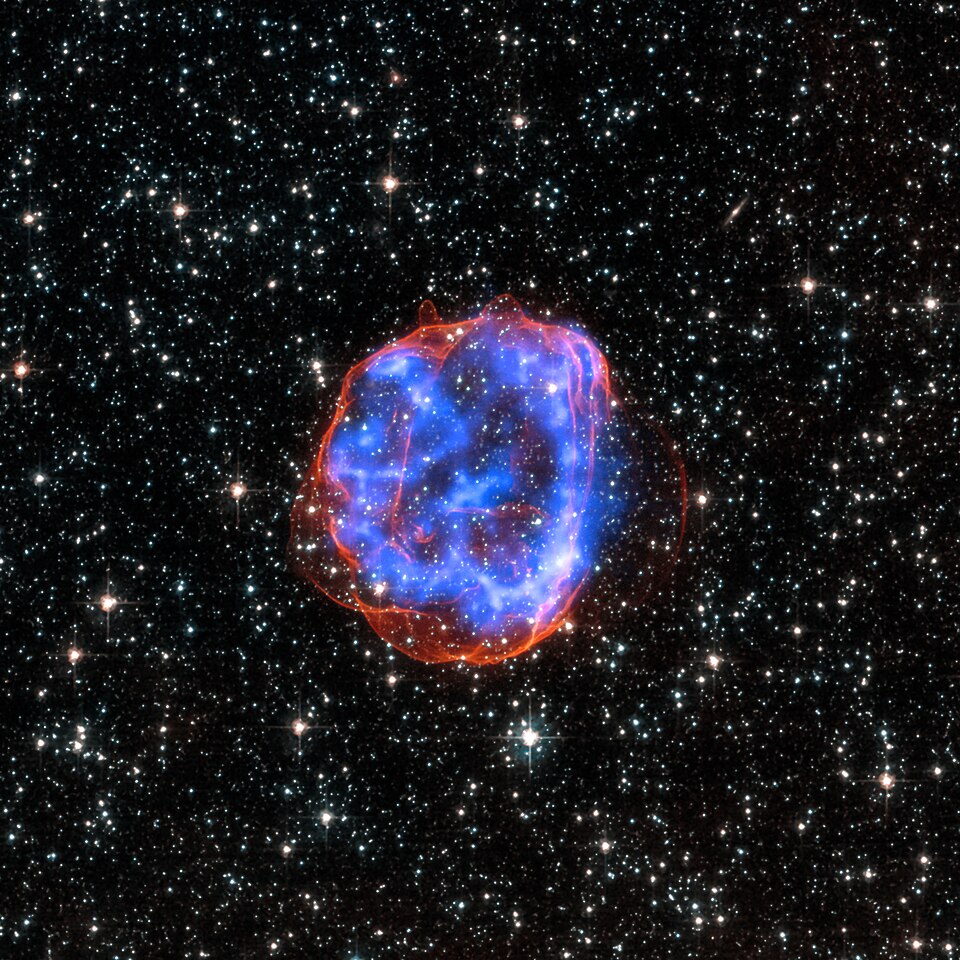
Ann Nguyen’s work reported the presence of presolar grains, microscopic dust that predated the solar system, in Bennu’s regolith. The samples contained as much as six times more supernova-derived SiC grains than any other studied astromaterial; 31% of SiC grains were determined to originate from supernovae, compared to 5% in typical chondrites.
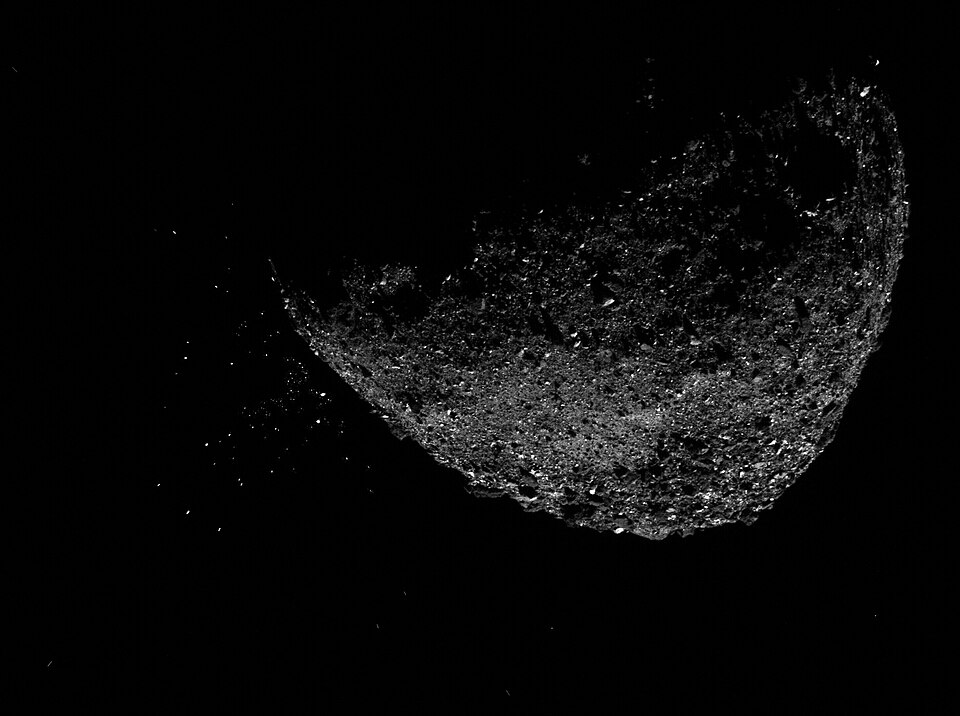
Oxygen-rich presolar silicates were also present; some were preserved in less-altered clasts within Bennu’s hummocky particles. These grains retain isotopic signatures from asymptotic giant branch stars and supernovae, constituting direct evidence for heterogeneous mixing in the protoplanetary disk.
5. Primitive Clasts: Time Capsules in the Regolith
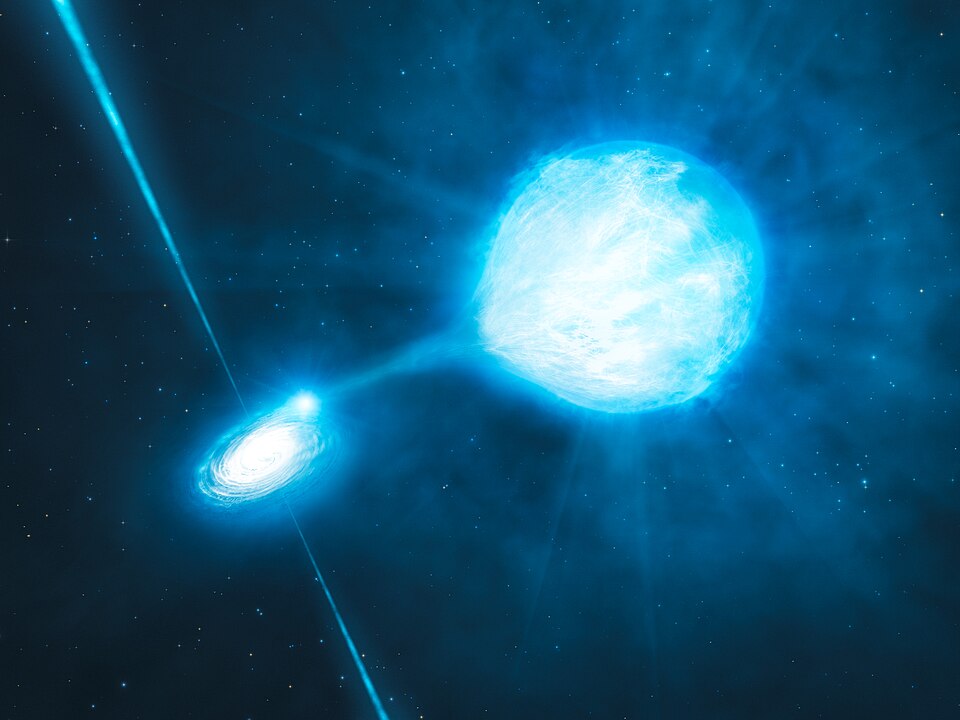
Three sulfur-rich clasts in Bennu’s samples have very high abundances of presolar silicates, to 122 ppm, coupled with nitrogen-rich organic matter. Their preservation indicates minimal aqueous alteration relative to Bennu’s bulk lithology. Mineralogical investigations showed the presence of crystalline forsterite and compound spinel–hibonite grains that formed via equilibrium condensation in stellar outflows. These clasts may compose the most primitive CI-like material characterized to date, and could have accreted from the disk interior enriched in comet-like organics and stardust.
6. Engineering the OSIRIS-REx Sample Return
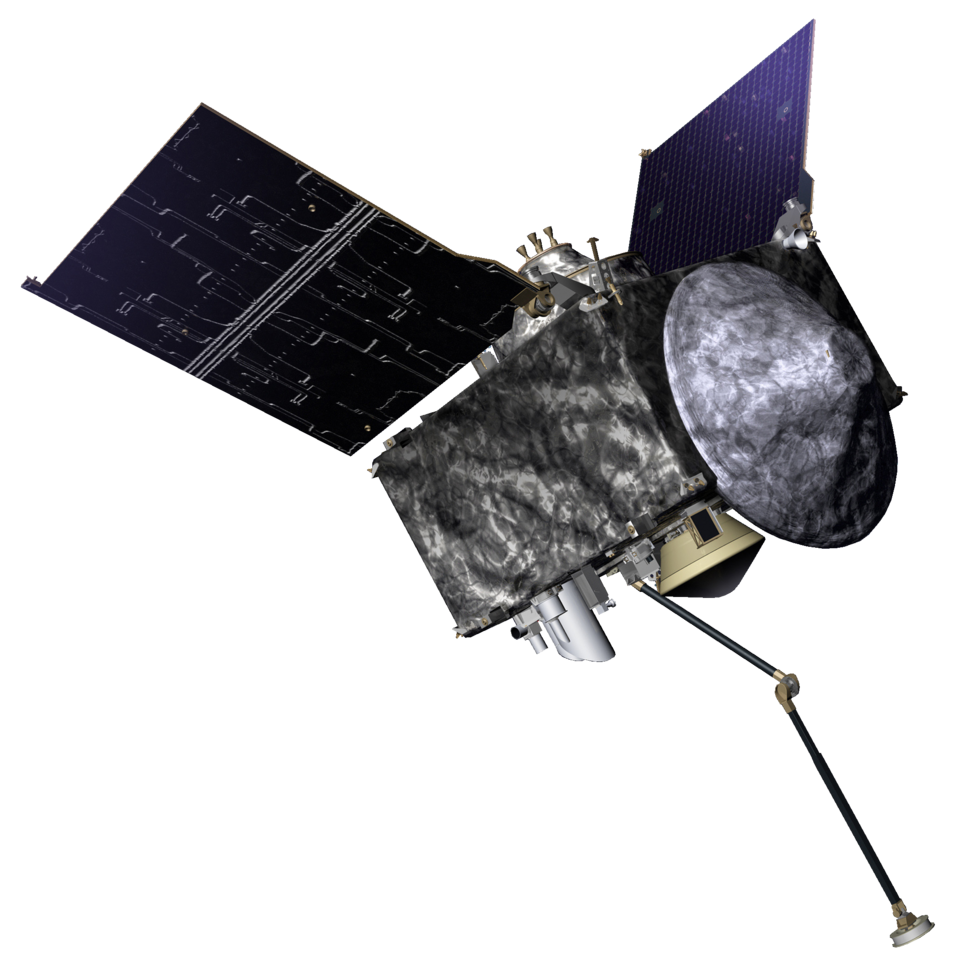
The OSIRIS-REx spacecraft launched in 2016, executed a touch-and-go maneuver on Bennu in 2020, and returned 121.6 g of regolith to Earth in 2023. The samples were curated under high-purity nitrogen at NASA’s Johnson Space Center to preserve volatile and fragile compounds. Precision navigation, developed by Goddard Space Flight Center and KinetX Aerospace, enabled the mission to collect material from the scientifically rich site on Bennu’s surface.
7. OSIRIS-APEX and Planetary Defense
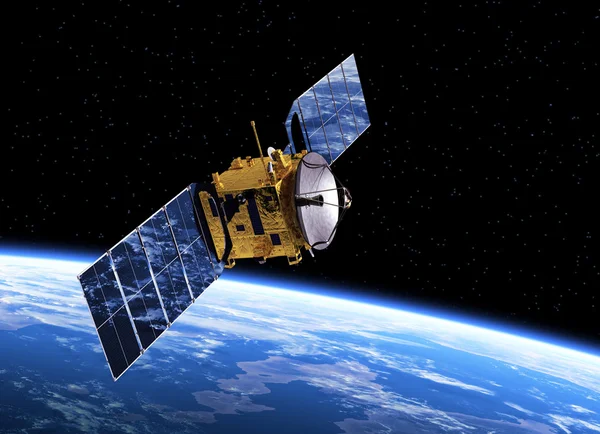
The spacecraft, now renamed OSIRIS-APEX in 2023, is en route to Apophis, a near-Earth asteroid once feared to pose an impact threat. In 2029, two months after Apophis passes within 20,000 miles of Earth, OSIRIS-APEX will spend 18 months mapping its surface and analyzing its chemistry. This will improve models of asteroid composition, structure, and response to possible deflection techniques, refining planetary defense strategies.
The combination of Bennu’s sugars, space gum, and supernova stardust with its status as an asteroid reinforces this role as a molecular record keeper of the early solar system. These findings bridge insights from astrophysics, geochemistry, and astrobiology, showing how interstellar materials, aqueous chemistry, and complex organics intertwined long before life emerged on Earth.


