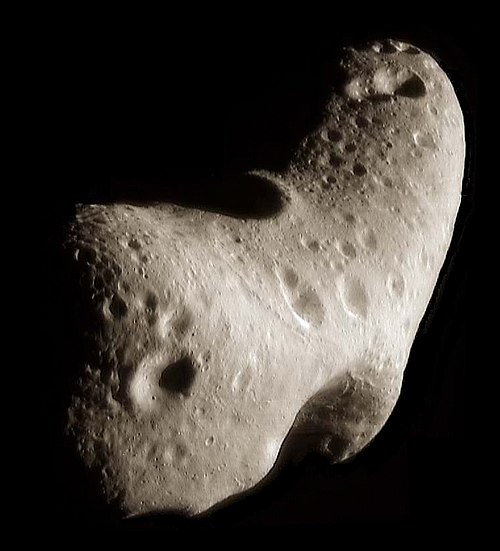
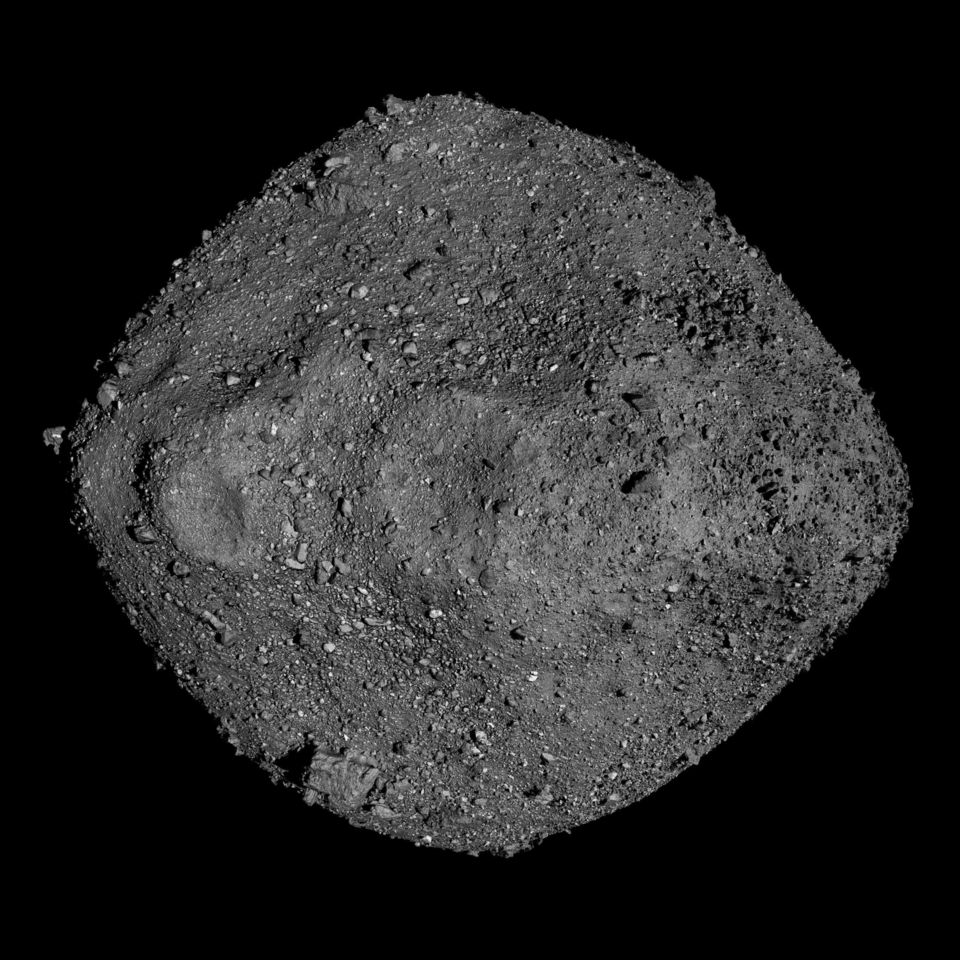
“In the vacuum of space, about 200 million miles from Earth, a small, carbon-rich asteroid has yielded a treasure trove of molecular secrets-molecules that may have helped spark life itself. Samples returned from asteroid Bennu by NASA’s OSIRIS-REx mission contain not only sugars essential for biology but also a strange, pliable polymeric substance scientists have dubbed “space gum” and an unexpectedly high abundance of presolar grains forged in ancient supernovae. Together, these findings are rewriting our understanding of the early solar system’s chemistry and the cosmic delivery of life’s building blocks.
1. Engineering the First U.S. Asteroid Sample Return
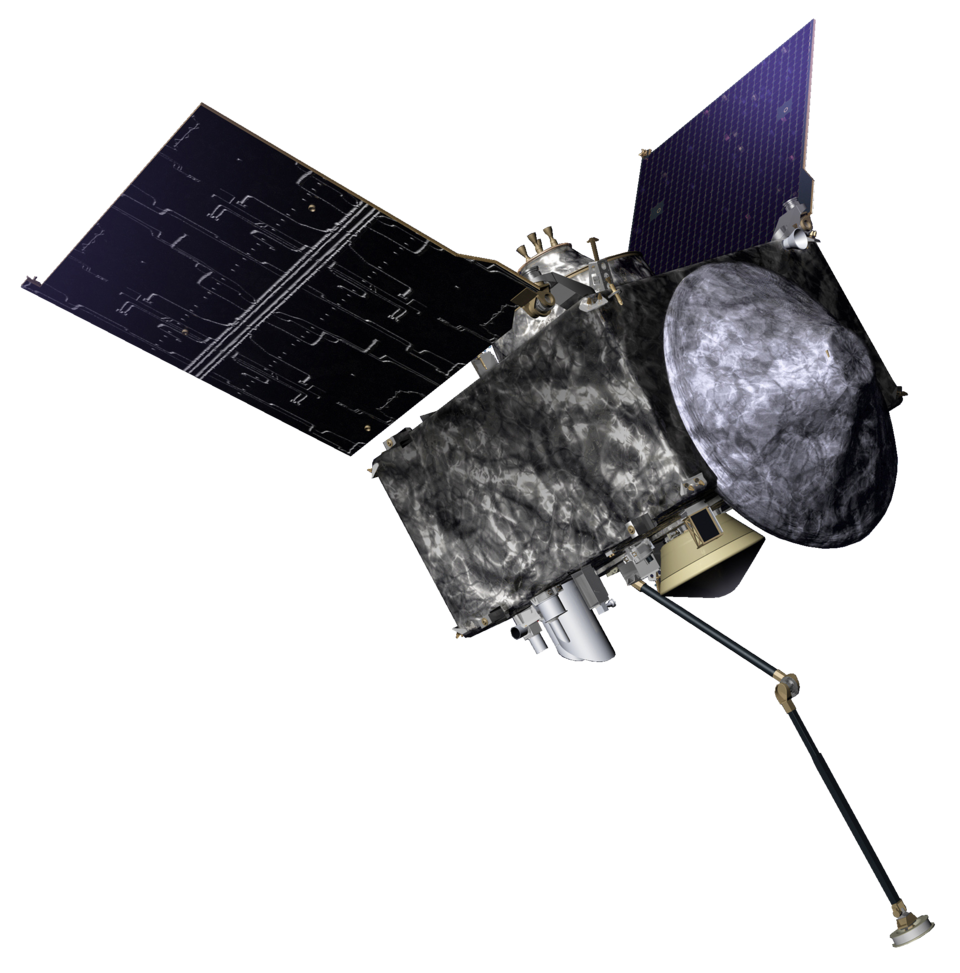
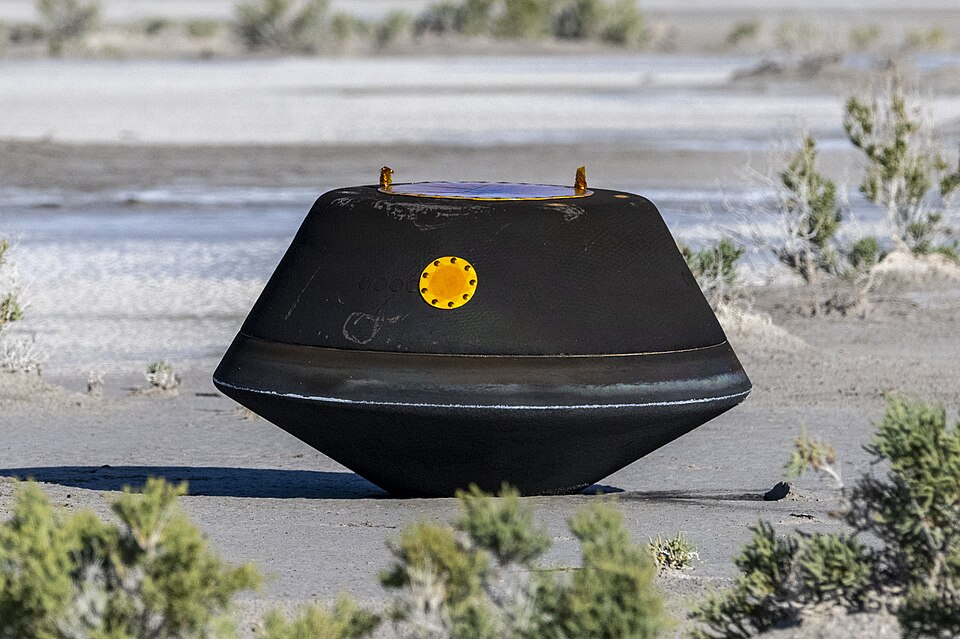
The OSIRIS-REx spacecraft launched in 2016, carrying the Touch-and-Go Sample Acquisition Mechanism, a precision-engineered arm built to deploy a burst of nitrogen gas into Bennu’s surface to stir and capture regolith. It touched space rock for mere seconds in October 2020, but the ability of the system to trap and seal material inside a contamination-controlled head ensured the delivery of 121.6 grams of pristine asteroid matter to Earth in September 2023. Samples were curated under high-purity nitrogen at NASA’s Johnson Space Center, preserving reactive organic phases that would have degraded in meteorites during atmospheric entry.
2. Sugars from the Dawn of the Solar System
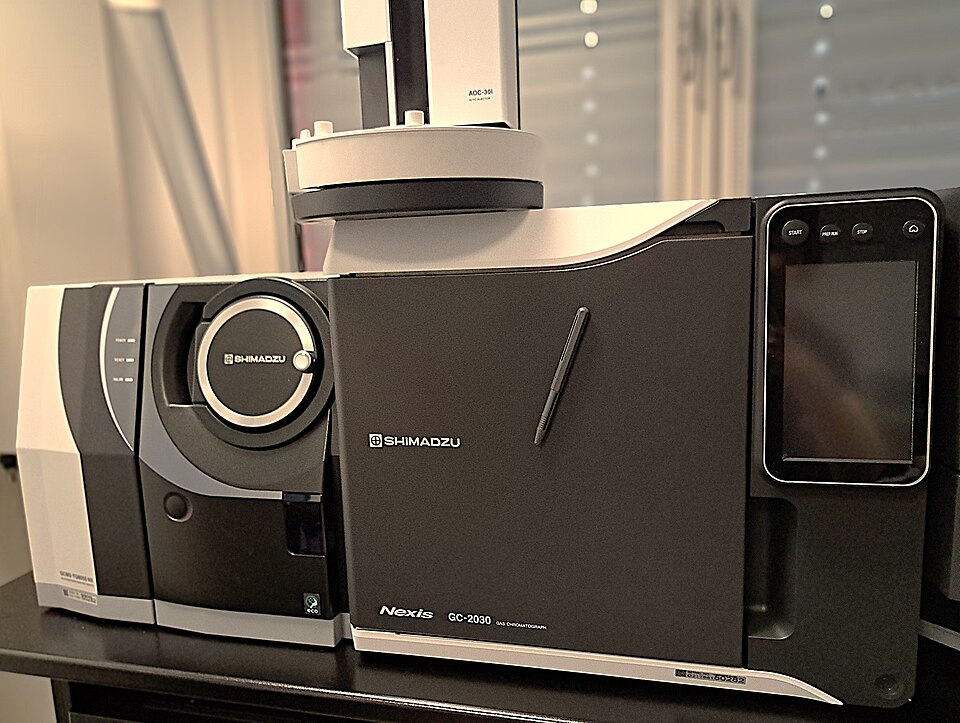
Analyses revealed ribose-a five-carbon sugar integral to RNA-and, for the first time in extraterrestrial material, glucose, a six-carbon sugar central to energy metabolism in life on Earth. The abundances, for example, 0.35 ± 0.05 nmol/g for glucose, were measured by gas chromatography–mass spectrometry under stringent clean-lab conditions. The alkaline pH of Bennu’s parent body (pH 8.23) and the presence of calcium- and magnesium-rich carbonates suggest that these sugars likely formed through the formose reaction during aqueous alteration, catalyzed by divalent cations. The absence of 2-deoxyribose suggests that more reactive sugars were consumed in further reactions, supporting scenarios such as the”RNA world” hypothesis for early life.
3. The Mystery of “Space Gum”
The most unexpected discoveries were the presence of a translucent, lamellar organic material with the texture of used chewing gum. High-resolution infrared and synchrotron X-ray microscopy revealed a nitrogen and oxygen-rich composition, including functional groups such as amine, amide, and N-heterocycle. This polymeric phase probably formed by the interaction of frozen ammonia and carbon dioxide at cryogenic temperatures, producing ammonium carbamate, which then polymerized before liquid water appeared. Its insoluble nature in water preserved it through later episodes of aqueous alteration, even while carbonate crystals became embedded in its layers. Such polymers can be precursors of peptides and nucleobases and may thus become chemically relevant to prebiotic evolution.
4. Microscopic Architecture of a Prebiotic Polymer
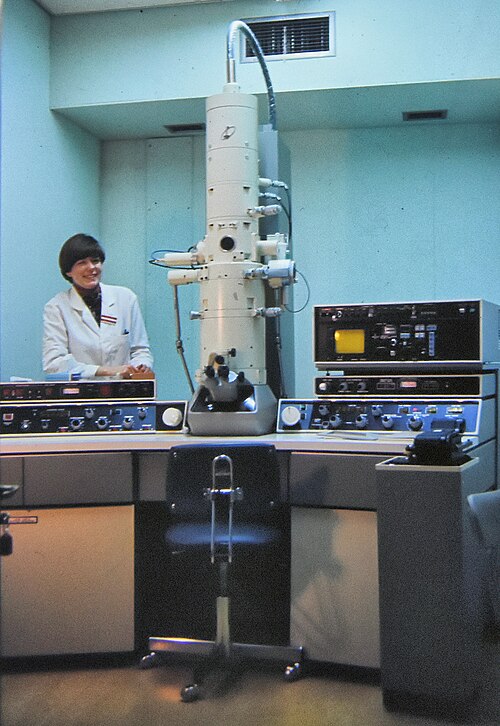
Focused ion beam sectioning and 3D electron microscopy showed that discrete “space gum” particles, like Particle 33, although only ~2 μm thick, were made up of numerous C–N–O-rich sheets interlayering carbonate inclusions. The –CH₂/–CH₃ ratios reach up to 5.5, indicating long, unbranched carbon chains. Such –CH₂/–CH₃ ratios are unlike those measured in most meteorite organics. These structural and compositional features are indicative of localized chemical condition spossibly excess ammonia relative to CO₂ in the angular boulder lithology of Bennu that favored polymerization.
5. Stardust Older than the Sun
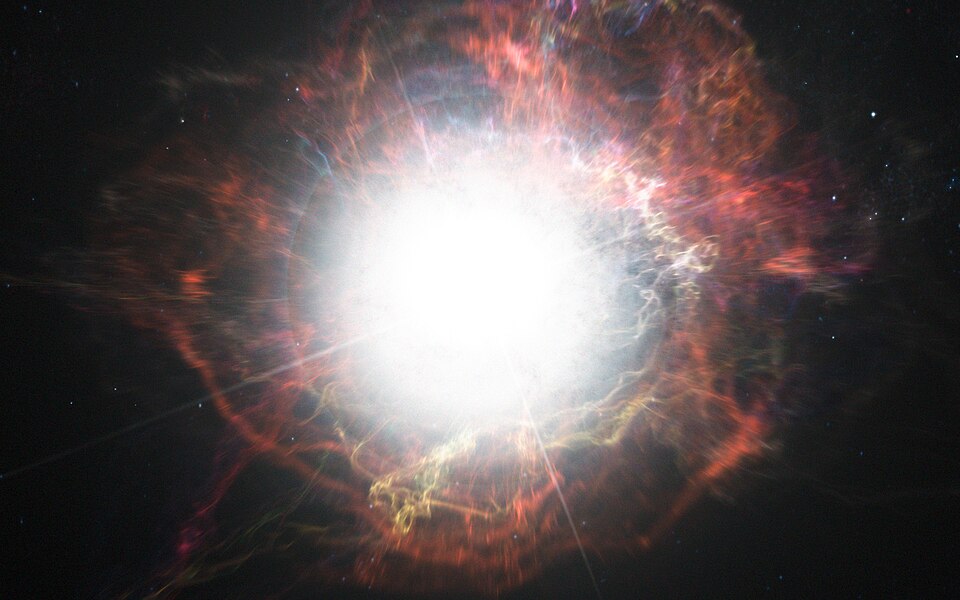
The Bennu samples were rich in presolar grains, microscopic minerals predating the solar system, and contained as much as sixfold enrichment in supernova-derived SiC relative to average chondrites. High-resolution isotopic mapping identified both C-rich grains (SiC, graphite) and O-rich silicates, including some pristine crystalline forsterite and spinel–hibonite assemblages condensed in stellar outflows. The survival of such delicate grains suggests that parts of Bennu’s parent body never experienced extensive alteration and preserved materials from the outer protoplanetary disk where supernova dust was heterogeneously mixed.
6. Less-Altered Clasts: Time Capsules in Rock
Science teams found S-rich clasts in the hummocky lithology of Bennu that had O-rich presolar grain abundances as high as 122 ppm, rivalling the most primitive carbonaceous chondrites. These clasts also hosted N-rich organics and anhydrous silicates, indicating that they accreted from a reservoir with comet-like characteristics. Their preservation offers a glimpse of the starting materials that built the protolith of Bennu before aqueous alteration reshaped much of the asteroid.
7. Chemical Pathways to Life’s Ingredients
Coexistence of amino acids, nucleobases, sugars, and polymeric N-rich organics in Bennu’s regolith emphasizes the role of small bodies as chemical reactors. Sugars can be produced in alkaline fluids, from aldehydes and ammonia; carbamate polymerization, at low temperatures, may yield amine and amide-rich macromolecules. Detection of 14 amino acids and all five nucleobases within the same samples reinforces the case for delivery from an asteroid of a complete prebiotic toolkit to early Earth.
8. From Bennu to Planetary Defense
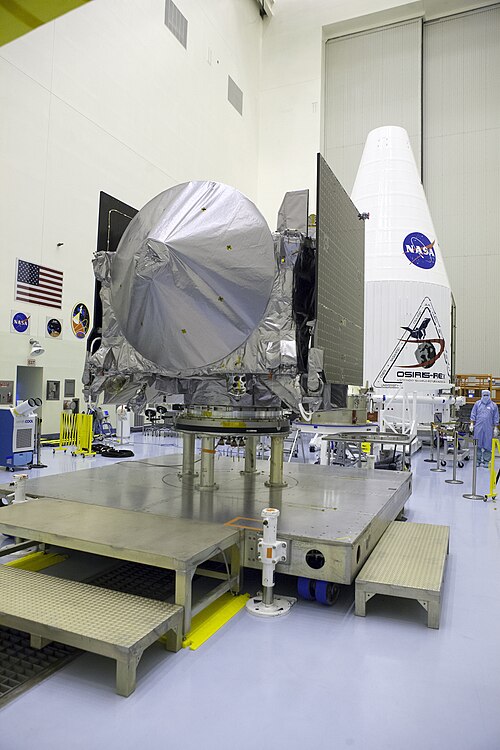
Following its sample delivery, OSIRIS-REx was renamed OSIRIS-APEX and was retargeted to rendezvous with asteroid Apophis in 2029. The mission will chart Apophis’s surface and chemistry for 18 months, informing planetary defense strategies by improving models of asteroid composition, structure, and behavior during close Earth approaches.
These Bennu samples-untouched by Earth’s biosphere-represent a rare and complex record of chemical evolution from interstellar space to planetary surfaces. In their layered polymers, fragile stardust, and extraterrestrial sugars, researchers are finding the molecular echoes of events that pre-date our Sun-echoes which may have set the stage for life on our world.”


