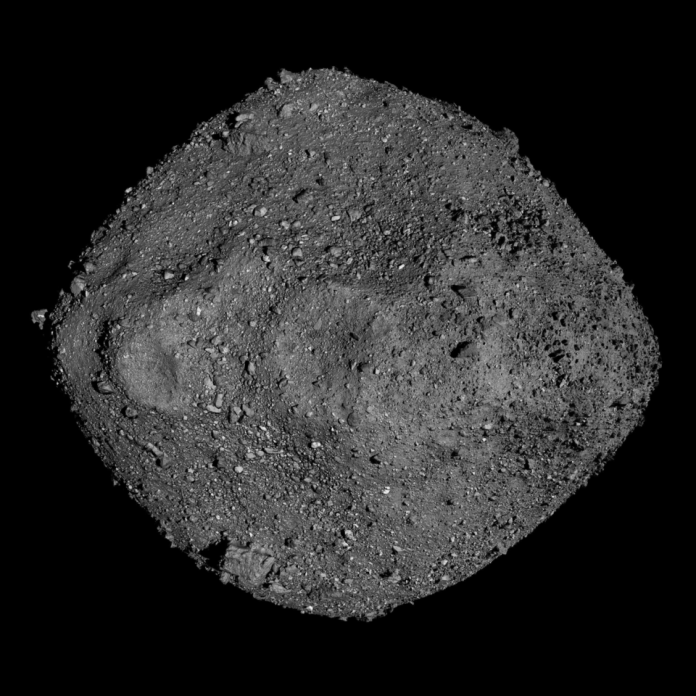
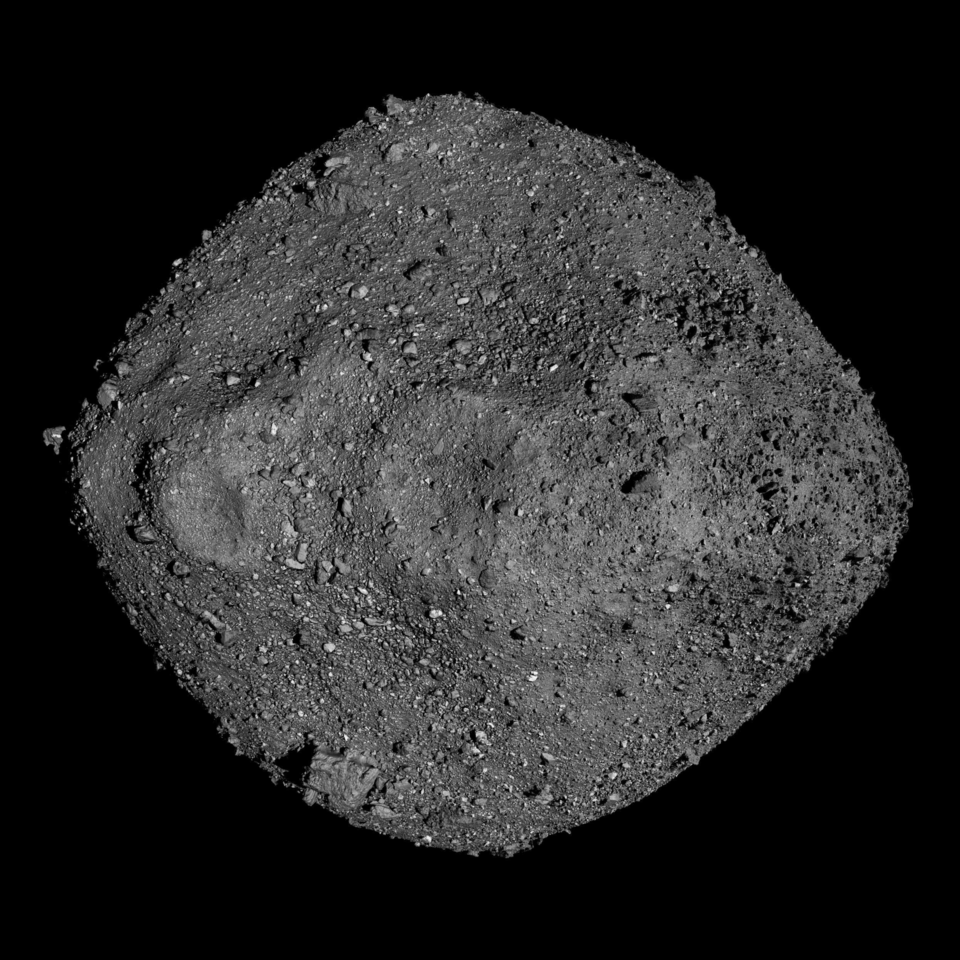
Could ancient asteroids have spread the seeds of life through the solar system? The latest revelations from NASA’s OSIRIS‑REx samples of asteroid Bennu yielded an impressive cache of findings in the form of bio‑essential sugars, complex nitrogen‑rich polymers, and a chemical environment primed for prebiotic chemistry. This gives unprecedented insight into just how the molecular building blocks of life could have been put together in space.

1. Ribose and Glucose: Sugars at the Heart of Biology
In this breakthrough for astrobiology, scientists identified five‑carbon ribose and six‑carbon glucose in the regolith of Bennu, the first extraterrestrial detection of glucose, confirming the presence of ribose in a pristine asteroid sample. Ribose is part of RNA’s sugar‑phosphate backbone, providing this molecule with the ability for carrying genetic information and acting as a catalyst. “The new discovery of ribose means that all of the components to form the molecule RNA are present in Bennu,” said Yoshihiro Furukawa of Tohoku University. Glucose is a universal energy source in terrestrial life and suggests that such metabolic precursors would have been available in the early Solar System.
2. Pathways of Formation in the Early Solar System
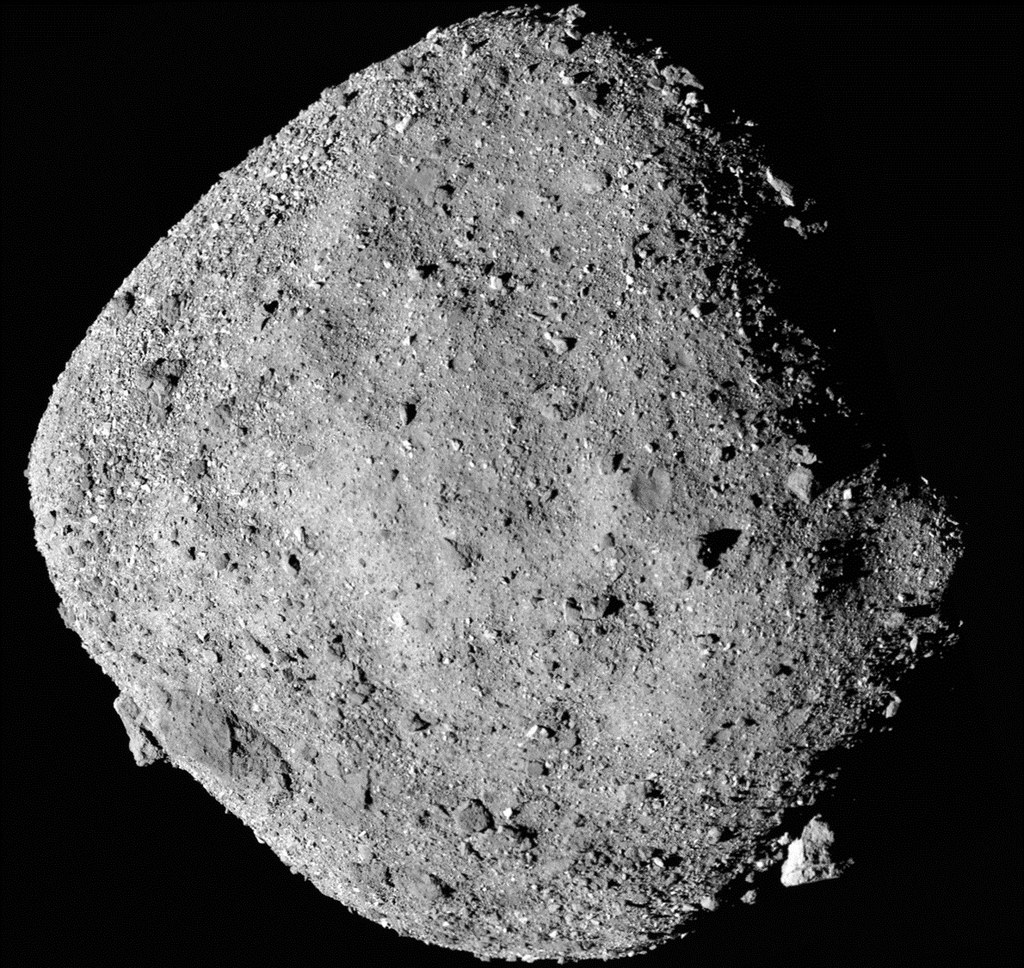
Laboratory experiments and the mineralogical context of Bennu indicate that formose-type reactions, such as the polymerization of formaldehyde catalyzed by alkaline fluids and divalent cations like Ca²⁺ and Mg²⁺, represent plausible pathways of sugar synthesis in the parent body of Bennu. Estimated alkaline pH values of 8.23 and the presence of carbonate veins in the boulders of Bennu are matched under conditions favorable for the formation of ribose. The absence of 2-deoxyribose suggests, by means of the RNA-world hypothesis, a greater stability and more abundant early aqueous environments for ribose.
3. Nitrogen‑ and Oxygen‑Rich “Space Gum”
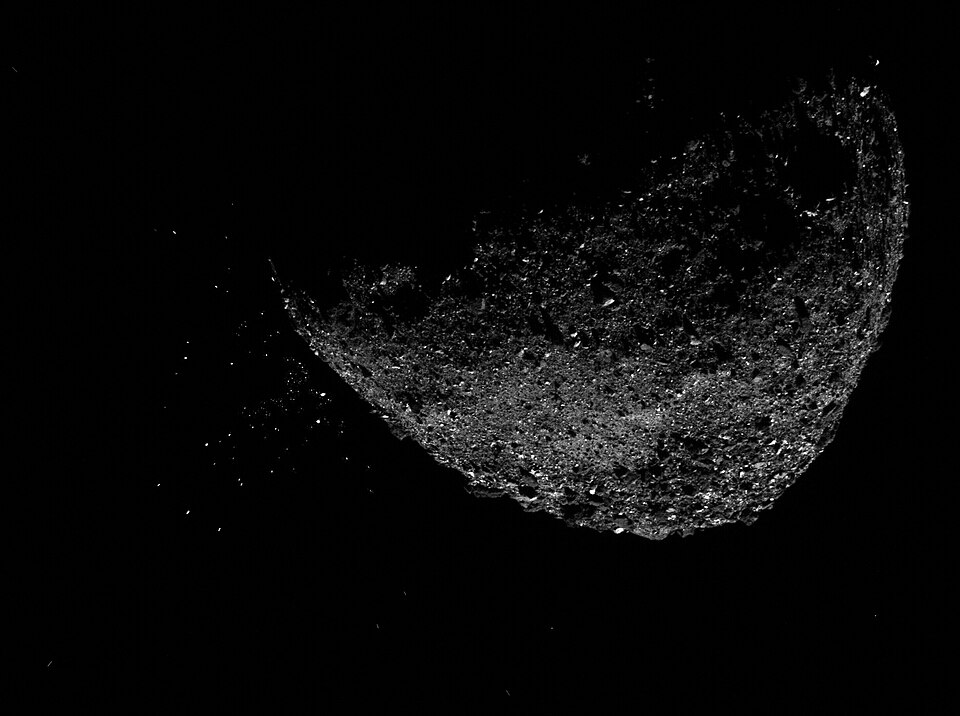
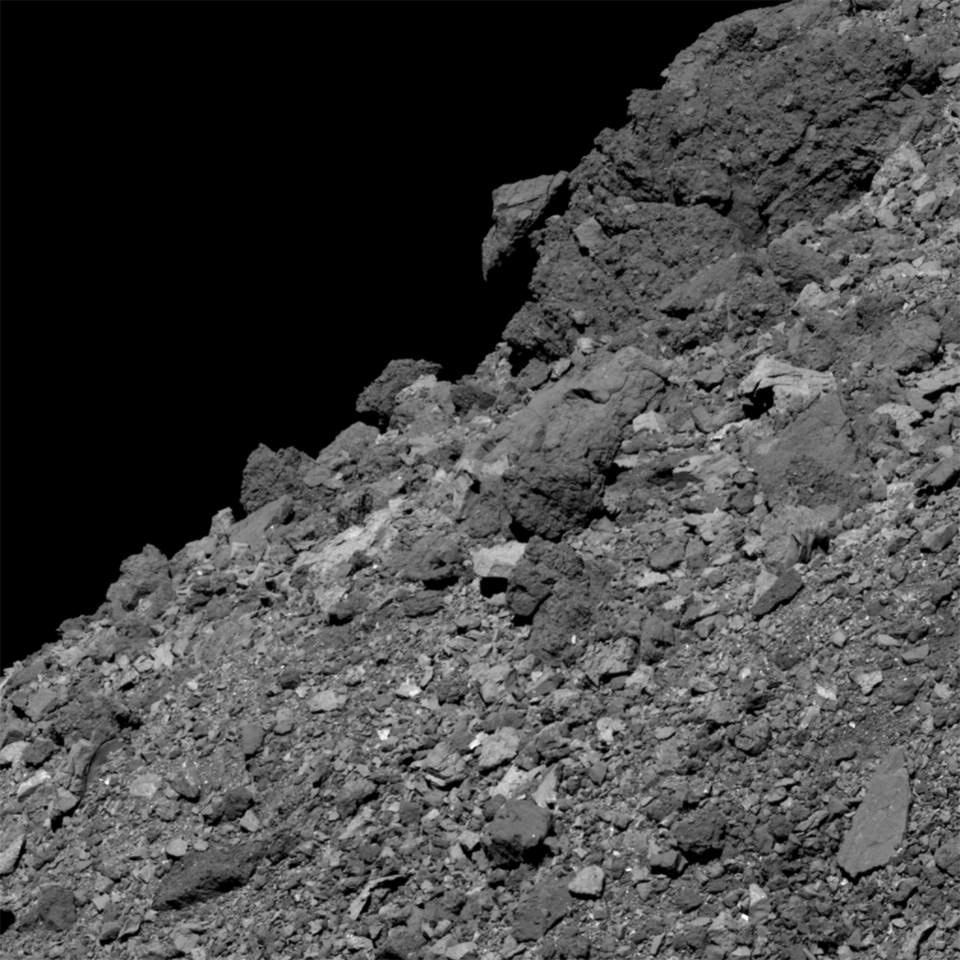
A new type of gum‑like material was extracted from Bennu’s angular lithology, an amorphous polymer with exceptional N and O enrichment (C:N:O ratios up to 3:1:1). This flexible, layered material probably originated through the polymerization of ammonium carbamate prior to the melting of water ice and created amine and amide bonds, similar to those in peptides and nucleobases. Its water‑insoluble nature and inclusion of embedded carbonates are indicative of a multistage history involving low‑temperature polymerization, followed by aqueous alteration.
4. Contamination Control and Analytical Precision
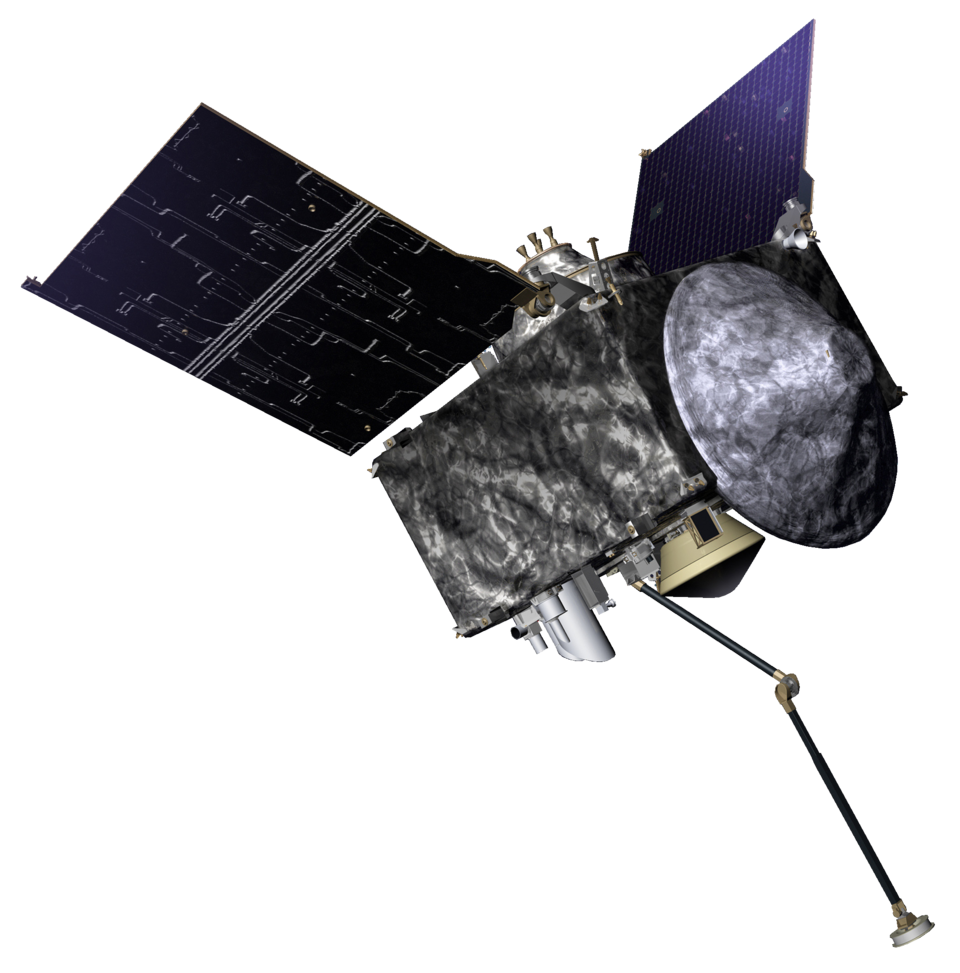
The sample‑return architecture of OSIRIS‑REx kept the organics of Bennu pristine. Samples were curated under high‑purity nitrogen, with ISO Class‑5 clean bench processing and procedural blanks confirming zero sugar contamination. Chiral amino acid analyses confirmed racemic mixtures, negating terrestrial biological input. This kind of careful contamination control enabled the detection of trace‑level sugars against complex organic matrices at sub‑nanomole per gram levels.
5. Amino Acids, Nucleobases, and Volatile Chemistry
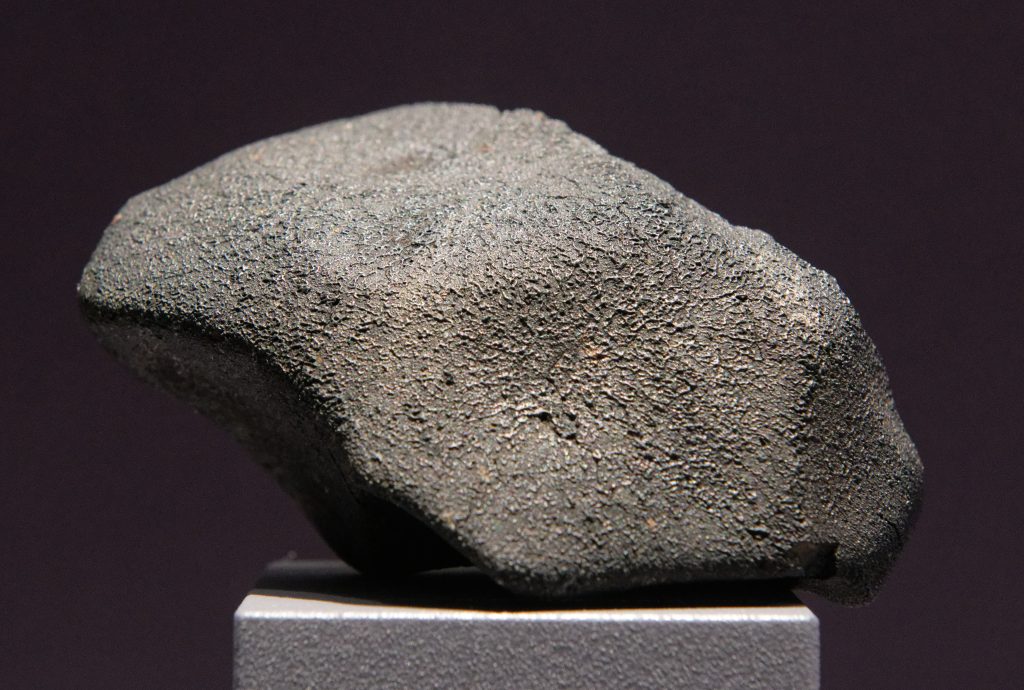
Besides sugars, Bennu’s regolith is rich in 14 of the 20 proteinogenic amino acids, 19 non‑protein amino acids, all five canonical nucleobases, ammonia, formaldehyde, and diverse carboxylic acids. The remarkable abundance of ammonia 12× that of Murchison meteorite could have supported brine chemistry at cryogenic temperatures down to the NH₃–H₂O eutectic at 176 K, extending organic synthesis well past the time when radionuclide heating became inefficient. This scenario is consistent with models for outer solar system accretion.
6. Isotopic Signatures of Extraterrestrial Origin
The sugar and organic compositions are highly enriched in heavy carbon (¹³C) and nitrogen (¹⁵N) relative to terrestrial ranges according to stable isotope analyses. Notably, the N‑rich polymer’s δ¹⁵N value of −28‰ contrasts with the positive δ¹⁵N seen in soluble organics, indicating distinct formation chemistry possibly as kinetic fractionation at cryogenic temperatures. These isotopic fingerprints confirm an origin in astrophysical environments rather than Earth.
7. Geological Context and Parent Body Evolution
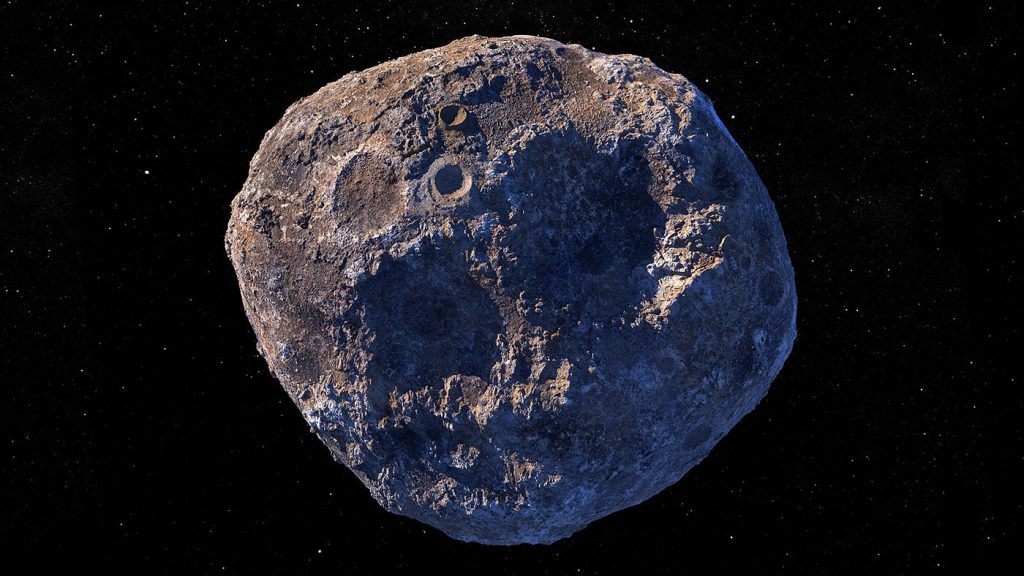
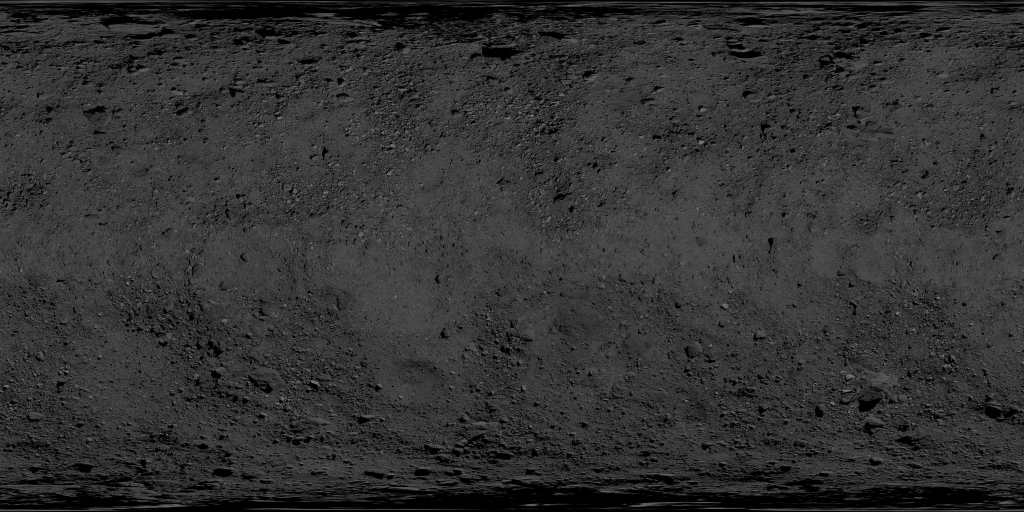
Extensive aqueous alteration is recorded in Bennu’s mineralogy-phyllosilicates, carbonates, sulfides-yet there are preserved pockets of less-altered material that is rich in presolar grains. The peculiar chemistry that makes up the angular lithology, including “space gum,” implies the existence of localized NH₃-rich zones in the parent body. Evaporite deposition occurred sequentially: calcite → phosphates → halides, recording the evolution of brine chemistry over millions of years that influenced organic synthesis pathways.
8. Implications for Astrobiology
The presence of ribose, glucose, amino acids, nucleobases, and complex N-rich polymers in Bennu’s pristine samples demonstrates that asteroids can deliver a complete suite of prebiotic building blocks. The structural diversity of such molecules, along with appropriate geochemical conditions, underlines the conclusion that asteroid-borne organics provided a significant contribution to Earth’s early molecular inventory-and possibly to analogous processes elsewhere.
Molecular detections coupled with geological and isotopic context, samples from Bennu present an environment with chemical richness in a state of dynamic evolution, capable of assembling foundational molecules of life well before Earth’s biosphere arose.


