Could one country’s strategic calculus plunge an entire region into uncontrollable war? The Middle East at the end of 2025 stands on the brink of just such a precipice: nuclear opacity, proxy warfare, and maritime brinksmanship blend in a volatile mix under the leadership of Iran. Underpinning this confluence of factors is Tehran’s growing confidence that it can survive – and even win – a multi‑front confrontation.
It is informed by the perception that its rivals are distracted or otherwise constrained-Washington over-stretched, Israel politically and militarily limited, and Europe absorbed in Ukraine and its own internal crises-and hence that Tehran can safely maximize its influence through hardened nuclear sites, resilient proxy networks, and coercive control over critical maritime chokepoints. The stakes are global: if escalation tips into war, energy markets, alliance cohesion, and great‑power competition might well be destabilized.
1. Nuclear Opacity and the Collapse of Oversight
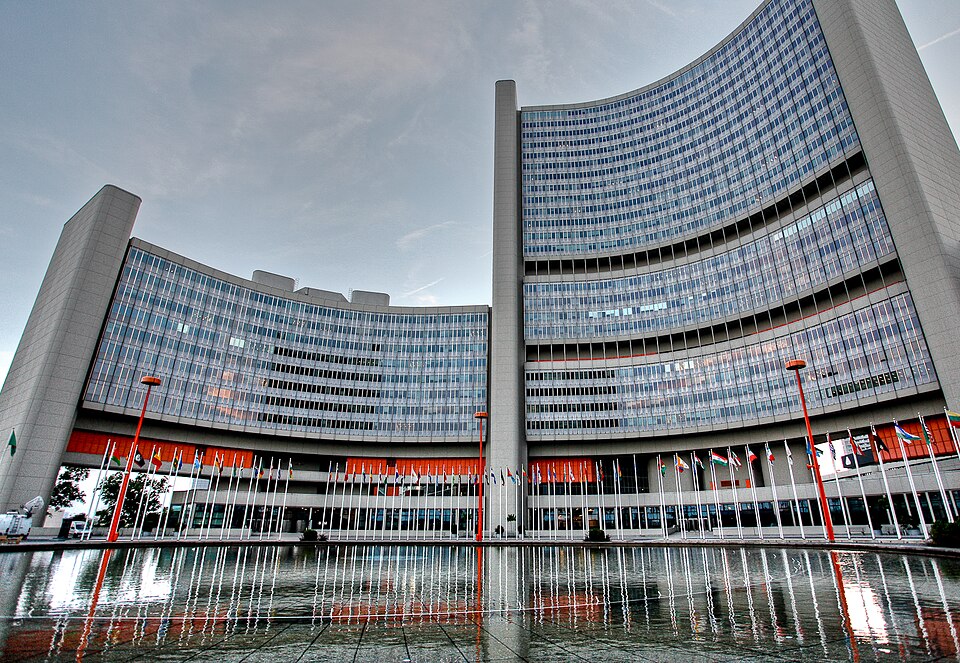
The result of Iran’s denial of access for the IAEA to bombed nuclear sites has created an intelligence vacuum. Those facilities destroyed at Fordow, Natanz, and Esfahan during the June strikes left debris untouched-a sign of no immediate reconstitution but also one of no transparency either. Satellite imagery now shows that protective barriers reinforce the entrances now at the northern portal of the tunnel complex at Esfahan, complicating physical access and potential cruise missile targeting. Large amounts of enriched uranium, including some 440 kgs of 60% HEU, remain unverified and are assumed to exist. The risk of miscalculation rises sharply.
2. Pickaxe Mountain: Iran’s Underground Bet
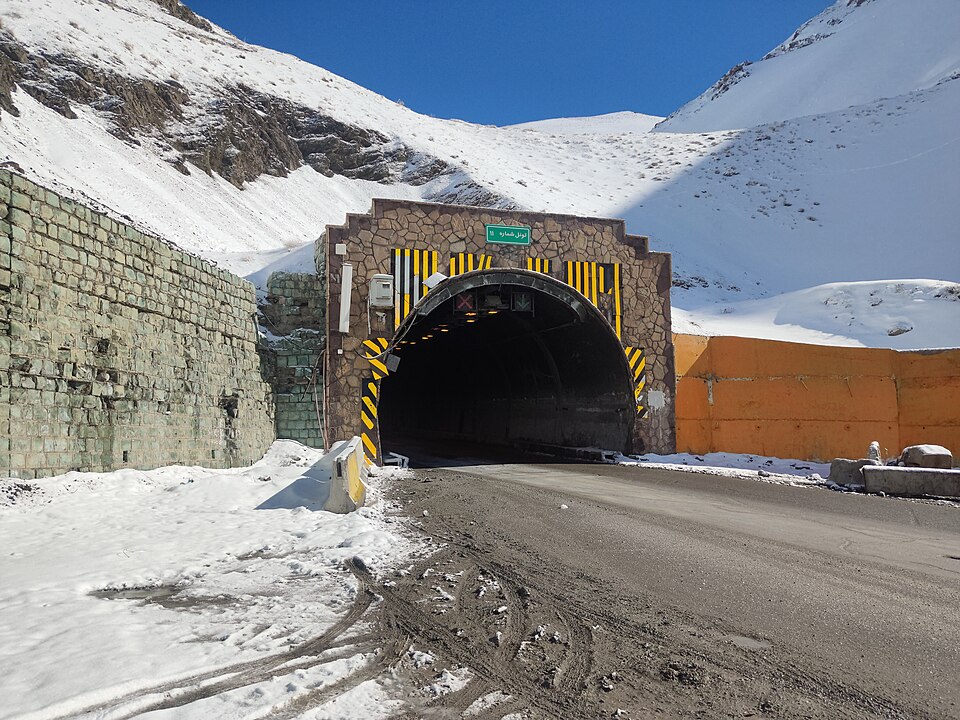
The pace of construction at the complex near Natanz, Pickaxe Mountain, accelerated months after the June attacks. Initially declared as a centrifuge assembly site, the tunneling went deeper, as did the security perimeters-mostly shifting sensitive enrichment or metallurgy activities underground. Joseph Rodgers, a CSIS researcher, pointed to fortified, curved tunnel entrances meant to deflect blast waves-a protection against penetrating munitions. It could be an undeclared enrichment facility, or it could stay within declared limits, but its hardened design is an indication of Tehran’s will to protect its nuclear capabilities against future attacks.
3. Proxy Networks Resilient on Multiple Fronts
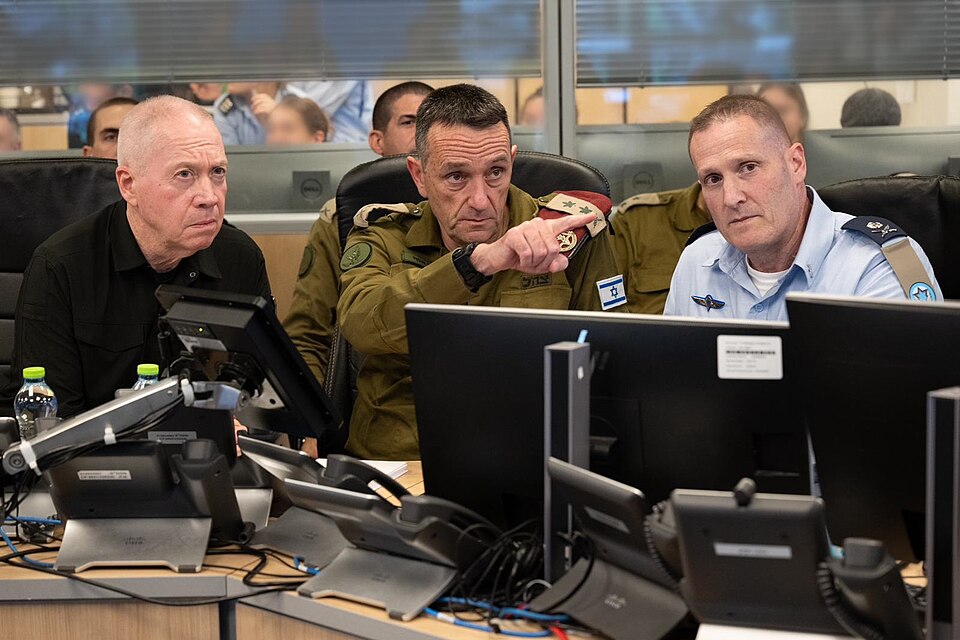
But amidst battlefield reversals, the Iran proxies in Lebanon, Gaza, Iraq, Syria, and Yemen have pivoted: Hamas has reasserted control over vacated areas in Gaza, Hezbollah is rebuilding infrastructure in southern Lebanon, Iraqi Shia militias pressure the political system, and Houthis mobilize under anti‑Western banners. This multi-front posture is designed to stretch adversaries’ decision-making cycles, create ambiguity as to Tehran’s direct role, and maintain pressure without inviting direct retaliation on Iranian soil.
4. The Strait of Hormuz as a Strategic Lever
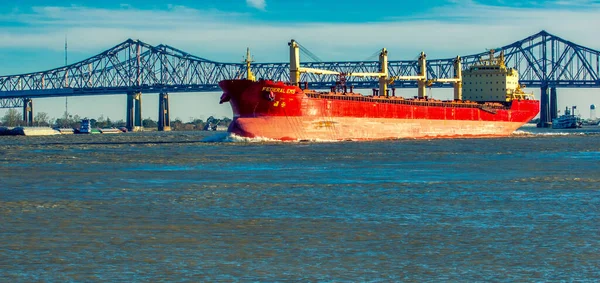
By 2024, the Strait of Hormuz remains a key chokepoint through which nearly 27 percent of global maritime oil trade-more than 20 million barrels of oil per day-transits. Iranian threats to close the waterway, though those threats did not materialize in the June conflict, underlined its leverage over energy markets. Closure would spike oil prices to $120 a barrel, disrupt liquefied natural gas flows from Qatar and the United Arab Emirates, and test the limits of strategic reserves. The U.S. naval forces maintain mine countermeasure capabilities, but any sustained disruption to that Strait would cause unprecedented global economic consequences.
5. Axis of Resistance Under Strain
Those that compose Iran’s so-called Axis of Resistance-the military wing of Hamas degraded in Gaza, Hezbollah’s combat capacity reduced in Lebanon, and the collapse of the Assad regime severing Iranian access in Syria-have all suffered severe defeats. These have combined to reduce significantly Tehran’s capability to project force and coordinate across the Levant. Unless checked by continued external pressure, Iran will likely rebuild, possibly with Chinese, North Korean, and Russian support.

6. Information Warfare Integration
This integration of cyber operations with kinetic planning has been honed in Tehran. State-controlled media, cyber units, and proxy disinformation networks stand ready to ignite in the first hours of conflict with the aim of fracturing the Western publics and complicating coherent decision-making. This is a capability which reaches well beyond the Middle East, increasing the prospect of infrastructure disruption across both Europe and North America in conjunction with any regional conflict.
7. Maritime Coercion and Seizure Operations
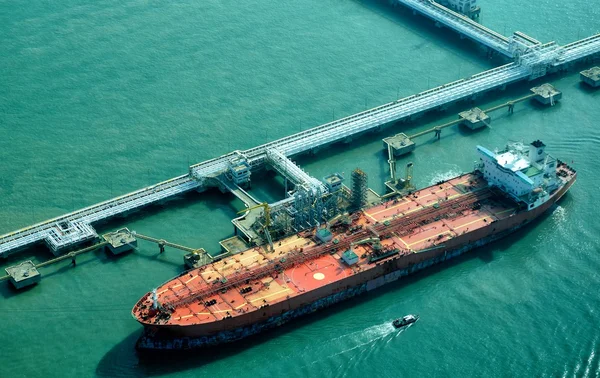
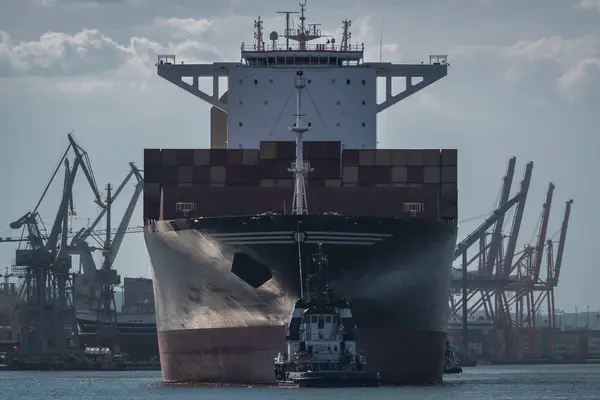
The mid-2025 seizure by Iran of an oil tanker in the Strait of Hormuz epitomizes its use of maritime coercion as a means to signal resolve and test adversary responses. Such actions represent at one and the same time tactical leverage and strategic messaging, reinforcing Tehran’s claim to oversee Gulf transit and reminding global markets of its capacity to disrupt shipping.
8. Dynamics of Regional Nuclear Hedging
The high latency nuclear status of Iran has triggered hedging among regional rivals, especially Saudi Arabia. The persistence of Riyadh in seeking indigenous enrichment capability and investing in uranium mining, and its resistance to U.S. ‘gold standard’ restrictions, are indicative of a long‑term approach toward offsetting Iranian capabilities. The result is an emerging ‘latency race’ that adds instability to the regional nuclear order and complicates any framework for irreversible disarmament.
9. Strategic Surprise Risks
This conviction sets up a perilous environment of possible miscalculation. The next war with Israel would also be wider and quicker, with U.S. forces in the Gulf in the crosshairs, unprecedented missile and drone barrages, and the Strait of Hormuz at risk. Spillover effects would reach global supply chains, inflation, and alliance cohesion, offering opportunities for Russia and China to exploit Western distraction. Iran’s current course now integrates hardened nuclear infrastructure with adaptive proxy warfare and coercive control over vital maritime routes into a volatile strategic mix.
At the same time, it is the degradation of its regional allies that has not tempered Tehran’s ambitions but incentivized investment in survivable capabilities and asymmetric tools. If anything, this is the unmistakable policy imperative-to restore transparency, deterrence, and engage regional actors in sustained security frameworks well ahead of the flashing warning lights becoming the multi-front war reality for the policymakers and strategists


