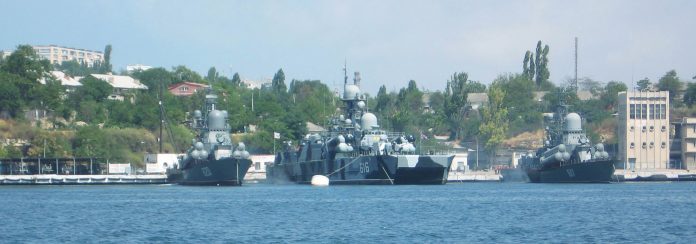
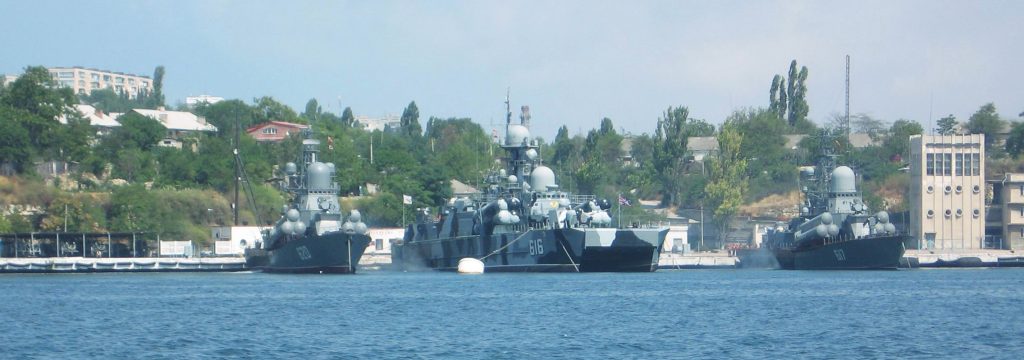
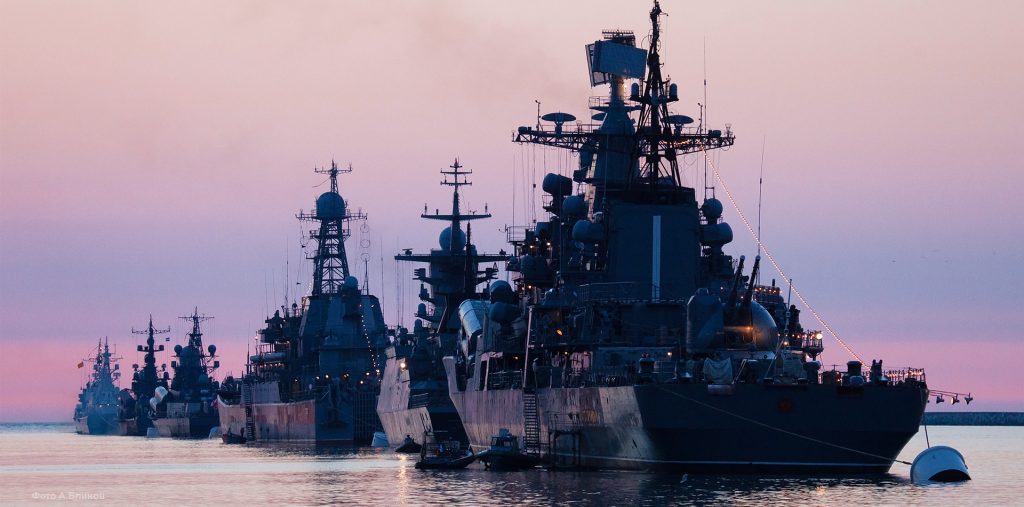
“No military service participating in the war in Ukraine has been as soundly humiliated as Russia’s Black Sea Fleet.” That blunt assessment from defense analyst Isaac Seitz captures the paradox at the heart of the Black Sea campaign: a fleet battered by Ukrainian ingenuity yet still capable of projecting lethal force. To students of modern naval warfare, the story of this fleet is less about simple decline than about adaptation under fire.
From the sinking of the Moskva to unmanned surface vessels as decisive tools, the Black Sea has become a proving ground for asymmetric maritime tactics. The impossibility of Ukraine’s having a conventional navy propelled innovation, and setbacks have propelled Russia into countermeasures and technological shifts. The contest has now become an interplay involving strike capabilities, coastal defense, drone warfare, and strategic geography.
This listicle distills nine key takeaways from the fight, based on reports from the battlefield, expert panels, and technology assessments. Taken together, they paint a granular picture of just how the Black Sea Fleet has been bloodied, adapted, and remains a central factor in the wider war.
1. The Sinking of Moskva and Its Strategic Shock
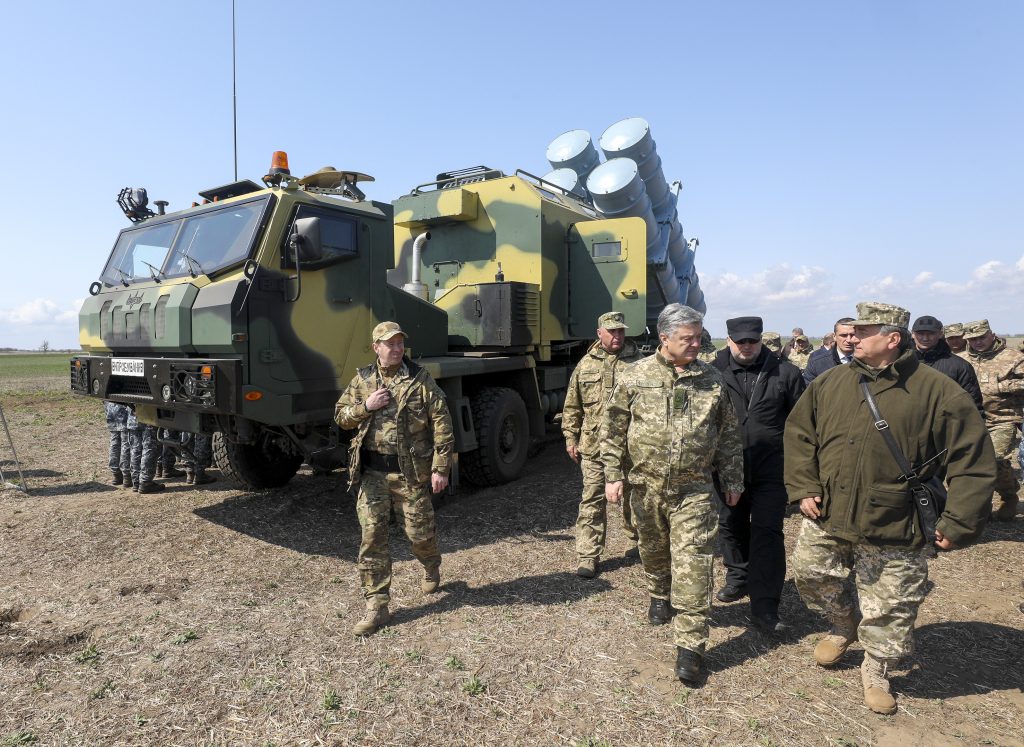
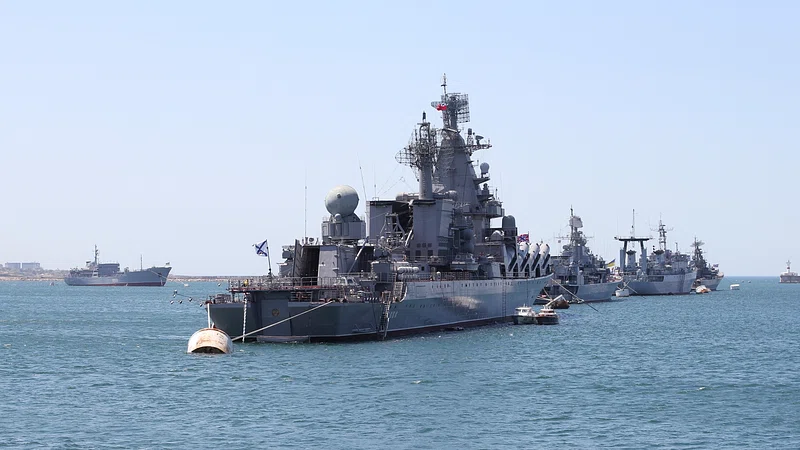
The April 2022 destruction of the Atlant‑class cruiser Moskva by two Neptune anti‑ship missiles was more than a battlefield victory a strategic shock. The flagship, until then considered a proficient air‑defense platform, failed to make effective use of its surface‑to‑air missiles and close‑in weapon systems. The weather was good enough to enable Ukraine to detect and target the ship, with confirmation from the U.S. of the radar track requested before the strike. The first wartime use of Neptune drove home a critical lesson: never underestimate an opponent’s readiness for operational employment.
Although the loss of Moskva had removed a key air defense asset from Russia’s order of battle, it did not cripple its missile-launch capacity. The Kalibr cruise missile salvos continued from other vessels, but the psychological impact was profound-forcing Russia to reassess its vulnerability to shore-based missile systems.
2. Ukraine’s Asymmetric Naval Campaign
Without a large conventional navy, Ukraine developed an elaborate web of contractors, operators, and technicians which designed and deployed small USVs and aerial drones. Informed by NATO intelligence and satellite imagery, that network successfully conducted strikes against Russian assets in Sevastopol and beyond. From 2022 to 2024, Ukraine claimed hits on at least 20 vessels, forcing Russia to transfer key units from Crimea to Rostov and Novorossiysk.
These operations showcased that sea denial in a confined theater could indeed be achieved with coordinated attacks by drones and missiles. In that respect, Rear Admiral Mike Mattis highlights the fact that the integration of unmanned systems with conventional and special operations forces imposed high costs on Russia but did so at relatively low risk to Ukraine’s personnel.
3. The Grain Corridor and Sea Denial
Control of the Black Sea is inseparable from control over its trade routes. Ukraine’s coastal defense cruise missiles and mines have created an anti-access zone around Odesa, barred amphibious landings, and driven Russian warships away from the grain corridor. The Black Sea Grain Initiative briefly eased tensions but was followed by renewed strikes on the ports after Russia’s pullout in July 2023.
With the USVs striking Russian ships off the Bosphorus, Ukraine enlarged the buffer zone, reopening the corridor to exports. These operations had global food security implications, given Ukraine produced 10% of the world’s wheat and 15% of its corn in 2021 alone.
4. Russia Counters Ukraine’s Drone Network
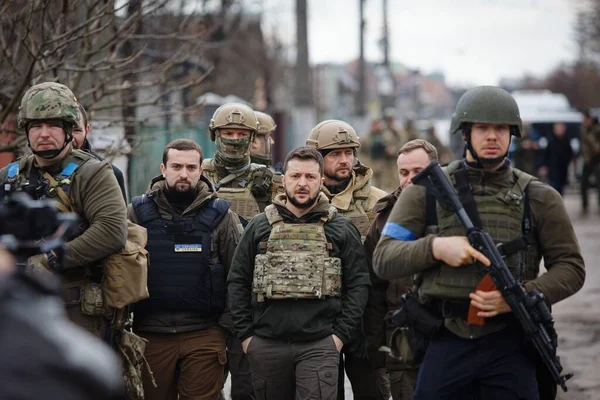
In March 2024, a Russian ballistic missile hit a hangar near Odesa shortly after President Volodymyr Zelensky had given medals to personnel involved in the Black Sea campaign. Though at least one outlet framed it as an assassination attempt, evidence suggests it targeted Ukraine’s naval drone network. Russian claims pointed to preparations for unmanned boat attacks.
The result was almost immediate: major Ukrainian strikes on the fleet fell dramatically. This incident illustrates Russia’s ability to adapt by finding and disrupting the human infrastructure behind Ukraine’s technological edge.
5. Littoralization of the Fleet and ‘Kalibrization’
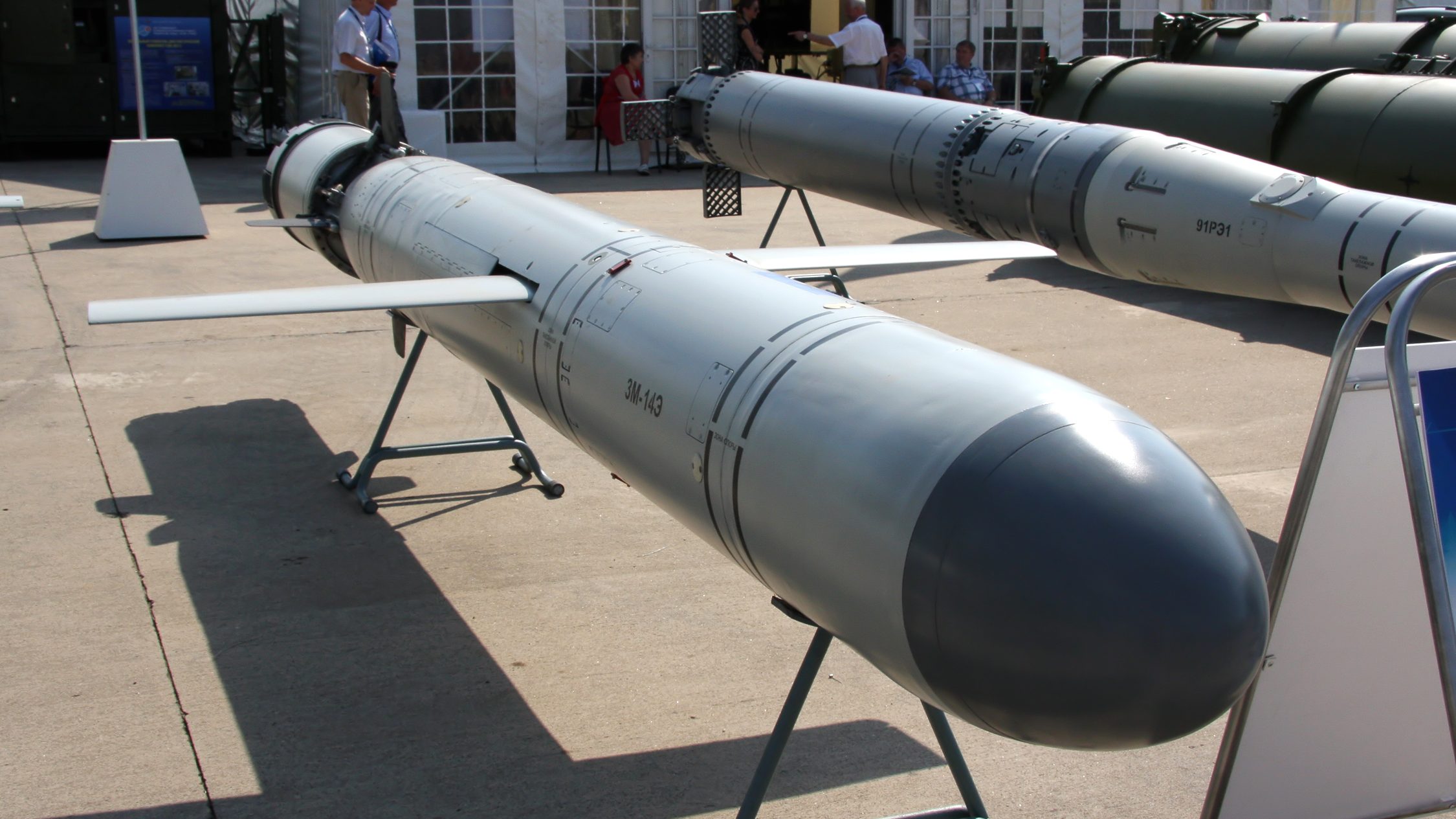
It is expected to be at least more littoralized-meaning focused on coastal operations-and more heavily armed with Kalibr cruise missiles. Sanctions and budget priorities are accelerating this shift. New corvettes and patrol boats built in Crimea are immediately available for deployment, while amphibious assets are concentrated in the region.
Informed by the lessons learned, this restructuring operates closer to defended shores, reducing exposure to long‑range threats while maintaining the capability to launch precision strikes from within Russian‑controlled waters.
6. Ukraine’s Naval Drone Innovation Cycle
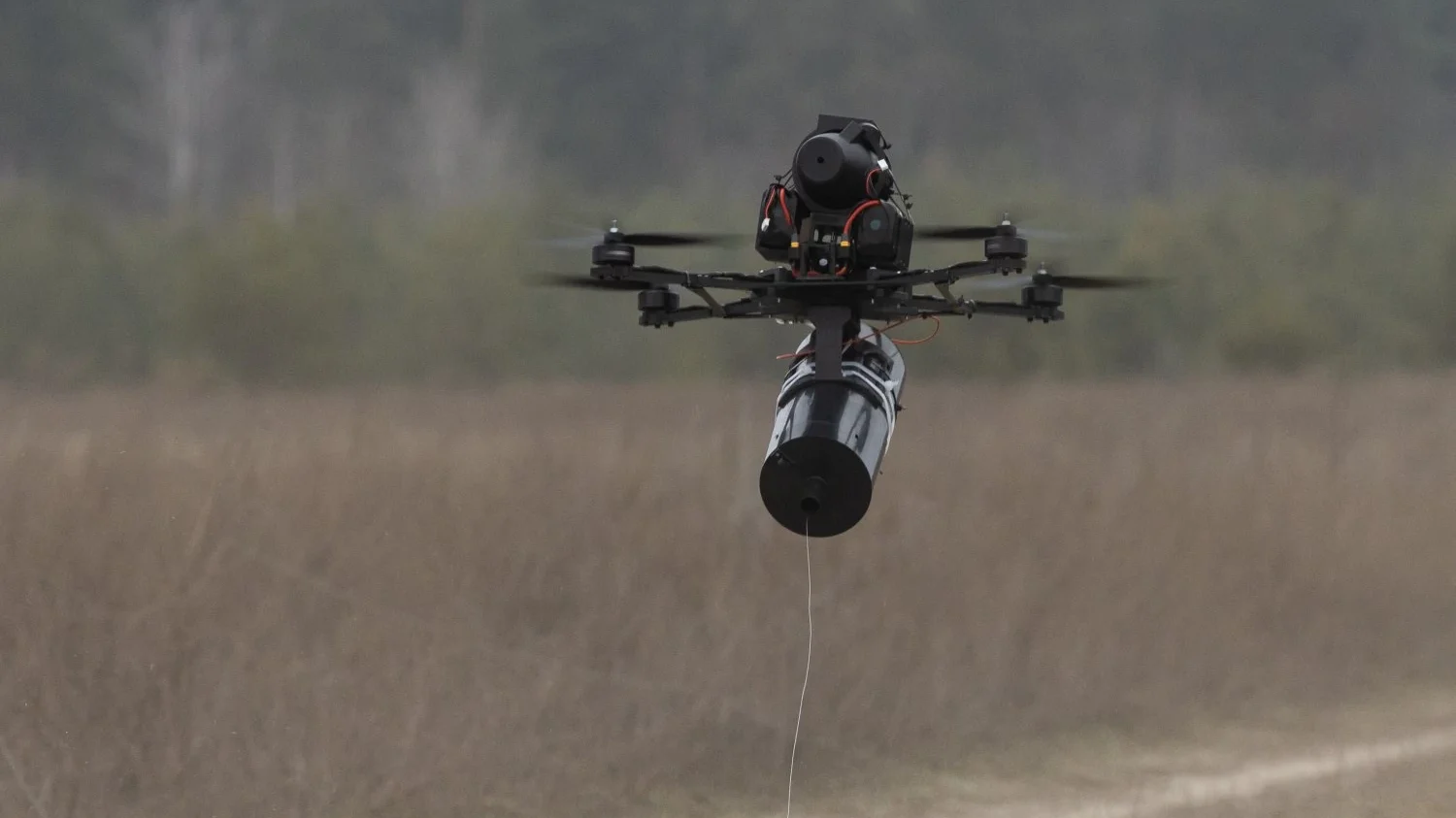
The USVs of Ukraine developed and deployed modular payloads rapidly, including air‑to‑air missiles, quadcopters, and cannons. Tactics have included the use of decoy swarms to saturate defenses in advance of strike drones delivering the principal strike. By 2025, some naval drones were being used as carriers to launch FPV drones against shore targets, including air‑defense systems.
It is this very innovation cycle-with countermeasures often only appearing two to three months later-that has been keeping Ukraine ahead technologically. As Samuel Bendett said, even Russia’s USV designs-most notably the Vizir and Murena-have borrowed heavily from Ukrainian designs, placing Moscow lagging behind.
7. Russia’s Emerging Anti‑Drone Arsenal
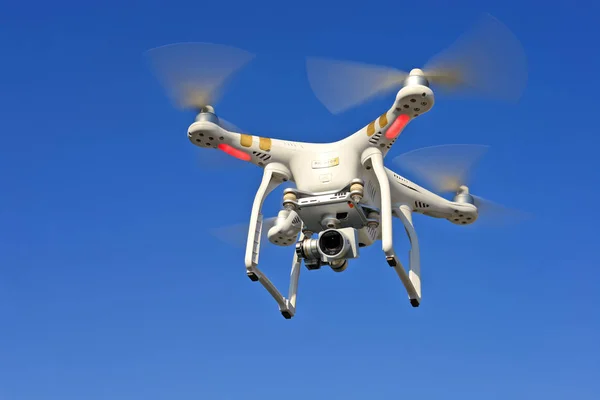
Confronted by the ever-present USV and UAV threats, Russian developers have fielded kinetic interceptors, thermal imaging sighting systems, and AI‑enabled targeting modules. Systems such as the Yolka interceptor are able to detect a 1‑meter wingspan drone out to 1 km and strike without explosives.
Maritime interceptors like the Krestnik M are designed to engage moving surface targets from multiple launch platforms. Presented during the recently held “Archipelago 2025” forum, these adaptations reflect the trend toward multi-layered defenses drawing on manual control, onboard guidance, and integration into larger detection networks.
8. Strategic Importance Beyond Combat
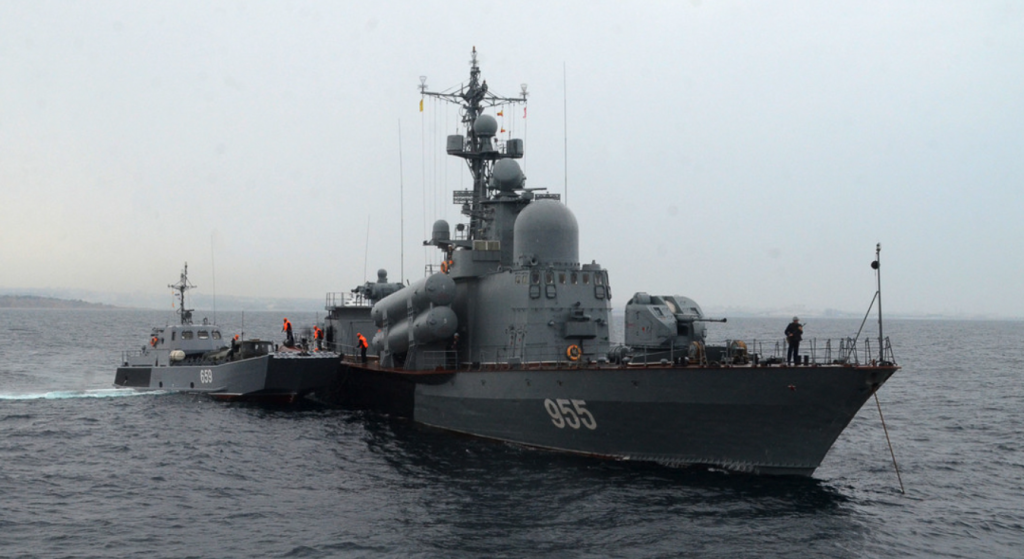
Yet the Black Sea Fleet is more than a combat force: it underpins Russia’s economic and geopolitical strategy. The adjoining ports of Novorossiysk and Taman handle 22% of Russia’s oil exports, besides being the primary hubs for wheat and grain shipments worth $43 billion in 2024. Control over these flows offers leverage in regions facing chronic food insecurity, such as the Middle East and North Africa.
Even under a ceasefire, it is likely that Russia will continue to impede Ukrainian maritime trade through mining, harassment, and selective interdiction, as it did in the Sea of Azov between 2014 and 2022.
9. The Fleet’s Role in Missile Warfare
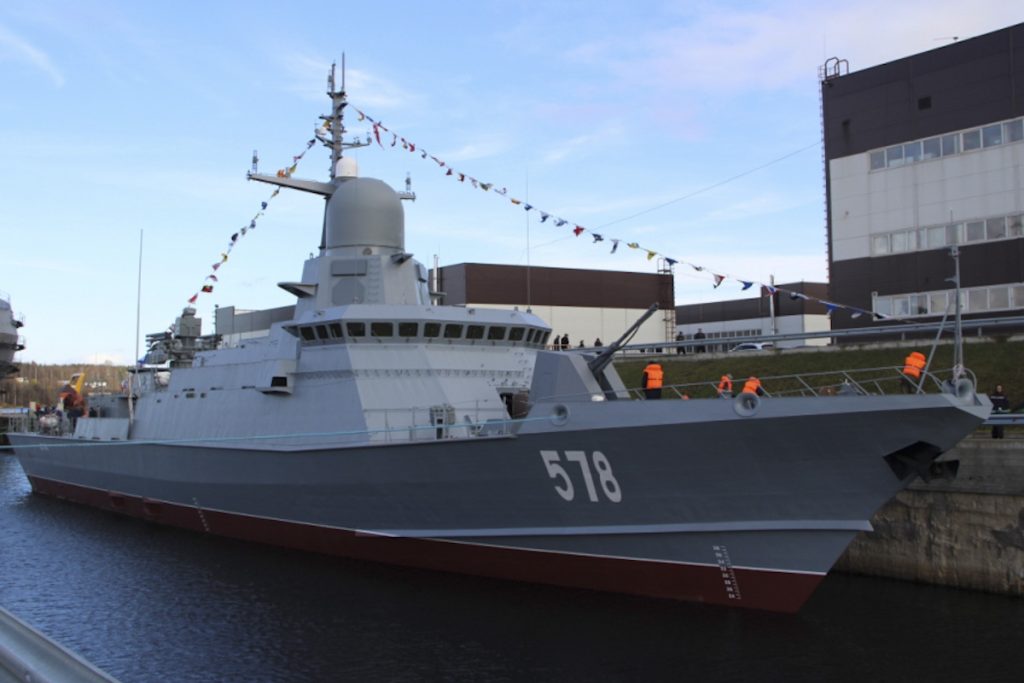
Despite the losses, this fleet still has substantial missile-launch capacity. The Karakurt-class corvettes alone, each equipped with eight vertical launch cells, contribute to Russia’s capability to fire dozens of long-range land-attack missiles in a single salvo. In August 2025, Kalibr missiles launched from surface ships and submarines made up the largest aerial bombardment that Russia has conducted so far in the war. This capability would confront Ukraine-and perhaps NATO-with a fleet able to strike from defended bastions, complicating any effort to gain sea control without paying high costs in both munitions and risk to platforms.
The trajectory of the Black Sea Fleet from 2022 onwards has mirrored the dynamic nature of modern naval conflict. Humiliated by early losses yet far from destroyed, the fleet since pivoted to littoral operations, invested in missile capacity, and harnessed counter-drones technologies. Ukraine’s asymmetric campaign has rewritten the rules for sea denial in confined waters, proving that where there is innovation, the handicap of conventional inferiority can be overcome. To military strategists, the continuing contest in the Black Sea offers a case study in adaptation under pressure-where survival depends not on avoiding change but on mastering it faster than the adversary.


