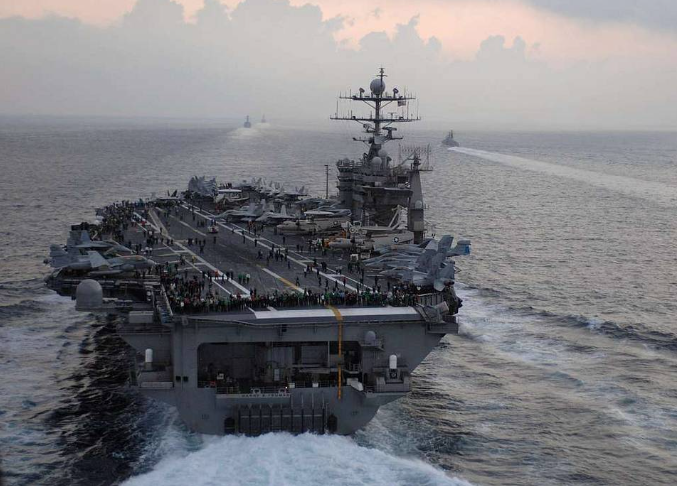
The most intense sustained naval combat since World War II exposed dangerous cracks in U.S. Navy readiness. In late 2024 and early 2025, the USS Harry S. Truman strike group faced relentless missile and drone attacks from Yemen’s Houthi rebels-but the gravest threats came from within. Four major mishaps, all deemed preventable, cost the Navy over $160 million and underscored systemic weaknesses in training, equipment, and command oversight.
These incidents-ranging from a friendly fire shootdown of a $67 million fighter jet to a collision that nearly killed 120 sailors in their sleep-occurred under the strain of high-tempo combat operations in the Red Sea. Investigations show how technical failures, poor communication, and leadership lapses came together in near-catastrophic ways. Here are nine of the most critical failures from that deployment-each carrying a lesson the Navy can ill afford to ignore.
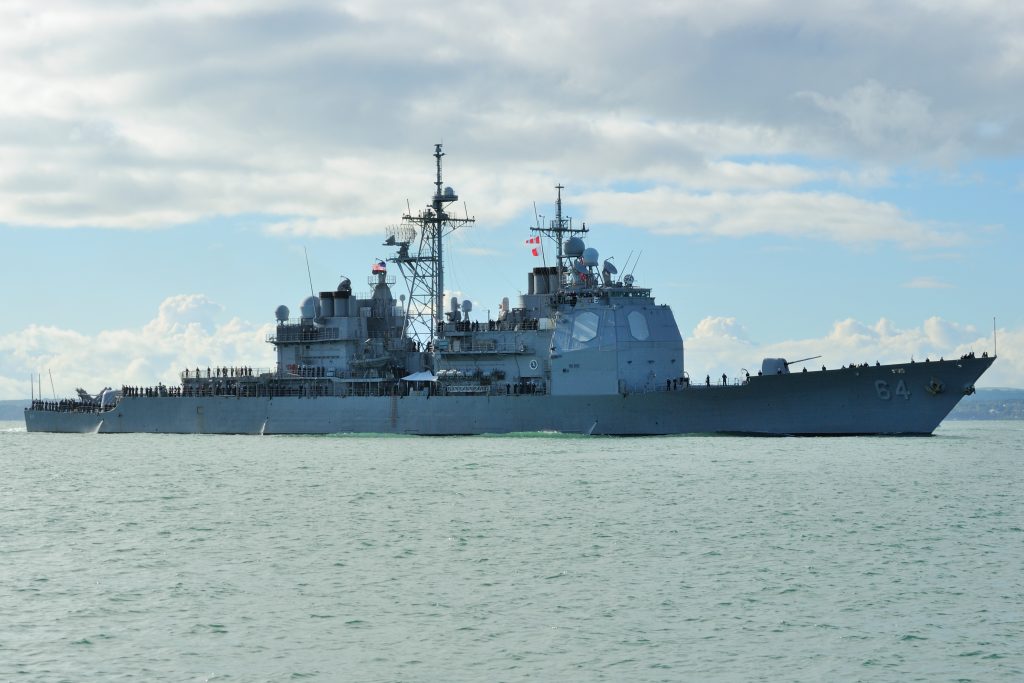
1. Friendly Fire Shootdown by USS Gettysburg
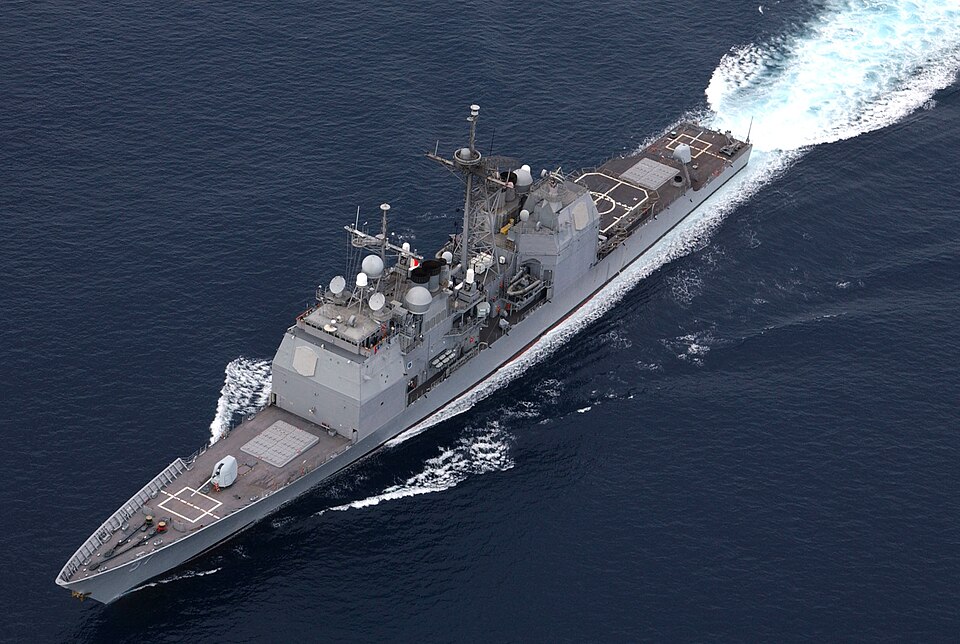
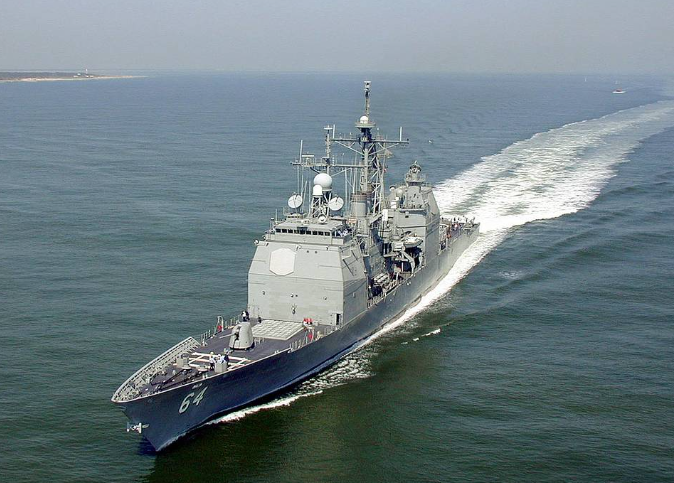
The Ticonderoga-class cruiser USS Gettysburg mistakenly identified two returning F/A-18F Super Hornets as incoming Houthi cruise missiles on December 22, 2024. It fired two SM-2 interceptors, knocking one jet down but narrowly missing the other. A third friendly aircraft was targeted but not engaged. Investigators cited the inability of afloat forces to practice integrated training, degraded Identification Friend or Foe systems, and generally poor situational awareness. Forceful backup from the combat information center of the cruiser failed to intervene, and conflicting guidance on behalf of the carrier furthered confusion. The commanding officer’s shoot decision was assessed to be “neither reasonable nor prudent.”
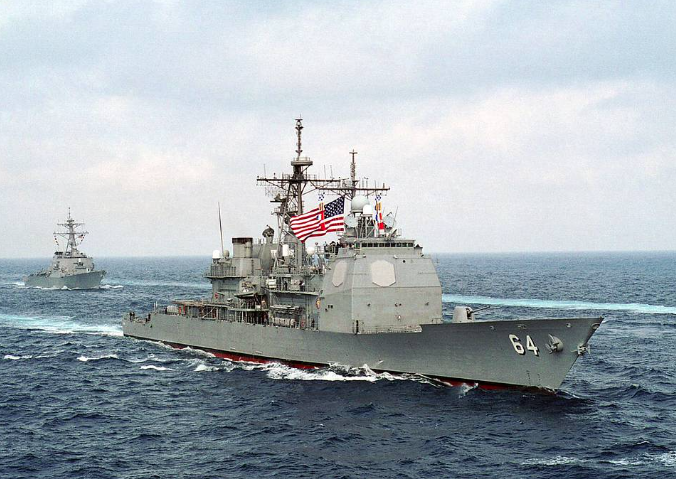
2. Near-Miss Second Missile Engagement
Just minutes after shooting down the first aircraft, Gettysburg fired a second SM-2 at the other Super Hornet: this missile tore by within feet, shaking the aircraft as it exploded in the water. Aiming to evade the weapon rather than ejecting, the aviators managed to outmaneuver it. The near-miss really drove home how degraded Link 16 tactical datalink performance and intermittent IFF failures left watchstanders blind to friendly tracks-a problem later determined to affect multiple surface combatants.
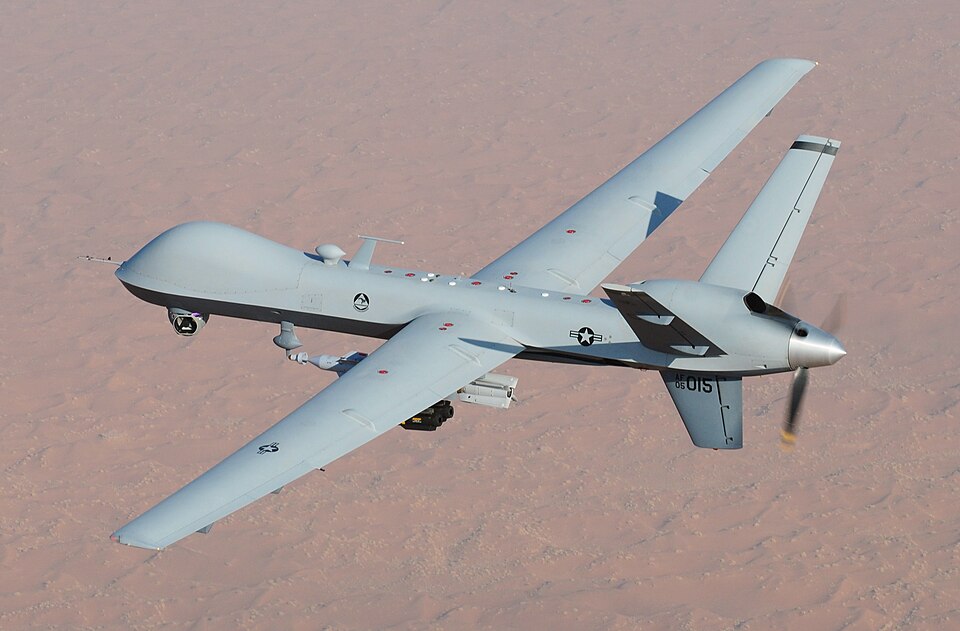
3. German Frigate Fires on US MQ-9 Reaper
This past February 2024, the German frigate Hessen-under the auspices of EU’s Operation Aspides-launched two SM-2s against a U.S. MQ-9 Reaper while on patrol in the Red Sea. The drone did not have an active IFF transponder, and coordination with the U.S.-led Operation Prosperity Guardian was unsuccessful. Technical issues resulted in both missiles missing. The incident showed gaps in cross-mission communication and risks from overlapping command structures in littoral battlespaces.
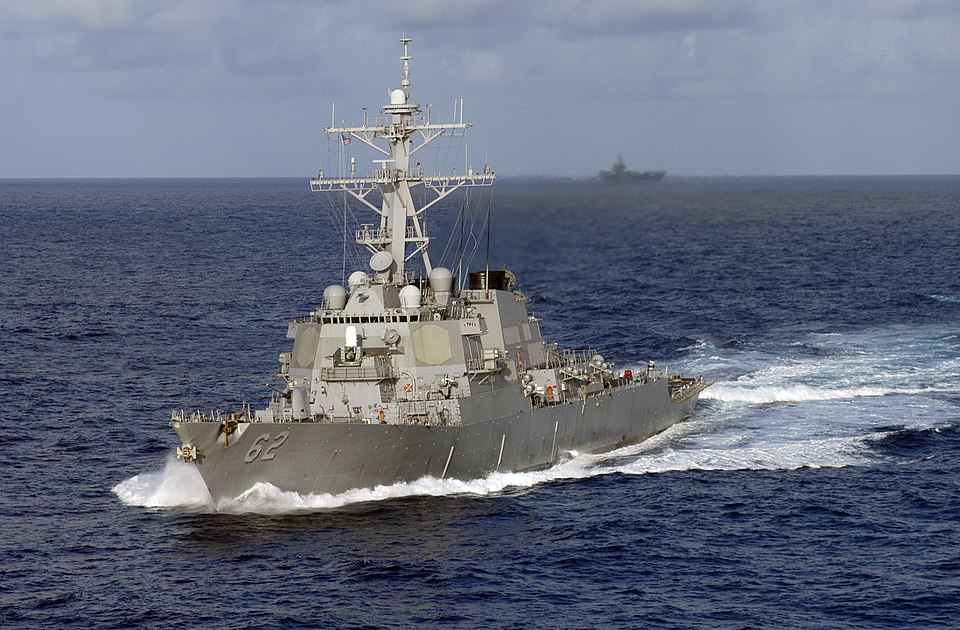
4. Collision with Merchant Vessel Besiktas-M
On February 12, 2025, USS Harry S. Truman collided with the Panamanian-flagged Besiktas-M near Port Said, Egypt. The bridge team of the aircraft carrier failed to safely navigate in crowded waters and was sailing at an unsafe speed. Eight sailors were within 10 feet of the impact point; a slight change in trajectory could have killed them. This incident was avoidable and comparable to the fatal 2017 USS Fitzgerald and USS John S. McCain collisions. The commanding officer was relieved due to loss of confidence.
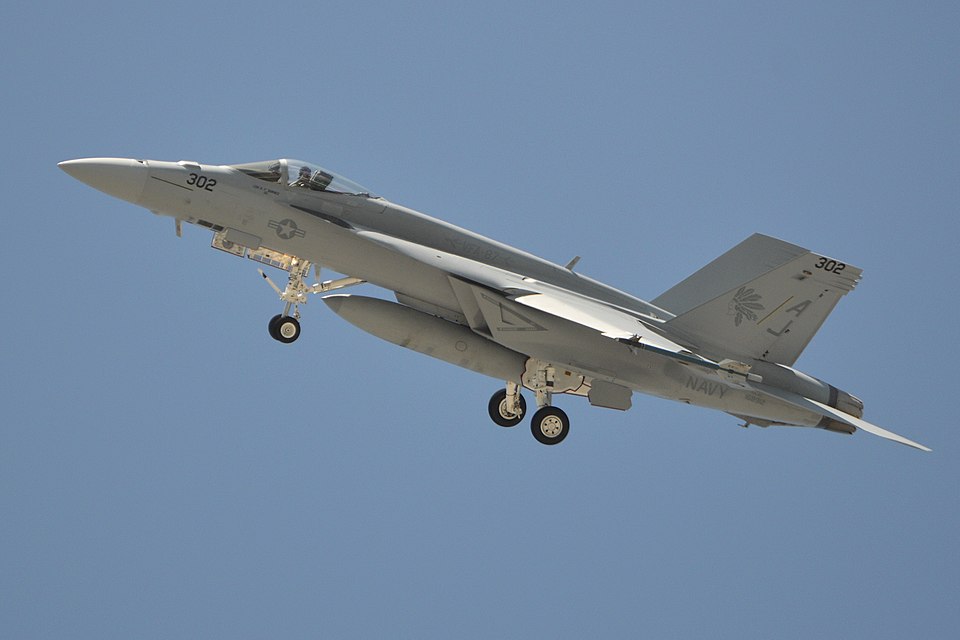
5. Loss of F/A-18E and Tow Tractor During Evasive Maneuver
On April 28, 2025, during the evasion of an incoming ballistic missile, Truman executed a sharp turn while hangar crews were moving an F/A-18E. The jet’s brakes failed, and poor communications between the bridge, flight deck, and hangar bay control left it unsecured. The aircraft and tow tractor rolled overboard into the Red Sea. The investigation found non-skid deck surfaces degraded since 2018 and poor procedural adherence.
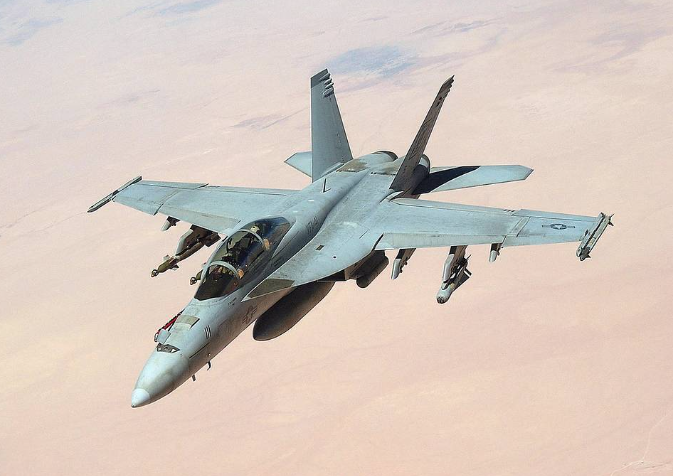
6. Poonching Gear Malfunction Launches Jet Overboard
On 6 May 2025, a landing F/A-18F failed to stop when the #4 arresting wire parted. Mechanical failure was caused by a missing washer in the starboard sheave damper assembly. Low manning levels, unsatisfactory training, and ineffective quality assurance contributed. The mishap took place on the 52nd consecutive day of flight operations; thus, reflecting crew fatigue and strained maintenance standards.
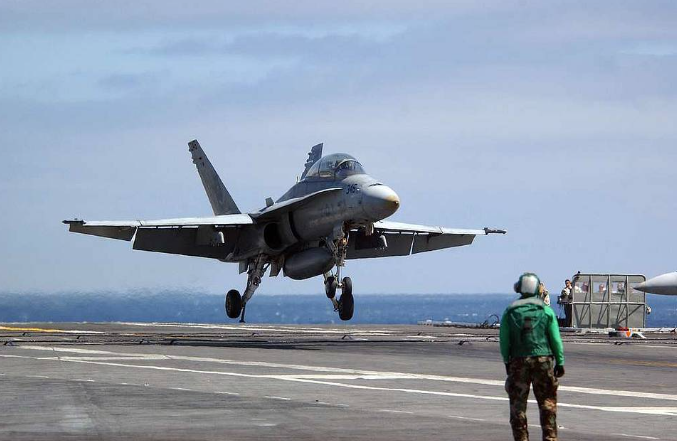
7. High Operational Tempo and Crew Fatigue
From March to May 2025, the strike group executed what it called “Operation Rough Rider,” flying for 52 consecutive days and conducting more than 1,000 airstrikes. The sailors reported a “just get it done” culture, with sleep deprivation at the level of the key leaders. Fatigue led to procedural shortcuts, degraded equipment oversight, and diminished situational awareness that directly contributed to multiple mishaps.
8. Systemic Aegis Weapon System Deficiencies
Investigations revealed extensive software and interoperability problems with the Aegis Weapon System, which impacted air defense throughout the fleet. Issues with IFF correlation, Cooperative Engagement Capability, and Link 16 data integrity prevented accurate target identification. The Navy has spent more than $55 million since deployment in attempts to rectify these deficiencies. The incident exposed core combat systems’ vulnerability to sustained operations.
9. Training and Integration Gaps
Pre-deployment group sail training was reduced from 10 days to two due to logistical constraints, leaving the warfare commanders with not enough time to integrate. Gettysburg operated with the strike group only 15% of the 45 days prior to the friendly fire incident. Lack of joint rehearsals and force cohesion was a decisive factor in misidentification and poor coordination during combat.
The deployment of the Truman strike group in the Red Sea has shown the resilience of crews under fire and the dangerous consequences of systemic weaknesses. Each of these nine failures was preventable, yet they happened in one of the most high-profile Navy combat operations in decades. The investigations make clear that without rigorous training, robust equipment reliability, and cohesive command structures, even the most capable forces can falter-with costs measured in millions of dollars and lives narrowly spared.


