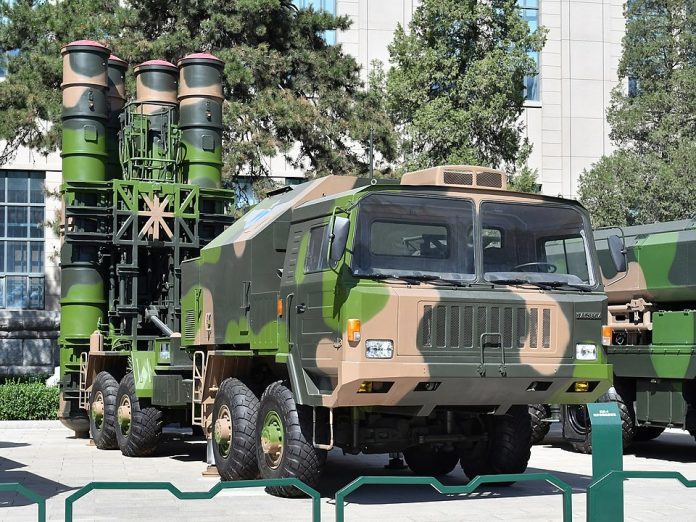
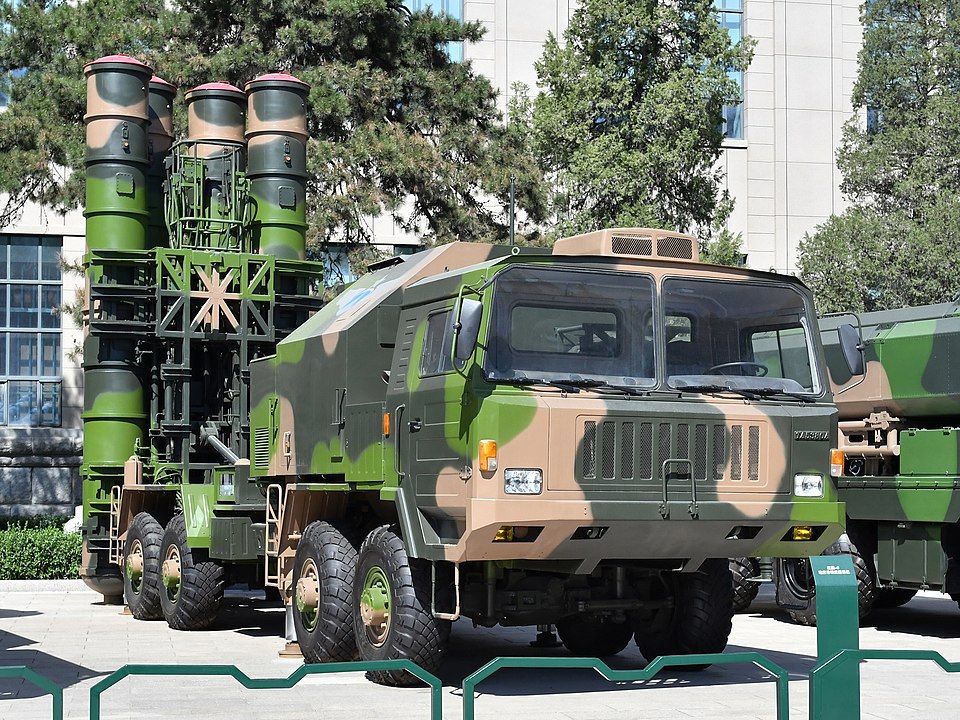
What happens when a decades-old peace framework collides with cutting-edge missile technology? In the Sinai Peninsula, that collision is now reality. Egypt’s quiet deployment of Chinese HQ-9B long-range air-defense systems has redrawn the map of airpower in the Middle East, placing advanced radar and missile coverage within reach of southern and even central Israel. This move is far more than a technical upgrade it’s a geopolitical signal with ramifications stretching from Washington to Beijing.
HQ-9B’s arrival in Sinai comes at a time when violence in Gaza is on the rise, fears over forced Palestinian displacement increase, and conflicts elsewhere in the region, such as in Lebanon and Syria, already weigh heavily. For defense analysts, the deployment represents a watershed: Egypt is no longer content to remain a passive mediator but is putting itself in the position of a frontline actor capable of challenging Israeli air dominance. The following ten developments reveal how this one move is reconfiguring military strategy, diplomacy, and regional stability.
1. Strategic Positioning of HQ-9B Batteries
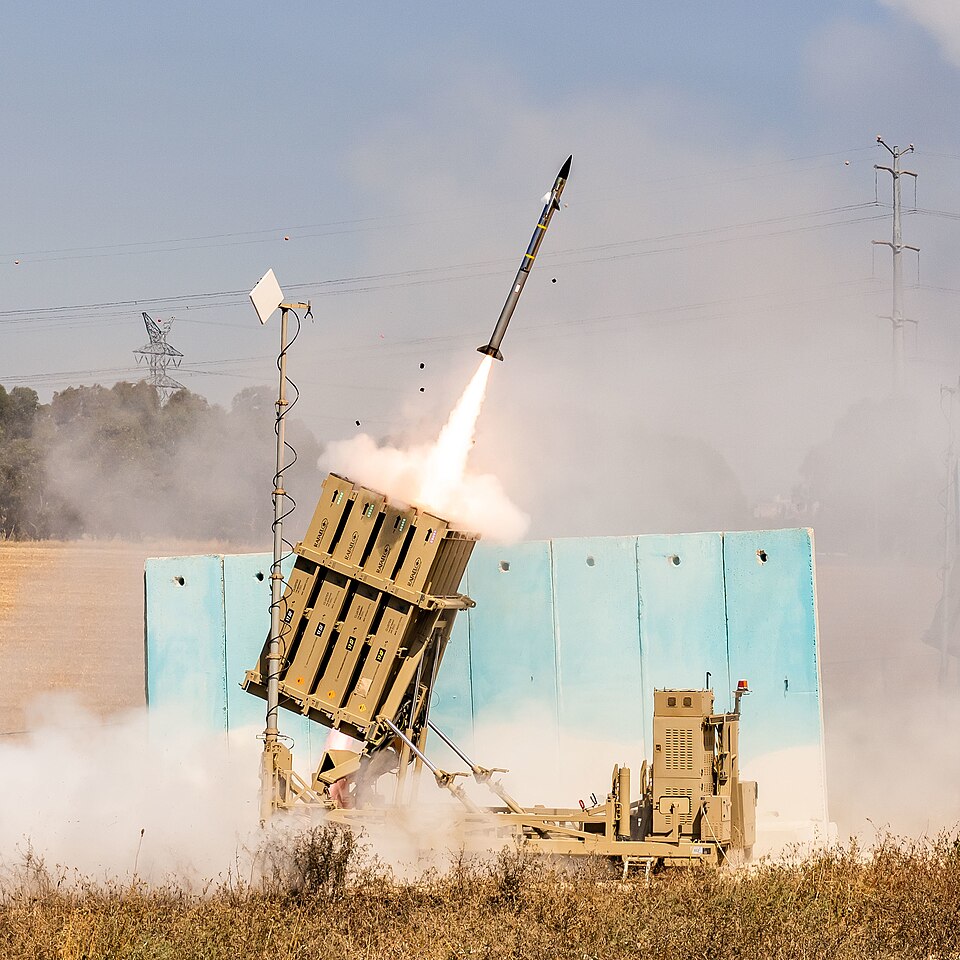
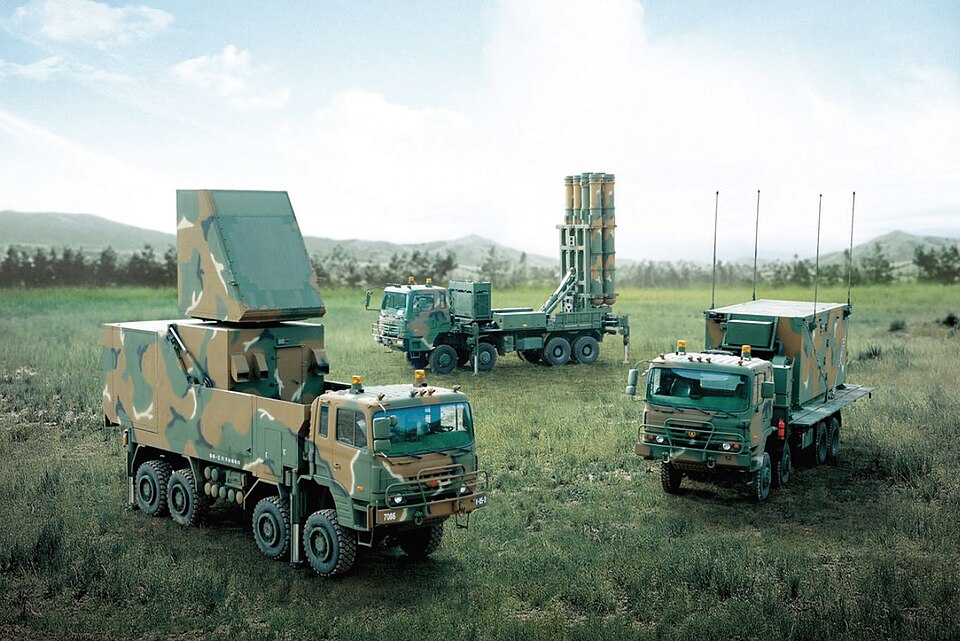
Satellite imagery and defense observers show at least two HQ-9B batteries positioned near El-Arish and along the Rafah corridor. The sites put Egypt in position to monitor-and if necessary, engage-targets over Gaza, southern Israel, and as far away as Tel Aviv, creating an Anti-Access/Area-Denial (A2/AD) bubble that complicates routine Israeli Air Force operations and extends Egypt’s surveillance reach well beyond its borders.
2. Technical Capabilities Comparable to Global Systems
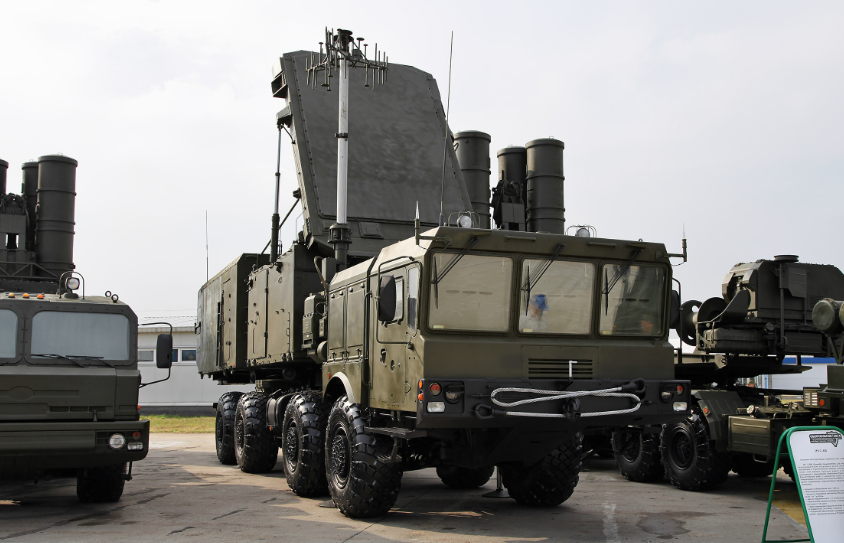
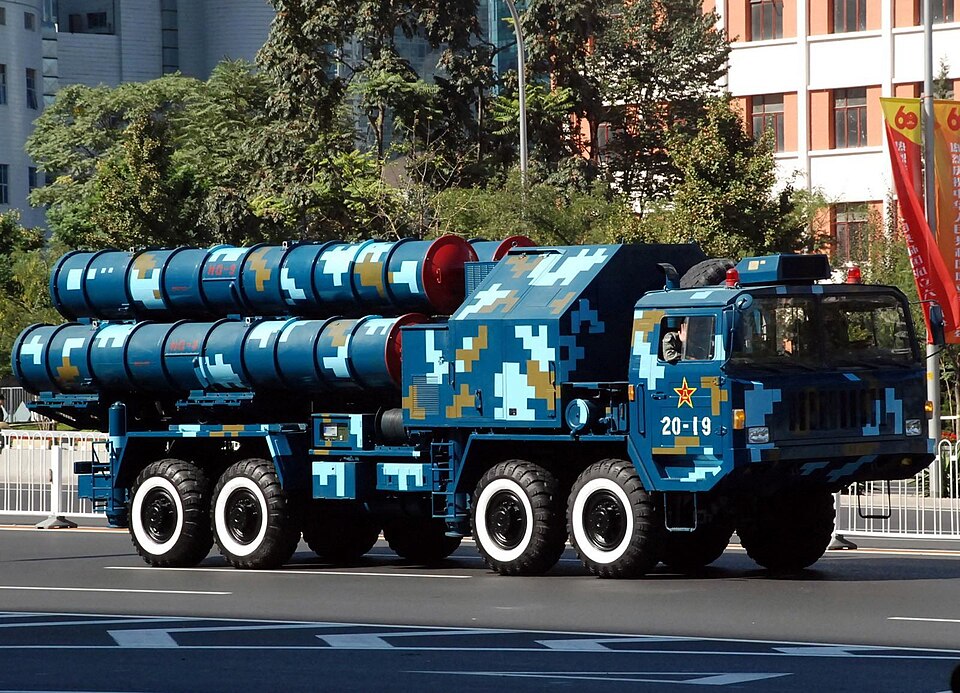
The HQ-9B, developed by China Precision Machinery Import-Export Corporation, has a range up to 260 km at altitudes over 27 km and has been designed to engage aircraft, drones, cruise missiles, and some ballistic missiles. It possesses phased-array radar for 360-degree coverage, along with hardy ECCM features, to ensure it is resistant against Israeli electronic warfare. Chinese sources have likened this very system to the U.S. Patriot and Russian S-400, touting it as China’s flagship air-defense export.
3. TREATY LIMITS UNDER STRAIN
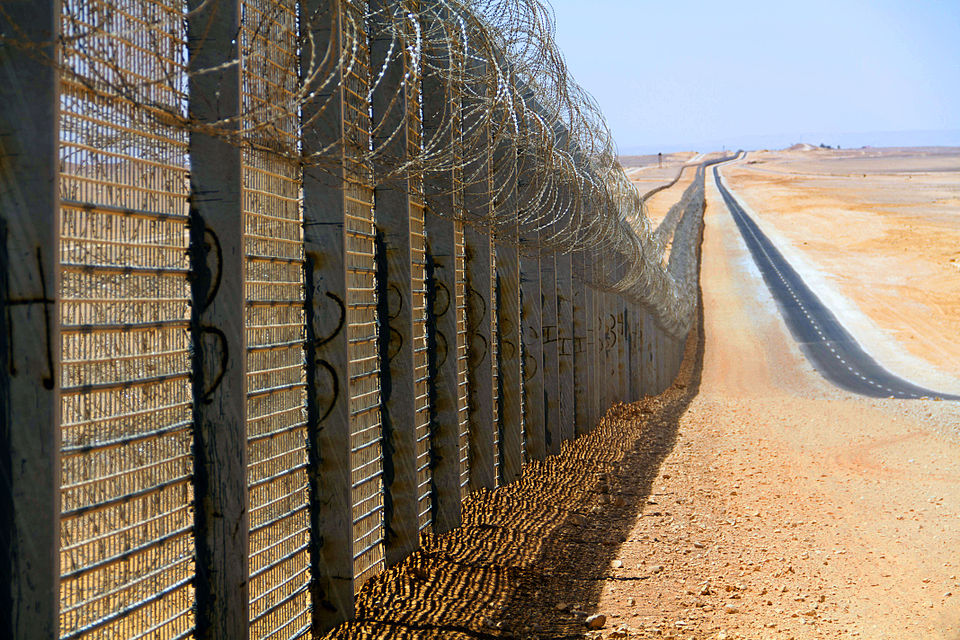
The 1979 Camp David Accords imposed strict demilitarization on Sinai, in particular in Zone C, near the Israeli border, requiring heavy weaponry to be approved by Israel. Egypt began bypassing these limits in late 2023, doubling troop levels to roughly 40,000 and deploying tanks, artillery, and now HQ-9Bs. This shift signals a reinterpretation of treaty obligations through the lens of sovereignty and existential threat.
4. Deterrence against Refugee Displacement
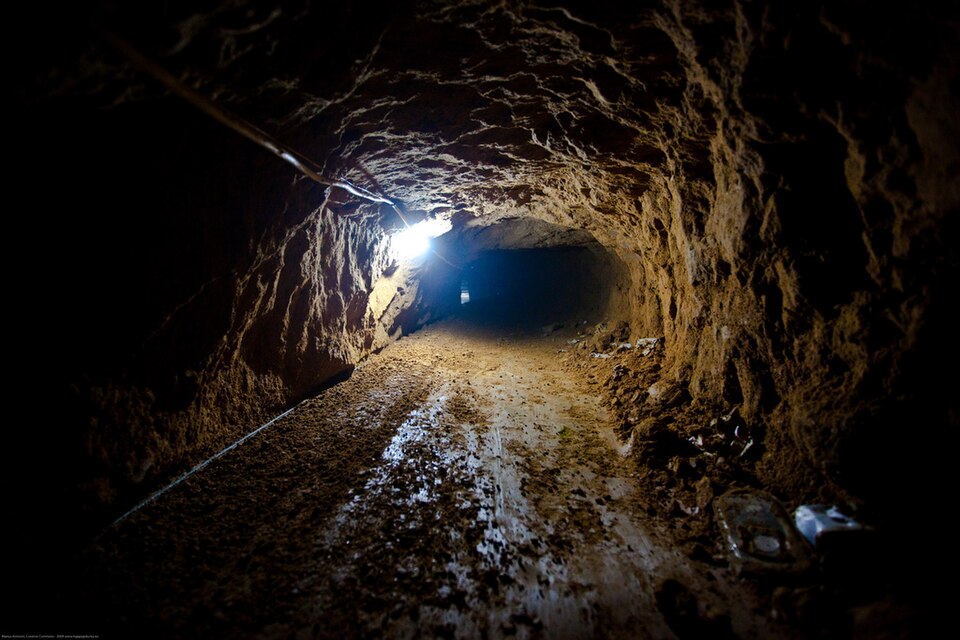
Forcibly transferring Palestinians into Sinai has been a “red line” for President Abdel Fattah el-Sisi. The HQ-9B deployment is part of a wider deterrent posture to forestall such an eventuality, which Cairo perceives as disastrous for national stability. The advanced air defenses along the border are a warning that Egypt’s territory will not become an extension of the conflict in Gaza.
5. Diversification Away from Western Arms
The Egyptian purchase of the HQ-9B reflects frustration with Western arms restrictions, including U.S. limits on modern air-to-air munitions and European delays in delivering such systems as the IRIS-T SLM. The Chinese system was sold without end-user restrictions at a lower cost, befitting Cairo’s strategy to diversify suppliers with a view to decreasing dependency on politically leveraged platforms.
6. Integration into Layered Defense Networks
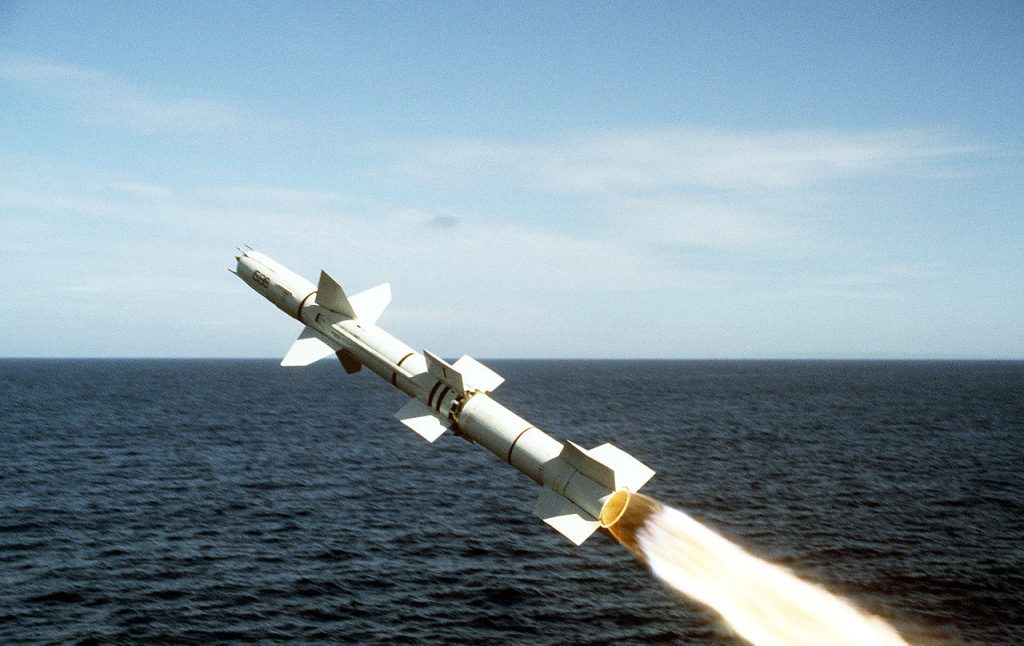
The HQ-9B will supplement Egypt’s existing mix of Russian Tor-M2 and Buk-M2 systems, German IRIS-T SLM, and radar assets from the U.S., France, and Russia. Mated with aircraft such as the MiG-29M and possibly future Chinese J-10Cs, the system improves Egypt’s multi-layer air defense posture to protect critical areas that include the Suez Canal and Red Sea approaches.
7. Operational Israeli Challenges
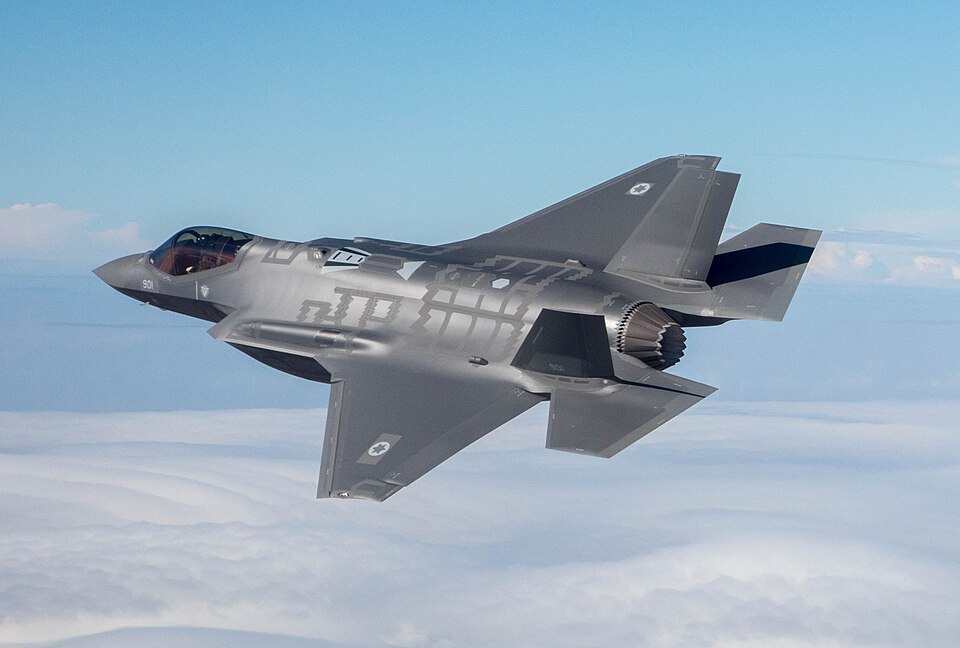
To neutralize the HQ-9Bs, Israel would have to employ advanced SEAD/DEAD tactics, using either F-35I Adir jets or standoff weapons such as Rampage missiles. Such strikes, however, are not devoid of escalation possibilities, since direct attacks on Egyptian territory may shatter decades of uneasy peace. The HQ-9B’s radar coverage dictates flight path adjustments, flying surveillance missions, and contingency planning by Israel.
8. Washington’s Delicate Balancing Act
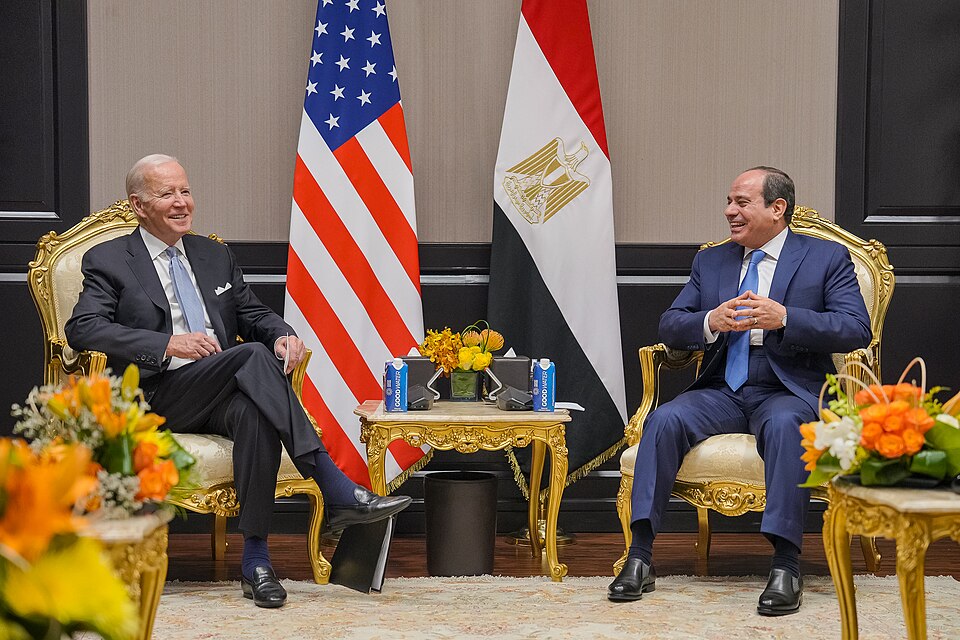
The U.S. has remained publicly silent, a reflection of the sensitivity in pressuring a key Arab ally while continuing to support Israel. Privately, Pentagon officials worry about interoperability and intelligence-sharing complications created by the Egyptian use of Chinese systems. The deployment underscores the limits of American leverage in a region increasingly shaped by Chinese technology.
9. China’s Expanding Regional Footprint
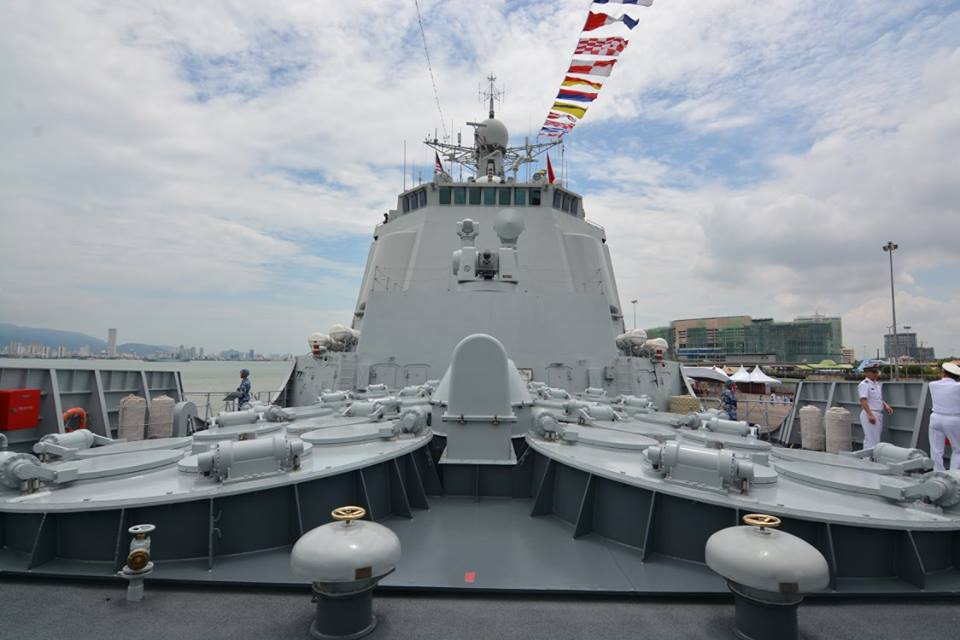
By selling HQ-9Bs to Egypt, Beijing gives itself a showcase for its top-of-the-line SAM system, with a further foothold in the Arab-Israeli conflict narrative. All this certainly enhances China’s credibility as a supplier to nations that have been sidestepped by Western arms markets and probably opens doors to the Gulf states wanting advanced air defenses sans political strings.
10. Risk of Miscalculation and Wider Conflict
The presence of HQ-9B in Sinai raises the stakes for any border incident. Past clashes, such as Israeli fire that killed one Egyptian soldier in 2024, showed how volatile the ground is. The presence of advanced systems now makes even minor missteps susceptible to misinterpretation as wider conflict preparations, rendering diplomatic restraint as important as military readiness.
Egypt’s HQ-9B deployment in Sinai marks a multidimensional move-part deterrent, part diplomatic signal, and part strategic realignment. It challenges Israeli air dominance, tests the resilience of the Camp David framework, and amplifies China’s role in Middle Eastern security. Whether it stabilizes the region through deterrence or accelerates the march toward confrontation depends on how Cairo, Tel Aviv, and Washington will navigate this new and volatile balance of power.


