
Could a fleet of cheap naval drones cripple the energy lifeline of a major power? Recent escalation in the Black Sea by Ukraine suggests that the answer may be yes. In late November, Kyiv’s Sea Baby unmanned surface vessels pushed the maritime war into new territory, striking Russian oil tankers and infrastructure far from Ukrainian shores. These attacks didn’t just damage ships-they disrupted global oil flows, rattled markets, and forced governments into uncomfortable diplomatic positions.
In just the past year, Ukraine’s naval drone program has evolved from coastal defense into a precision strike capability able to reach hundreds of kilometers across contested waters. Those latest operations struck at Russia’s shadow fleet-aging tankers used to evade sanctions-and the Caspian Pipeline Consortium’s export terminal at Novorossiysk. The result was a direct hit against Moscow’s war revenue and a warning to the global energy sector that the Black Sea is no longer a safe corridor.

1. Sea Baby Drones Extend Ukraine’s Reach
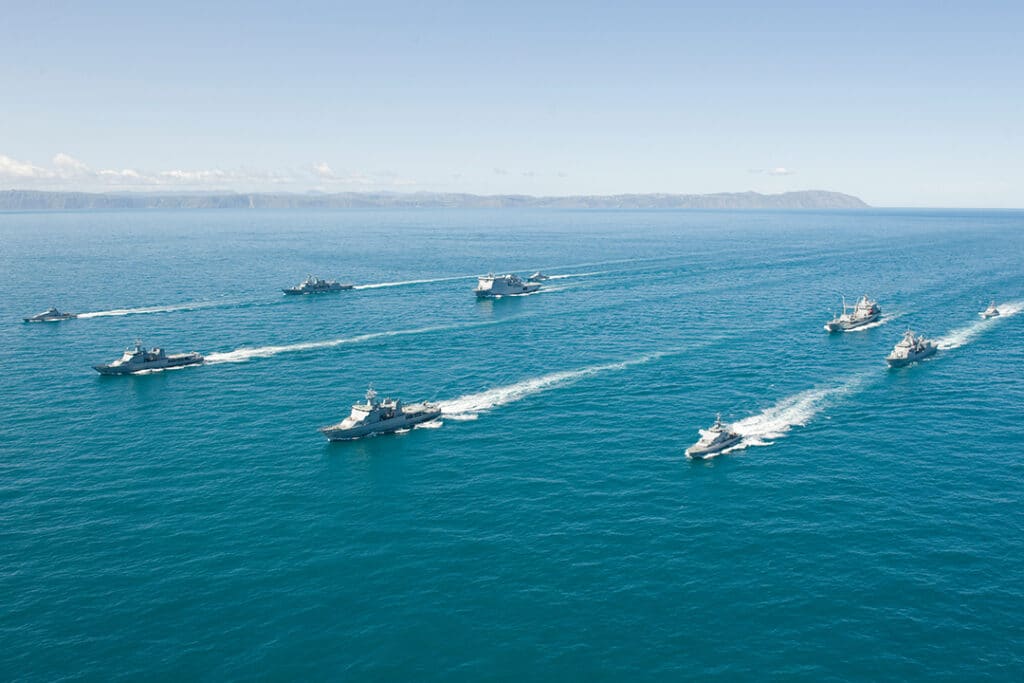
The Sea Baby platform emerged in early 2024 as Ukraine’s answer to the dominant Russian Black Sea Fleet. Constructed in secret workshops, these unmanned vessels carry up to 2,000 kilograms of explosives and boast ranges now of 1,500 kilometers. “Naval drones are now a crucial component of the Ukrainian navy and the primary strike weapon at sea,” Serhii Kuzan, chairman of the Ukrainian Security and Cooperation Center, recently said. Strikes on November 28 proved the upgraded Sea Babies could operate deep in the southern Black Sea, well into Turkey’s exclusive economic zone, in a significant leap in operational endurance.
2. Targeting Russia’s Shadow Fleet
Russia’s shadow fleet-estimated at close to 600 tankers worldwide-operates under opaque ownership and flags of convenience to dodge sanctions. The Gambian-flagged Kairos and Panamanian-flagged Virat were both on active Western sanctions lists when disabled, making Kyiv’s action a legal and rhetorical win. In striking vessels capable of carrying nearly $70 million worth of crude, Ukraine framed its campaign as one of enforcing sanctions rather than unilateral aggression, putting Western governments in a position where condemnation would contradict their own policies.

3. The Kairos and Virat Strikes
On November 28, Kairos was struck 28 nautical miles off the coast of Turkey’s Kocaeli province, catching fire and forcing its 25 multinational crew to abandon ship. Hours later, Virat, 35 nautical miles offshore, sustained starboard damage and was attacked again the next day. Turkish rescue vessels, including Kurtarma-12 and Nene Hatun, responded to the incidents. That the ships were intentionally disabled rather than sunk-targeting propulsion and rudders-suggests Ukraine sought to avoid catastrophic spills while putting the tankers out of commission.
4. Novorossiysk Terminal Hit
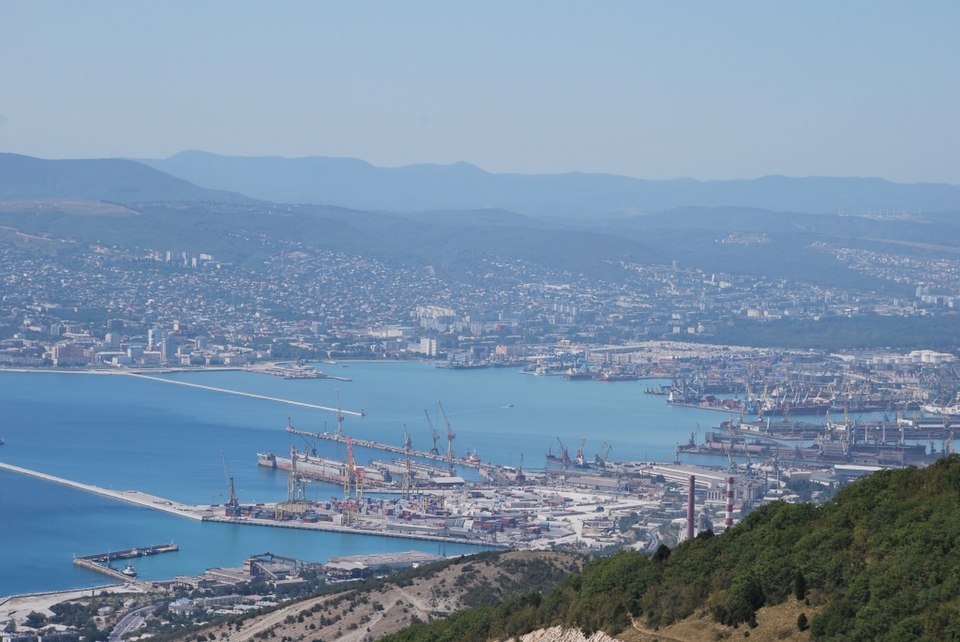
The day after the tanker strikes, Ukrainian drones damaged the CPC’s single-point mooring – SPM 2 – at Novorossiysk, forcing a suspension of all loading operations. With one already under maintenance, each mooring handles up to 800,000 barrels per day, so capacity fell to one-third. Kazakhstan exports 80% of its oil through this route, making the strike a blow not only to Russia but to a key EU supplier.

5. Diplomatic Backlash of Kazakhstan
Kazakhstan filed a formal protest, labeling the attack “the third act of aggression against an exclusively civilian facility.” Since CPC crude comprises about 40% of Kazakhstan’s export earnings, the disruption was a threat to the country’s economic stability. The analysts, like Joe Webster, warned that taking Kazakh oil out of the European markets may hurt Europe more than it hurts Russia and might drive India, China, and Turkey to buy more Russian crude at greater prices.
6. Turkey’s Balancing Act
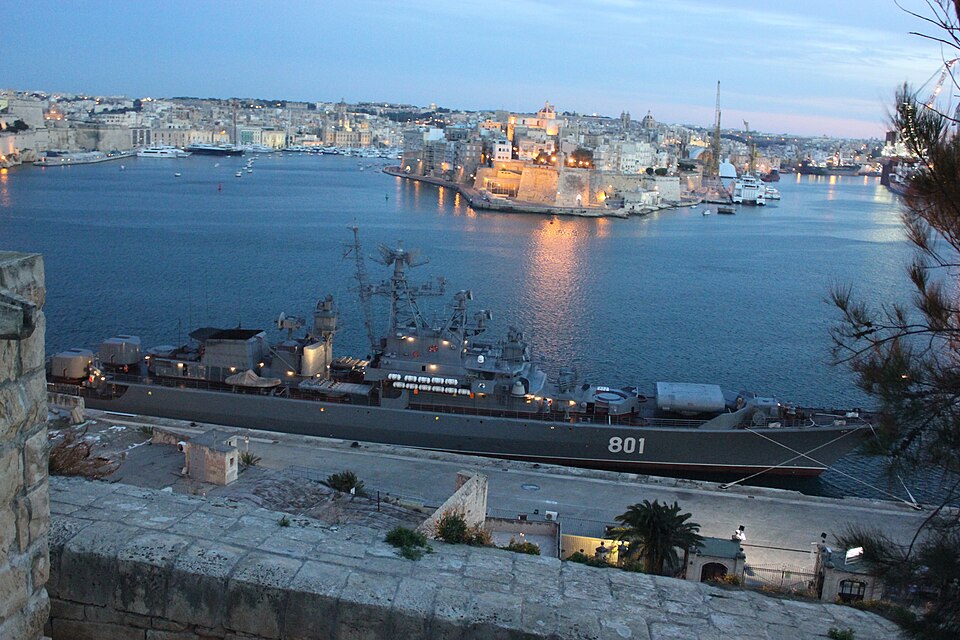
Ankara decried the strikes in its exclusive economic zone as “unacceptable” and a “worrying escalation,” citing the risks to navigation, life, property and the environment. Turkish President Recep Tayyip Erdoğan said the war was “threatening navigational safety in the Black Sea.” At the same time, the position is complicated by membership in NATO, a mediator role between Kyiv and Moscow, and deep economic ties with Russia. Repeated incidents mean that security corridors or heavier patrols of the Black Sea may be something Turkey could consider, say maritime experts.
7. Human Cost at Sea
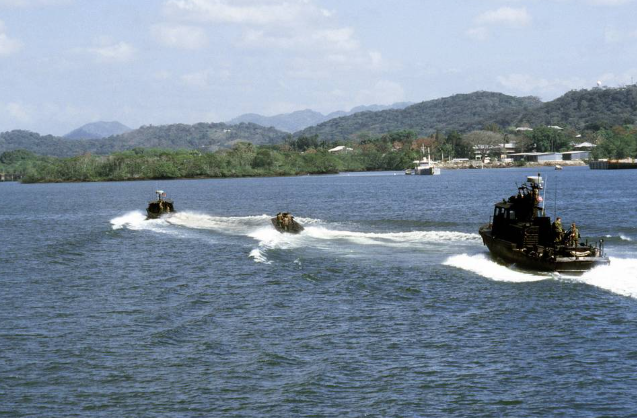
The evacuation of the Kairos crew put a face on the human cost among civilian mariners caught up in the sanctions-evasion networks. Many sail such hazardous routes out of economic necessity, recruited via opaque brokers. While all 25 aboard the Kairos were rescued, the Virat’s crew endured a second strike while remaining on board. These events underline how even precision economic warfare at sea can still inflict grave risks on non-combatants.
8. Market Shockwaves
Overnight, the CPC shutdown removed 1.1% of global oil supply and sent Brent crude higher. Traders revised supply forecasts, and war risk premiums for Black Sea calls edged upwards. Some shipowners began avoiding Novorossiysk altogether, while others reluctantly accepted higher insurance costs. Analysts described how sustained Ukrainian strikes could put long-term upward pressure on world oil prices, clouding Western efforts to manage energy security.
9. Russia’s Strategic Dilemma
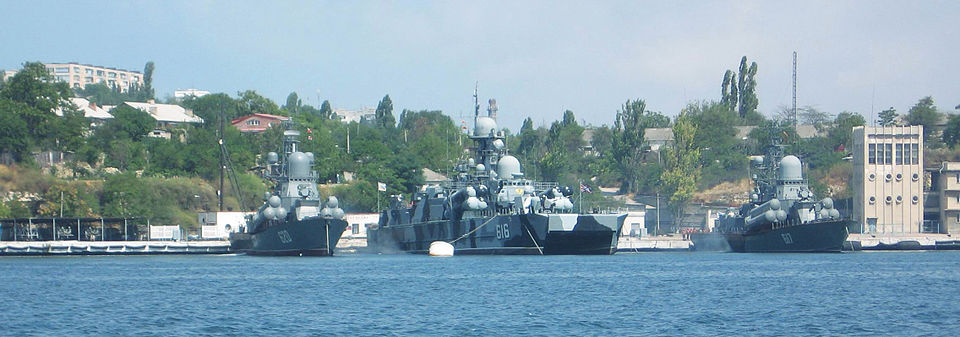
This means that Moscow’s shadow fleet tankers are forced to reroute or slow to avoid Ukrainian drones, insurance and financing is harder to come by, and the geography constrains alternative export corridors. The Black Sea is still the most efficient oil route for Russia, but its defense may demand the deployment of Black Sea Fleet units to escort tankers-a move that will expose warships to Ukraine’s proven anti-ship capabilities, possibly expanding the conflict’s naval front.
10. Doctrinal Shift to Economic Warfare
What started out as a Ukrainian campaign to deter naval threats has coalesced into a systematized effort to degrade the war-financing apparatus that sustains Russia. Strikes on tankers and terminals signal a willingness to hit economic infrastructure without seeking fresh international authorization. This doctrinal shift-framing economic disruption as self-defense-suggests future targets could include additional export hubs, raising both the strategic stakes and the risk of escalation into NATO-adjacent waters.
Ukraine’s late-November strikes proved that unmanned naval systems can achieve strategic economic effects at a fraction of the cost of traditional forces. By disabling sanctioned tankers and halting operations at a key export terminal, Kyiv hit Russia’s oil lifeline and sent ripples through global markets. The response from Turkey, Kazakhstan, and energy traders shows how quickly maritime conflict can entangle regional powers and disrupt supply chains. Whether Ukraine continues this offensive or consolidates its gains, the precedent is set: in the Black Sea, low-cost drones now have the reach to challenge state-level energy infrastructure.


