An ancient traveler from beyond the Sun is about to give scientists and skywatchers a fleeting encounter unlike anything seen before. This comet, 3I/ATLAS-the third confirmed interstellar object in history-will fly by Earth at a distance of about 170 million miles on December 19, 2025. Never to return, this presents a rare and urgent opportunity to probe the chemistry, geology, and physics of material forged around another star.
1. A Hyperbolic Messenger from the Galactic Thick Disk
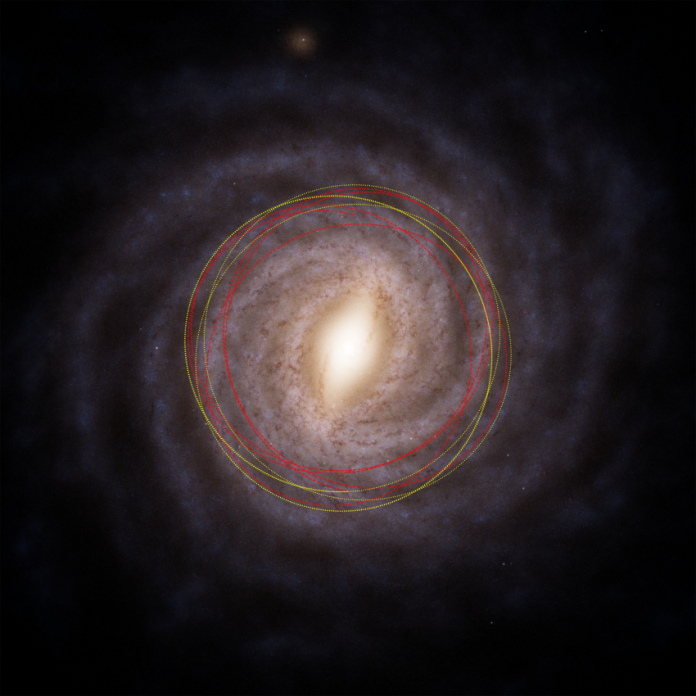
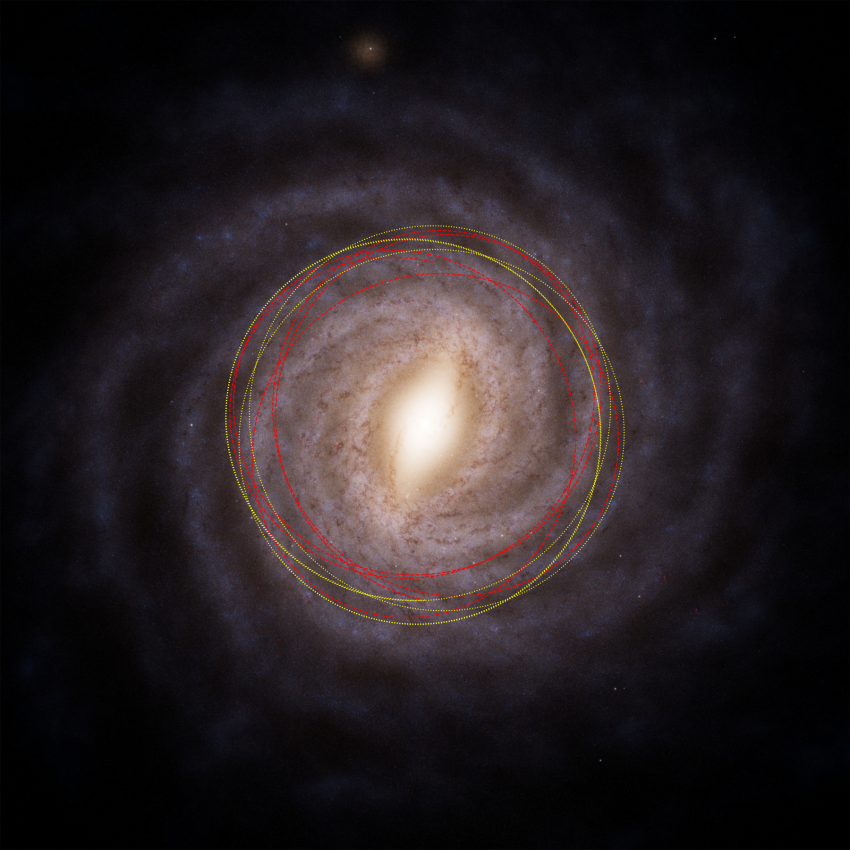
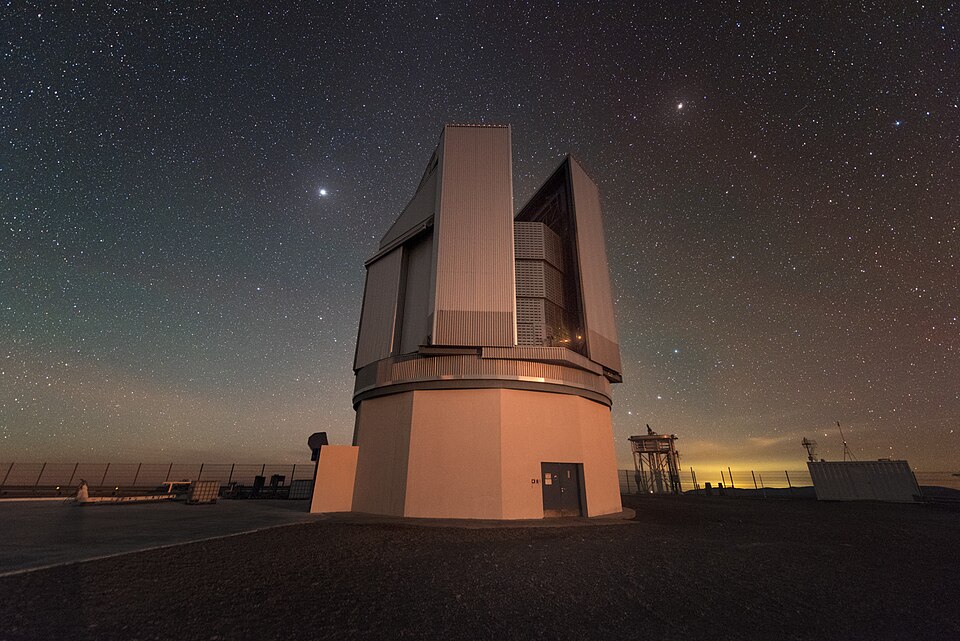
3I/ATLAS was discovered on July 1, 2025, by the ATLAS survey telescope in Chile and was quickly recognized as unbound to the Sun, its eccentricity near 6, and inbound velocity over 137,000 mph. Backtracking its trajectory points to an origin in the Milky Way’s thick disk-a population of ancient stars-with age estimates between 7-14 billion years. That would make it potentially the oldest comet ever studied, a preserved shard from before the solar system formed.
2. Cryovolcanoes and Metal-Rich Ice
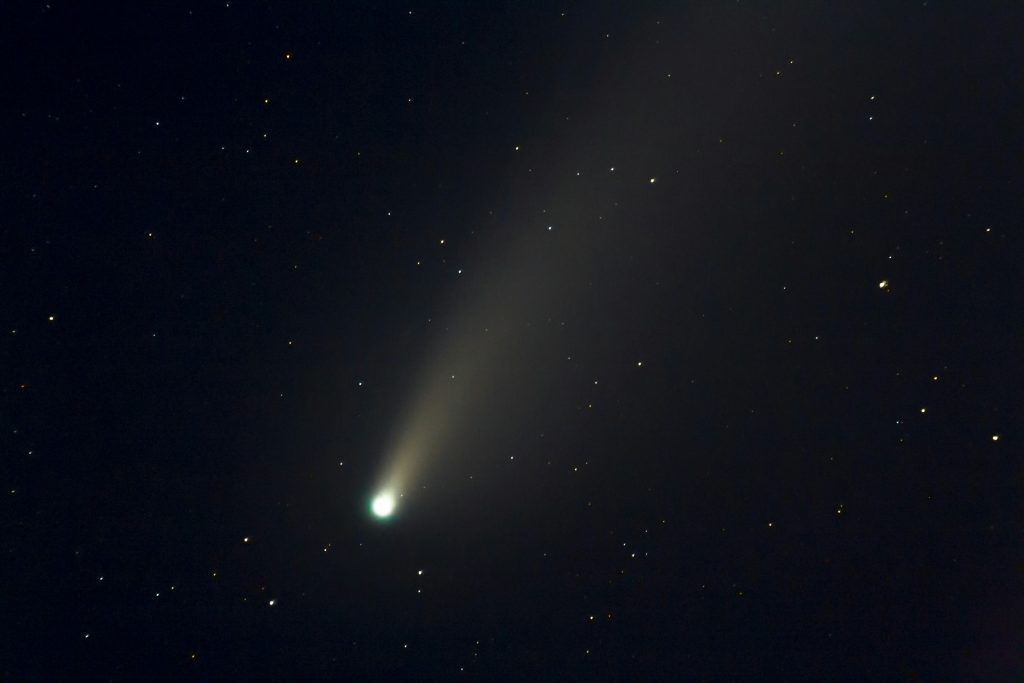
Spectrophotometric studies with the Joan Oró Telescope showed spiral jets of gas and dust consistent with cryovolcanism-eruptions of volatile ices triggered as sunlight penetrates the surface. The comet’s spectrum matches that of rare CR carbonaceous chondrites, meteorites rich in iron and nickel. As buried CO₂ ice sublimates, liquid oxidizing agents corrode fine metal grains, releasing additional gases and sustaining activity, propose the researchers. Metal-fueled cryovolcanism violates standard models for cometary formation, which presuppose low metal content.
3. A Comet with a 16-Hour “Heartbeat”
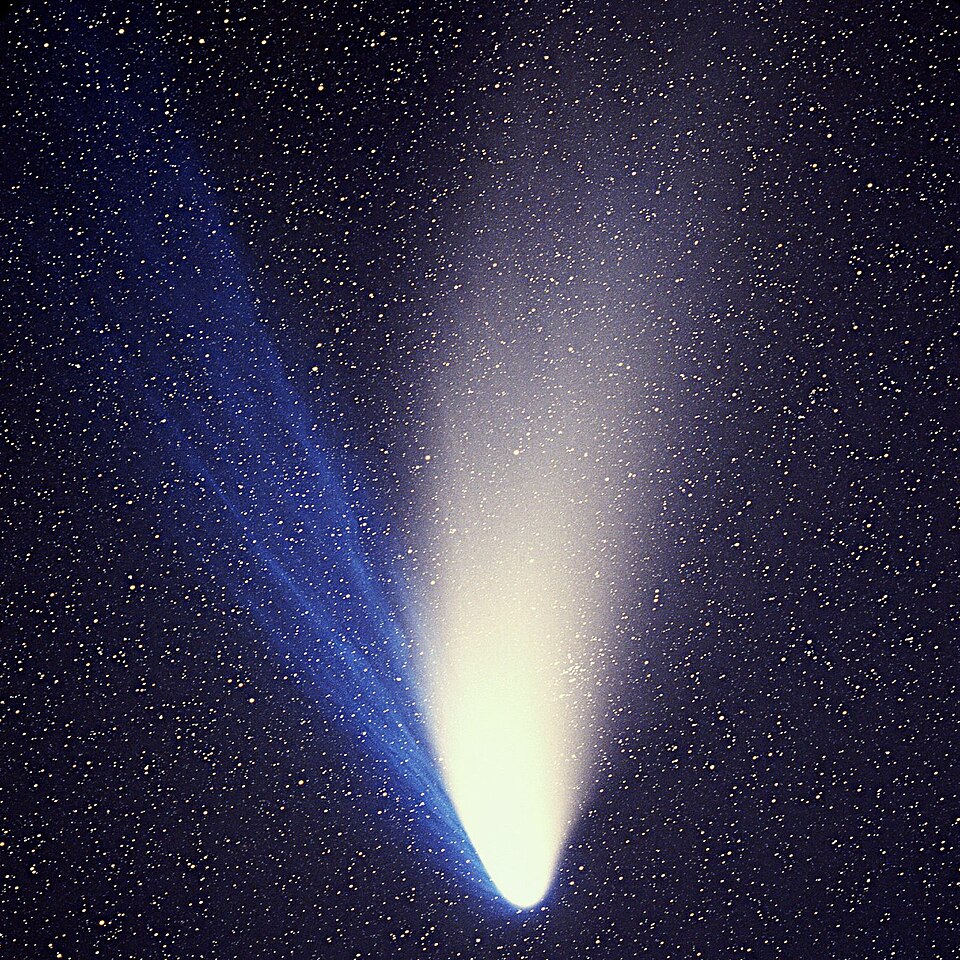
Time series photometry from multiple telescopes showed a 16.16 ± 0.01 hr rotation period, which produced a periodic brightness modulation of about 0.3 magnitudes. Such a “heartbeat” can perhaps be explained by jets turning on and off while different parts of the surface face the Sun. The signal vanished as the activity became stronger and masked the nucleus. Dust mass-loss rates derived ranged between 0.3 and 4.2 kg/s. This is indicative of very weak activity, largely dominated by large particles; this could be the reason no clear tail is seen.
4. Spectral Signatures Across Wavelengths
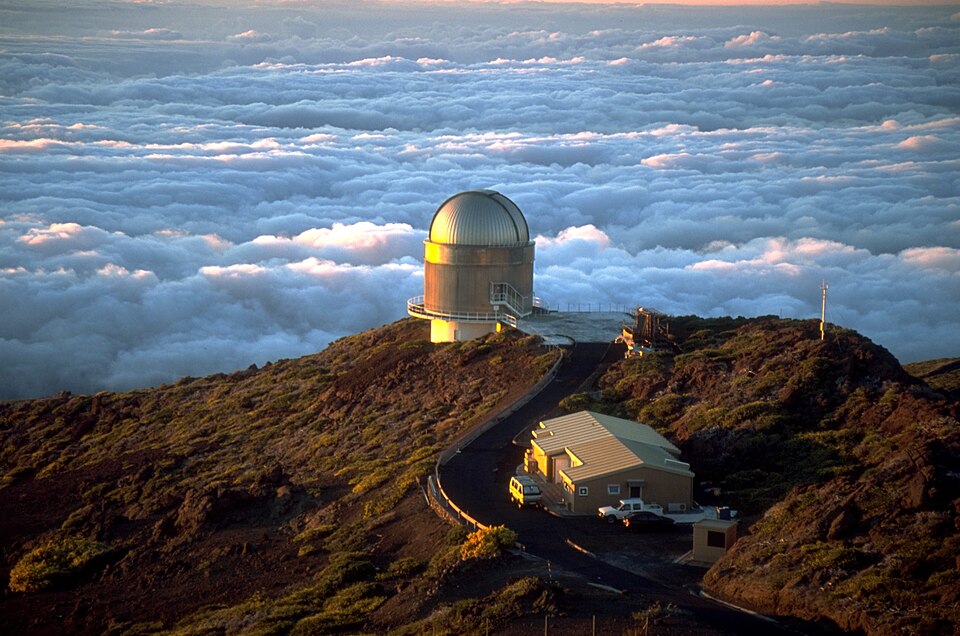
Optical spectra from the Southern African Large Telescope and Nordic Optical Telescope show progressive reddening in the 0.4–0.7 μm range and flatten beyond 0.7 μm. Near-infrared data show neutral to slightly blue slopes beyond 0.9 μm. These wavelength-dependent changes suggest evolving dust properties under solar heating; despite its extrasolar origin, the comet shows properties similar to those of outer solar system comets and trans-Neptunian objects.
5. Spacecraft Observations from Multiple Vantage Points
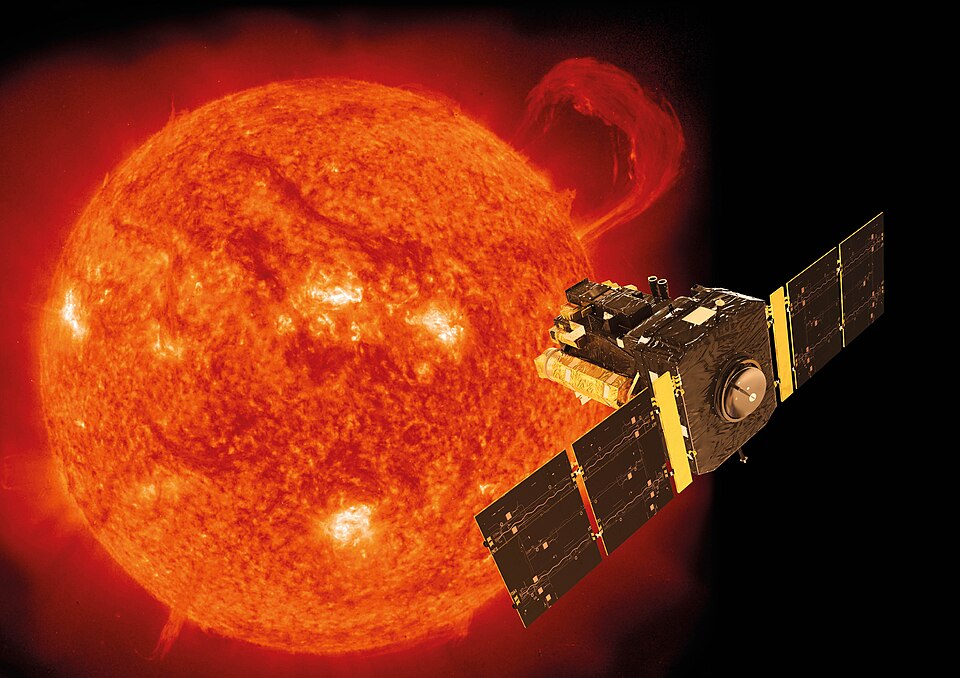
Because 3I/ATLAS spent much of its inbound path on the far side of the Sun, NASA and ESA coordinated a solar-system-wide observing campaign. The HiRISE camera aboard Mars Reconnaissance Orbiter imaged the comet from 19 million miles; MAVEN detected ultraviolet hydrogen emissions; Perseverance caught a faint view from the Martian surface. The comet was tracked through solar conjunction by the solar observatories SOHO, STEREO, and PUNCH. Its coma and tail were imaged by the Psyche and Lucy missions. And ESA’s ExoMars Trace Gas Orbiter demonstrated a tenfold improvement in trajectory prediction by triangulating Mars-based and Earth-based data-a major planetary-defense milestone.
6. Prediscovery TESS Data
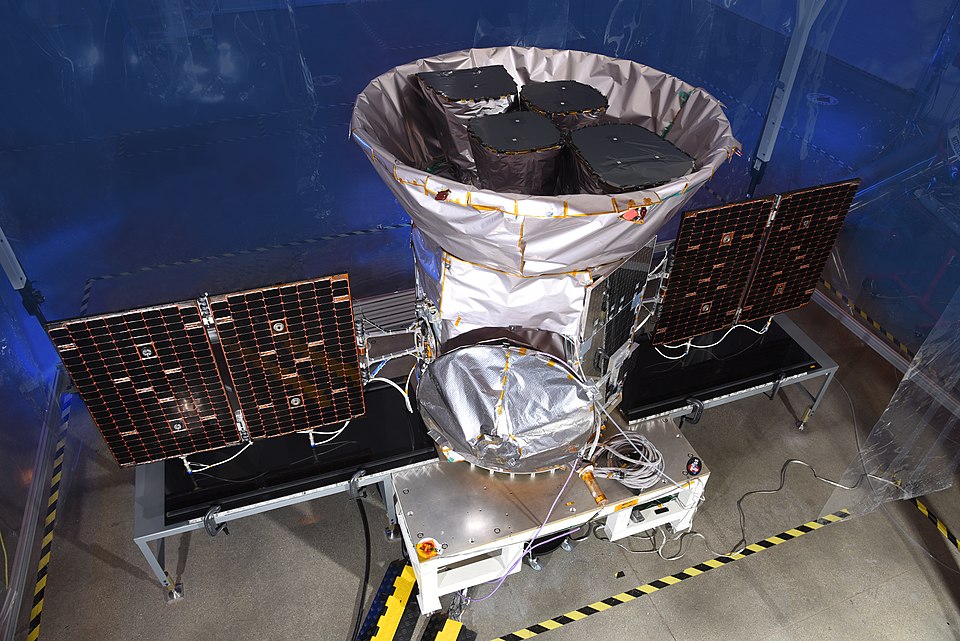
Fortunately, the Transiting Exoplanet Survey Satellite (TESS) observed 3I/ATLAS in May–June 2025, a total of 55 days before its discovery. At magnitudes around Tmag 20.9, the comet was invisible in single frames, and thus tracked image stacking and point-spread-function photometry were necessary. The prediscovery data fill a gap in its light curve, confirming early brightness increases and putting constraints on the pre-perihelion activity.

7. Orbital Refinement and Planetary Defense Lessons
The CaSSIS camera, repurposed from Martian surface imaging on the ExoMars TGO, imaged the comet from 29 million km. Triangulation with Earth-based observations reduced the positional uncertainty by a factor of ten. This was the first time astrometric data from a spacecraft orbiting another planet were submitted to the Minor Planet Center. Such multi-vantage tracking could be critical for future hazardous objects, enabling precise targeting for deflection missions.
8. Physical Scale and Composition
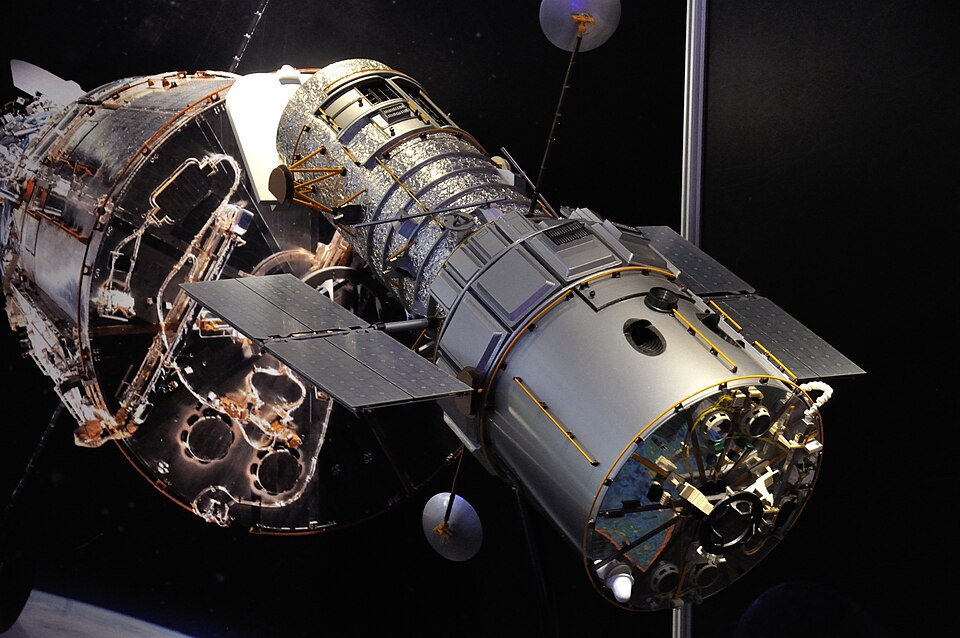
Hubble Space Telescope limits set the nucleus in the range from 440 m to 5.6 km across. If it is near 1 km in diameter and is metal-rich, its mass could be in excess of 600 million metric tons. The composition of the coma is dominated by CO₂, but water, CO, cyanide, and nickel vapor have also been detected. High CO₂-to-water ratios and spectral features similar to trans-Neptunian bodies suggest building-block chemistry shared between planetary systems throughout the galaxy.

9. How to See It
At closest approach, 3I/ATLAS will be in Leo, just below Regulus, best viewed in pre-dawn hours with telescopes at least 30-cm aperture. It will remain far below naked-eye visibility, peaking near magnitude 9–11. Public viewing events and live streams-including the Virtual Telescope Project’s 04:00 UTC broadcast-offer real-time access. NASA’s “Eyes on the Solar System” offers interactive tracking.
10. Departure into interstellar space:
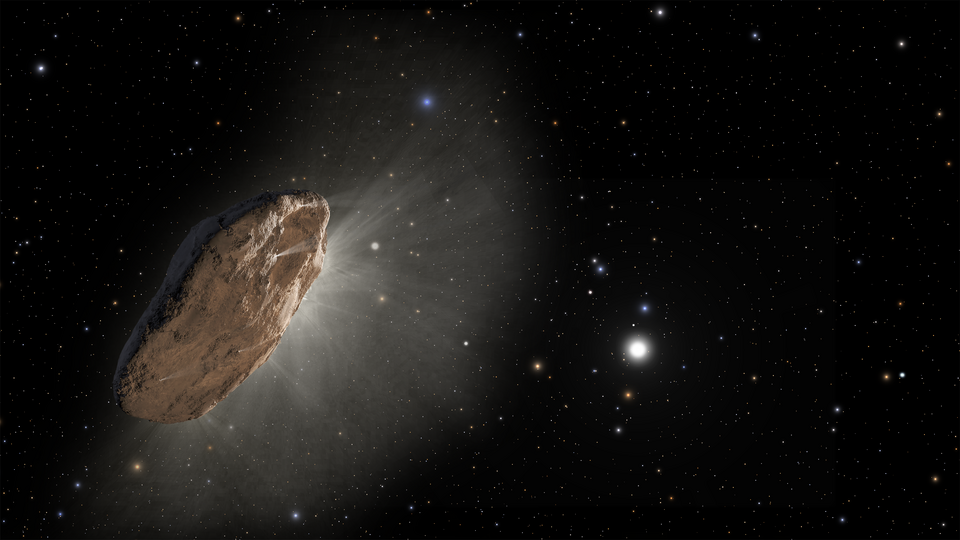
After December 19, it will be heading outward, passing 0.36 AU from Jupiter in March of 2026, before it begins to fade from view. It will disappear into the interstellar medium, carrying with it a record of its parent system’s chemistry and geology. Collected data-from cryovolcanic plumes to spectral slopes-will be analyzed for years to come, refining models of the formation of comets and the evolution of interstellar material. From its hyperbolic orbit to its metal-rich cryovolcanoes, 3I/ATLAS is more than a distant speck; it is a messenger from another sun, briefly within reach of humanity’s instruments, offering a direct sample of the galaxy’s diversity in planetary building blocks.


