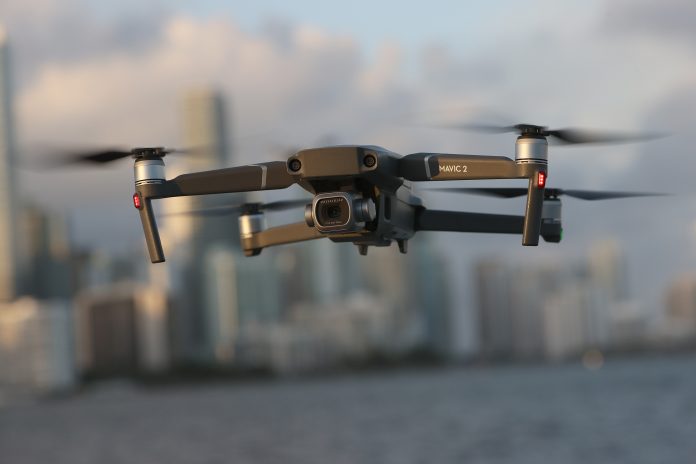
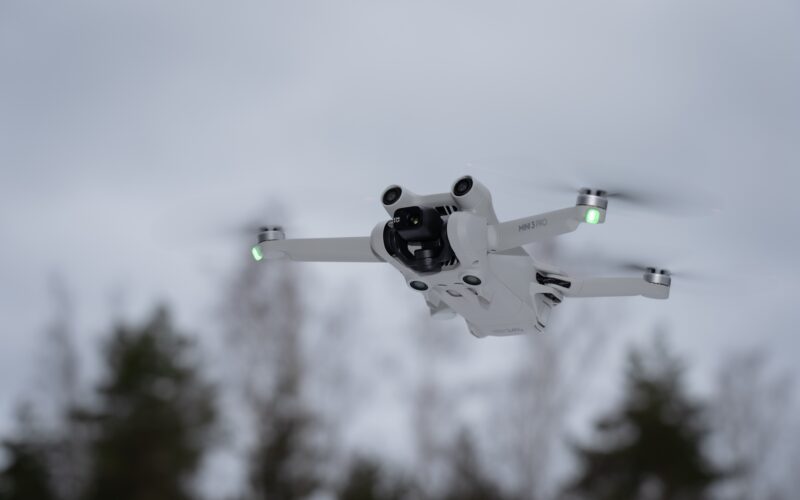
In less than three weeks, the world’s largest drone maker could be locked out of one of its biggest markets. Unless a national security audit-stalled for months-is completed, DJI faces an automatic US ban on new imports starting Dec. 23, 2025. The looming deadline caps years of escalating restrictions, court fights, and political maneuvering that have already stripped store shelves of DJI’s flagship drones.
It’s not just some geopolitical headline for tech-savvy pilots or UAV professionals; it’s a direct hit to the gear they depend on, the workflows they built, and the future of drone innovation in America. From courtroom defeats to FCC crackdowns, the DJI saga reveals how national security policy, market competition, and emerging alternatives are colliding in real time. This listicle breaks down the most critical developments that shape DJI’s uncertain US future and what they mean for pilots, agencies, and the wider drone ecosystem.
1. Court Ruling Keeps DJI on Pentagon’s Blacklist
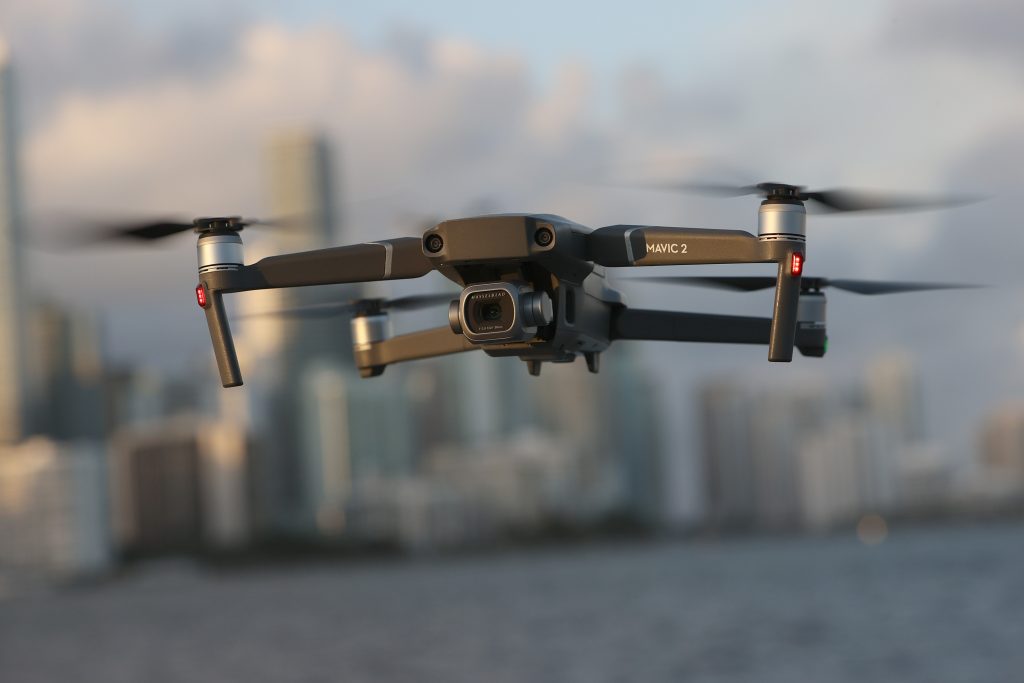
In September 2025, US District Judge Paul Friedman ruled in favor of the Pentagon’s designation of DJI as a “Chinese Military Company” under Section 1260H of the NDAA. Though the court dismissed most of the Department of Defense’s claims-including alleged Chinese Communist Party ownership-it found DJI’s recognition as a National Enterprise Technology Center and its “substantial dual‑use applications” sufficient to justify listing the company.
For DJI, the decision locks in reputational damage and a ban on federal contracts from 2026 onward. The ruling also gives the Pentagon far-reaching discretion to blacklist some companies while sparing others, even when their government ties are similar. DJI filed an appeal, saying the rationale was too narrow and common among civilian technology firms.
2. FCC’s Expanded Powers Threaten Existing Models
On October 28, 2025, the FCC voted unanimously to give itself authority to restrict previously authorized devices if their makers land on the FCC Covered List. That means even DJI drones already cleared for sale could face retroactive bans. Under the FY25 NDAA, if a mandated security review isn’t completed by December 23, DJI will be added to the Covered List automatically.
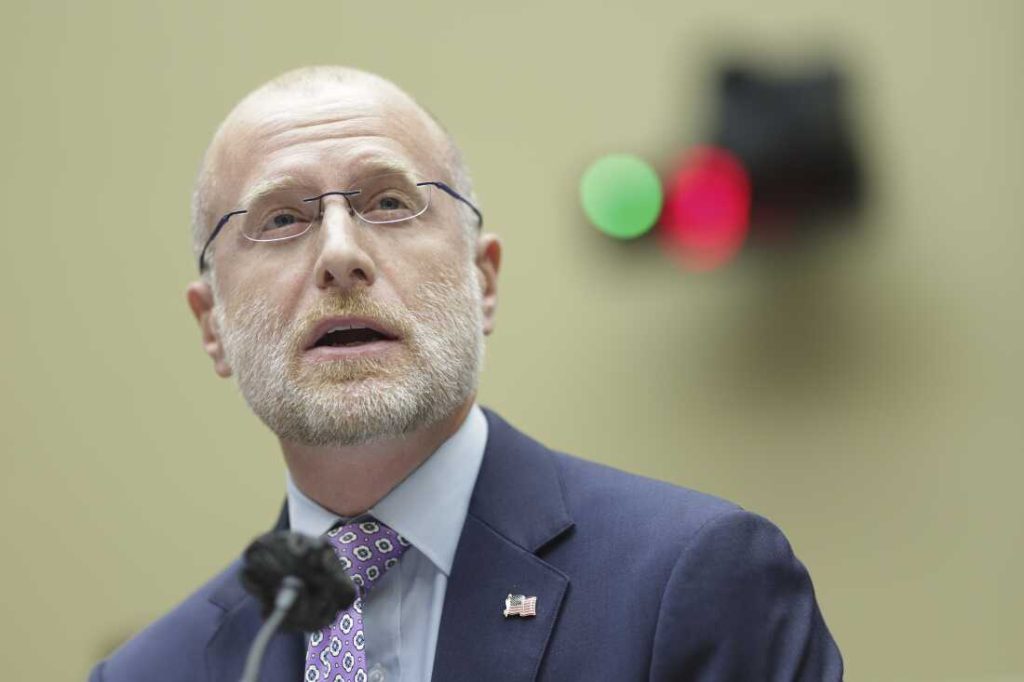
FCC Chairman Brendan Carr said that the move closes supply‑chain loopholes, while Commissioner Olivia Trusty warned of risks from individual modules inside complex devices. For drone operators, meanwhile, the new rules add uncertainty to fleet planning: existing drones won’t be grounded overnight, but future repairs and updates and imports could be cut off.
3. Customs Blocks and Disappearing Shelf Space
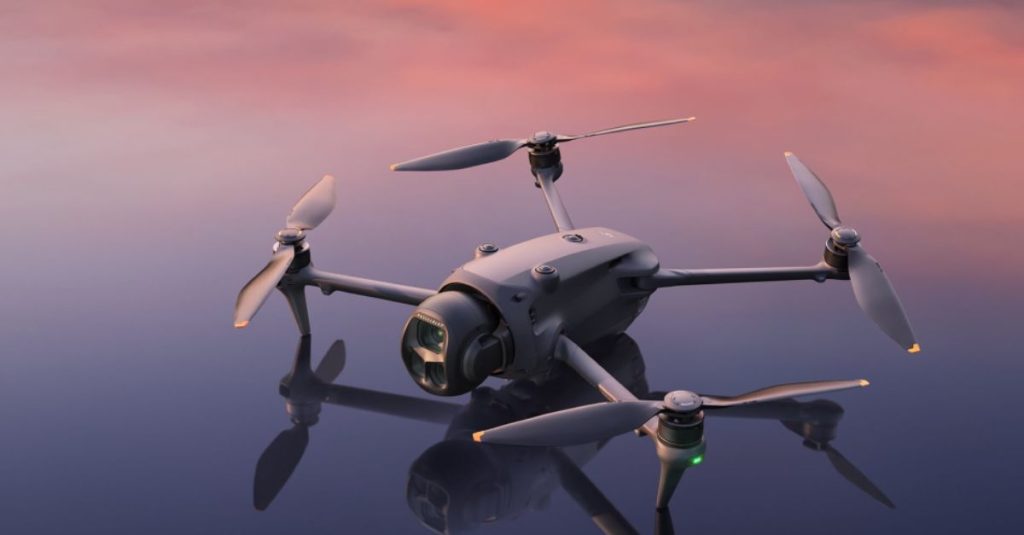
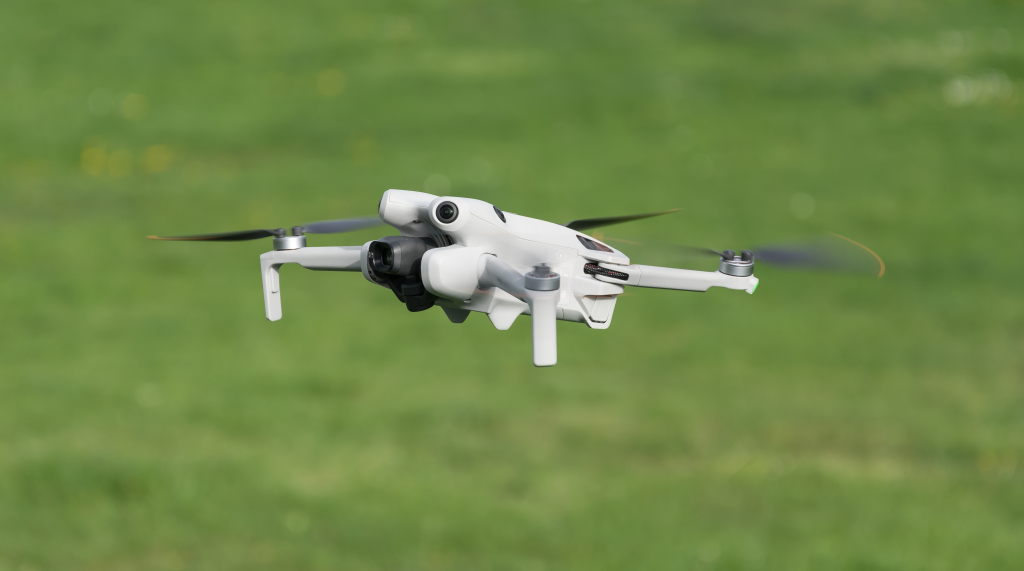
Even before the court ruling, US Customs had been intercepting DJI shipments, citing forced‑labor concerns allegations DJI denies. Combined with tariffs and political pressure, these actions have left US retailers with bare shelves. Flagship models like the Mavic 4 Pro and Mini 5 Pro launched globally but skipped the US entirely.
Some DJI products have reappeared under alternate branding-such as SkyRover for drones and Xtra for cameras-but the FCC’s expanded powers could close that loophole. For pilots, the practical effect of this rule is fewer official channels to purchase new gear, higher resale prices, and reliance upon grey‑market imports.
4. Public Safety Agencies Brace for Capability Loss
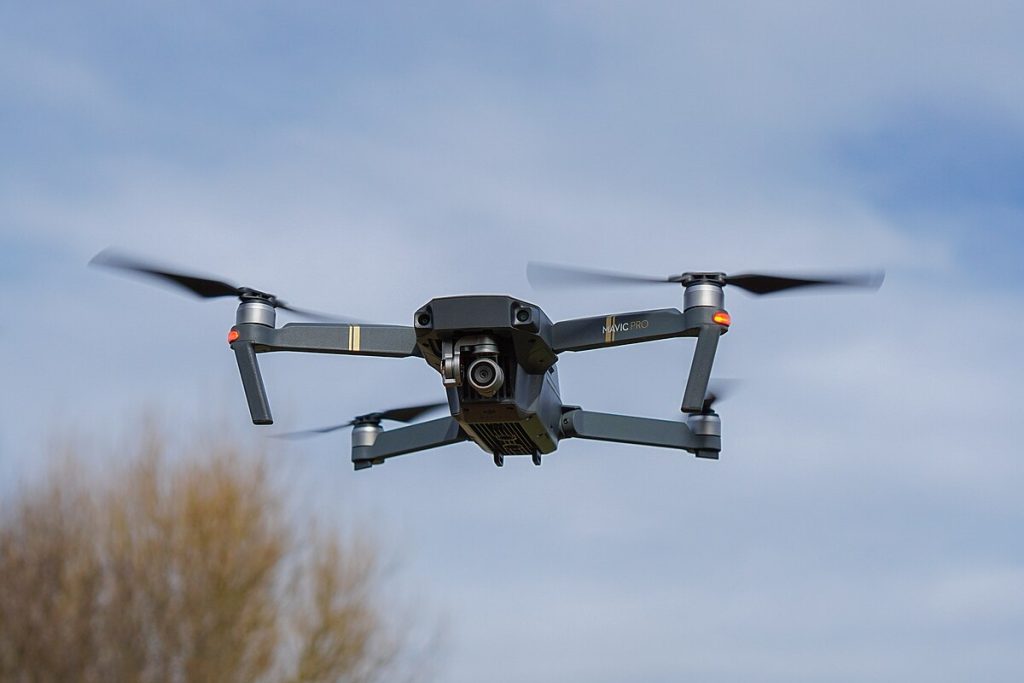
Police, fire, and rescue units heavily rely on DJI drones because of their affordability and performance. Florida’s ban on Chinese drones this year forced agencies to ground hundreds of units, revealing stark gaps in US-made replacements. Orlando Police Sergeant David Cruz reported losing five drones with American models in 18 months, when none were lost with DJI over five years.
Then there’s the costs: swapping out fleets to their approved alternatives can run “8 to 14 times more,” with Florida estimating a price of $200 million. With the federal ban pending, grant programs are on the horizon, but most departments face reduced air coverage and significantly lowered operational effectiveness.
5. Commercial Sector Faces Higher Costs and Slower Workflows
From agriculture to construction, dominance by DJI is rooted in its ability to deliver advanced features for competitive prices. “They are the main drone maker in the United States at a fair price,” Senator John Boozman has acknowledged. Taking away DJI from the market is supposed to enable domestic manufacturers, but at the end of 2025, there is no US or European rival that matches either its scale or breadth of technology.
A secret government study of 2021 warned that switching to US‑made drones could cut capability by over 80% in some sectors, while sharply increasing costs. Businesses will need to budget for pricier hardware, retraining, and possible workflow redesigns.

6. Recreational Pilots Face Diminishing Options
DJI controls around 90% of North America’s consumer drone market. After December 23, 2025, US pilots won’t be able to buy new DJI models domestically, though flying existing drones remains legal. Spare parts and software updates may become harder to source.
Some hobbyists are stocking up now by taking advantage of pre‑ban discounts, others are looking into used markets or DIY builds. Skydio and Parrot are among the brands that could pivot towards hobbyists, but many pilots fear losing DJI’s hallmark blend of ease‑of‑use, camera quality and intelligent flight features.
7. Global Market Divergence
While the US readies a ban on DJI, allies like Canada, Australia, and EU nations allow its drones for commercial and recreational flying. The schism raises questions about the US evidence behind the espionage claims and may drive DJI to put more emphasis on markets that have fewer restrictions. China believes the ban is part of a more extensive tech Cold War, and industry analysts are warning that Washington may pressure partners to follow suit. International operators could, for now, benefit from surplus inventory and sustained access to DJI’s latest technology, which widens the gap between US and global drone capabilities.
8. PLA’s Military‑Civil Fusion Context
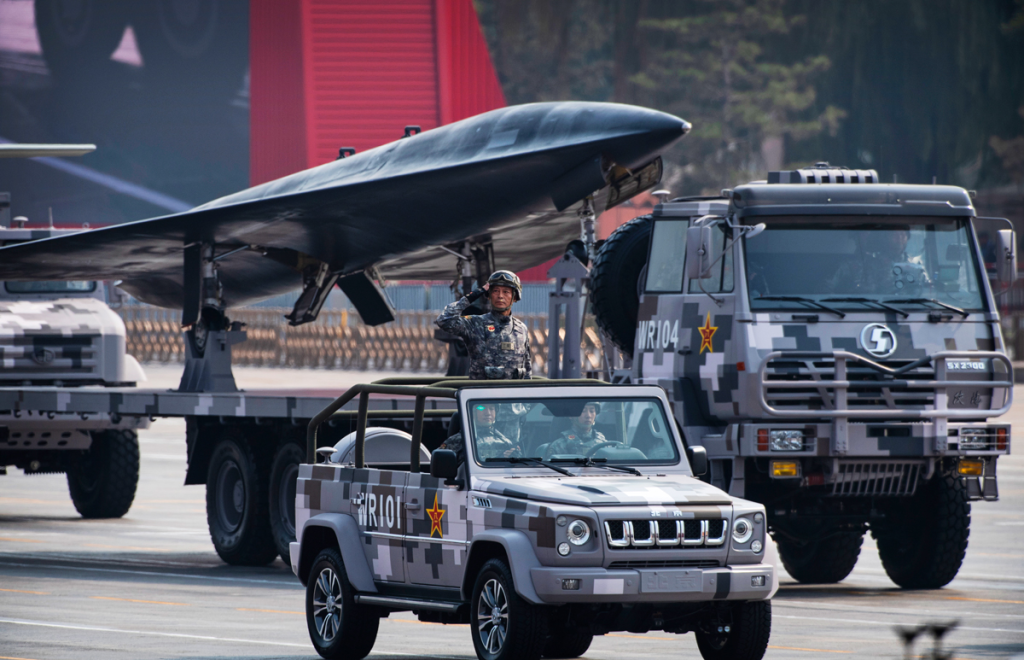
This is the legal basis for the Pentagon’s case against DJI: China’s military‑civil fusion strategy, which calls on civilian tech firms to support defense goals. Chinese advances in unmanned systems, AI, and quantum technologies blur the line between commercial and military uses. The NETC status binds DJI to state innovation programs that confer generous subsidies and tax breaks. Judge Friedman cited those ties, along with the dual-use nature of DJI’s drones – capable of civilian filming or battlefield surveillance as justification for the blacklist.
9. Emerging Alternatives Like Antigravity’s 360‑Degree Drone
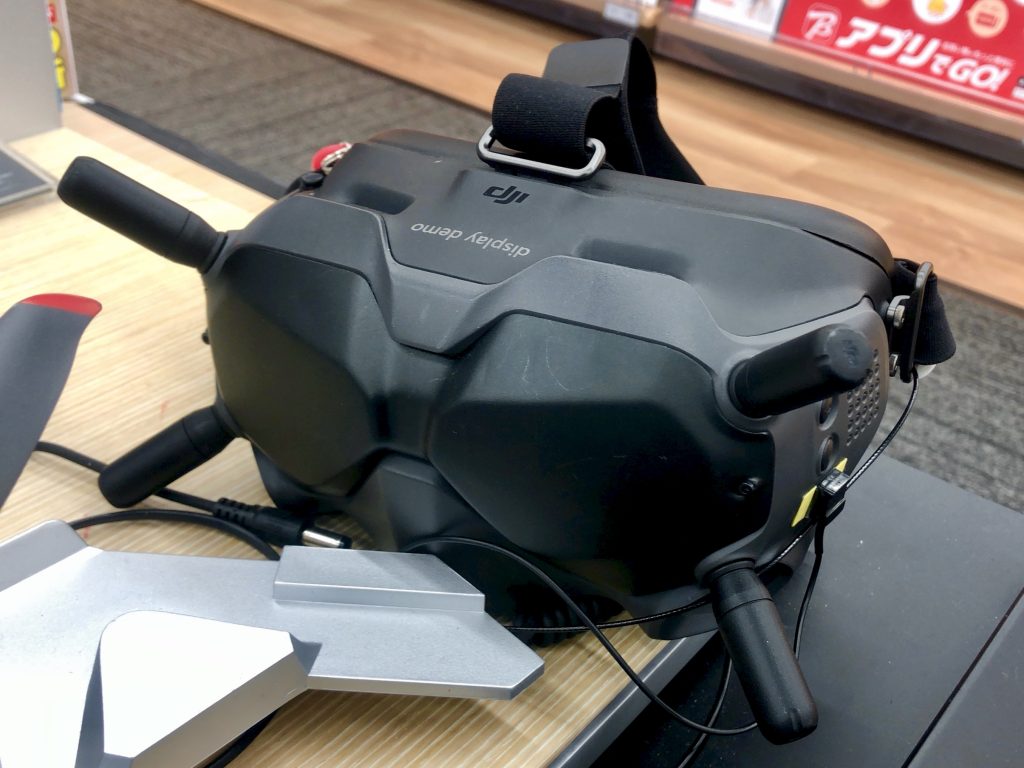
With DJI’s US future in doubt, the competition is pouncing on the moment. Insta 360’s new Antigravity brand launches in January 2026 with a flying 360‑degree camera bundled with FPV goggles to upend how drones are designed and flown. Not a replacement for DJI’s workhorses, at least directly, Antigravity’s approach-immersive cockpit views and autonomous filming-may well be what hobbyists and creative professionals are looking for in new ways.
The question is whether such innovations scale to meet the broader performance and reliability needs left by DJI’s potential exit. DJI’s fight for a place in the US market has become a flashpoint at the crossroads where technology, national security, and global trade converge. For pilots and professionals, the outcome will shape not just what drones they can buy but how they fly, work, and innovate. Whether domestic makers can fill the gap or the skies grow quieter, the coming months will mark a turning point in America’s drone story-one written as much in courtrooms and policy offices as in the air.


