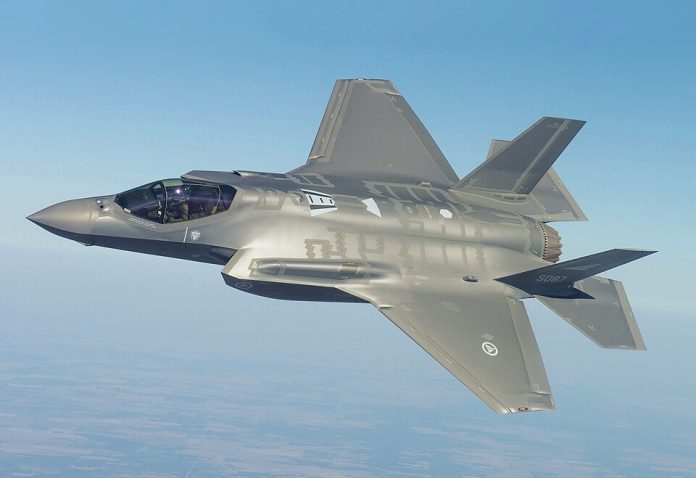
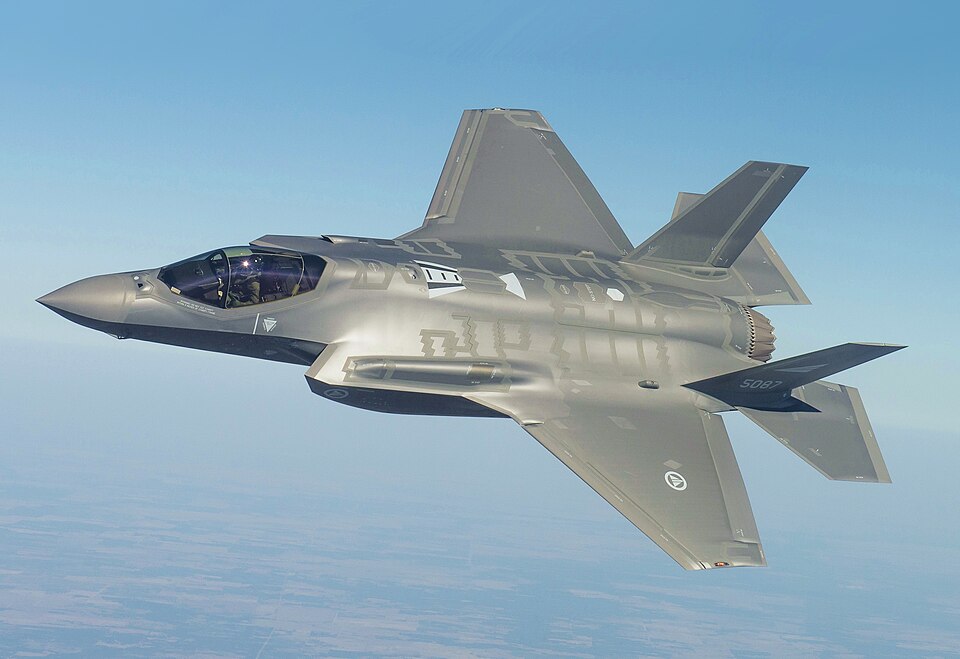
Earlier this year, Lockheed Martin CEO Jim Taiclet remarked to the U.S. president, “Dogfights are not what we want anymore.” His comment emphasized a major change in air combat strategy that relies heavily on stealth, controlling the sensor environment, and engaging from a distance rather than close-in fighting. After losing the Air Force’s Next Generation Air Dominance (NGAD) competition to Boeing’s F-47, Lockheed is making a big bet with a daring alternative: an “ultra-performance” F-35.
The idea is not to build a new aircraft completely but to combine the advanced technology of the NGAD with the already tested F-35 structure, thus achieving 80% of the sixth-generation capability at half the price. The idea is getting the spotlight not only because of its technological complexity but also due to its enormous potential to influence procurement priorities and the fighter’s lifespan extension up to the deep 2030s.
As there are already self-funded prototypes underway and “very active” discussions with the Pentagon, Lockheed’s fifth-gen-plus concept might bring in stealth improvements, autonomy, and weapon upgrades much quicker than a new design from scratch. These are the nine major factors that reveal this high-stake transformation.
1. NGAD Tech Transfer at Scale
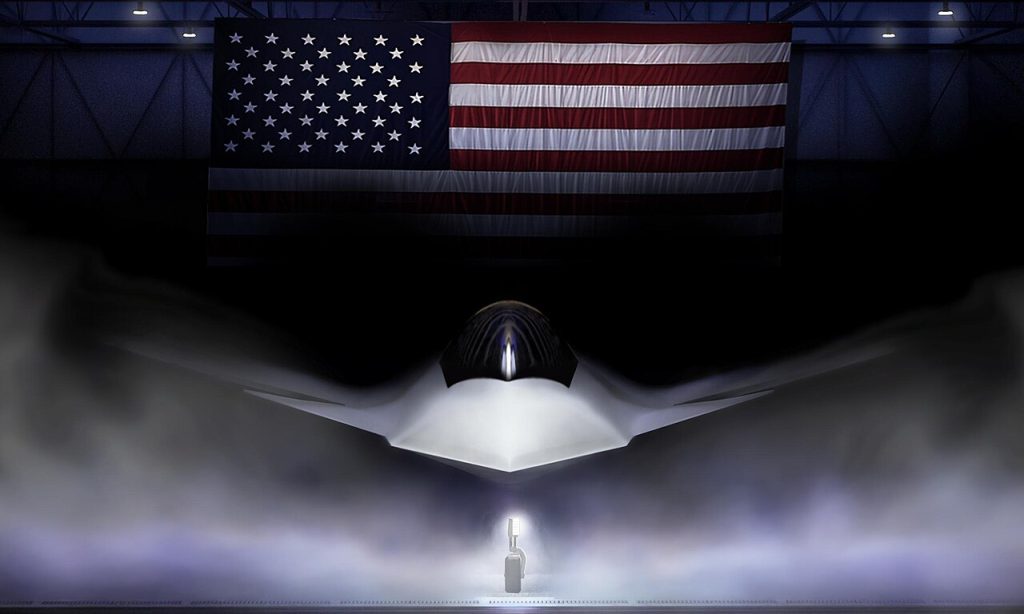
Lockheed’s Skunk Works has created NGAD stealth, propulsion, and inlet designs with new sensors and coatings. Taiclet’s plan is to install these sixth-gen features into the F-35 and F-22, thus creating a huge jump in performance at the cost of just one less new platform. Such reverse engineering can lead to super stealth, very effective electronic warfare and a wide range of new weapons for the aircraft. The objective is quite explicit: provide “the greatest aggregate level of air superiority capability at the most efficient cost.”
2. Advanced Stealth Coatings
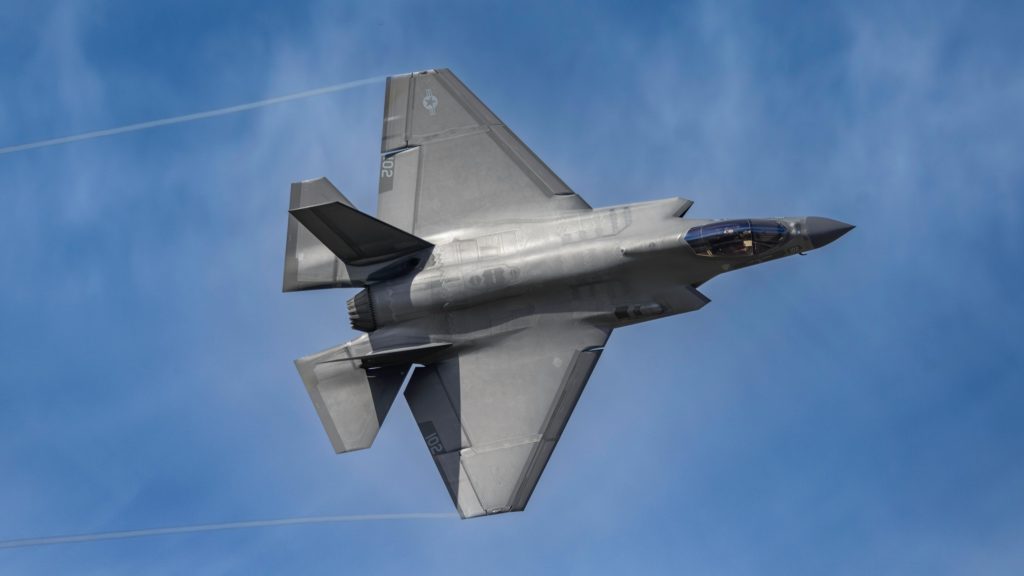
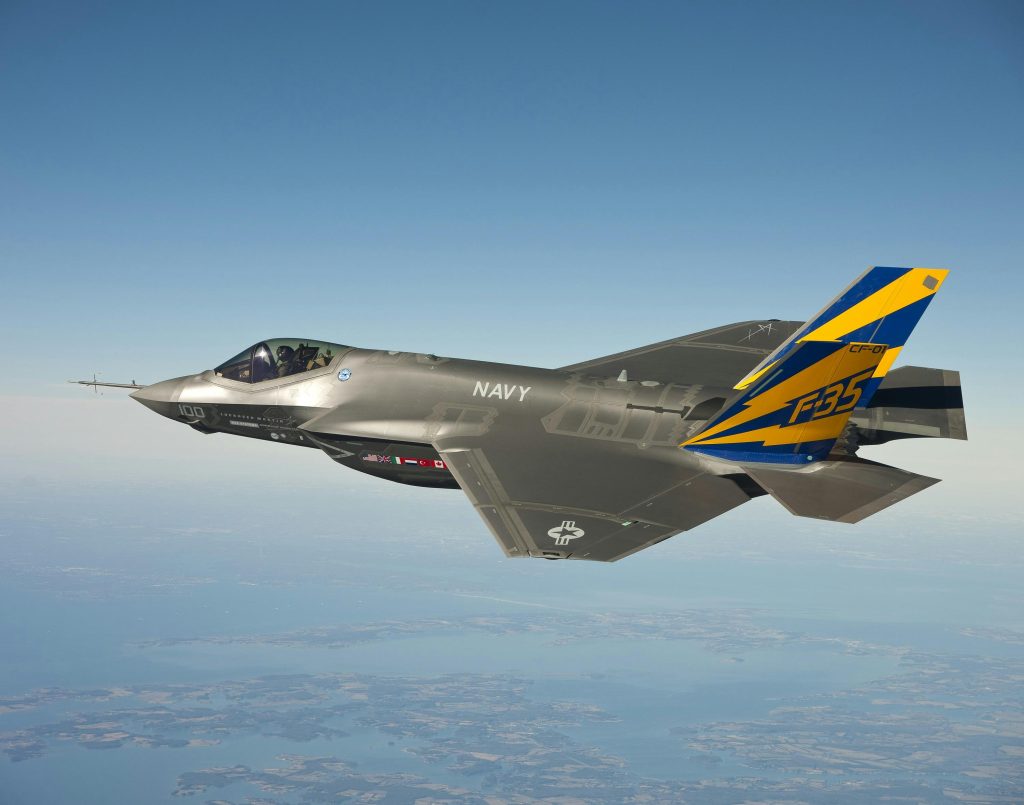
The upgrade most people can envision is the introduction of new IR and radar-absorbing materials whose development was part of the NGAD mission. Such substances could shorten the ranges of the detections, make the aircraft easier to maintain, and even through the tested mirror-like surfaces put on the F-35s, F-22s, and F-117s, reflect the radiation hitting them. Improved signature reduction would be crucial against ever more lethal air defense networks.
3. Outer Mold Line Refinements
Some modification to F-35’s outer mold line, among others, engine inlets, and exhaust nozzles, aimed at eliminating or diminishing radar signature from direct back aspects. These changes, derived from NGAD aerodynamic studies, could lessen stealth compromises resulting from a partial overhaul. The shaping of the engine intake is extremely important in particular as the sensors of the opponents are getting more and more powerful.
4. More Powerful Engines
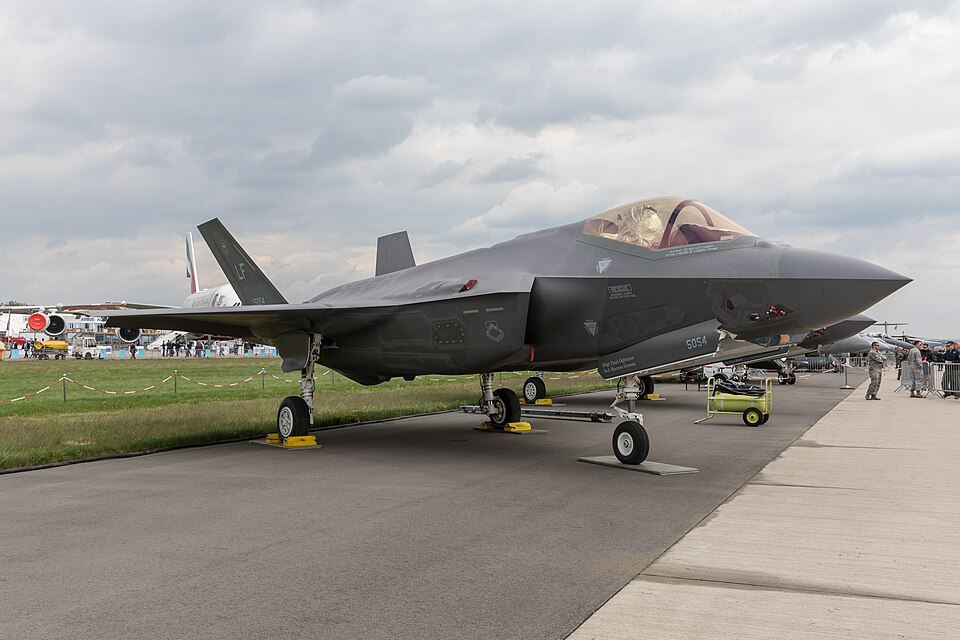
Lockheed is looking at possible propulsion changes that would bring about an increase of the total output, the energy efficiency, and as well the heat dissipation. The most advanced motor will not only mean an increase in the aircraft performance but also the fueling of such power-intensive equipment as, for example, directed-energy weapons or next-gen sensors. While no detail has been given, the F-35 integration with NGAD-level propulsion technology can be a major turning point.
5. Pilot-Optional Capability
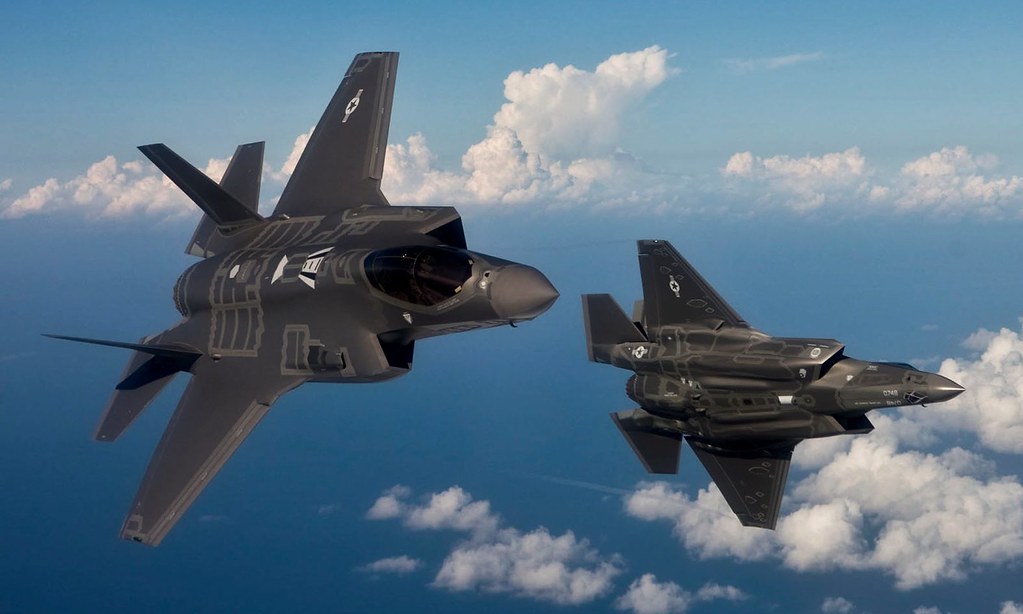
Taiclet, on numerous occasions, has put the possibility of the F-35 being optionally manned as one of the closest developments “within a relatively modest time frame.”NGAD autonomy development and AI flight test like the X-62A VISTA can be used in this upgrade which could eventually be given unmanned mission capabilities, drone wingmen-facilitated F-35 operations, or sending the F-35 in a high-risk zone without the need of pilot safety.
6. Enhanced Electronic Warfare Suite
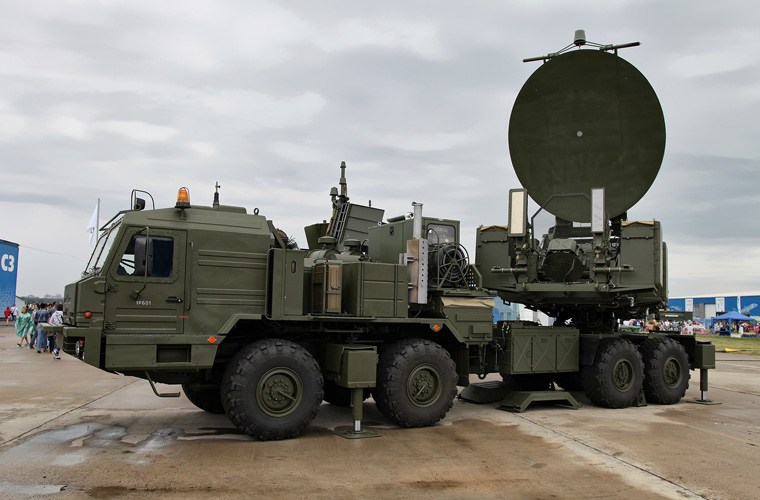
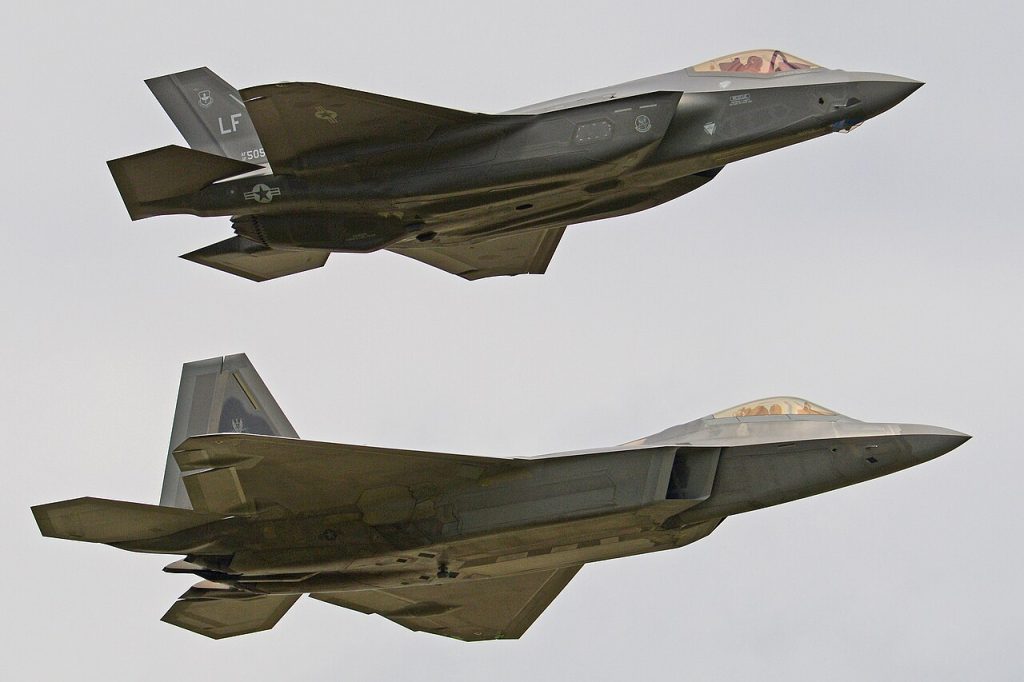
The “Ferrari” F-35 would feature EW capabilities improved by NGAD-derived technology, thus enhancement of the threat detection and jamming capacity already existing in the Block 4 modernization cycle. Improved networking, sensor fusion, and quicker deployment of countermeasures will enhance the ability of the aircraft to survive and be lethal in the contested battlefields.
7. Stealthy Communications
Communications that are secure and of low-intercept probability are the priority of fifth-gen-plus designs. By bringing in NGAD “stealthy comms,” the F-35 will be able to coordinate with other assets without a trace thus facilitating distributed operations and joint-force integration.
8. New Weapons Integration
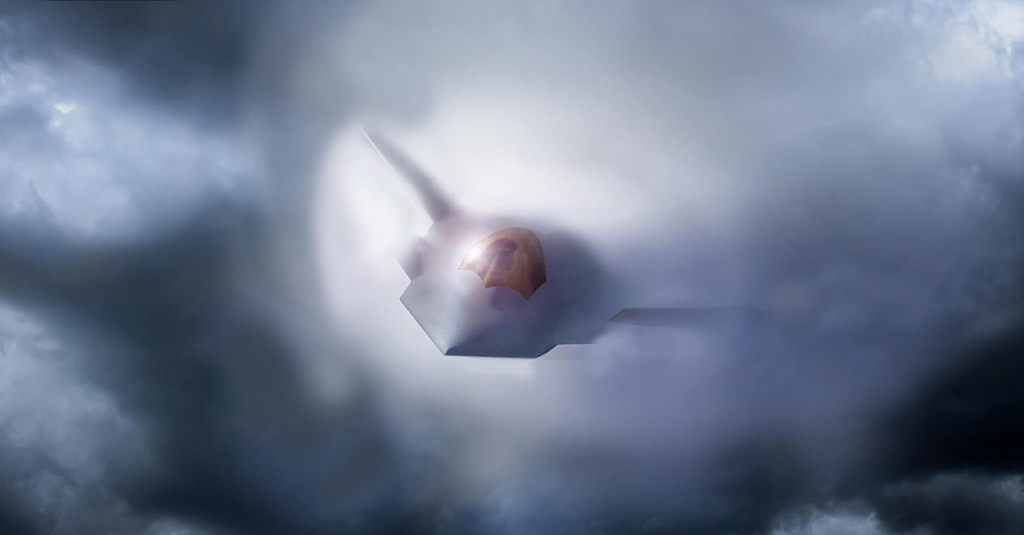
Lockheed foresees the possibility of advanced weapons developed for the NGAD transferred to the F-35. These may be long-range air-to-air missiles, precision strike munitions, or hypersonic systems, thereby not only extending the jet’s envelope of engagement but also letting it have the same level of capabilities as the emerging sixth-gen arsenals.
9. Export and Fleet Strategy
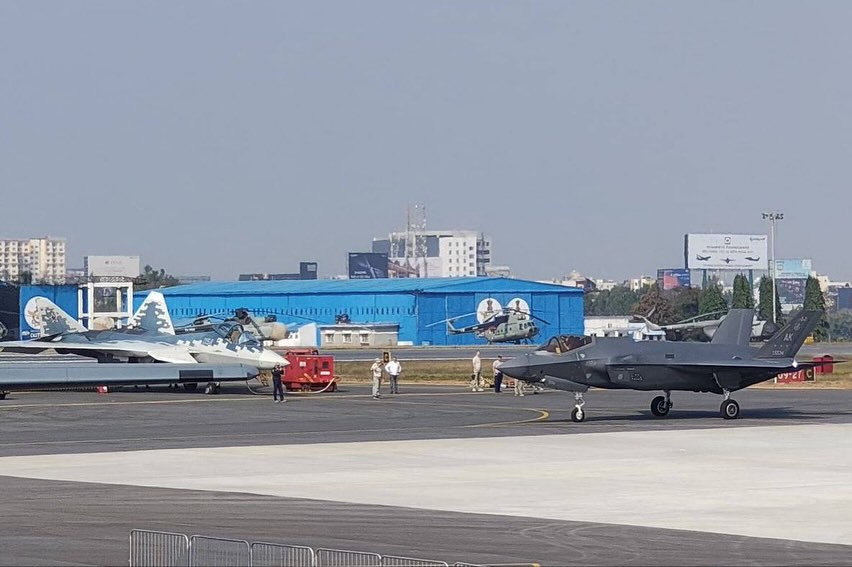
Taiclet has the idea of fifth-gen-plus F-35s (produced from the remaining run) numbering from 1,000 to 1,500 configurations to be delivered even if export restrictions are imposed on some of them. In this case, the likes of Saudi Arabia, Qatar, and India may be the benefactors with the conversation already started for turning the air superiority of the region into a stronghold. Apart from that, this plan may serve as a production, sustainment, and supply chain stabilization vehicle while funding continued upgrades.
Lockheed Martin’s conceptualization of the “Ferrari” F-35 goes beyond the ordinary promotion and is rather a strategic play to remain a key player in U.S. and allied airpower planning in spite of the NGAD loss. The move that combines current manufacturing with sixth-gen tech integration and autonomy pursuit is a challenge to the F-47’s dominance at a fraction of the cost. The Pentagon’s call will be based on the performance, affordability, and the next-gen capabilities’ urgency fielding before peer adversaries close the gap.


