What happens when the boundaries between electric vehicles, orbital infrastructure, and humanoid robotics dissolve into a single engineering vision? Elon Musk is betting that the convergence of Tesla, SpaceX, and xAI will redefine not just transportation or computing, but the very architecture of civilization’s energy and intelligence systems.

1. Solar-Powered AI Datacenter Satellites
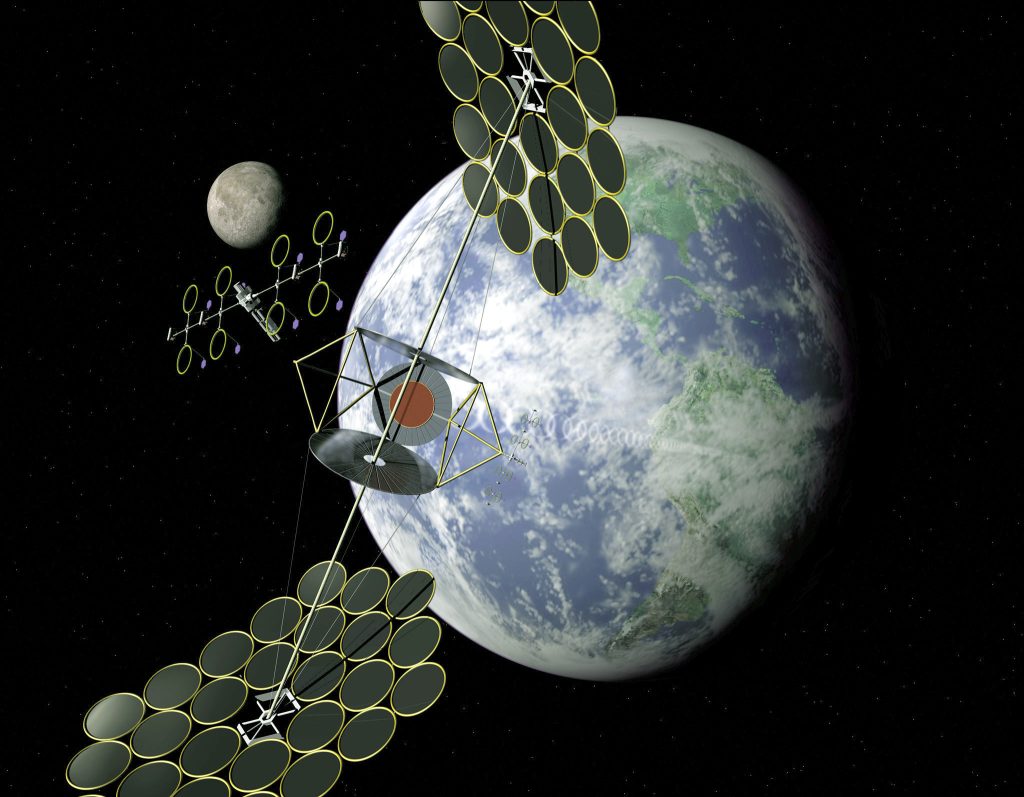
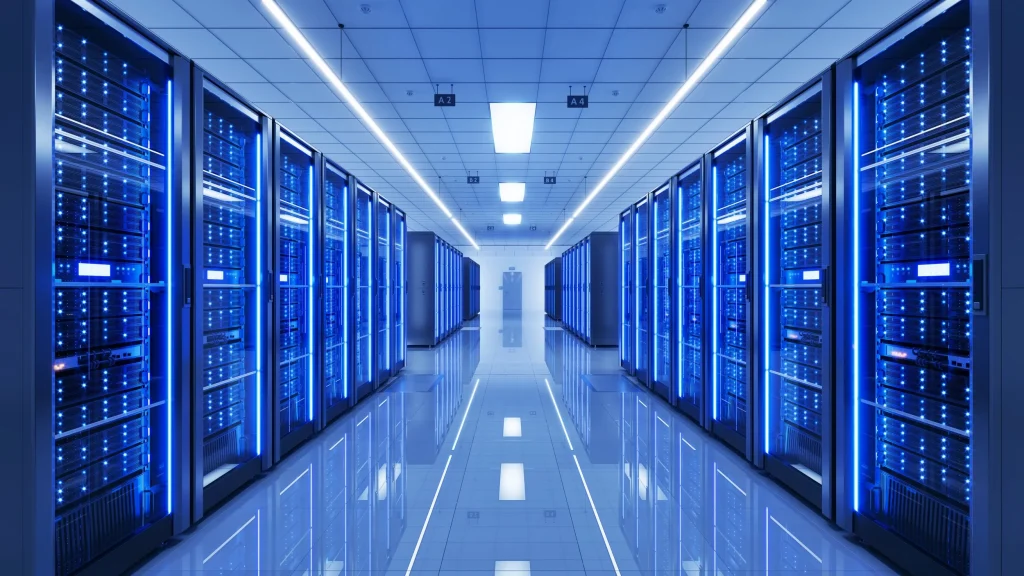
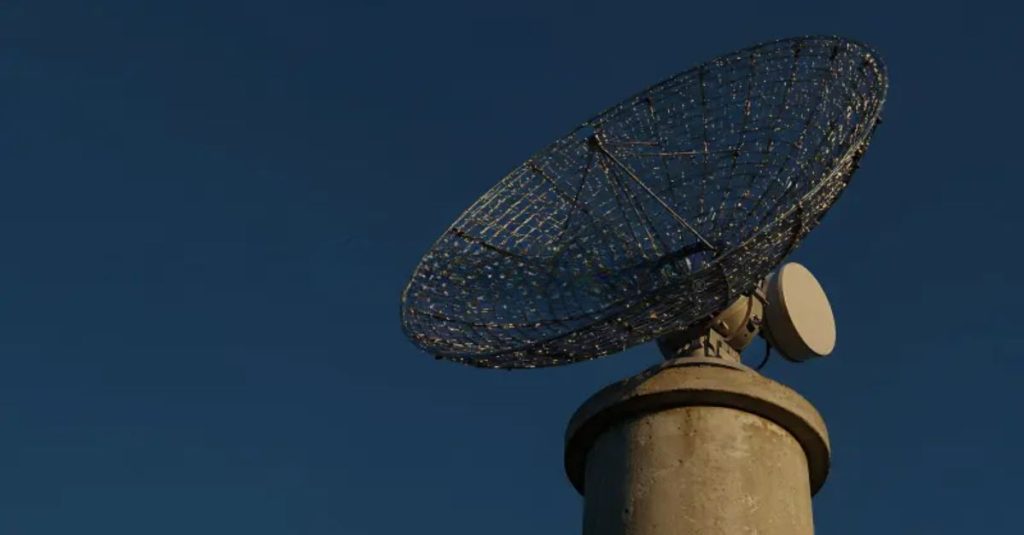
Musk’s latest effort puts a concentration on launching AI datacenter satellites powered by solar energy into deep space, capable of “harnessing a non-trivial amount of the energy of the sun”. This is similar to concepts such as Google’s Project Suncatcher, which has floated the idea of sun-synchronous, dawn-dusk orbits that would allow near-constant exposure to the sun. In such an orbit, panels could generate as much as eight times more power than ground-based arrays by sidestepping atmospheric losses and day-night cycles. The engineering challenges are pretty substantial: radiation-hardened semiconductors, orbital thermal management, and high-throughput optical interlinks between satellites to handle AI workloads. In Musk’s vision, the system bundles SpaceX’s launch capability, Tesla’s energy storage and solar technologies, and xAI’s compute frameworks into one cohesive off-world AI infrastructure.
2. Climate Control Potential
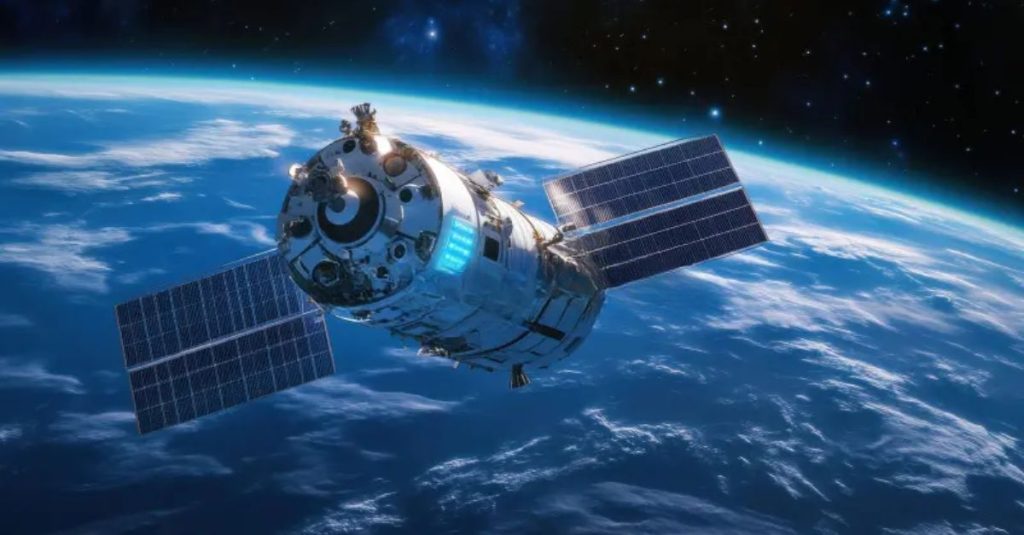
Beyond computation, Musk has floated the idea that a constellation of AI-managed solar satellites could actively regulate Earth’s energy balance in order to counter global warming. By making minute adjustments to incoming solar radiation, the system could theoretically prevent both runaway warming and cooling events. While technically feasible, experts warn that even a 1-2% reduction in sunlight could disrupt photosynthesis, agriculture, and rainfall patterns. The concept would require a global AI governance protocol to avoid geopolitical disputes over control and fail-safe designs to prevent catastrophic “termination shock” if the system were disrupted.
3. AI Compute and Thermal Challenges in Space
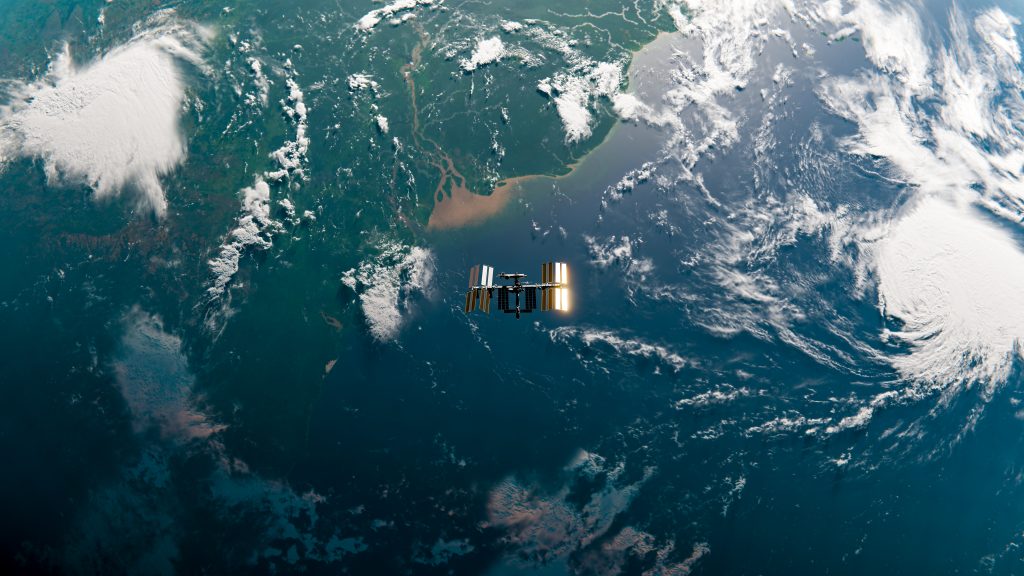
Running AI models at scale in orbit presents a unique set of constraints not found anywhere else. Space-based data centers must dissipate heat into the vacuum-a very efficient medium for radiative cooling but one that requires careful thermal regulation to protect delicate components. Power conversion systems must be ultra-reliable with minimal maintenance requirements, while AI accelerators-whether Tesla Dojo chips or other architectures-must be hardened against cosmic radiation. Without atmospheric convection, every watt of waste heat has to be accounted for through radiators-a factor driving satellite design at least as much as does solar collection efficiency.
4. Tesla’s Full Self-Driving Progress
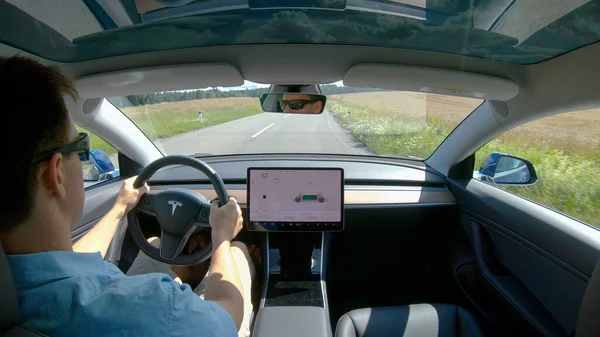
Musk again declared that “Tesla is the world leader in real-world AI” and pointed to development of Full Self-Driving. The Dutch regulator RDW has granted Tesla until February 2026 to prove that FSD meets European safety standards. Taking this route of “national exemption” may set off a domino effect across other member states of the EU, but RDW has underlined that safety will be the guiding principle for the approval. Tesla has completed over 1 million kilometers of internal testing across 17 European countries, although the company remains tight-lipped about its disengagement data. For example, the latest FSD v14 has appeared to improve performance by leaps and bounds, even on snow-covered conditions-a milestone in reaching deployment in areas where winters can get pretty hard.
5. Satellite Communications to Mobile/Cellular
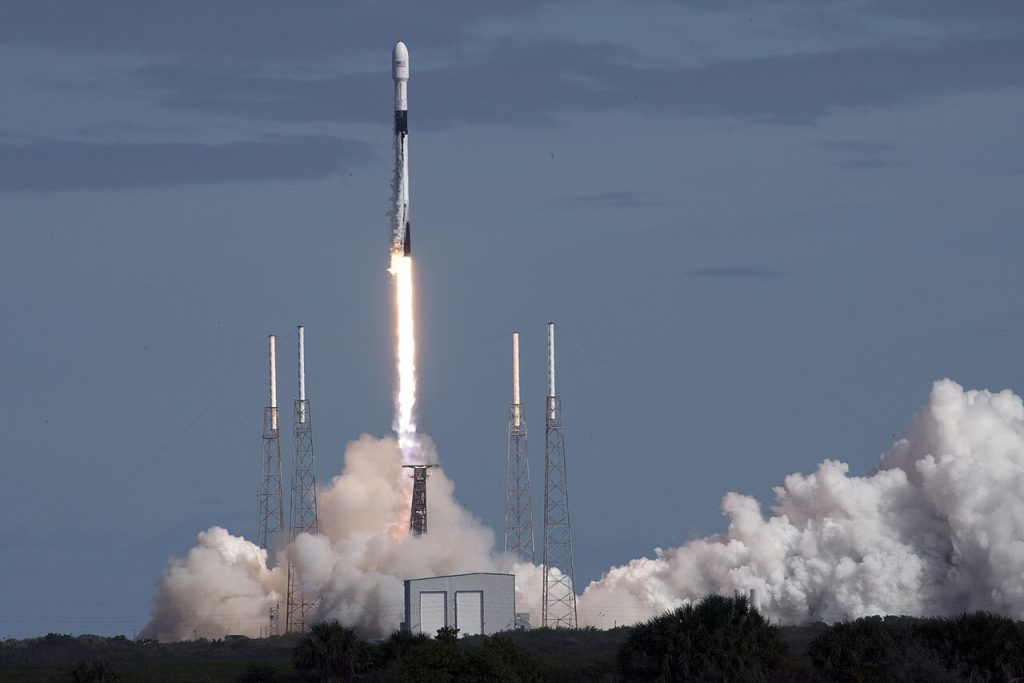
Already, SpaceX’s Starlink applies orbital engineering to terrestrial connectivity. In Ukraine, the recent launch of Kyivstar’s Direct to Cell service using low Earth orbit satellites with cellular payloads provides resilience during blackouts and in frontline regions, allowing Android 4G smartphones to connect directly to satellites and bypass damaged terrestrial networks. Integration with iOS is planned, while VEON Group’s agreements could extend the service to other markets such as Kazakhstan. Antenna size is one constraint, as are engineering processes for Doppler shift compensation and ensuring seamless handoffs between orbital and terrestrial networks.
6. Optimus Humanoid Robot Mass Production
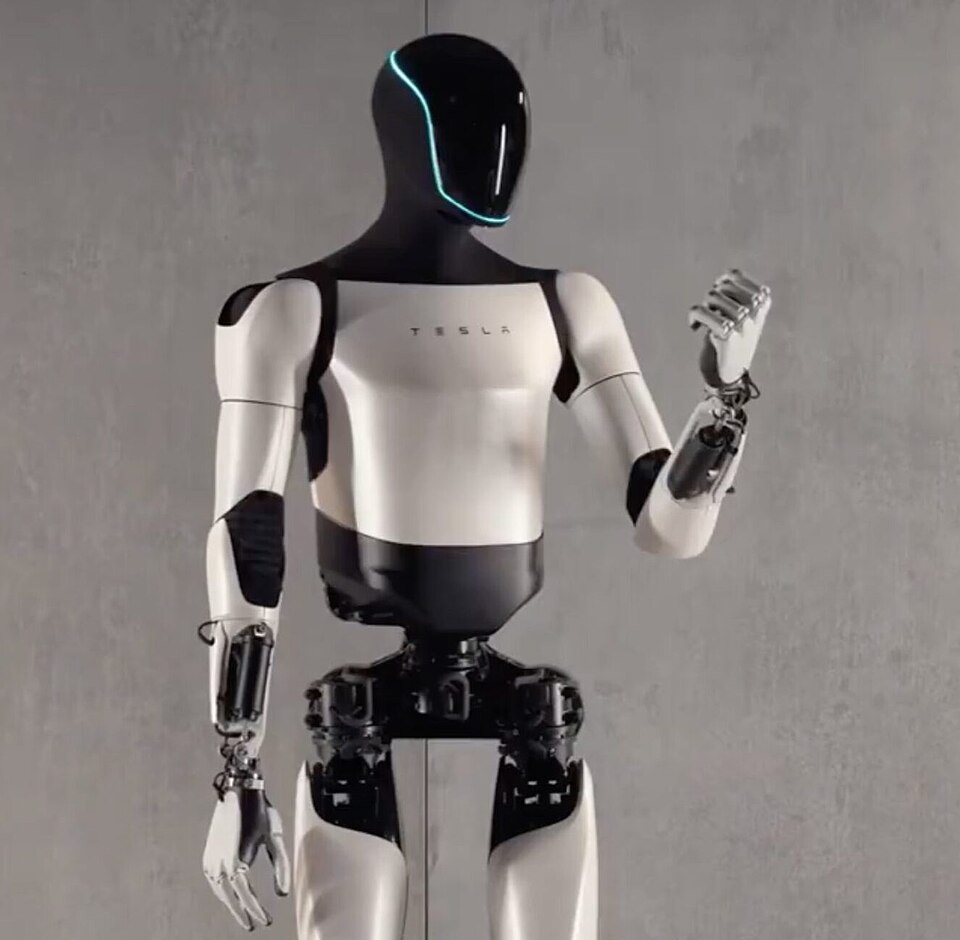
Tesla’s Optimus robot has moved from prototype to production, with Musk targeting scale manufacturing in summer 2026. Optimus Gen 2 walks 30% faster, balances better, has 11 degrees of freedom in its hands, and delivers tactile sensing. It operates off a 2.3 kWh battery and leverages Tesla’s vehicle-grade AI stack, complete with autopilot cameras and neural networks for navigation. The robot can deadlift 150 pounds and carry 45 pounds at a pace of 5 mph, so it’s definitely ready for factory work and perhaps domestic tasks. Musk thinks that by 2029, there will be millions of units on the road, referring to the system as an “infinite money glitch” given the prospect of running 24/7.
7. Economic and Supply Chain Implications
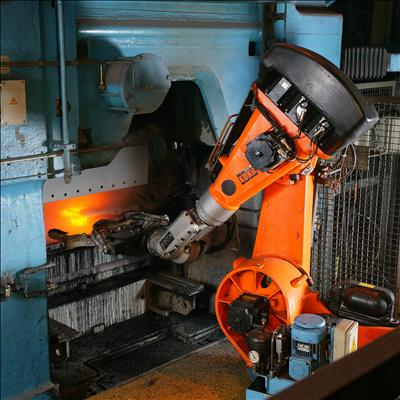
However, the mass production of Optimus faces material constraints from China’s export restrictions on rare earth metals crucial for its actuators. Tesla is looking for export licenses to obtain these components. With an estimated price of $20,000-$30,000, Optimus could be a strong undercut to many specialized industrial robots, but broad applications would necessitate proving reliability and safety across environments. Musk has teased that future integrations with Neuralink could allow human-robot cognitive interfacing, although that remains very speculative.
8. Convergence of Musk’s Tech Empire
These projects are not stand-alone: core competencies in AI, energy systems, and manufacturing are shared between the solar AI satellites, FSD rollout, and Optimus production. SpaceX’s reusable launch vehicles lower the price of deploying orbital infrastructure. Tesla’s batteries and solar technologies feed into both terrestrial and space applications. xAI’s machine learning models could run on Optimus robots, in FSD systems, and on orbital datacenters, creating a vertically integrated AI ecosystem spanning Earth to space.
Musk’s vision compresses timelines across many industries: orbital AI compute for Earth’s energy limits, autonomous driving to reshape mobility, and humanoid robotics to redefine labor. To the tech-forward investor and engineer, the convergence signals a future wherein Tesla’s factory floor, Starlink’s satellite mesh, and xAI’s neural networks are threads in the same planetary-and interplanetary-fabric.


