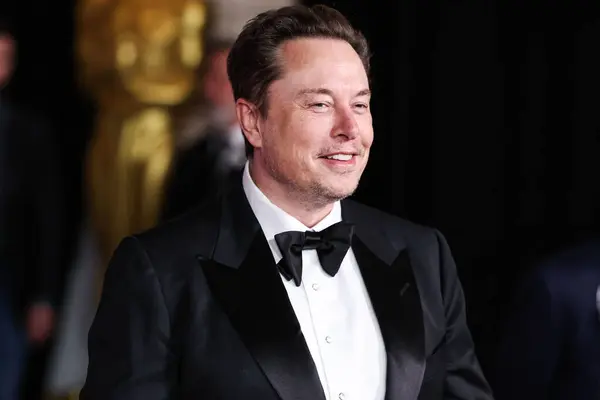
Is there any point in talking about jobs in 20 years? Not according to Elon Musk-who bases his argument on the accelerating convergence of AI, robotics, and global connectivity. In a conversation with Zerodha co‑founder Nikhil Kamath, Musk painted an image of a future wherein work would be a voluntary pursuit and money would no longer play a central role. And India would be a significant player in the next era in technology.
1. AI and Robotics Driving Work Optionality
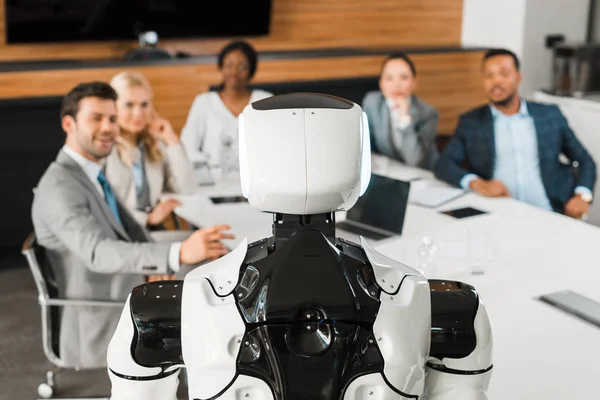
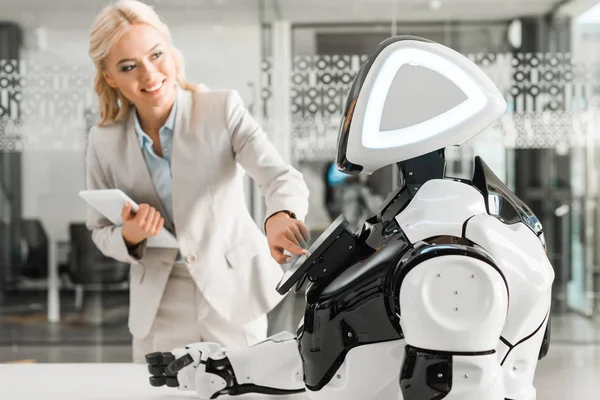
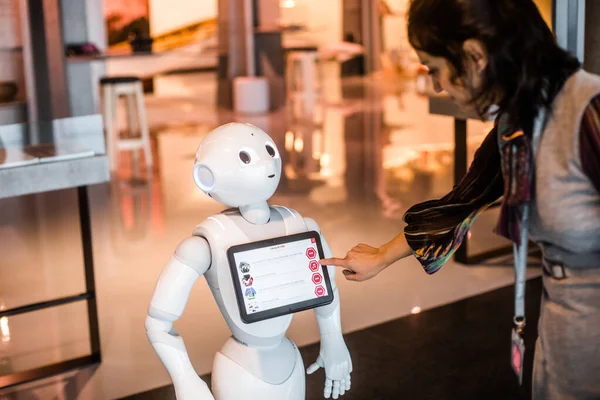
Musk’s prediction is blunt: “My prediction is that in less than 20 years, working will be optional, a hobby, pretty much.” This is based on the now-brisk evolution of AI agents and autonomous robots, which could conceivably automate 57% of current US work hours today. AI agents-software systems with the capability to reason, learn, and adapt-are now handling nonphysical tasks such as drafting documents, analyzing data, and coordinating workflows. Robots have become increasingly dexterous, sensor‑rich, and able to automate physical tasks that range from precision manufacturing to hazardous inspections. Musk’s own Optimus humanoid robot project targets a future where 80% of Tesla’s value could come from robotics-despite current production delays.
2. The Post-Scarcity Economic Model
Musk extends his vision beyond labor to economics, predicting that “money will stop being relevant at some point in the future.” That would correspond, of course, to post‑scarcity models, which are familiar in science fiction: AI‑driven abundance abolishes traditional market constraints. On this score, he floated at Viva Technology 2024 the idea of a “universal high income” able to sustain populations in a world bereft of obligatory work. The constraints then are physical resources-electricity, raw materials-while currency plays no role. This echoes the Kardashev scale Musk alluded to, whereby civilization progresses from planetary to stellar energy harnessing.
3. Technical Realities and Adoption Challenges
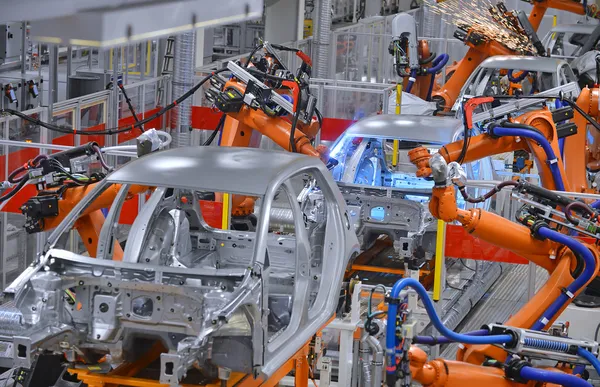
While AI expenses are declining-token processing now as low as $2.50 per million tokens-robotics remain capital-intensive. Scaling humanoid robots for mass deployment demands breakthroughs in fine motor control, situational awareness, and affordability. Economists caution that adoption will be uneven; physical work requiring dexterity and social-emotional skills may resist automation for decades. Historical analogies, from electricity to industrial robotics, show that transformative technologies often take 30+ years to diffuse widely.
4. Workforce Transformation and Skill Evolution
In Musk’s case, human roles change from performing to instructing machines. According to McKinsey’s Skill Change Index, more than 70 percent of the existing skills will continue but be applied in very different ways. AI fluency, or the skill of working with and managing AI tools, has seen sevenfold growth in just two years. Most jobs of the future will be hybrid archetypes: “people–agent” roles in engineering and “people–robot” roles in construction, among others, will be fueled by human judgment and machine execution. Problem-solving, communication, and leadership will anchor human adaptability in this volatile landscape.
5. India’s Talent and Global Tech Role
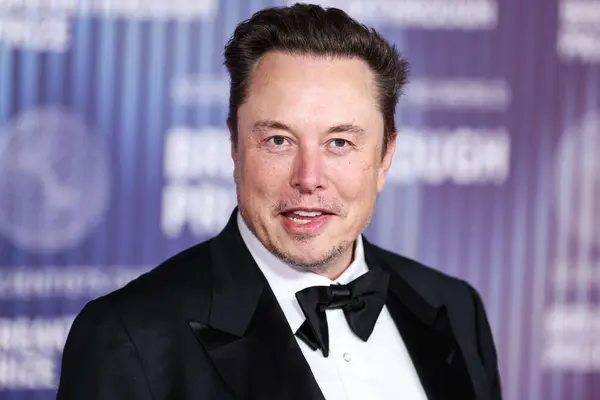
Musk praised Indian professionals: “America has benefited immensely from talented Indians who have come to America.” In the absence of world-class talent for advanced engineering, he is of the opinion that such skilled immigrants fill important gaps rather than taking jobs away from native-born workers. To India’s startup-oriented youth, his advice is very candid: “Aim to make more than you take. Be a net contributor to society.” This again befits the objective of building globally competitive ventures that create value beyond profit.
6. Starlink Expansion and Satellite Internet Infrastructure
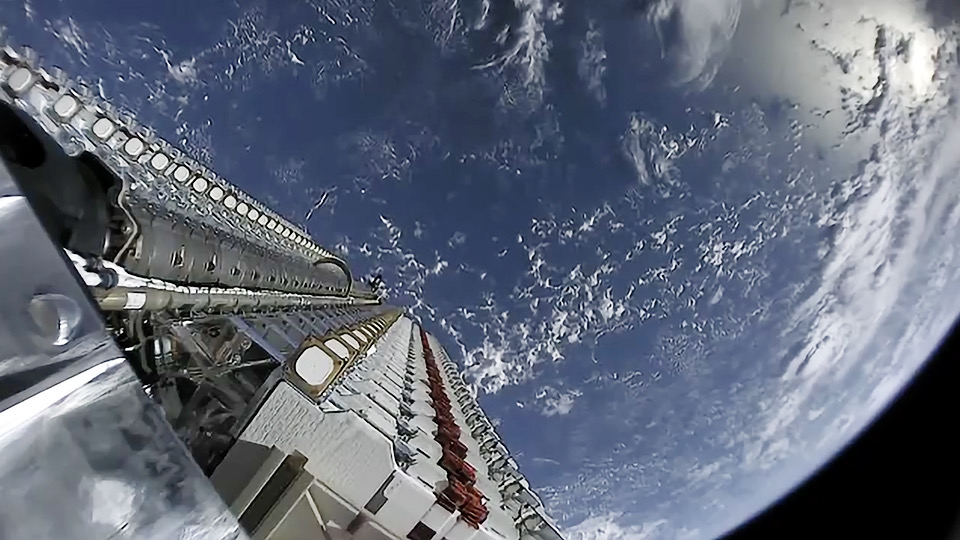
Musk’s ambition for Starlink in India fits with the country’s plan to bridge the gap in rural connectivity. The LEO satellites orbit at ~550 km and give speeds of up to 220 Mbps with lower latency. The BharatNet optical fiber rollout in India is still years behind schedule, and satellite broadband will therefore become an important complement. In-country partnerships with Reliance Jio and Bharti Airtel will integrate Starlink into the existing telecom ecosystem, leveraging retail networks and customer support. The regulatory measures proposed by TRAI, such as zero rural surcharge, would incentivize deployment into underserved regions.
7. Strategic and Geopolitical Dimensions
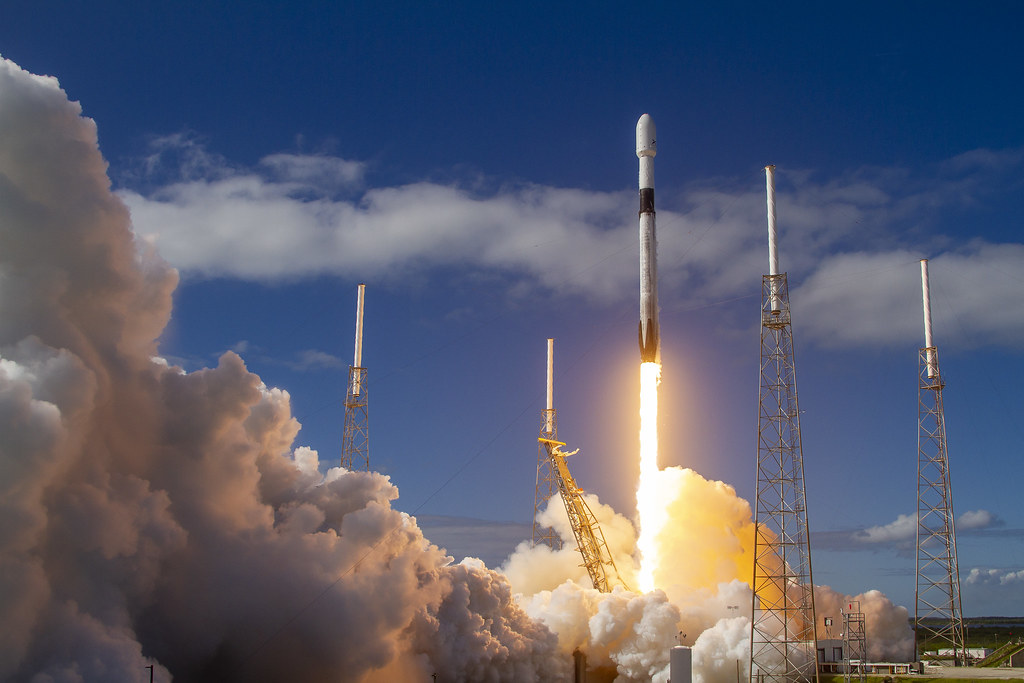
Letting Starlink operate for five years, rather than the 20 Musk wanted, speaks to India’s tech sovereignty strategy: welcoming to foreign innovation but protective of domestic control. Satellite internet is not a commercial service; it’s a geopolitical asset. The role Starlink has played in keeping Ukraine online during conflict underlines both its strategic value and also its potential as an international bargaining chip.
8. Risks, Regulation and AI Adjustment Assistance
Musk himself says AI, if set on a path not aligned with “truth, beauty, and curiosity,” poses certain risks. Policymakers began preparing for displacement. New York State revised its WARN Act to include disclosure if layoffs will be AI‑related. Past TAA programs provide a model for AI Adjustment Assistance: extended unemployment insurance, retraining vouchers, and relocation support. Evidence of successful retraining, however, is mixed, and the speed with which AI‑driven labor replacement may take place could overwhelm traditional adjustment mechanisms.
9. The Human Question: Meaning in an Automated World
Musk frames the existential challenge: “If the computer and robots can do everything better than you, does your life have meaning?” Research shows humans derive satisfaction from relationships, many forged through work. In a work‑optional society, meaning may shift toward creative pursuits, community engagement, and contributions that give AI itself a sense of purpose an inversion of the human‑machine relationship.
From the perspective of converging AI agents, autonomous robots, and global satellite networks, Musk’s vision is technically grounded and socially disruptive. Over the next few decades, it may no longer be a question of how the work gets done but why it is done at all for India’s emerging entrepreneurs and tech‑curious professionals.


