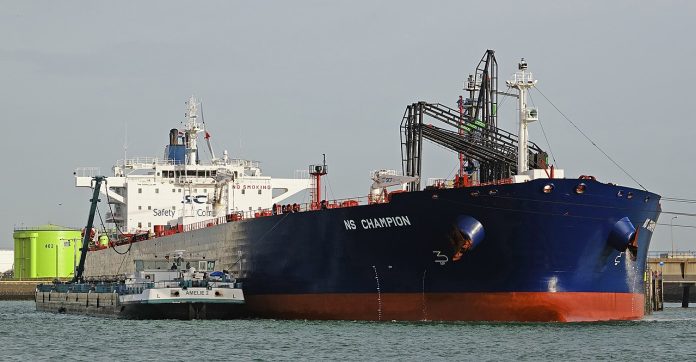
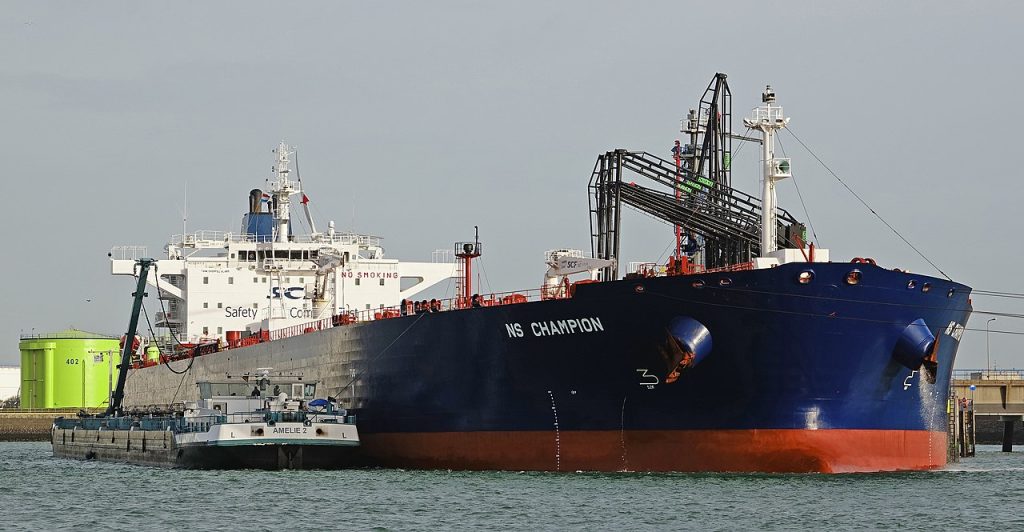
What happens when sanctions fail to choke an adversary’s war economy? In the Black Sea, Ukraine appears to have found its own answer: bypass the loopholes entirely and strike the vessels keeping Russian oil revenues afloat. The past week’s attacks on Russian-linked tankers mark a calculated escalation-one that shifts the maritime contest from fleet-on-fleet engagements to direct economic warfare.
Since 2022, Russia’s so-called “shadow fleet” of aging, opaque, and often uninsured tankers has ferried sanctioned crude to buyers beyond the G7 price cap, sustaining the Kremlin’s war chest. Operating under flags of convenience and obscure ownership, such ships have proved resilient to the Western sanctions regimes. Now, Ukrainian special operations and naval drones are probing the fleet’s vulnerabilities, extending their reach deep into contested waters.
It is not just a question of sunk ships; it is about undermining a wartime economy’s logistics, imposing environmental and economic risk, and forcing Moscow to divert scarce naval assets into costly protection duties. The following nine developments may help illustrate the scale, methods, and implications of this new phase.
1. Sea Baby Drones Extend the Battlefield
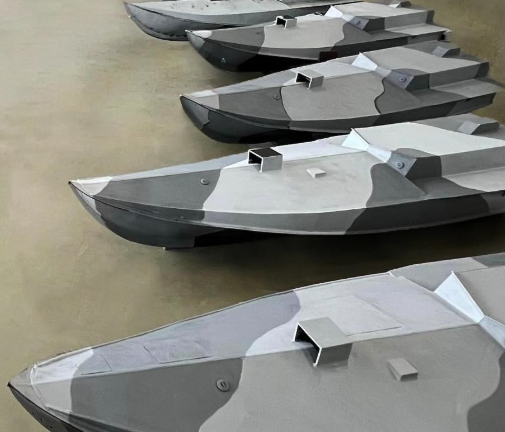
Ukraine’s indigenously produced Sea Baby unmanned surface vessels have emerged as a strong long‑range strike asset. Larger than the earlier Magura V5, they reportedly can operate up to 700 nautical miles, carry payloads of 2,000 kg, and remain undetected and unjammed over extended loiter times. The recent strikes on the Gambian‑flagged Kairos and Virat both sanctioned tankers took place 28 and 35 nautical miles off Turkey’s coast, the furthest south Kyiv has hit in the Black Sea. Combining range, payload, and precision, use of Sea Babies by the SBU portends a shift from harassment of naval units to deliberate interdiction of economic targets.
2. Target the Shadow Fleet’s Economic Lifeline
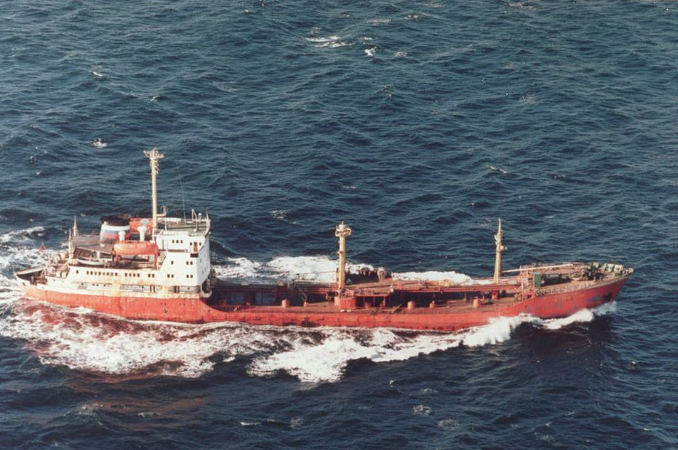
Hundreds of ageing tankers with opaque ownership have become the main channel for Russian oil sold above the G7’s $60 price cap. Many are over 15 years old, uninsured by Western P&I clubs and operating under permissive registries like Gabon or Comoros. In targeting these vessels, Ukraine is striking at the infrastructure that sanctions have failed to neutralise. As RUSI has noted, wide circumvention of the price-cap regime has produced “major unintended consequences”, including the fleet’s rapid expansion.
3. Environmental and Legal Vulnerabilities
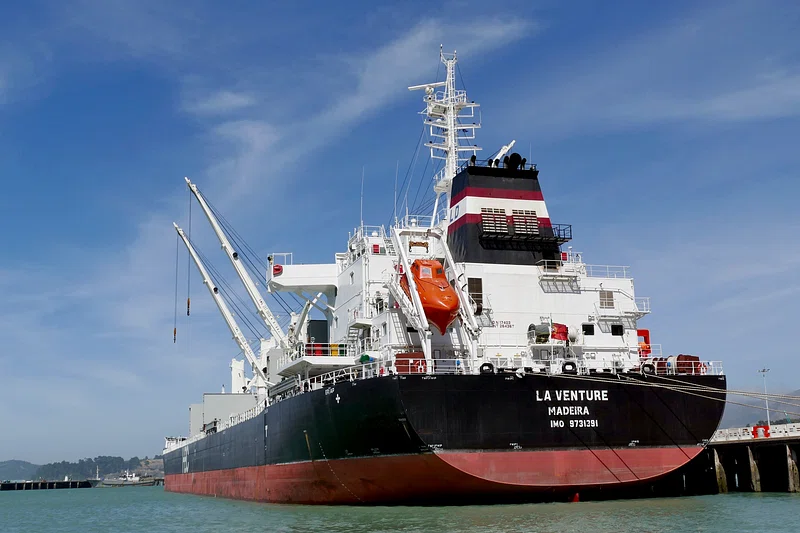
Shadow fleet tankers are not just sanctions-busters, but also environmental hazards. Poor maintenance, substandard crews, and falsified insurance certificates-all combine to make collisions or spills likely to impose billion-dollar cleanup costs on coastal states. The Andromeda Star collision in Danish waters this March 2024 underlined how lapsed insurance and opaque ownership complicate liability. Legal regimes predicated on flag-state responsibility falter when registries lack the capacity or will to enforce standards, leaving affected states without recourse.
4. The Novorossiysk Terminal Strike
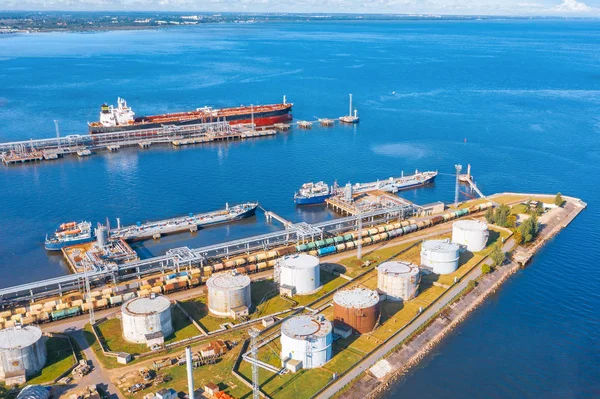
In tandem with the tanker strikes, Ukrainian USVs damaged a mooring buoy at the Caspian Pipeline Consortium’s Novorossiysk terminal, shutting off Kazakh oil exports and disrupting about 1% of worldwide supply. The CPC accounts for 80% of Kazakhstan’s crude exports, and analysts estimated the strike cut its throughput in half. Kyiv maintained it was not targeting Kazakh interests, but the strike nevertheless sparked protests from Astana and condemnation from Moscow, highlighting the diplomatic risks associated with hitting dual‑use infrastructure with international stakeholders.
5. Testing Turkey’s Red Lines
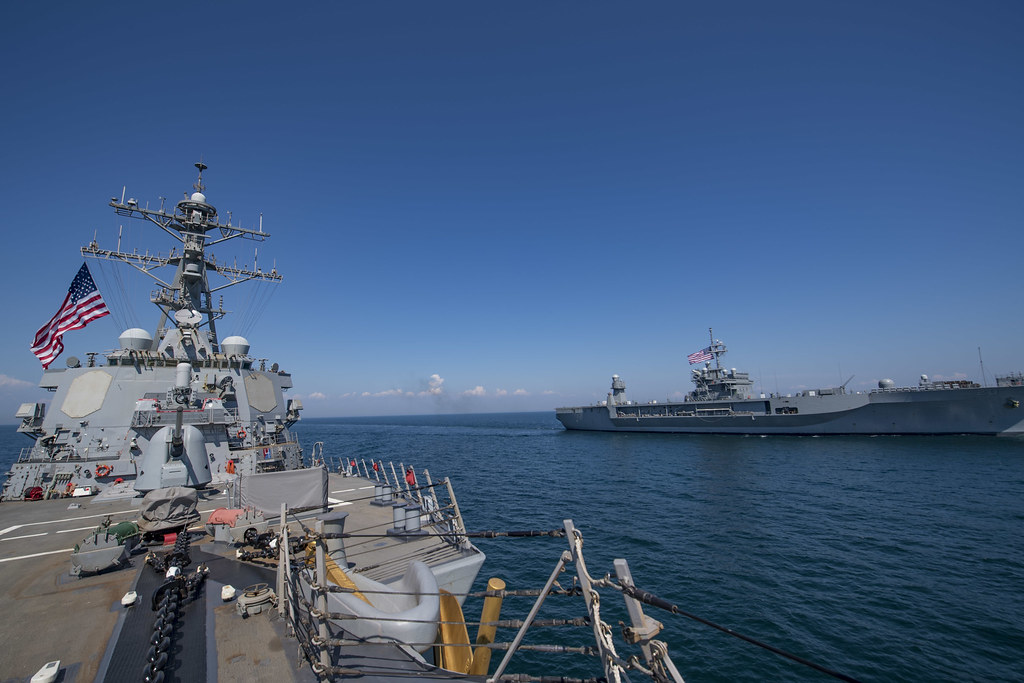
Kairos and Virat had been attacked inside Turkey’s Exclusive Economic Zone, and the war “has clearly begun to threaten navigational safety in the Black Sea”, warned President Recep Tayyip Erdogan. Firefighting and crew evacuations by Ankara’s rescue services underlined the operational risks to third parties. As mediator in the conflict and a maritime stakeholder, it is Turkey’s response which will determine how far Ukraine can go with such operations without alienating a key partner.
6. Black Sea Fleet’s Forced Hand
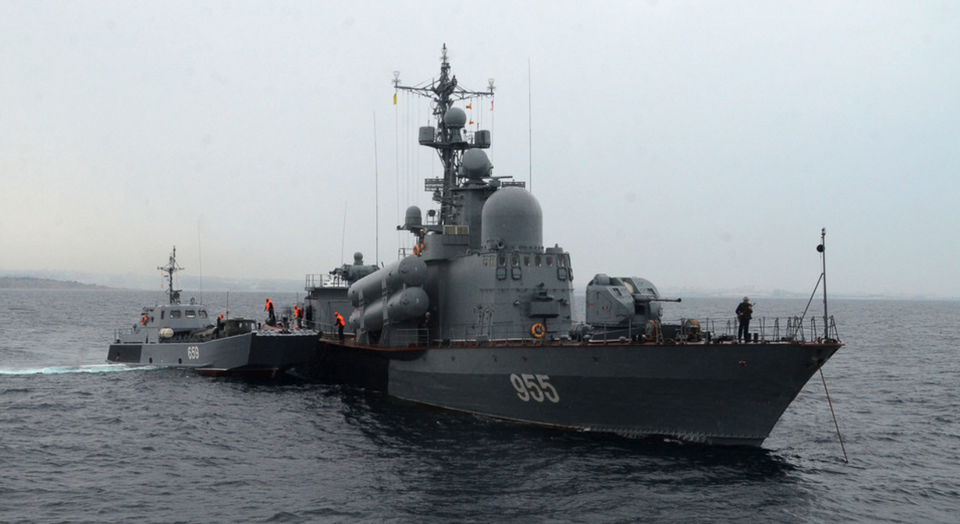
If attacks on shadow fleet tankers continue, Russia could be forced to order escorts from its Black Sea Fleet. The fleet still operates frigates, corvettes, missile boats, and patrol craft, but has become gun-shy and largely remains in port following years of Ukrainian missile and drone strikes. Tanker escorts would expose warships to long-range USV and UAV attacks outside the protection of land-based air defences, and could provide Ukraine with new opportunities to degrade Russia’s naval forces.
7. Global Footprint of the Shadow Fleet
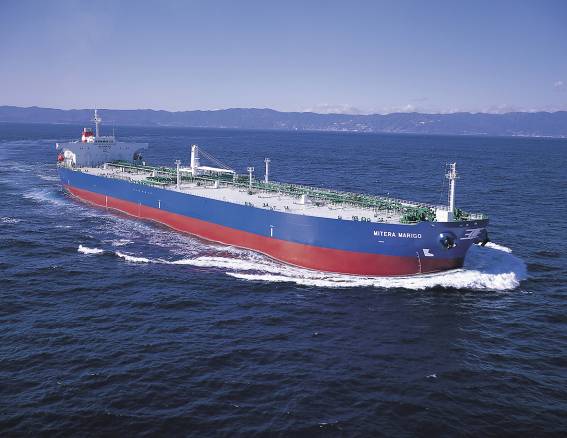
The shadow fleet is not confined to the Black Sea. By mid‑2025, 17% of the world’s oil tankers met shadow fleet criteria, with operations in the Baltic, Arctic, Red Sea, and Indian Ocean. Many of the routes involve ship‑to‑ship transfers in spots where no country has jurisdiction, suppression of AIS, and reflagging. Buyers such as China and India, operating outside G7 sanctions, keep demand strong, and cargoes’ origins are cloaked by transshipment hubs in Singapore and Malaysia.
8. Regulatory Gaps and Enforcement Fragmentation
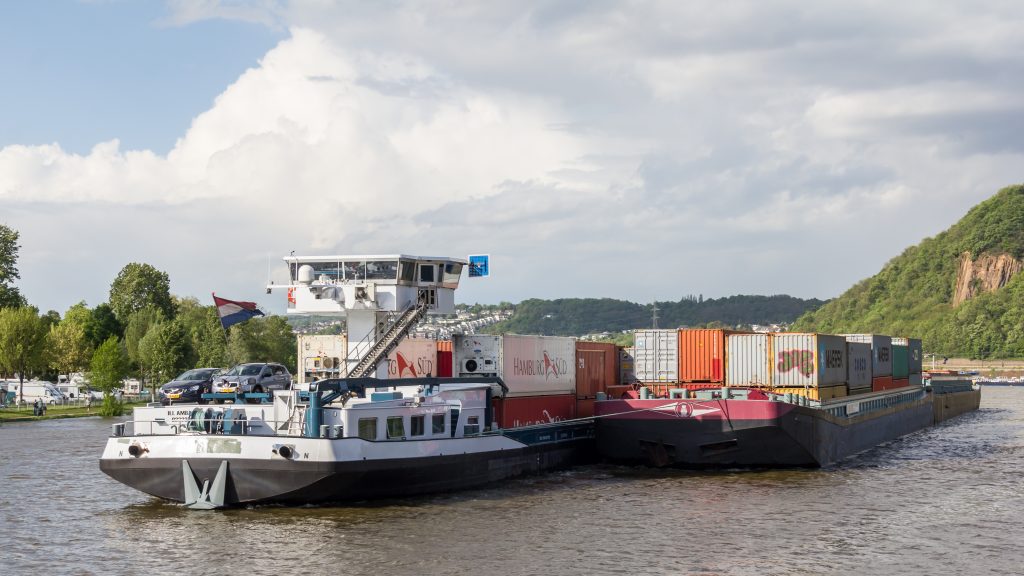
Sanctions enforcement has remained fragmented: the EU blacklisted 342 vessels, the UK blacklisted 133, and the US several hundred, but the overlaps remain limited. The difference in access bans, hybrid compliance, and financial prohibitions as enforcement tools permits operators to reflag, reroute, and exploit non-aligned registries. Initiatives such as Norway’s requirement for proof of insurance prior to Arctic transit show how regulatory levers can drive up operating costs without direct confrontation, but these remain unilateral.
9. Shadow Fleet as Irregular Warfare
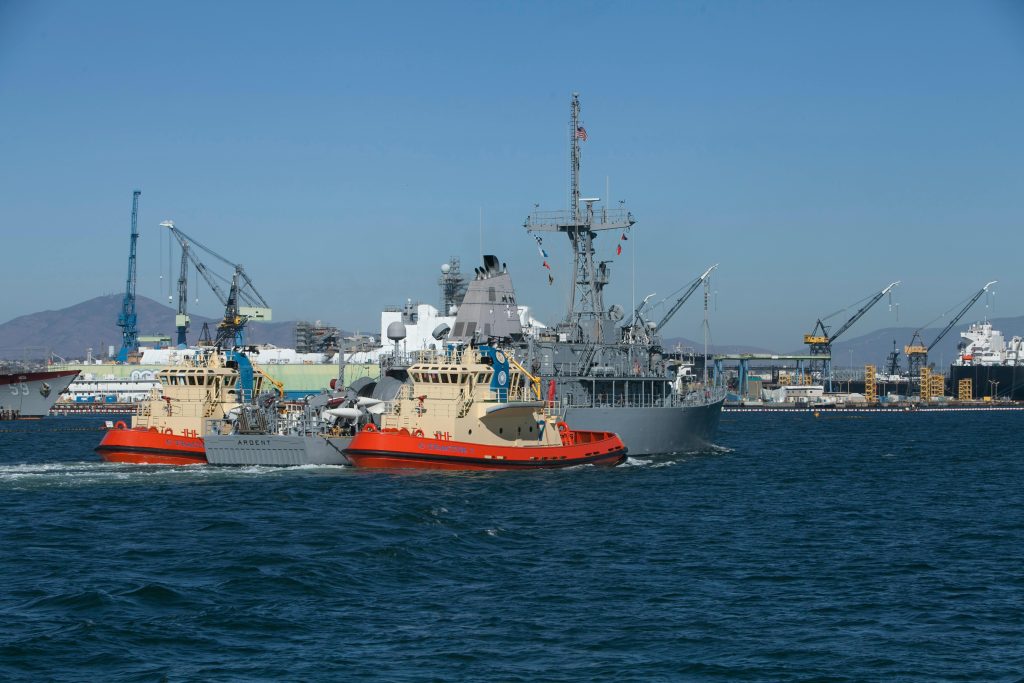
Beyond sanctions evasion, analysts characterize the shadow fleet as a type of irregular statecraft. By offloading environmental and economic risk onto others, Moscow exacts costs without overt force. The fleet’s design-fragile ships, opaque networks, legal loopholes-creates a coercive logistics system resilient to traditional interdiction. Disrupting it requires targeting its enabling architecture: registries, insurers, intermediaries, and manipulation of AIS, not just vessels at sea.
The strikes against shadow fleet tankers mark a deliberate evolution in Ukraine’s maritime campaign-from defending grain corridors to attacking the economic arteries of Russia’s war effort. It is a tactic that exploits a structural weakness in Moscow’s sanctions‑busting apparatus, which Western measures have failed to close. Whether this becomes a sustained blockade strategy will depend on diplomatic fallout, Turkey’s tolerance, and Russia’s willingness to risk its fleet at sea. What is clear is that the contest over the Black Sea is now as much about economic attrition as about naval supremacy.


