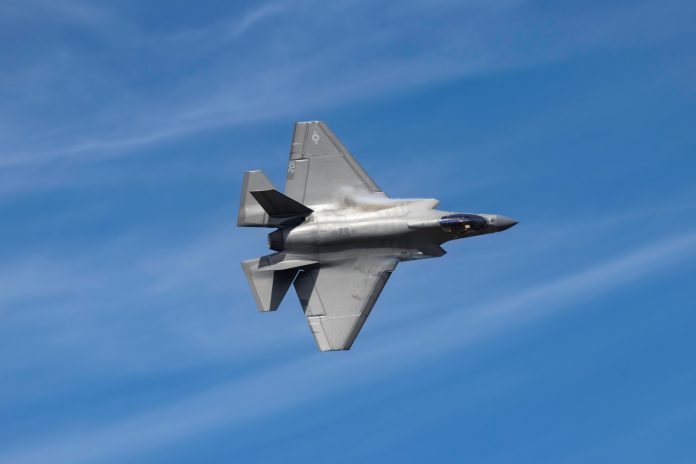
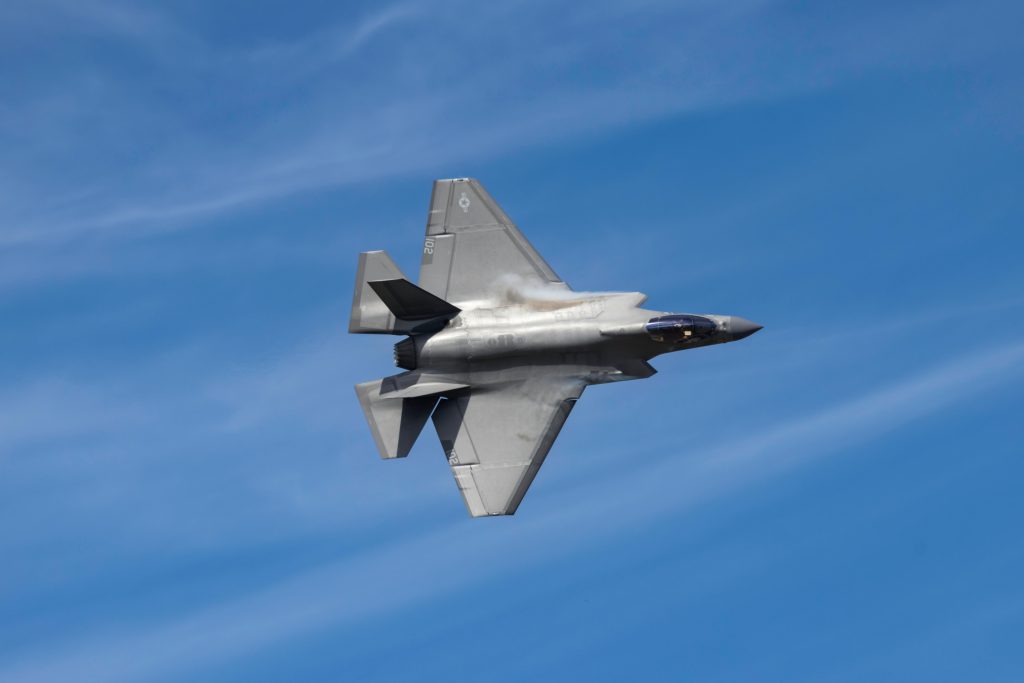
“Numbers do matter,” cautioned Air Force Secretary Frank Kendall, a comment that gets to the very heart of America’s looming airpower crossroads. The U.S. Air Force is weighing whether it should double down on Boeing’s sixth-generation F-47 Next Generation Air Dominance fighter or embrace an offered “Ferrari” upgrade by Lockheed Martin for the F-35. The decision isn’t about aircraft; it’s about how the service sustains air superiority against rapidly improving adversaries while balancing cost, capability, and timing.
This debate comes as China accelerates its own sixth-gen fighter programs and expands unmanned fleets, forcing U.S. planners to weigh immediate readiness against long-term dominance. The F-47 promises revolutionary range, stealth, and connectivity, but the Ferrari F-35 offers a bridge: 80% of NGAD’s capability at half the price, leveraging existing fleets and proven infrastructure. Here are nine key developments shaping this high-stakes rivalry.
1. The Cost Conundrum
The projected unit price for NGAD-needless to say, initially in the vicinity of $300 million-has set off some budget alarms. Kendall has said publicly that the F-35’s $80-$100 million price tag is the ceiling for NGAD, but analysts outside the government warn such targets can be achieved only by sacrificing capability. Congressional cuts to the NGAD FY2025 request, including a $557.1 million reallocation to CCA, highlight fiscal pressures. That has generated interest in Lockheed’s Ferrari F-35, which could provide advanced capability for roughly $150 million per jet.
2. Ferrari F-35: Fifth-Gen Plus
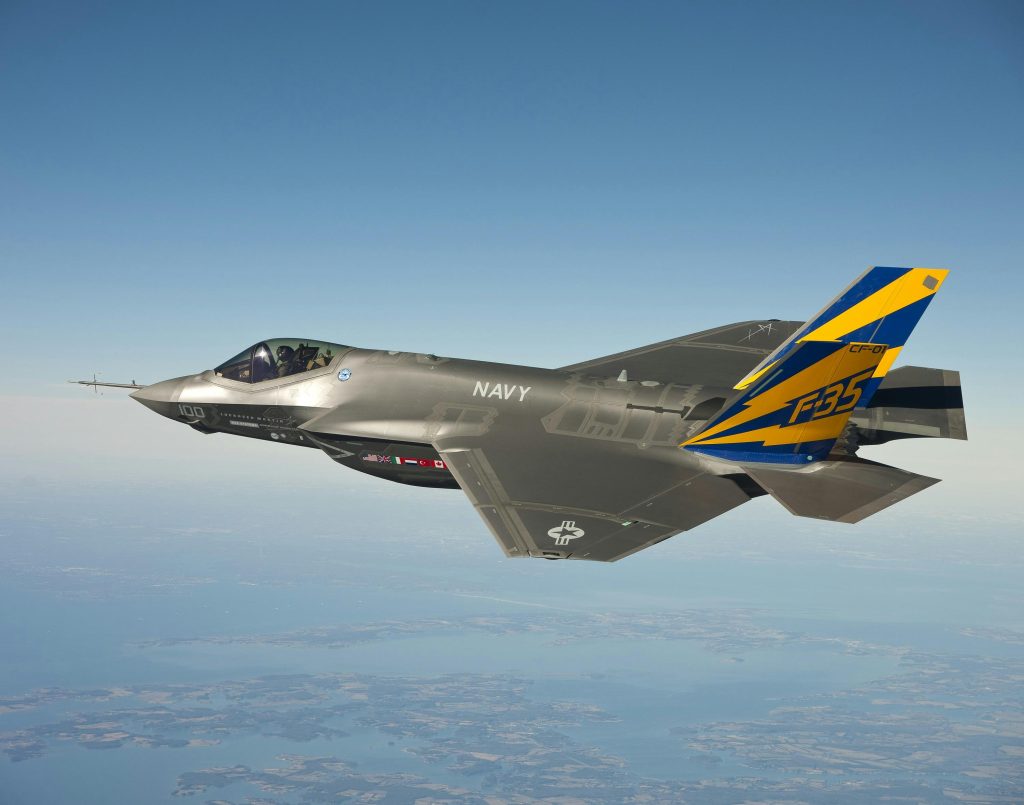
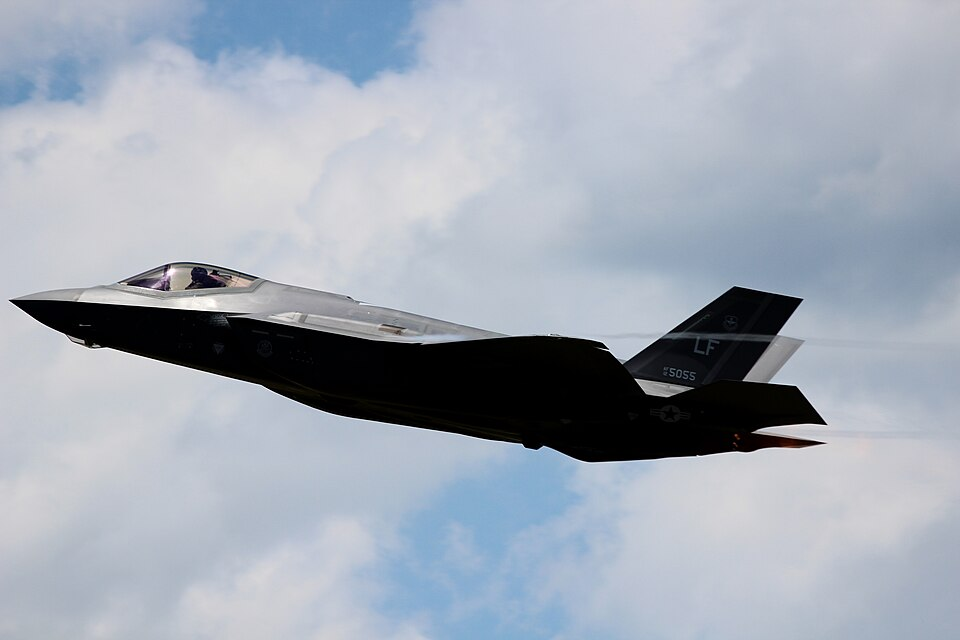
The CEO of Lockheed sees a “fifth-generation-plus” F-35 featuring NGAD-derived technology: improved stealth materials, infrared search-and-track sensors, high-end EW suites, and even pilot-optional controls. Adaptive Engine Transition Program (AETP) powerplants from GE and Pratt & Whitney would provide faster climb, more acceleration, and excess electrical power for sensors. The AIM-260 Joint Advanced Tactical Missile would restore “first look, first kill” reach, while stealthy communications could allow for undetected data sharing.
3. Block 4 Software Leap
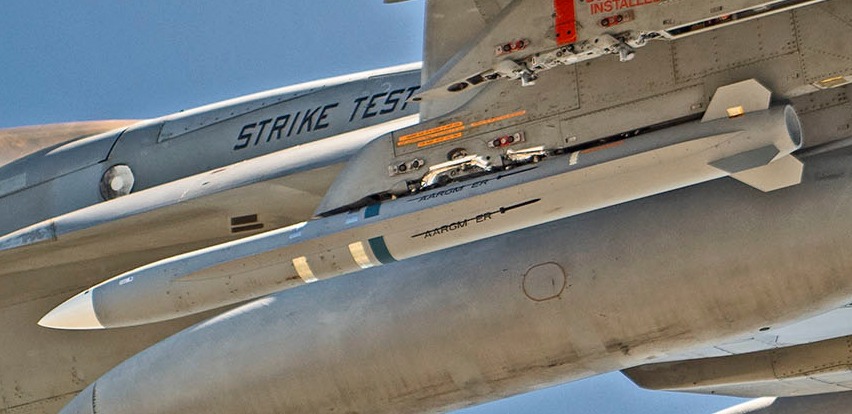
The Block 4 upgrade enabled by Tech Refresh 3 will extend the weapons envelope and sensor range of the F-35. It adds the AGM-88G AARGM-ER for standoff suppression of enemy air defenses, the GBU-53/B Stormbreaker tri-mode seeker bomb for all-weather moving-target engagement, and a “Sidekick” rack to boost internal missile capacity from four to six. These software-driven enhancements align with Ferrari F-35 ambitions to rapidly scale capability across the existing fleet.
4. F-47: Built to Adapt
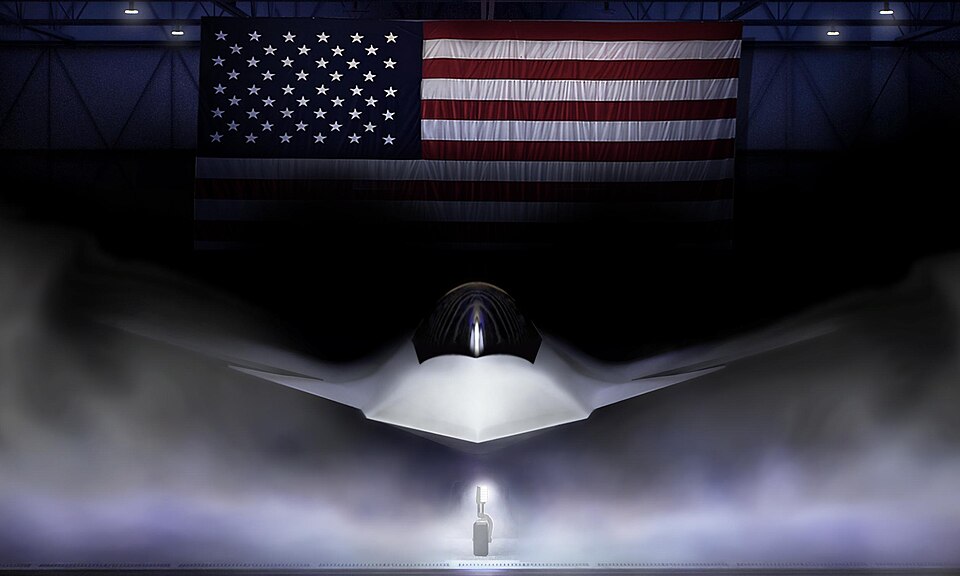
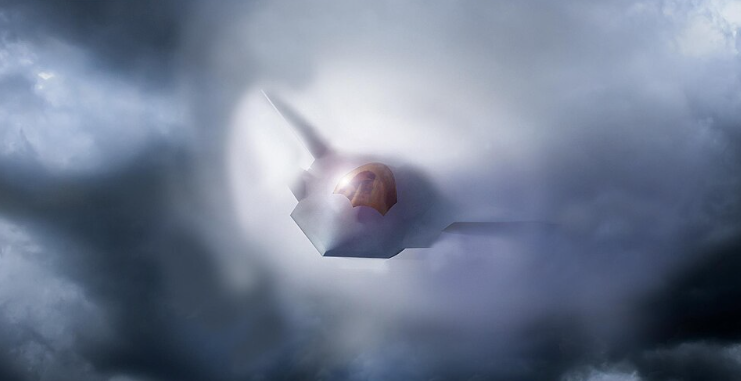
Maj. Gen. Joseph Kunkel has referred to the F-47’s capabilities as “game-changing,” including its ability to penetrate contested airspace and counter advanced threats. With a modular “built to adapt” mindset, the F-47 can integrate emerging tech over its service life. Projected performance attributes include a combat radius of more than 1,000 nautical miles, Mach 2+ speed, and broadband low observability-attributes shaped by the classified NGAD X-plane demonstrators flown since 2019.

5. NGAD Rapid Start
Thanks to mature designs coming from the earlier DARPA-backed technology demonstrators, Boeing’s F-47 entered production within months of the contract award in March 2025. These X-planes together racked up hundreds of flight hours testing stealth shaping, thermal management, and novel materials. The accelerated timeline targets a first flight by 2028, a pace unmatched since the 1980s in U.S. fighter development.
6. Collaborative Combat Aircraft – Integration
The F-47 is the manned centerpiece of a “family of systems” that also will include AI-driven CCAs. Early plans had called for 2-5 drones per fighter, but Kendall suggests larger numbers now. CCAs also will conduct EW, ISR, and strike missions, extending the reach of manned jets. Testing already shows that even fifth-gen aircraft like the F-35 could control up to eight CCAs via tablet-based interfaces, multiplying combat mass without increasing crewed fleet size.
7. Attritable but Lethal Drones
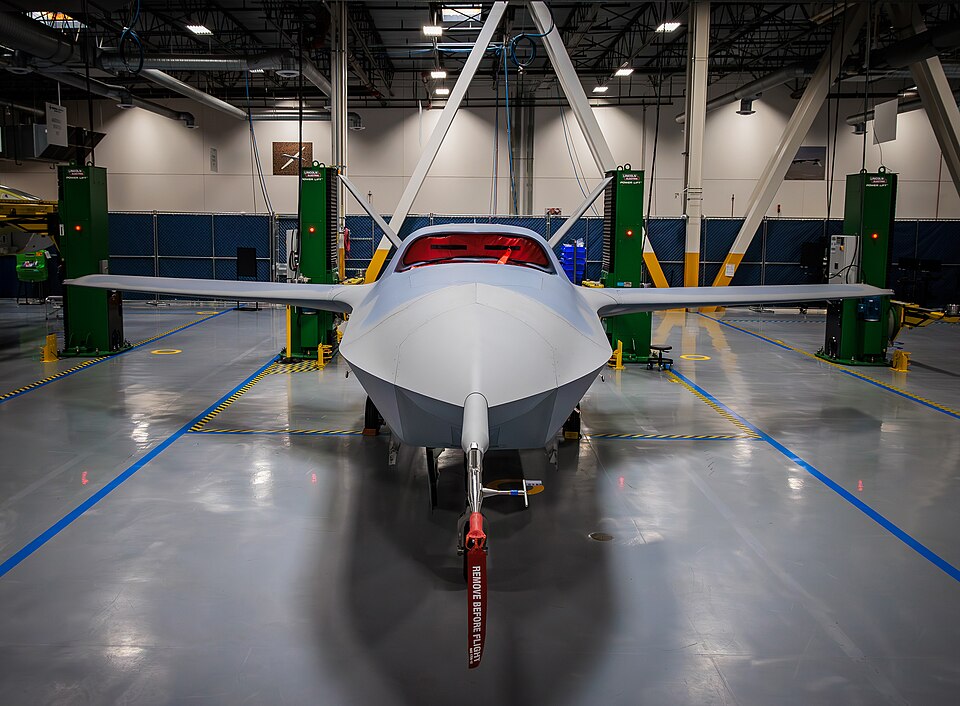
USAF defines CCAs as “attritable”-reusable but low-cost enough to risk in high-threat missions. Flight testing is underway with the YFQ-42A Gambit 2 and the YFQ-44A Fury prototypes, with RTX and Shield AI developing autonomy software. Armed with AIM-120 and AIM-260 missiles, CCAs could deliver air-to-air lethality or act as sensor nodes. Increment 2 may produce lower-cost designs for rapid massing, while Increment 3 could involve allied cooperation.
8. Global Sixth-Gen Context
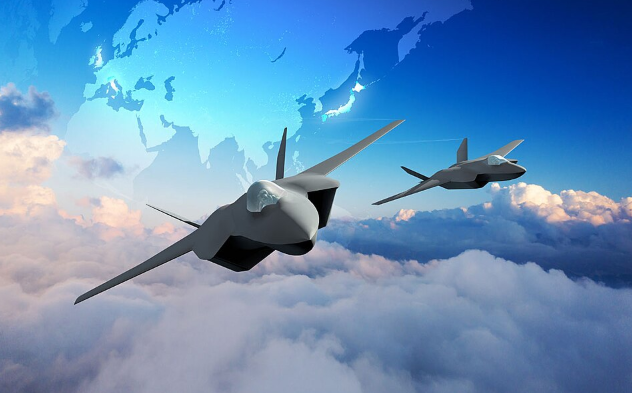
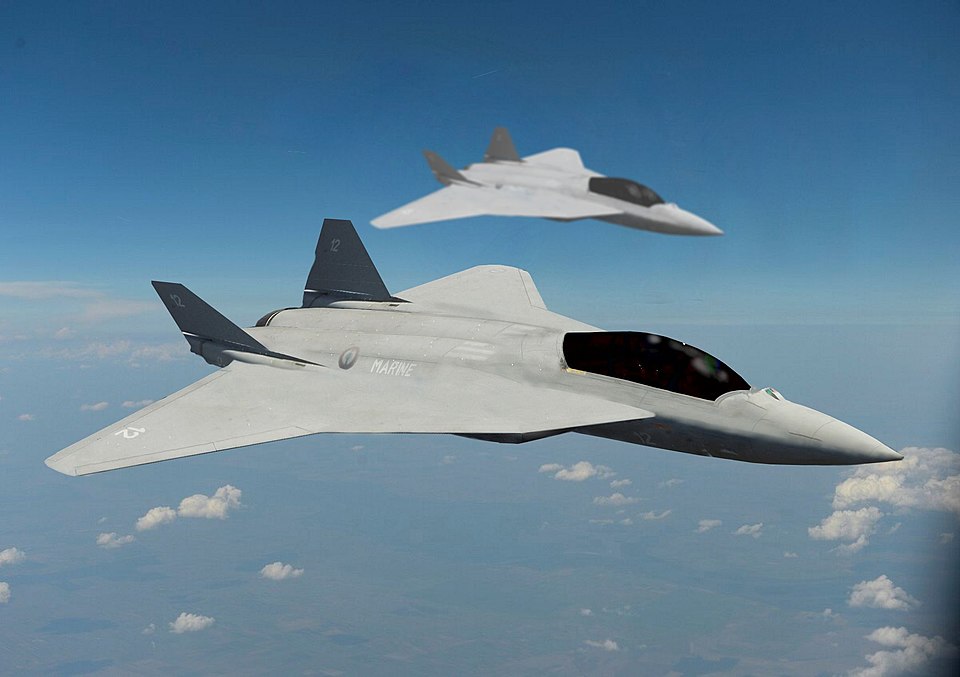
Parallel manned-unmanned concepts are being pursued by allies: Europe’s FCAS with Remote Carriers; Australia’s MQ-28 Ghost Bat; and the UK-Italy-Japan GCAP. In addition, China’s GJ-11 UCAV and FH-97A loyal wingman, together with increased production of the J-20, mean that a competitive environment requires both numbers and capability. These programs reinforce the urgency for the U.S. to field either NGAD or an upgraded F-35 swiftly.
9. Strategic Trade-Offs
However, choosing Ferrari F-35 over full NGAD could preserve the numbers and budgets, but it risks ceding qualitative edge if adversaries leap ahead. On the other hand, pursuing NGAD at limited quantities could leave gaps in mass until CCAs scale up. A hybrid approach-fielding F-47s while upgrading F-35s-may balance immediate readiness with future dominance, but this will require sustained funding and industrial capacity.
The competition between Boeing’s F-47 NGAD and Lockheed’s Ferrari F-35 epitomizes the bigger challenge of the U.S. Air Force in balancing cost, capability, and timing during an era of accelerating threats. Whether the service opts for a revolutionary sixth-gen fleet, an evolutionary upgrade of its fifth-gen workhorse, or mixes both, this choice will define America’s air dominance for a generation to come. In the Indo-Pacific, and beyond, the margin between deterrence and vulnerability may hinge on how well choices by the nation fit industrial capacity, allied cooperation, and the pace set by adversary innovation.


