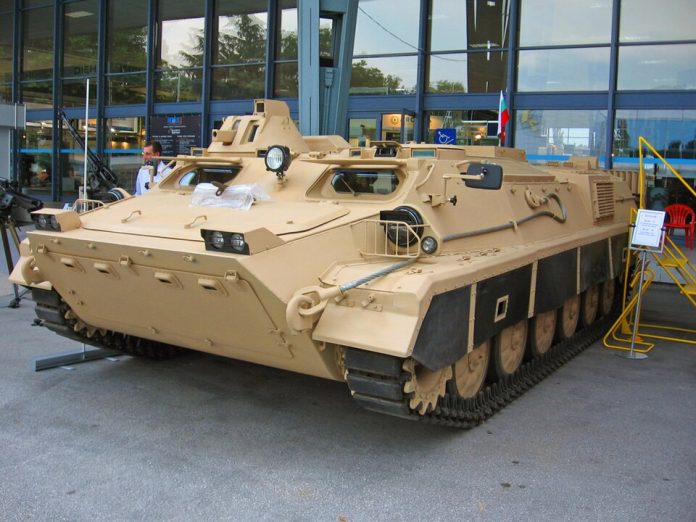

“Only three vehicles left.” That’s not a punchline that’s the grim reality at Russia’s largest MT-LB storage base, according to recent satellite imagery. For a military that once had Cold War–era stockpiles rivaling any on Earth, the visual emptiness of its depots tells a story of attrition, desperation, and strategic recalculation.
Since the full-scale invasion of Ukraine in February 2022, Moscow has burned through its armored reserves at a pace few forecast. Now, OSINT analysts armed with high-resolution satellite imagery are charting the drawdown in stark detail. Taken together, these images, combined with production figures and battlefield reports, reveal a force increasingly reliant on obsolete hardware, improvised platforms, and tactical workarounds.
What follows are nine critical findings from recent OSINT assessments, each exposing a different facet of Russia’s shrinking military hardware base and the battlefield consequences that follow.

1. The 7004th Arsenal: From Hundreds to Three
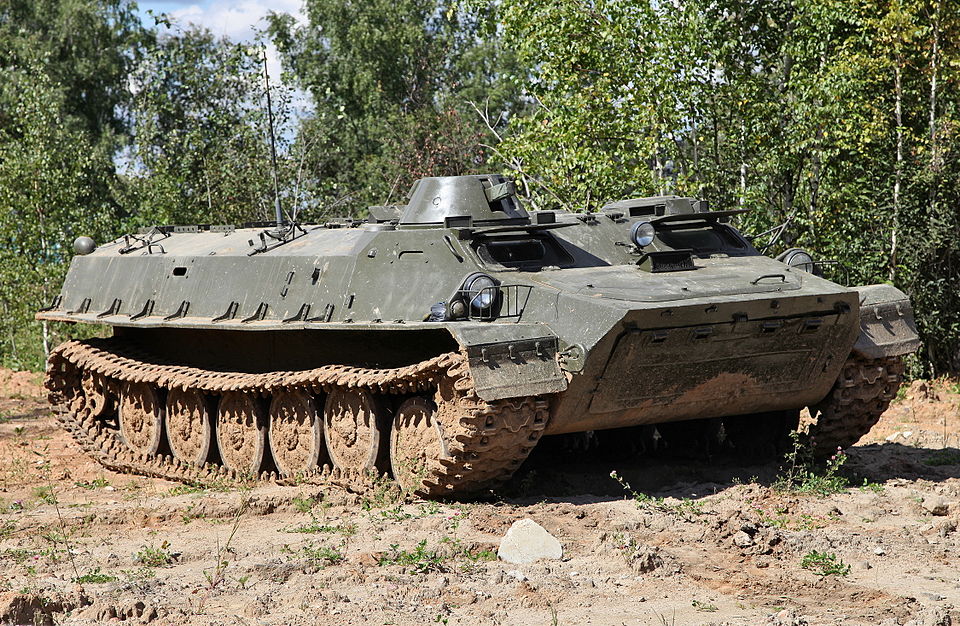
Satellite images published by OSINT researcher Jompy in November 2025 revealed that the 7004th arsenal of Russia, once hosting hundreds of MT-LBs at what was the largest MT-LB storage base, had been reduced to just three heavily damaged units. This facility is located near Arsenyev in Primorsky Krai, some 7,000 km from Ukraine. These tracked vehicles, of 1950s design, have been repurposed for troop transport, drone launches, and ad-hoc armored roles. The fact that this depot is almost empty would indicate that Moscow has tapped even the most distant reserves to keep operations along the front going.
2. Extensive Depot Depletion
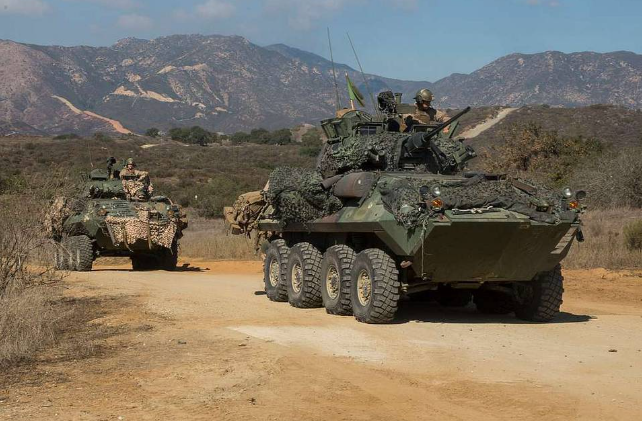
The 7004th is not unique: similar imagery of Ussuriysk illustrates that the vast majority of armored vehicles have been removed, replaced with trucks. The 7033rd arsenal-traditionally housing self-propelled artillery and multiple-launch rocket systems-appears similarly abandoned. Analysts anticipate a similar pattern would emerge for the 7020th base, were updated imagery to become available. Remaining vehicles at these sites often appear damaged or dismantled beyond repair, underscoring how low in viability Russia’s stored hardware is.
3. Tank Stockpiles Cut to the Bone
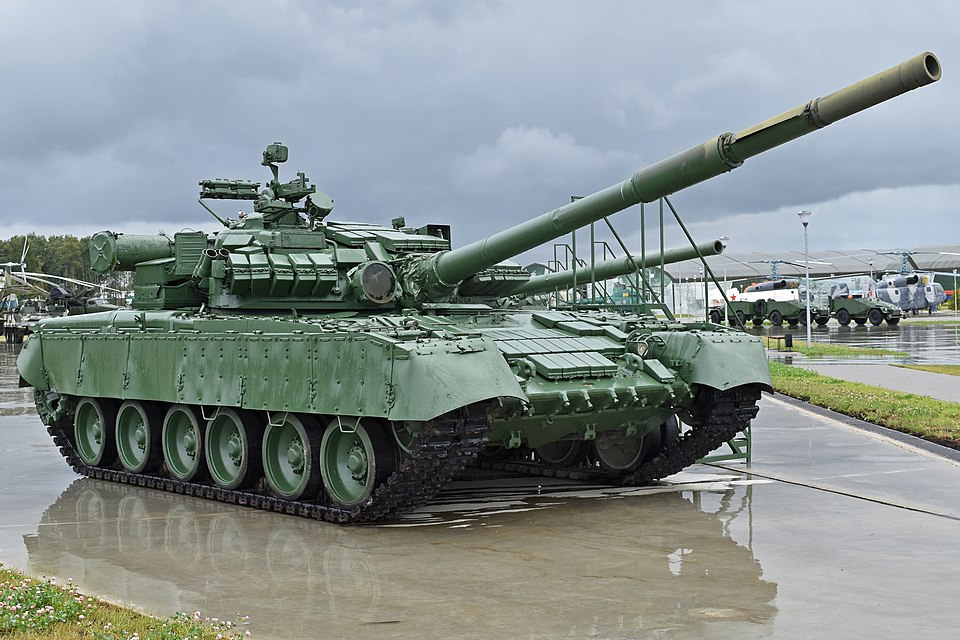
Jompy’s assessment for October 2025 showed Russia had used up 4,799 of its 7,342 pre-war tanks, meaning only 19% remained in storage. Models of the T-80B/BV and T-72B dominate the refurbishment numbers, with newer models such as the T-90 and T-80U/UD all but depleted. What is left is in bad condition; many units are suitable only to be cannibalized. This rate of attrition forces Moscow to consider either restarting production of older designs or investing in costly new builds.
4. Infantry Fighting Vehicle Crisis
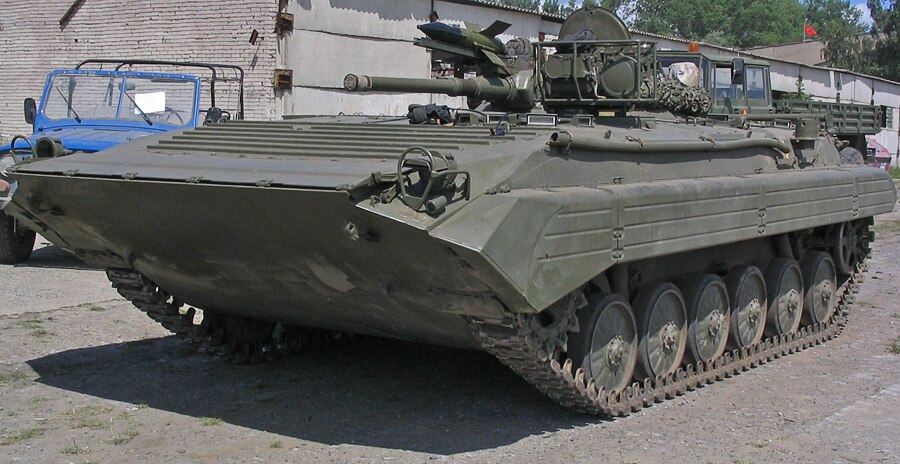
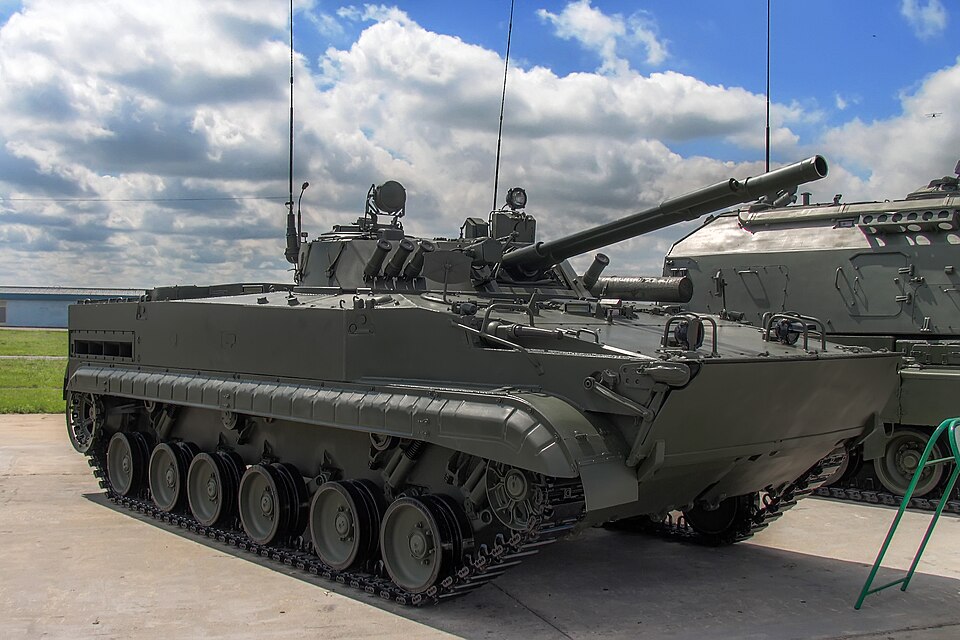
Of the 7,121 BMP-1, BMP-2, and BMP-3 infantry fighting vehicles in storage pre-war, 4,999 were refurbished, leaving only 16% of stocks intact. The losses have been heavy: Oryx visually confirmed hundreds destroyed, abandoned, or captured. Sanctions on microchips and optics keep BMP-3 production constrained, which has prompted the Kremlin to begin considering resuming BMP-2 production despite resistance from the factory. Capabilities are being stretched by adding upgrades like Berezhok turrets to older hulls.
5. Artillery and Rocket System Attrition
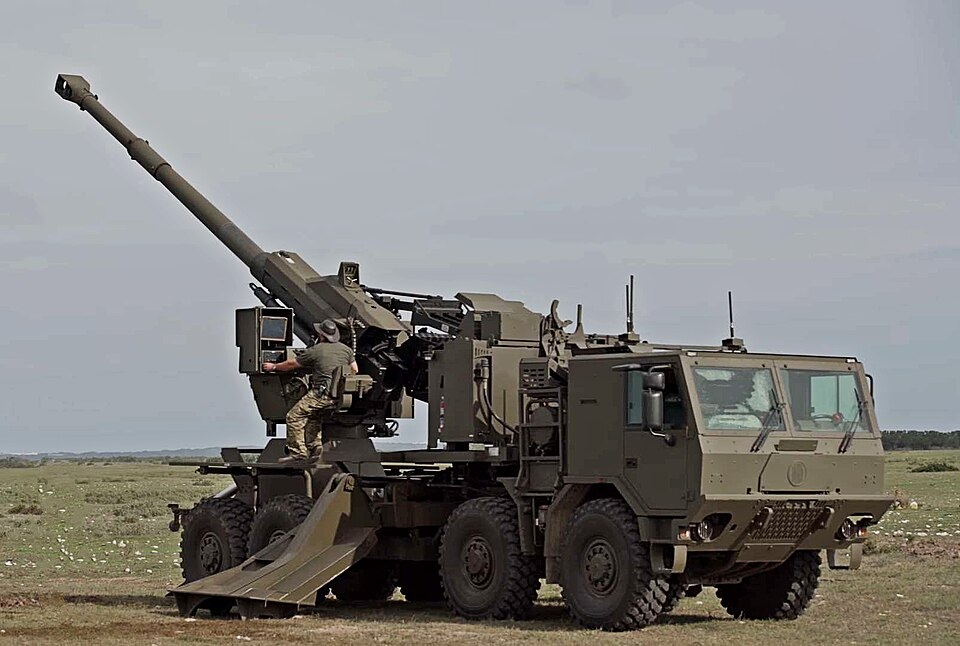
Pre-war stocks of artillery stood at 23,602; by October 2025, only 39% remained. The situation with reactive artillery systems is much worse: only 18% remain. Moscow managed to refurbish 14,486 artillery pieces, but restoration is constrained due to bottlenecks in production, especially in the manufacture of barrels. Multiple-launch rocket systems like BM-21 Grad and BM-22 Uragan have been heavily mobilized, leaving minimal reserves for continued operations.
6. Armored Personnel Carriers: The Least Bad News
APC stocks have held up better, at 39% of pre-war numbers still in storage. Of 11,198 units, 6,161 have been refurbished. Types include BTR-60/70/80, BRDM-2, and MT-LB variants. Even so, battlefield losses-over 9,000 AFVs since 2022-mean that APCs are increasingly substituted with civilian vehicles, buggies, and motorcycles in assault roles.
7. Improvised and ‘mutant’ vehicles
Conflict Capital’s 2025 report details how Russia has had to improvise under the weight of sanctions: patching Soviet-era armor with steel plates, cage armor, and even naval weapons on trucks; limited production of newer BMP-3s and BTR-82As forces hybrids such as MT-LBs armed with heavy machine guns or jury-rigged rocket launchers. Such stopgaps may improve survivability, but these are still vulnerable to modern anti-tank systems.
8. Tactical Shift: Equipment
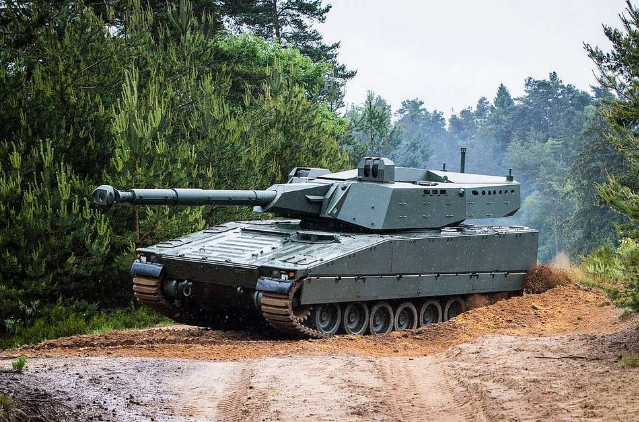
Conservation Losses in summer 2025 decreased significantly compared to the previous years, not because of the battlefield success, but due to reduced use of equipment. After catastrophic losses around Avdiivka in 2023, the Russians transitioned to infantry-heavy assaults, with very limited armor. In some sectors, attacks occur without vehicle support, relying instead on drones, artillery, and small-unit maneuvering. This is a function of both scarcity and the vulnerability of armor in Ukraine’s drone-saturated ‘kill zones.’
9. Strategic Outlook: Analyst for a 12–18-Month Window
Andriy Tarasenko warns that without producing 700–1,000 new armored vehicles annually, the stocks of repairable reserves which Russia has might well be exhausted in 1–1.5 years. Western intelligence concurs, projecting a critical shortage by late 2025 or early 2026 if combat intensity holds. The Kremlin may either seek imports from partners like North Korea or Iran, or pivot to producing simpler, less advanced systems. Whichever path this takes, it suggests a long-term wearing away at Russia’s mechanized warfighting capability.
Taken together, satellite imagery and OSINT point to one conclusion-that Russia’s war machine is losing hardware more quickly than it can replace it. From the emptied depots of the Far East, to improvised combat vehicles on the front, the attrition is reshaping both tactics and strategic options. Unless Moscow can bridge the gap between battlefield losses and production, the ability to wage large-scale mechanized offensives will continue to diminish, an operational reality that Ukraine and its allies will be watching closely.


