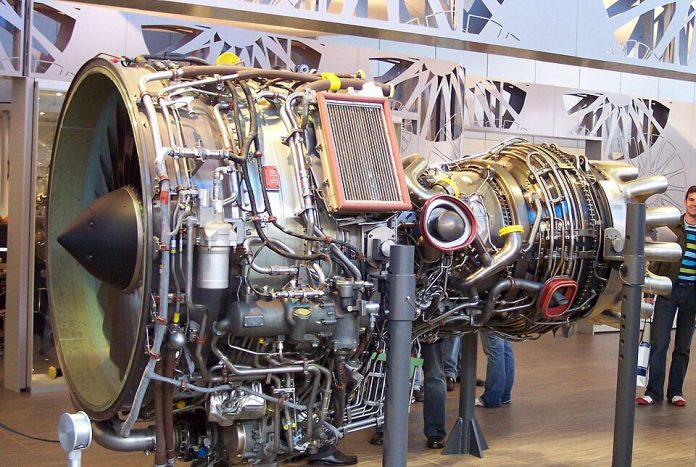
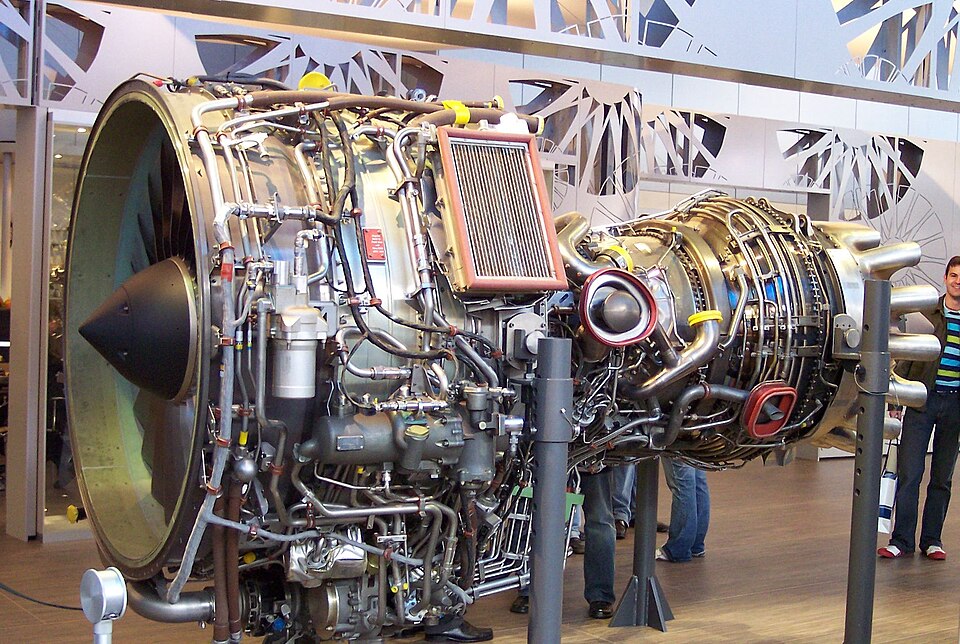
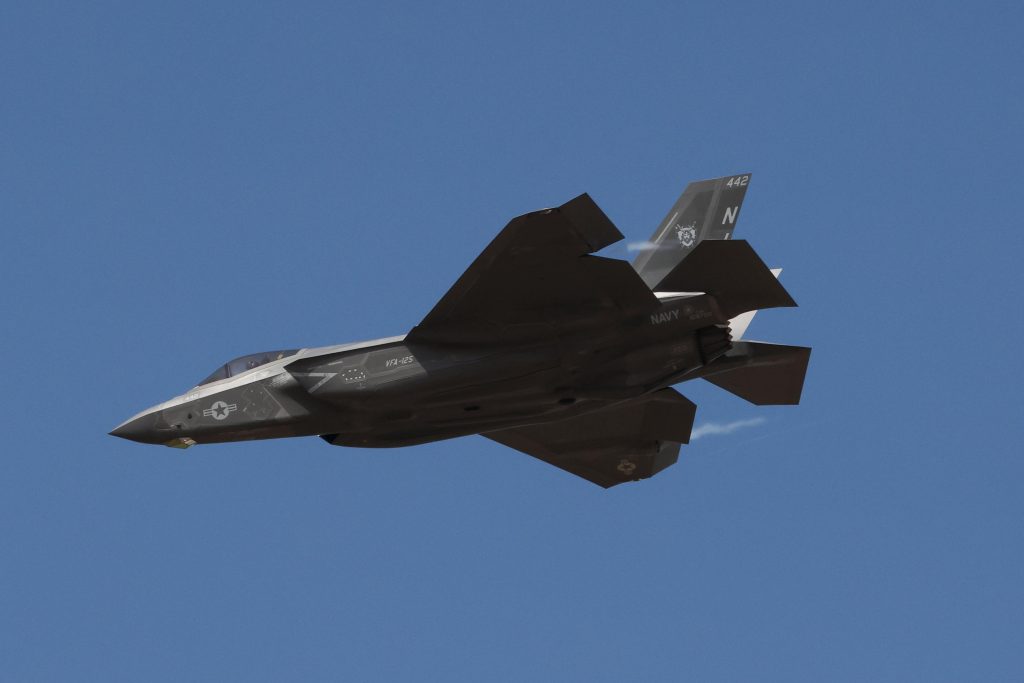
What does a $1.61 billion sustainment contract mean for Earth’s most advanced fighter jet? Investors in the defense industry, along with aerospace analysts and enthusiasts of military technology, consider the strategic depth of the deal and its ripple effects through the fighter aircraft market. The recent award to the Pratt & Whitney unit of RTX Corporation for F-35 propulsion system support is more than a maintenance agreement-it speaks volumes about long-term commitments, evolving technology requirements, and competitive positioning within a global market shaped by growing geopolitical tensions.
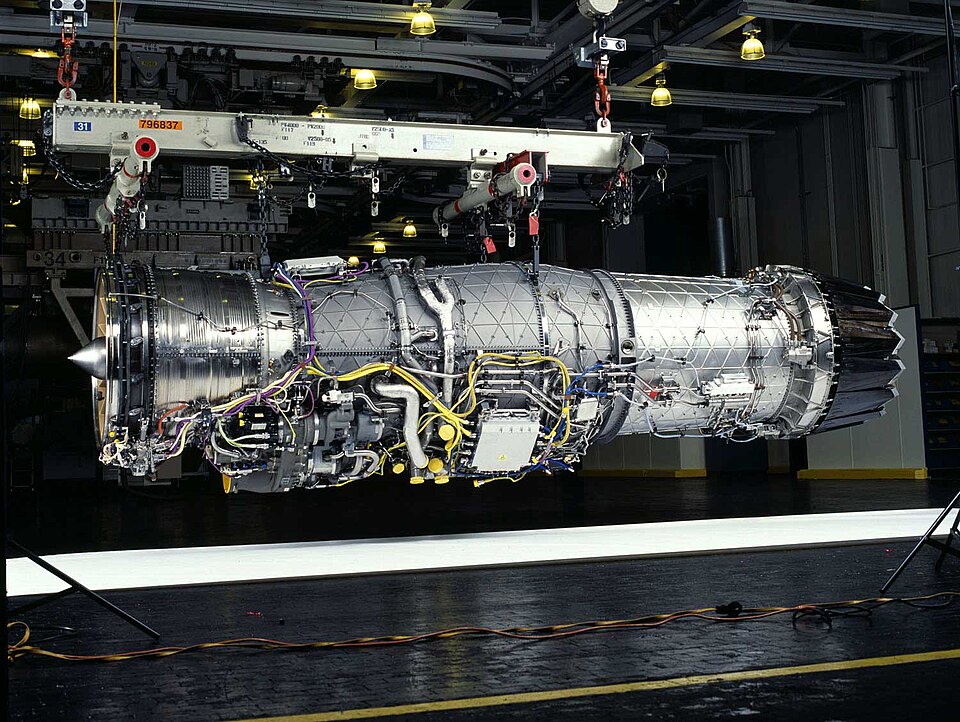
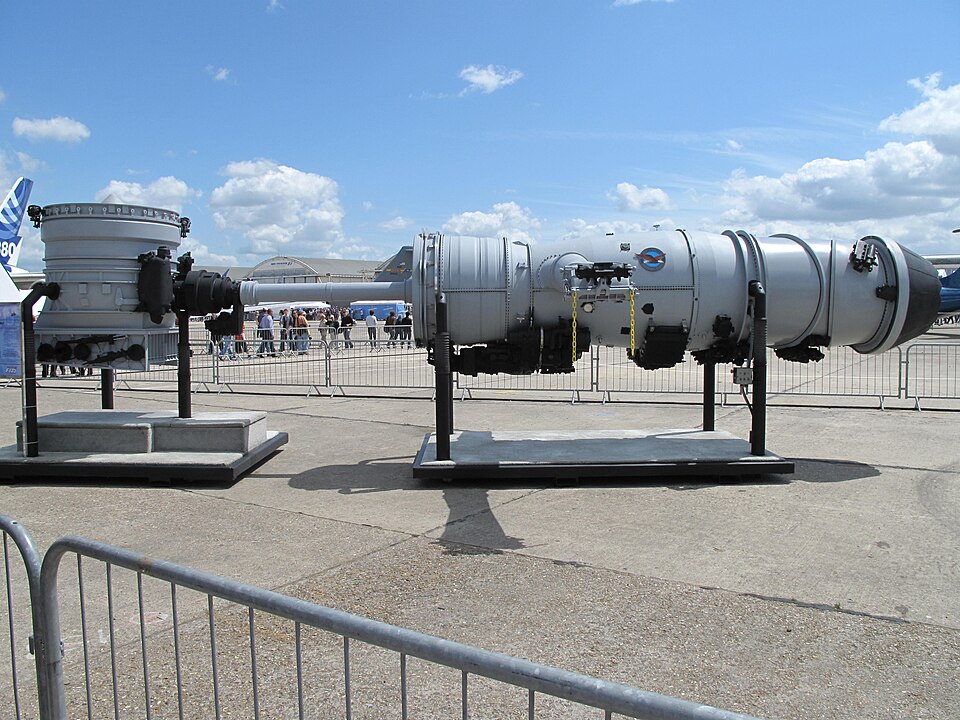
This new deal by the Naval Air Systems Command ranges from spare part procurements to software updates, with the aim of keeping the F135 engine operationally ready. The work is to be performed for both U.S. forces and Foreign Military Sales customers across three hubs that include East Hartford, Oklahoma City, and Indianapolis. With growing defense budgets worldwide and an expected fighter aircraft market CAGR of 4.24% up to 2030, this agreement is representative of how sustainment contracts have started to become key revenue streams for prime contractors.
1. The omnibus Sustainment Agreement shall include:
These encompass everything from sustainment services, program and product management, and engineering support to material configuration management, updates to technical data, and production and operational site maintenance. Propulsion system training is included, too. According to the Department of Defense, the need was for “global maintenance services for F135 propulsion system at unit and depot levels, replenishment spare parts” in order to provide a global support capability.
Such breadth helps to ensure that the F-35 fleet is mission-ready across a number of theatres. That is so important given that this aircraft is supposed to be the backbone of U.S. and allied air power. Of particular note is the inclusion of software updates: the jet’s sensor fusion and combat effectiveness underpin its digital systems.
2. Strategic Timing in Relation to Geopolitical Tension
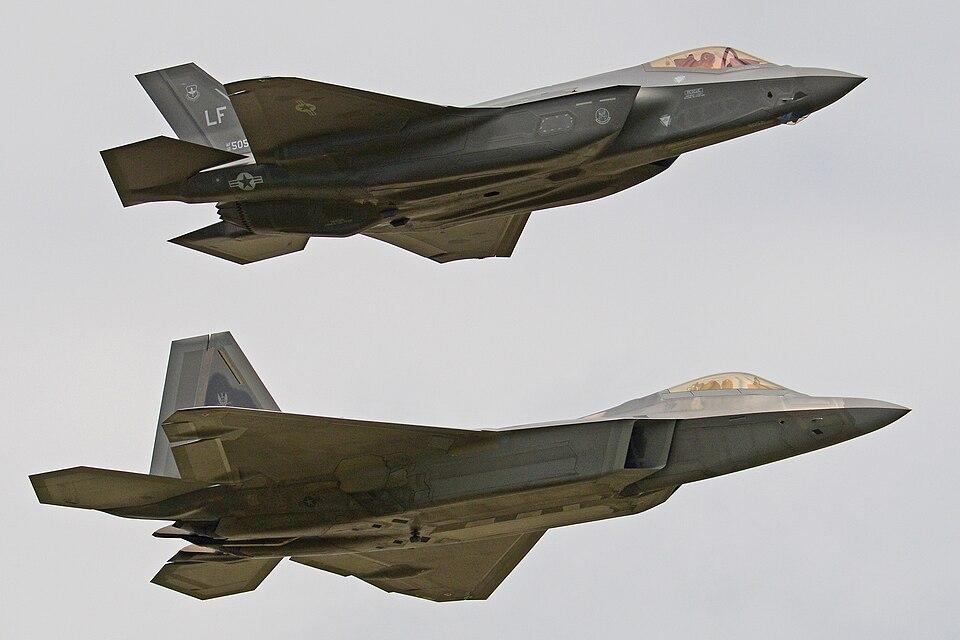
Security concerns from Eastern Europe, the Middle East, and the Asia-Pacific represent some of the drivers of investments in fifth-generation fighters across different nations, hence driving demand for advanced engines such as the F135. This would mean that the global fighter aircraft market would show a stable outlook of growth over the foreseeable period, supported by modernization programs and the ever-present need for aerial superiority.
This award positions RTX for more sustainment and production contracts in light of the current geopolitical dynamics around the world. It further cements the commitment to technological dominance in air combat on behalf of the United States.

3. Key Operational Hubs for Execution
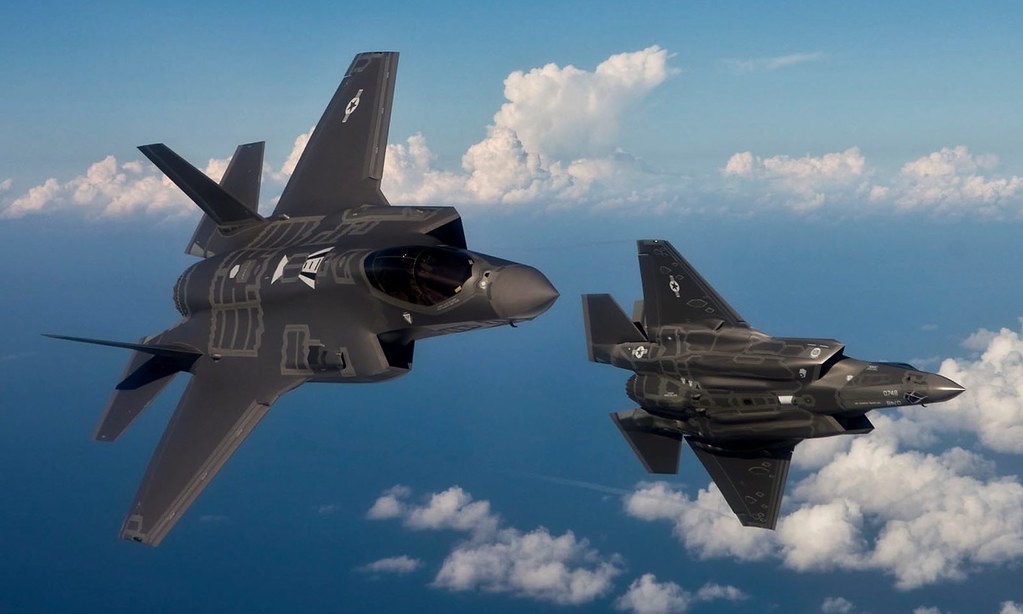
The majority of work activity will occur in East Hartford, Connecticut Oklahoma City, Oklahoma and Indianapolis, Indiana. Established competencies in maintaining engines provide the basis for locating the preponderance of work activity in the Air Logistics Complex, Oklahoma City.
The location of each is designed to achieve an ideal mix of proximity to the production lines and to operational units with depot-level facilities. Carrying out the sustainment work in these hubs therefore will ensure efficient turnarounds with maximum fleet availability.
4. Financial Scale and Market Implications
This represents $1.61 billion in positive inflow into the Pratt & Whitney military engine business. Compared to a similar deal awarded in December 2024, the new award is $298 million more, reflecting the growing demands for the sustainment of the F-35 fleet. Large sustainment contracts provide an investor with a predictable multiyear stream of revenue. They also show how aftermarket services can be similarly profitable to production contracts on complex platforms with very long service lives.
5. Link to F-35 Block 4 Modernization
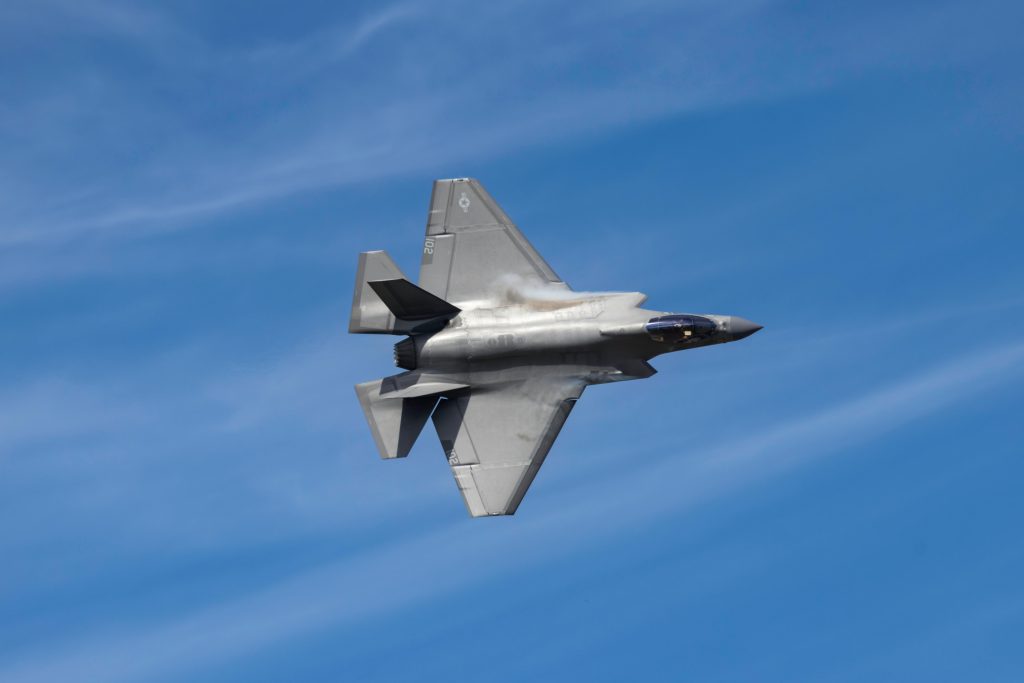
The sustainment effort runs in parallel with ongoing upgrades under the Block 4 program, which require more power and cooling from the F135 engine. Pratt & Whitney’s Engine Core Upgrade initiative targets meeting those demands without having to resort to the more expensive option of manufacturing a completely new engine. With Block 4 integration running up to five years behind schedule according to the Government Accountability Office, continuous propulsion support keeps current and future aircraft operable while modernization continues.
6. Competitive Landscape of Fighter Sustainment
While RTX leads in F-35 engine sustainment, other primes position for related opportunities. For its part, F-35 airframe manufacturer Lockheed Martin has just finalized a $15 billion air vehicle sustainment contract through 2028. Meanwhile, Boeing and Northrop Grumman remain active in adjacent domains-from airframe upgrades to unmanned systems. This contract ecosystem is illustrative of sustainment’s multi-prime, multi-billion-dollar market segment, as each contractor brings core competencies to bear in the form of long-term engagements.
7. Air Force Fleet Roadmap and Sustainment Demand
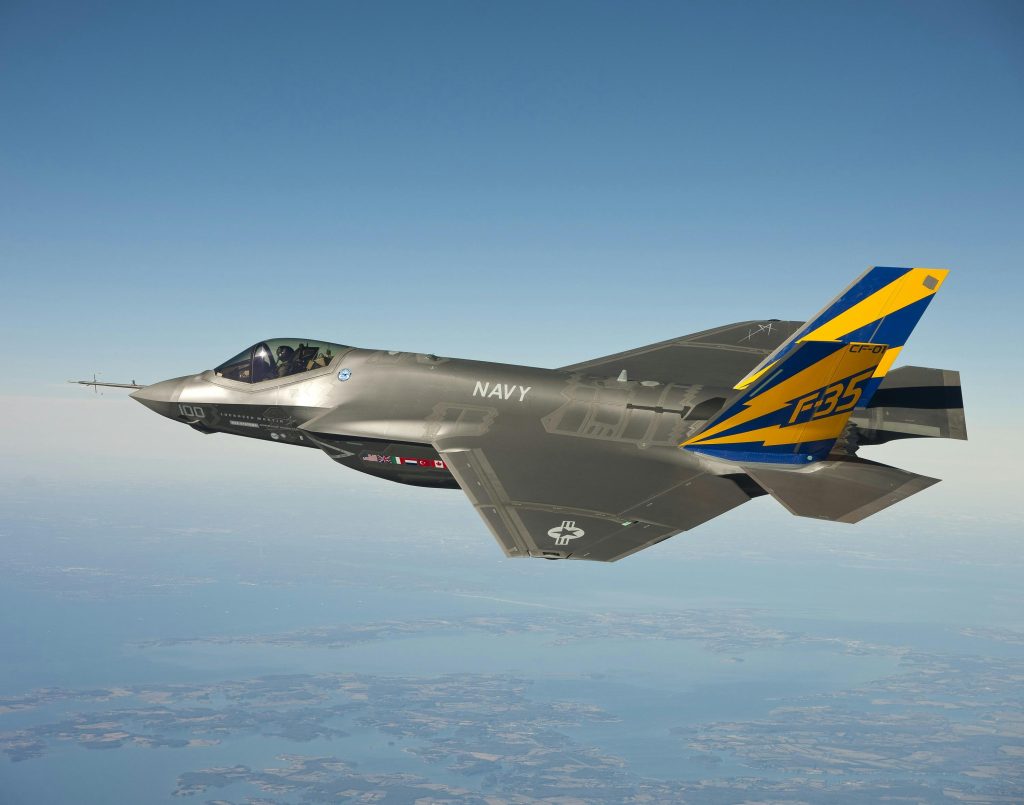
The Air Force fighter roadmap assumes a base fleet of 344 F-35s in 2026, growing modestly across the succeeding years. Recapitalization needs, parts availability issues, and technology refresh priorities will drive continued procurement and sustainment. That would be 1,558 fighters in service in 2035, with the services perhaps reaching a maximum production rate of 100 F-35s a year. Such an expansion underlines continued demands on engine support infrastructure.
8. Global Reach Through Foreign Military Sales
This contract serves not only U.S. forces but also FMS customers and extends the RTX sustainment footprint to allied fleets worldwide. With more than 7,500 Pratt & Whitney military engines in service across 30 armed forces, the company’s global logistics network is its critical asset. This reach enhances interoperability amongst allies by assuring consistent standards in performance and maintenance practices across diverse operating environments.
9. Investor and Analyst Perspectives
To analysts, the award cements RTX’s position within the defense sector. Large-scale Sustainment contracts offer stability against cyclic production swings and provide recurring revenue streams. The deal shows aerospace investors how a long-term maintenance agreement can hold strategic value comparable to new platform wins, especially if pegged to flagship programs such as the F-35. More than a deal to keep the jets, this $1.61 billion F-35 sustainment contract given to Pratt & Whitney represents a pledge to strategic intent: to keep the world’s premier fighter jet at the leading edge of operational capability.
It speaks to a confluence of technological upgrades, geopolitical imperatives, and market growth in placing RTX at the center of the global sustainment ecosystem. If one is in the business of defense, this deal says something very clearly: sustainment is not support – it’s a key battlefront in the fight for long-term advantage in military aircraft.


