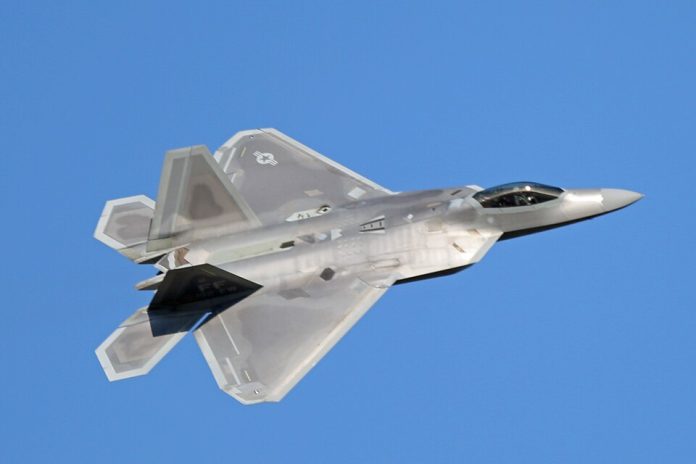
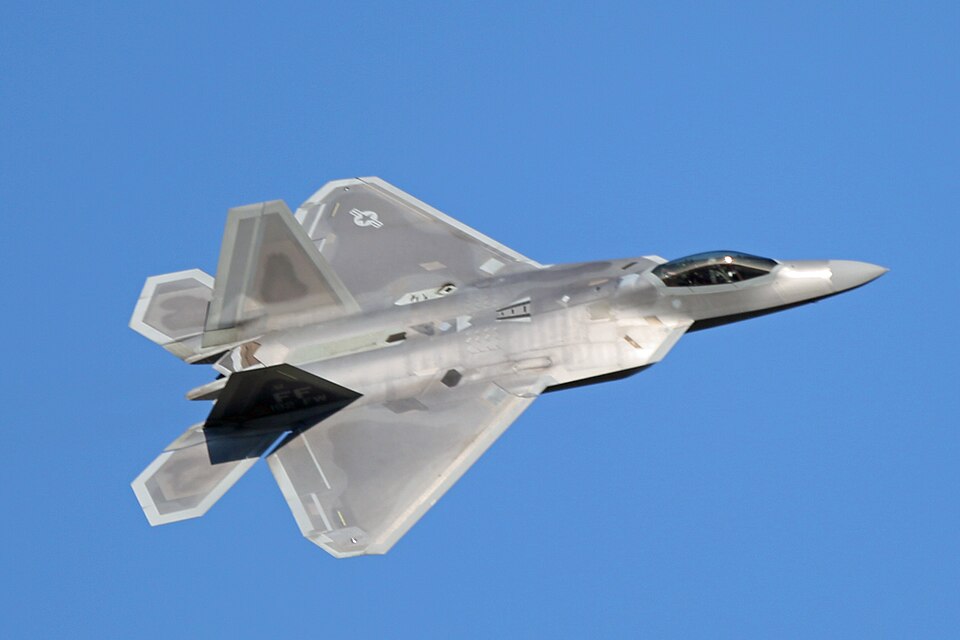
“Capability, they’re competitive. Readiness, it is no longer a wash.” Those are the words of retired Air Force Col. John Venable that bring to light a chilling reality: the United States is losing its edge of air supremacy to China and Russia. The U.S can not wait for the delayed sixth-generation Next Generation Air Dominance (NGAD) fighter to come out when China is rapidly adding to its stealth fleet and Russia is upgrading its Su-57 line.
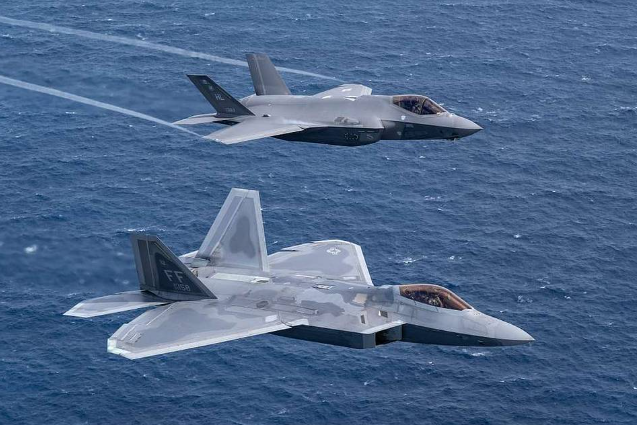
So, the U.S is not waiting for the next-gen air superiority fighter to come out but is instead heavily investing in the modernization of the F-22 Raptor and F-35 Lightning II that are its proven fifth-gen jets.
It is not a move out of longing for the old days but rather a calculated bridge strategy to keep U.S. airpower ahead till the very end of 2020s and the first years of 2030s. These overhauls go far beyond the incremental gains – they signify the significant revamping of the airframes, the arrival of advanced sensors, further stealth advances, and the integration with unmanned systems – all geared towards achieving almost sixth-gen capability at a fraction of the cost.
The future of the U.S. stealth fleet is being shaped by the nine most significant tech evolutions featuring the super and ferrari variants of the f-22 and f-35 grew to me.
1. Structural Refresh and Stealth Material Revolution
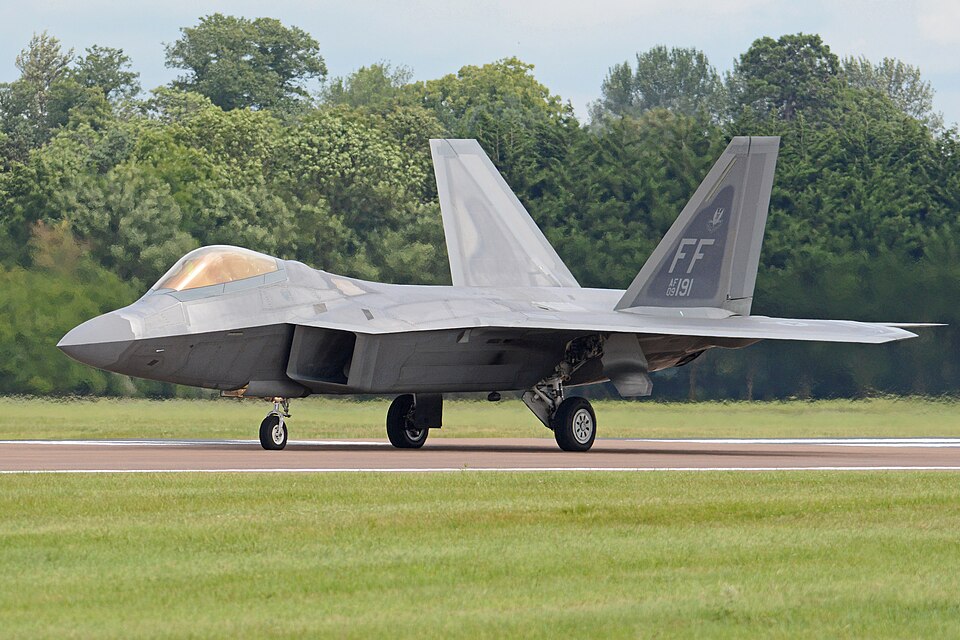
The “Super” F-22 project is a major overhaul of the aircraft not just a software update. Lockheed Martin has come up with a plan for a significant structural refresh, incorporating new stealth materials, and redesigned inlets for both reduced radar cross-section and improved aerodynamic efficiency. Some of these materials are even coming from NGAD research and they promise higher durability and lower maintenance costs as compared to the old-style radar-absorbent coatings.
At the same time, some Raptor aircraft with mirror-like multispectral coatings have been spotted at Edwards AFB, and these coatings can reduce the aircraft’s visibility along not only the radar but also infrared and even the visual spectrums. Even though the technology is at the experimental stage, the quality of the finishing suggests that the technology might soon be operational, thus providing the aircraft with solutions against advanced sensors and, possibly, even directed-energy weapons.
2. Powerhouse Onboard Processors and Open Architecture Avionics
In the course of their upgrades, the Raptors will be equipped with more powerful onboard processors that will allow for advanced sensor fusion as well as real-time data analysis. The Air Force will be able to integrate new capabilities quicker and at a lower cost if it goes for commercial off-the-shelf components within an open systems architecture instead of the present one.
This architecture also enables the F-22 to be connected to the NGAD-level network in the future which will let it work as a command-and-control node for joint and allied forces. The idea is to get legacy and next-gen platforms working together so that they can share a common digital battlespace.
3. Expanded Weapons Arsenal Including AIM-260 JATM
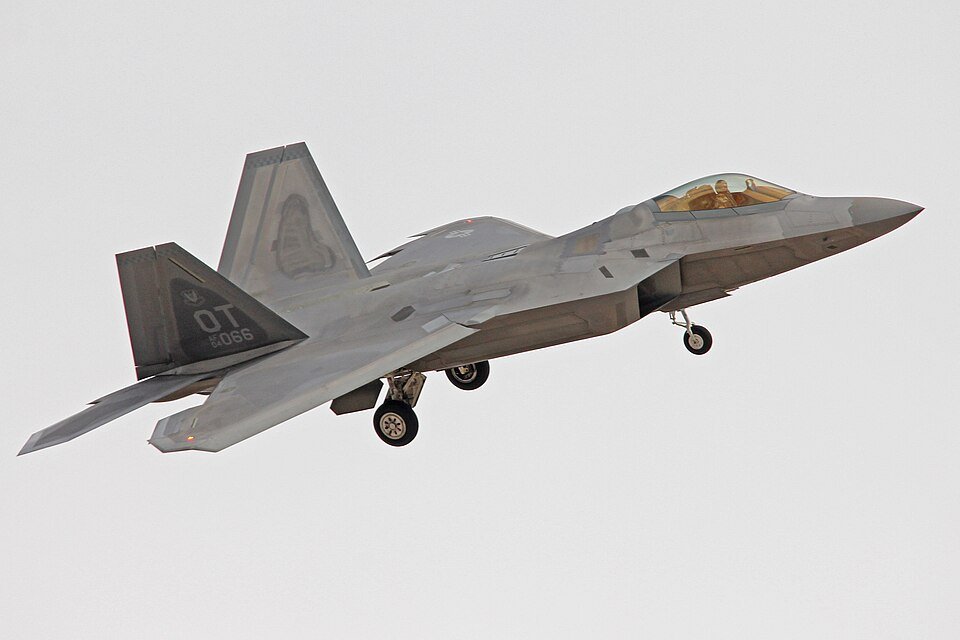
The Super Raptor’s armament will be enhanced with first-of-their-kind missiles like the AIM-260 Joint Advanced Tactical Missile that can go beyond the range of China’s PL-15. The aircraft’s operational range will be extended without a radar signature being compromised by the use of low-drag external fuel tanks and stealth pylons a very important advantage in the huge Indo-Pacific theater.
The F-22 will also be kept ready to play the role of a hypersonic weapons carrier if the integration of such weapons is given the go-ahead, thus enabling it to deliver very fast long-range attacks on high-value targets.
4. Infrared Defensive System and Sensor Fusion Leap
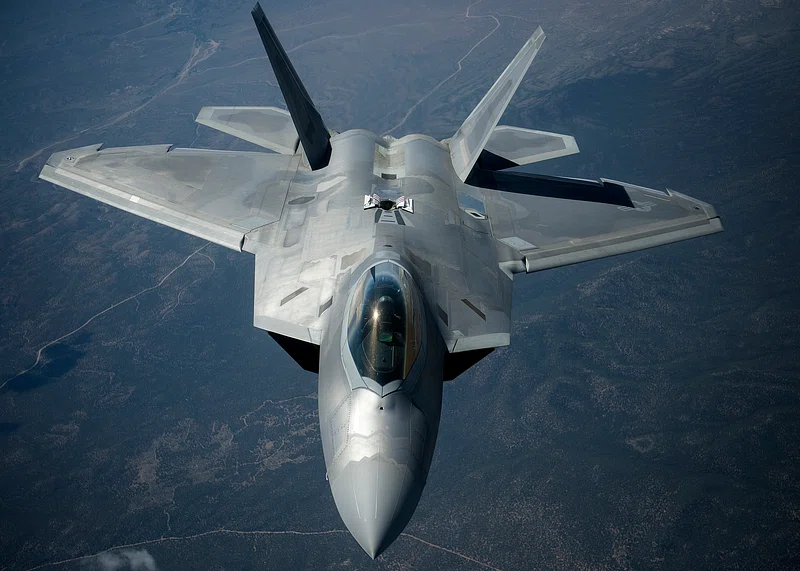
The F-22’s new Infrared Defensive System (IRDS) will identify threats through their heat signatures even as it tries to lower its own infrared signature. Besides that, the IRDS will be helped by advanced passive infrared search-and-track sensors that are going to be installed in the “Ferrari” F-35.
Combined with the newly planned advanced passive infrared search-and-track sensors for the “Ferrari” F-35, the upgrades will enable the pilots to get a broader and more survivable threat picture without the enemy getting wind of it.
5. Loyal Wingman Drone Integration
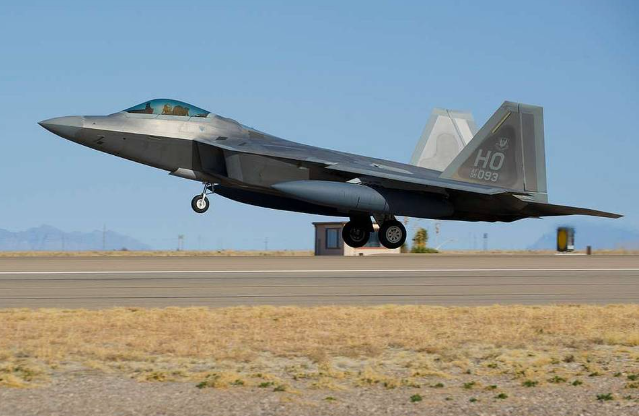
The F-22 will be the first platform to remotely operate Collaborative Combat Aircraft (CCA) drones. Tablet-based cockpit interfaces will allow the pilots to give on-the-fly directions to their unmanned wingmen through secure Inter-Flight Data Links.
In a recent demonstration, the crew of a Raptor was able to take the helm of an MQ-20 Avenger and thus the most significant step in manned-unmanned team was accomplished. The same ability will be there for F-35, NGAD, and even bombers like the B-21 Raider when it will be possible for flight crews to use one platform to coordinate an autonomous asset network.
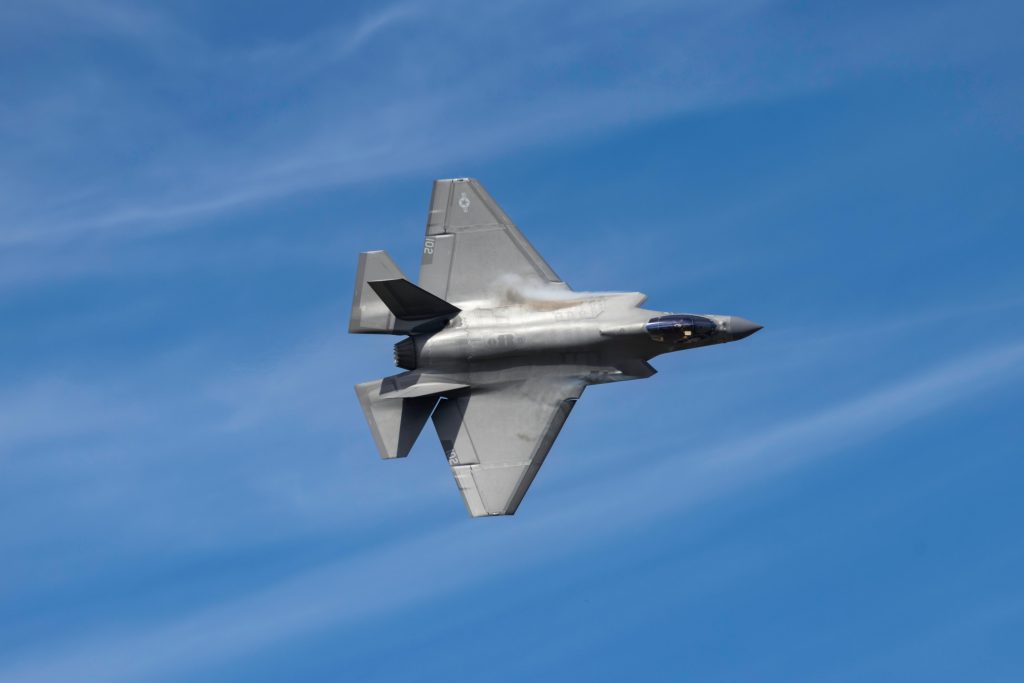
6. Ferrari F-35: 80% Sixth-Gen Capability at Half the Cost
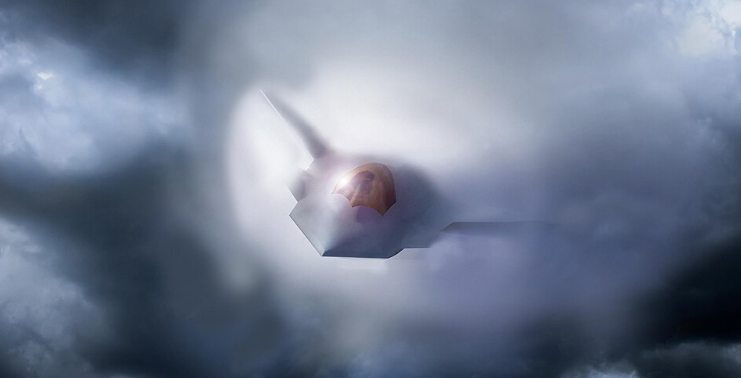
Lockheed Martin CEO Jim Taiclet has stated that the “Ferrari” F-35 might have the ability to provide 80% of the features of a sixth-generation aircraft at about 50% of the cost of Boeing’s F-47 NGAD fighter. The changes include enhanced stealth of the aircraft through improved coating, reshaped engine inlets to reduce rear-aspect radar signature, as well as possibly a more powerful engine.
The electronic warfare component would be upgraded, the networking would be better, and the autonomy features could even make the jet pilot-optional – thereby a radically innovative change for single-seat strike fighters.
7. Networking and Data Link Enhancements
After the upgrade, both the platforms would be equipped with the next-generation data links and stealthy communication systems that will enable coordination among services and allied forces in a secure manner resistant to jamming. To facilitate higher bandwidth, two-way Link 16 integration will be utilized by the Raptors to exchange data with F-35s, drones, and partner aircraft thereby letting early stealth designs operate independently be broken.
The interconnected battlespace created by this is at the heart of the Air Force’s system-based high-low mix strategy which is aimed at achieving a balance of capabilities between high-end manned fighters, which can direct the actions of lower-cost unmanned systems, and the latter themselves.
8. Range and Deployment Flexibility
The LDTP (Low-Drag Tank and Pylon) program is envisaged to help the F-22 extend the range needed for accomplishing tasks deep within the enemy territory. The “Rapid Raptor” concept features small detachments that can be flown to any part of the world within 24 hours and they will be weaponized with advanced missiles and connected to joint networks.
An expanded weapons compatibility coupled with a better endurance will be the main factors that will help F-35 in playing the role of a multirole node, capable of both strike and air superiority missions in the case of dispersed operations.
9. Strategic Hedge Against NGAD Delays
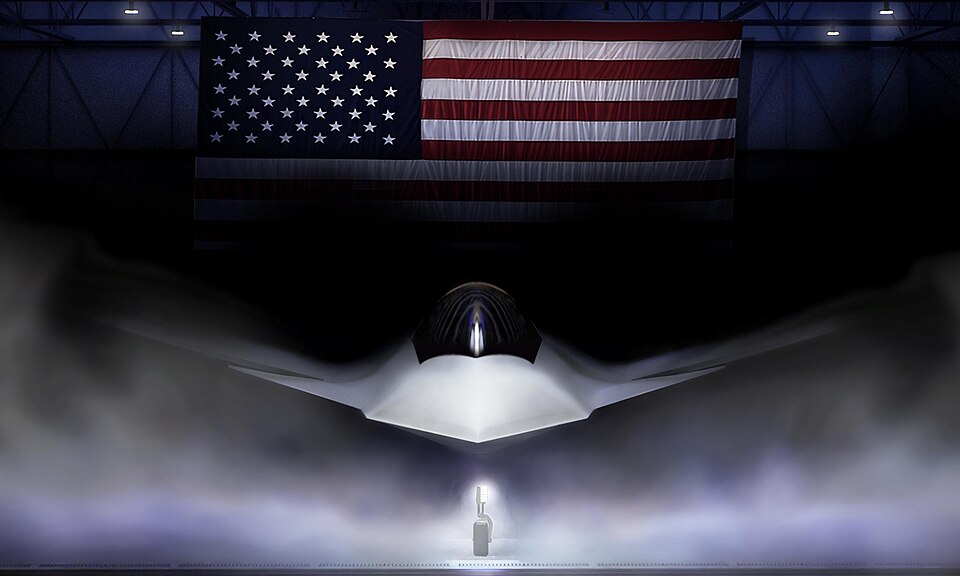
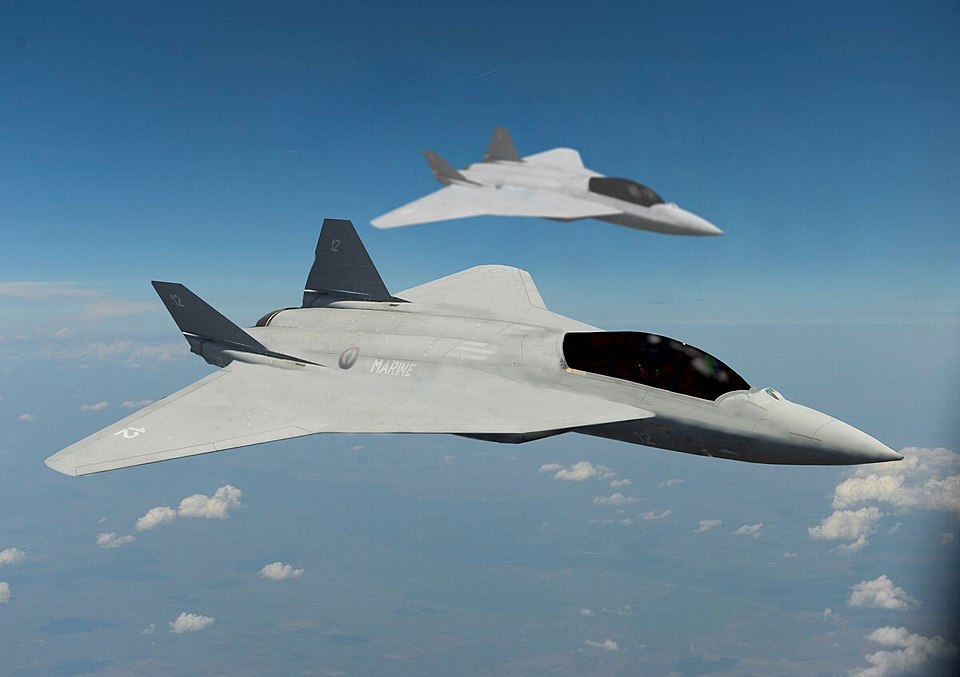
In other words, the upgraded fifth-generation jets are a quite essential strategic bet that F-47 NGAD fighter’s first flight is not going to be until 2028. They serve the function of buying time, bridging gaps between possible capabilities, and giving assurances to the allies that the U.S. is going to maintain air dominance. By doing airframe modernization now which are already proven, the Air Force is able to stay away from the industrial and logistical challenges of a rushed new production while at the same time it is positioning itself for a smooth integration of NGAD tech when that time comes.
The programs Super F-22 and Ferrari F-35 are indicative of a realistic US airpower strategy shift that is a move to invest in platforms that have already been proven for the purpose of bridging the dangerous gap. The enhancements combine structural innovation, sensor and stealth breakthroughs, and unmanned integration to achieve almost sixth-gen capability years before the scheduled time. In the world when the adversaries can iterate faster and the budgets are limited, the way the U.S. stealth fleet is maintained as lethal, connected, and ready for the high-end fight is what guarantees the continuation of America’s dominance in the air.


