“We see you. We know what you’re doing.” The warning from Britain’s defence secretary to Moscow this week underlined a stark reality: Europe’s security order is under unprecedented strain. From the Baltic seabed to the streets of Berlin, the contest between NATO and Russia is increasingly fought in the shadows and sometimes in plain sight.
The most recent round of threats by Vladimir Putin and NATO leaders has refocused fears of a wider war. Rhetoric on pre‑emptive strikes, secret sabotage, and mass mobilisation measures has moved the discussion from one of hypothetical scenarios to concrete preparations. This is not the Cold War’s slow burn; it is a volatile, multi‑domain confrontation unfolding in real time.
The following developments illustrate a confrontation that’s worsening with exposed vulnerabilities and the measures taken that change the face of Europe’s security landscape.
1. NATO’s Pre‑Emptive Strike Debate
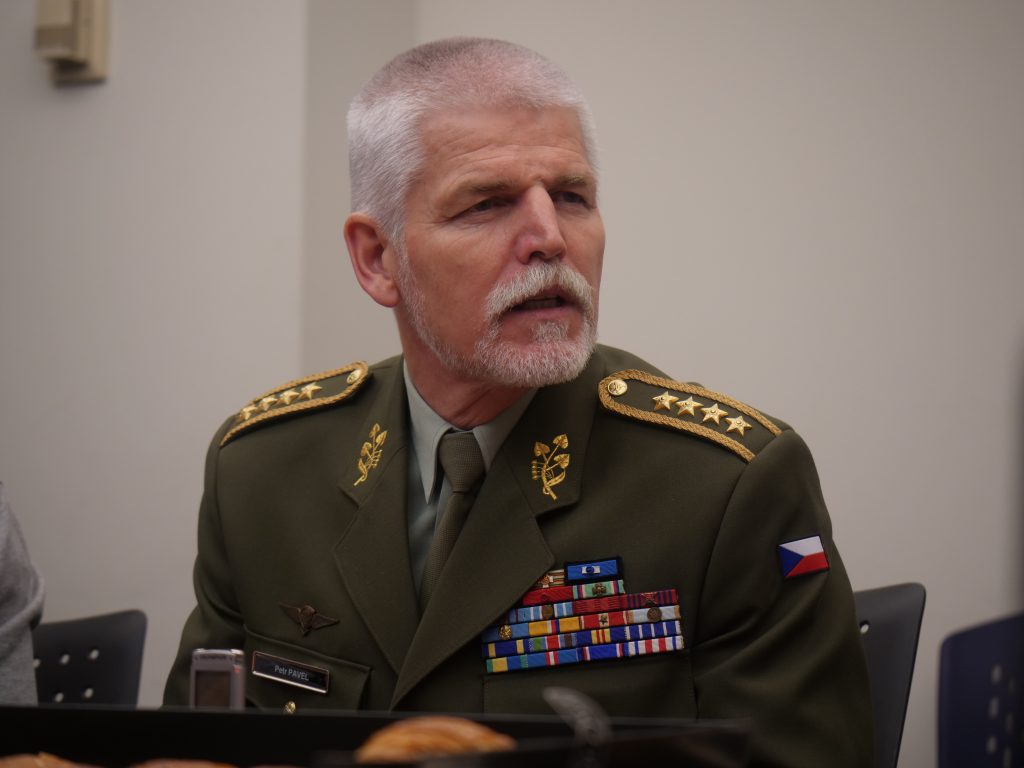
Admiral Giuseppe Cavo Dragone, chairman of NATO’s Military Committee, has publicly floated the idea that the alliance may have to give up its purely reactive stance. He told the Financial Times that “being more aggressive or being proactive instead of reactive is something we are thinking about”. That would be a profound change in NATO doctrine, framing what might otherwise be described as a pre‑emptive strike as a form of defensive action.
The spur for this reevaluation has been the spate of hybrid attacks-from cyber intrusions to drone incursions-pushing the limits of NATO’s deterrence without escalation. Dragone said that the legal and jurisdictional frameworks remain unresolved; however, his remarks have drawn sharp condemnation from Moscow, labeling them “an extremely irresponsible step” and a deliberate attempt to undermine peace efforts.
2. Putin warns of ‘major war’
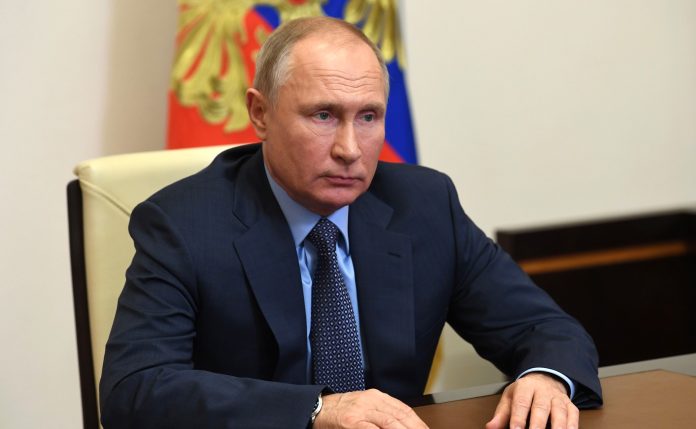
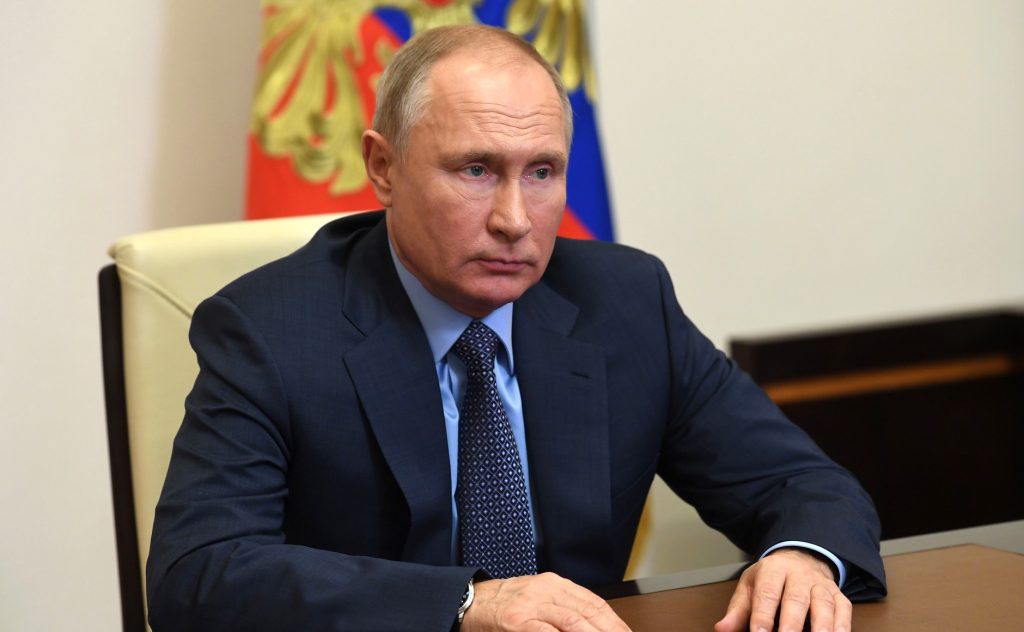
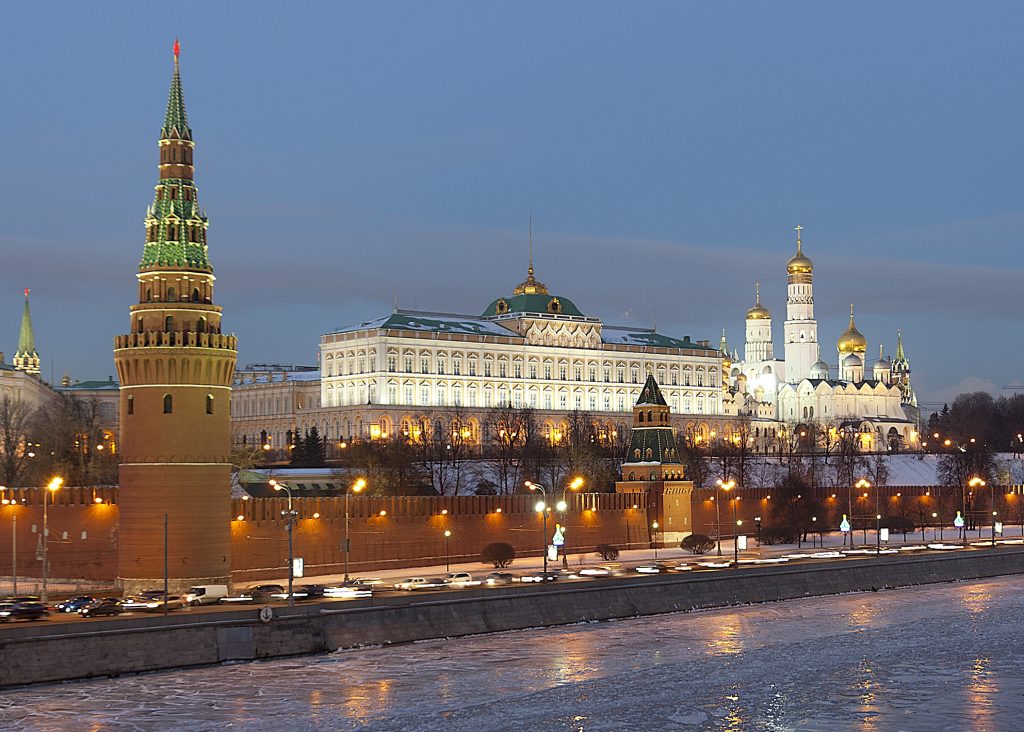
The Kremlin has seized on the pre‑emptive options debate in NATO to accuse the alliance of preparing to fire the first shot in a global conflict. President Vladimir Putin warned Europe of “consequences” if it continued what he described as a march toward escalation. Russian diplomats, including ambassador Denis Gonchar in Belgium, have accused NATO of “intimidating its population” with fabricated threats and of actively preparing for war.
These statements come as European capitals quietly prepare their militaries for worst-case scenarios. In Moscow’s view, portraying NATO as the aggressor helps rally domestic support and simultaneously justifies its military buildup along the alliance’s borders.
3. Return of Military Service to Europe
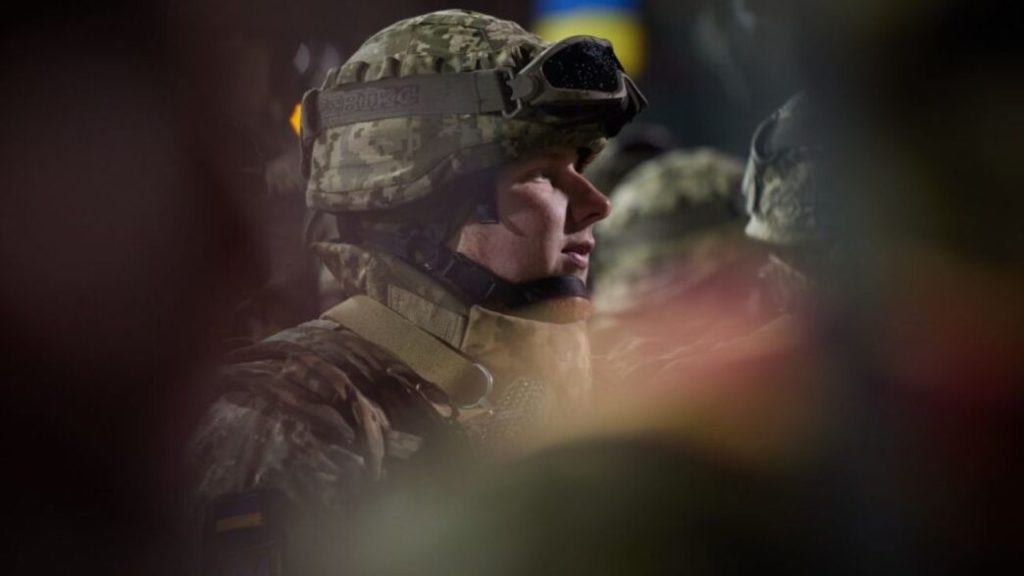
Governments across the continent are reversing decades of demobilization. France has announced a voluntary 10‑month service for men and women aged 18 to 19, offering up to €1,000 a month, accommodation and transport discounts. President Emmanuel Macron framed this as a response to “accelerating threats” and a method for strengthening the bond between nation and army.
Germany will bring in compulsory medical check-ups for all 18‑year‑old men from 2027, together with a questionnaire to assess their fitness to serve. Parliament may vote for conscription if the targets are not reached. Other countries, from Croatia to Denmark, have reinstituted or stepped up conscription, part of a more general European recognition that manpower is still a strategic asset in the context of great‑power rivalry.
4. Russian Sabotage Campaigns in Europe
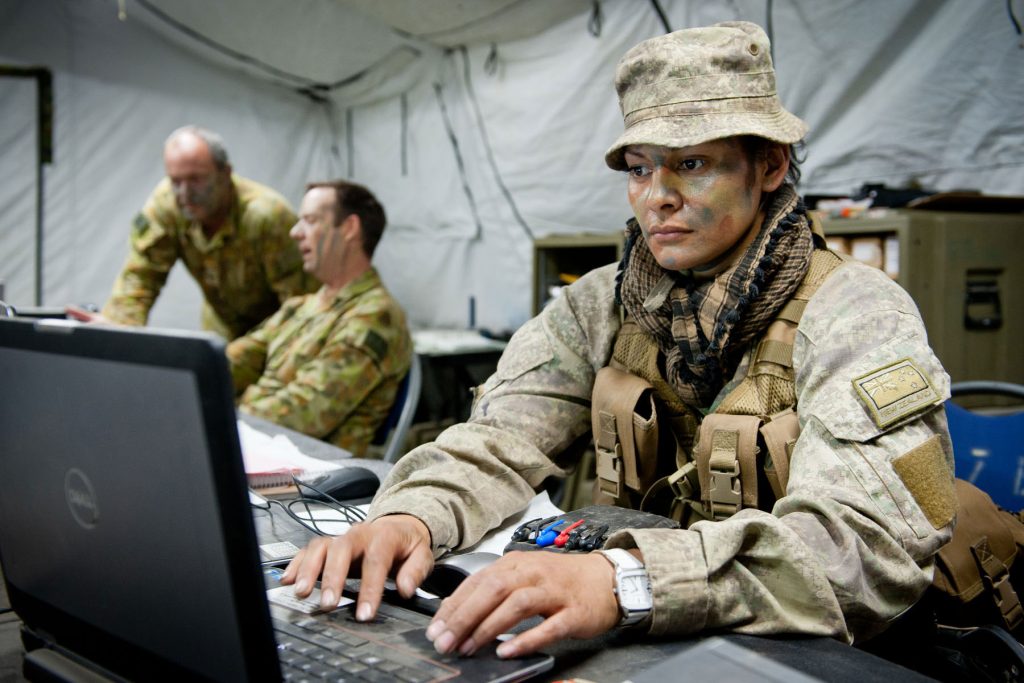
Security services across Europe have attributed a spate of fires, explosions and infrastructure failures to Russian intelligence operations. Incidents have included the huge fire in the Berlin missile factory, railway cable-cutting in Germany, and attempted bombings of U.S. bases. Arms manufacturers, transport hubs and political dissidents have been among the targets.
Investigations have shown that Moscow uses local proxies, many of them recruited online, for the sake of plausible deniability. While many plots were disrupted, the breadth of the activity spanning at least a dozen NATO countries underscores the scale of Russia’s unconventional warfare effort.
5. Undersea Infrastructure Under Threat
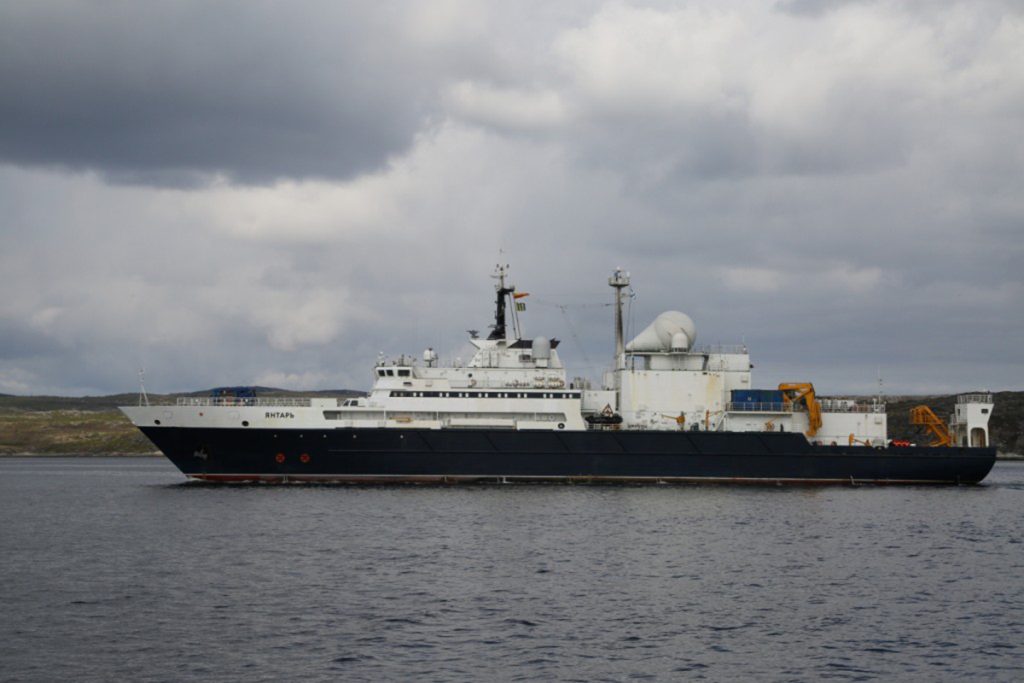
The web of seabed cables and pipelines across Europe carries trillions of dollars in daily trade and data, which makes it a key target for disruption. NATO officials say that Russian vessels, including the spy ship Yantar, have been identified near critical nodes. The Baltic Sea is shallow and crowded with energy and data links; since 2022, there have been repeated outages and damage incidents there.
These chokepoints are now more difficult to protect: locating and sabotaging cables in deep water requires specialist equipment and detailed seabed mapping, whereas in the shallower zones-where cables make landfall-it is easier to conduct attacks, which are harder to attribute. NATO has increased patrols in an operation codenamed Baltic Sentry; experts warn that it takes more vigilance and investment to deter future strikes.
6. The Electromagnetic Warfare Gap
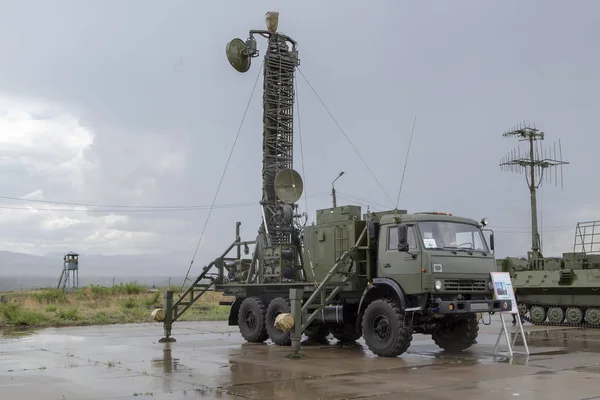
Events in Ukraine underlined the fact that Russia enjoys electromagnetic superiority in a domain where NATO became complacent after the Cold War. The Russian military reportedly used at least two systems, Krasukha‑4 and Murmansk‑BN, to jam communications, blind drones, and disrupt GPS many times in advance of artillery strikes.
NATO’s capability in EW remains deeply reliant on U.S. assets-a strategic vulnerability if Washington turns its attention elsewhere. That gap may well be filled with the new EW Coalition being discussed with Ukraine, but building expertise, equipment, and supply chains will take several years-and time Europe may not have if tensions escalate further.

7. Cyber Espionage and GRU malware
Britain last week imposed sanctions on three GRU units and 18 officers for a “sustained campaign of malicious cyber activity” against the media, telecommunications and energy sectors. The National Cyber Security Centre attributed a new malware, named AUTHENTIC ANTICS, to GRU unit 26165, which was developed to steal Microsoft cloud credentials.
These operations form part of the broad effort by Russia to destabilize Europe through digital intrusion, supplementing physical sabotage. Past GRU cyberattacks have hit the German Bundestag, the U.S. Democratic Party, and the Paris Olympics, highlighting the global reach of Moscow’s cyber arsenal.

8. Logistical Weaknesses in NATO
Beyond immediate sabotage threats, the probing by Russia has brought to light NATO’s own structural vulnerabilities. Military exercises in Romania underlined the fact that large forces could take several weeks in moving from Western Europe to the eastern flank because of incompatible rail gauges, underfunded transport corridors, and poor cross‑border coordination. These weaknesses could delay reinforcement in a crisis. Without a central European body to oversee military mobility, analysts say, sustaining a high‑intensity conflict would be far more difficult-a reality Moscow is likely factoring into its calculations.

9. Escalation Risks and the ‘Shadow War’
Everything from undersea cable damage to arson in European capitals, the specific operations undertaken by Russia are calibrated to stay below the threshold that might trigger NATO’s Article 5 mutual defense clause. This “shadow war” raises costs, sows discord, and tests alliance resolve without crossing into open conflict. Events like the recent railway explosion in Poland, which officials referred to as an “act of state terror,” do raise questions about where that threshold exists. As Lithuanian politician Gabrielius Landsbergis asked, if such acts were causing mass casualties, “would we still be talking about hybrid? Or… just call it war?”
The buffer separating peace from open conflict in Europe is being worn down in the face of military posturing combined with covert sabotage and systemic vulnerabilities. As NATO debates doctrine and bolsters defences, Russia presses on with its efforts to find the weak links-often at very limited cost to itself. The next few months will determine whether the alliance manages to close such gaps in time to avoid further escalation, or whether the ‘shadow war’ overflows into something far more dangerous.


