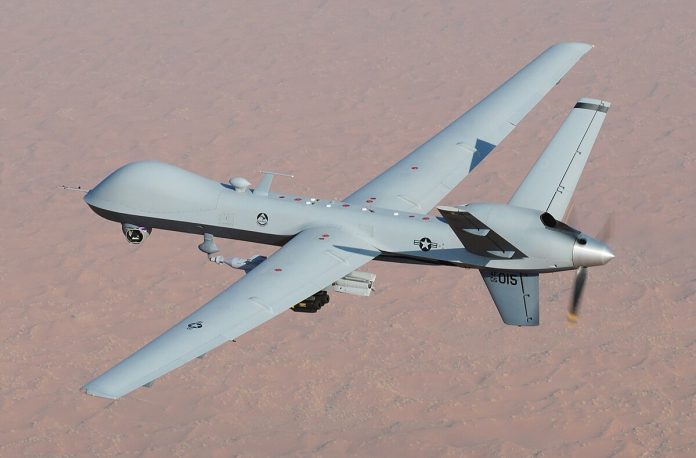
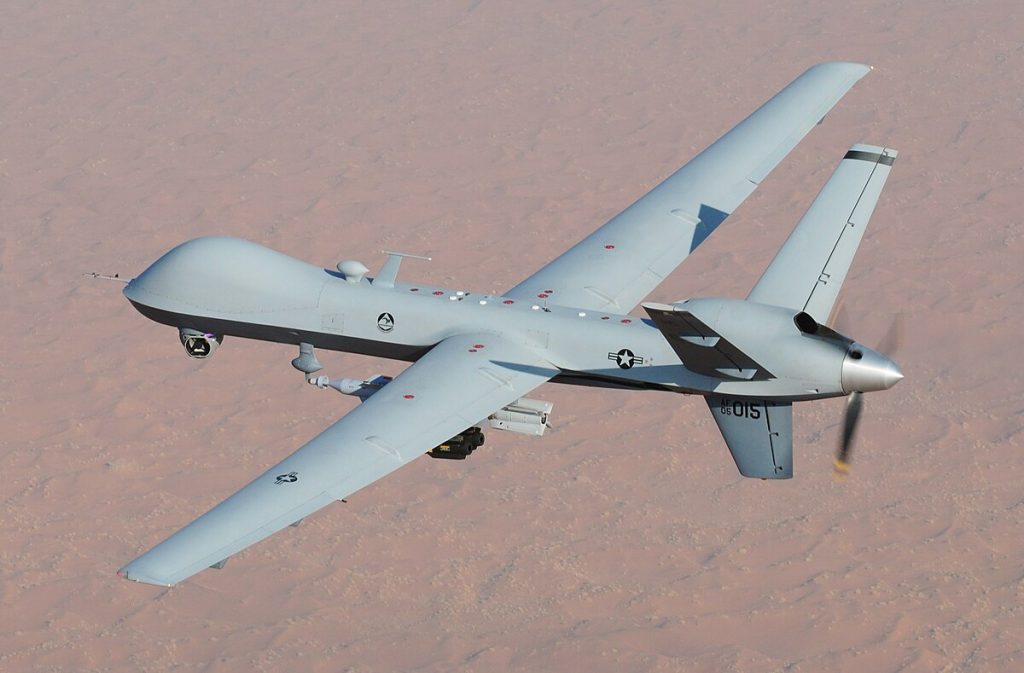
Three US service members killed by a single drone in Jordan. Hundreds of incursions over US military bases. Millions of low-cost UAVs rolling off production lines in Ukraine, Russia, and China. These are not isolated incidents they are the new reality of modern warfare. The rapid proliferation of unmanned systems has transformed battlefields from Gaza to the Black Sea, forcing militaries to rethink strategy, procurement, and defense at unprecedented speed.
No longer niche tools, drones are central to statecraft, asymmetric war, and even criminal enterprise. And yet, for every leap in offensive capability, counter-drone technologies race to catch up. From AI-driven targeting kits to high-powered microwave weapons, the contest is as much about adaptation cycles as it is about raw firepower. This list considers nine of the most compelling developments that shape the global drone and counter-drone race, highlighting both the opportunities and vulnerabilities they have created.
1. Ukraine’s Mass-Manufactured Drone Arsenal
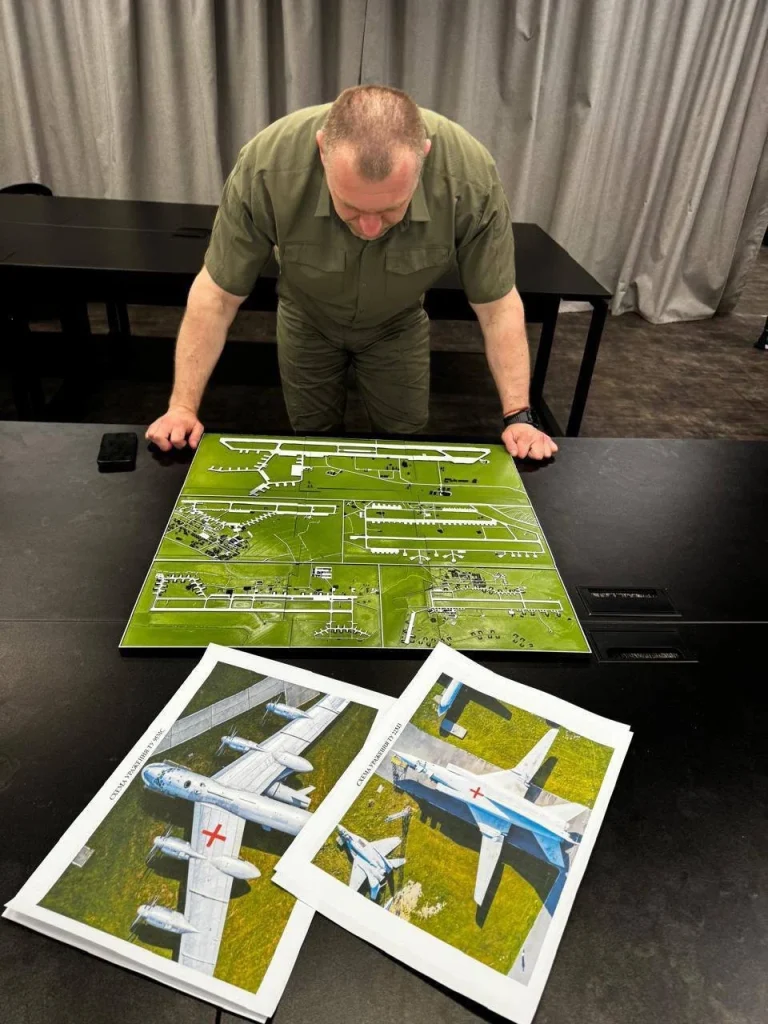
Thus, Ukraine has already scaled its production of drones from 800,000 units in 2023 to an estimated 2 million in 2024 and projects 5 million next year. Underpinning this surge is a civilian–military innovation network that uses commercial tech in battlefield roles. Now, FPV drones undertake deep strikes, maritime attacks, and precision targeting, exemplified by the operation known as the ‘Spider’s Web’, which hit Russian airbases deep inside Siberia. Low-cost systems such as these have allowed Kyiv to offset Russia’s numerical advantages and redefine what counts as operational reach.
2. Russia’s Institutionalized UAV Doctrine
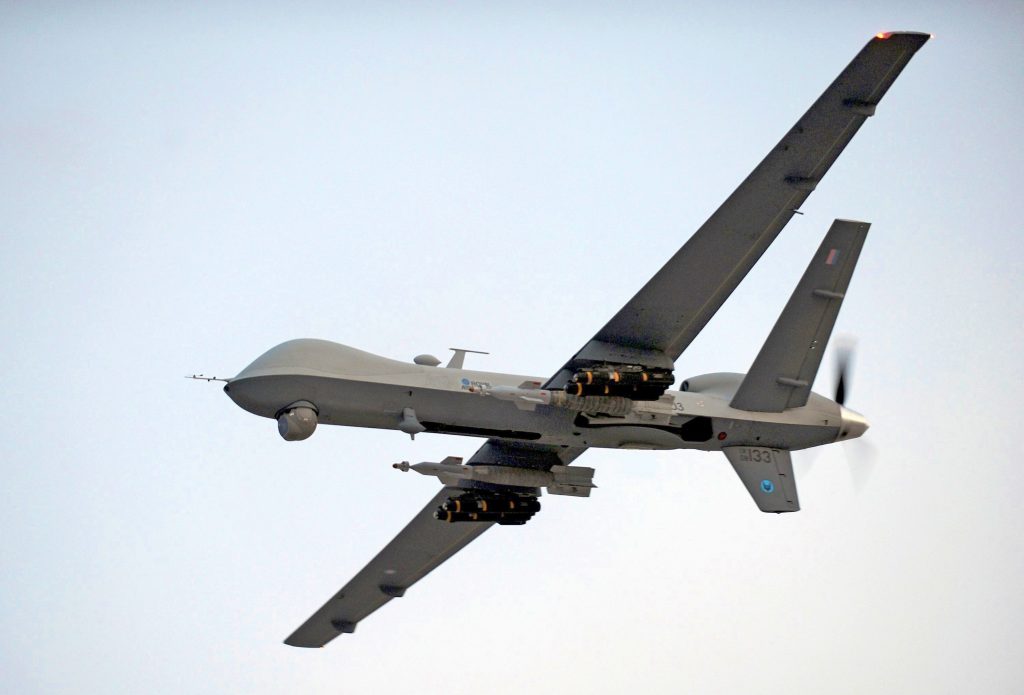
It has moved from ad hoc use of drones to a fully integrated doctrine, leveraging mass deployment of FPV drones in support of artillery fire correction, loitering munitions, and rapid kill chains with strike latency under 10 minutes. The Rubicon Center for Advanced Unmanned Technologies trains elite units and is developing fiber-optic drones resilient against jamming. Scale, resilience, and integration with traditional fires have combined to make the Russian UAV operations a persistent threat on the Eastern Front.
3. China’s Growing Drone Ecosystem
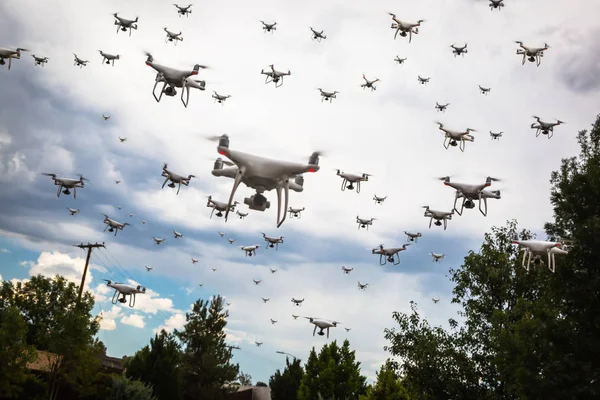
China leads the commercial drone market and is using that advantage to develop military UAVs, including swarm tactics and long‑range maritime platforms. Almost 80 percent of critical drone electronics used by adversaries come from Chinese supply chains; often these supplies go through third countries to mask their origin and evade sanctions. Beijing is also investing significantly in counter‑UAV systems: more than 3,000 manufacturers are producing anti‑drone equipment, including a high‑powered microwave weapon able to disable electronics out to a radius of 3‑kilometers.

4. Israeli C‑UAS Innovation
The Israeli defense industry has designed multi-layered counter-drones that integrate radar, electro-optical sensors, jamming, and kinetic interceptors. Rafael’s Drone Dome integrates different ways of detecting and neutralizing drones, while Elbit ReDrone uses electronic warfare and lasers. Smaller, up-and-coming companies like OptiDefense and Sentrycs further advance laser precision by placing an emphasis on integrated detection platforms, while XT develops compact, rapid-response systems that combine smart sensors with automated targeting to counter small UAV threats.
5. U.S. Counter‑Drone Gaps and Priorities
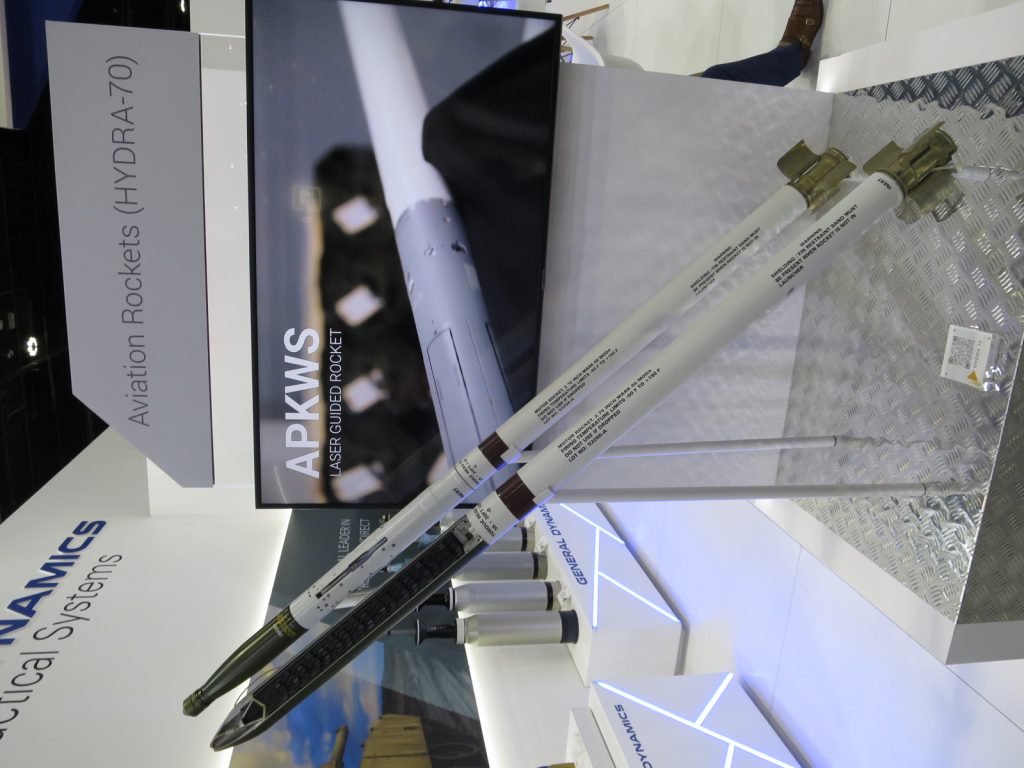
With capabilities advancing, U.S. counter‑UAS efforts remain fragmented and underfunded. NORAD has tracked more than 600 drone incursions at domestic military installations since 2022, but most base commanders lack engagement authority. The Pentagon’s Joint C‑sUAS Office is testing systems such as the Thales LMM and APKWS for cost‑effective kinetic defense, but training shortfalls persist. Major General Sean Gainey has warned that operational readiness is falling behind the surging pace of drone proliferation.
6. The Layered Detection Approach
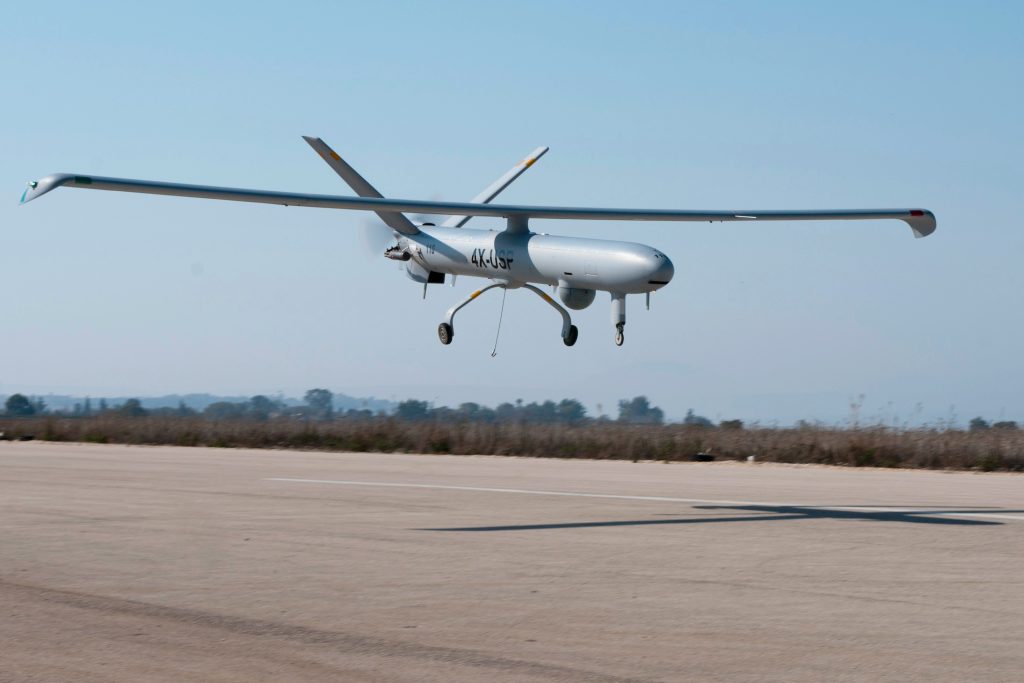
Large-scale multi-sensor detection networks are being implemented for airports and military bases to provide the missing links in relying on a single technology. RF can detect control links and pilot locations, but misses autonomous drones; radar detects all aerial objects but suffers from both false alerts and high cost. Experts recommend combining RF geofencing with targeted radar coverage over critical zones, ensuring integration with surveillance, access control, and cybersecurity systems for a unified security posture.
7. AI‑Driven Autonomous Strike Kits
Companies like Auterion outfit drones with AI modules that enable semi‑autonomous identification and engagement of targets. In Ukraine, 33,000 of those kits have been deployed, each capable of replacing the firepower of thousands of artillery shells at a fraction of the cost. Founder Lorenz Meier emphasizes that while humans guide drones to the target area, onboard AI executes precision strikes while resisting jamming, dramatically improving efficiency and reducing ammunition expenditure.
8. Emerging Platforms Across Domains
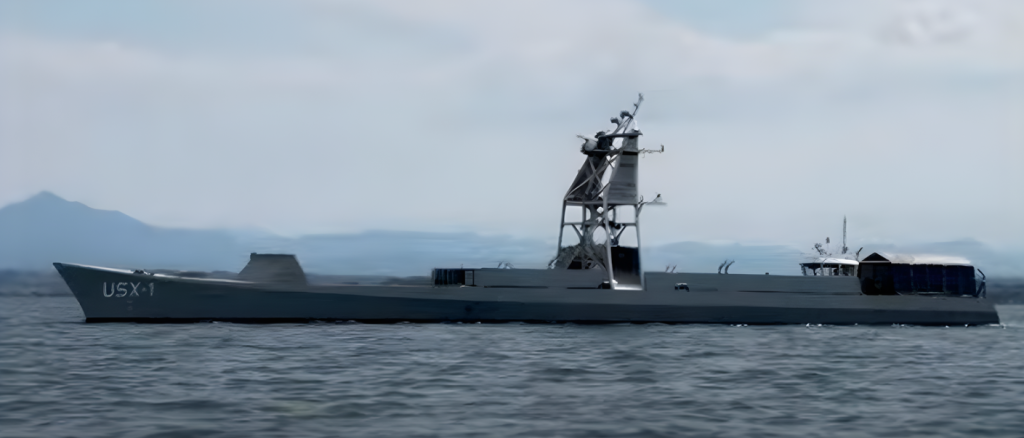
Today, the spectrum of drones ranges in size from the insect-sized, nano-UAV RoboBee to 180-foot-long unmanned surface vessels, such as DARPA’s USX-1 Defiant. Maritime developments include Ukraine’s USVs serving as miniature drone carriers and Australia’s Ghost Shark extra-large autonomous underwater vehicle. Singapore recently deployed a ‘mothership’ drone offering multi-domain capability, highlighting how unmanned systems are increasing reach above, on, and below the ocean.

9. Strategic Risks and the ‘Forever War’ Effect
Analysts warn that, though drones can prolong conflicts by preventing decisive victories, they cannot hold territory. According to the Vision of Humanity, only 9% of conflicts in the 2010s ended in decisive victory, compared to 49% in the 1970s. Prolonged stalemates in both Ukraine and Myanmar show how cheap, scalable drones have entrenched opposing forces, creating resource‑draining ‘forever wars’ where little clear resolution takes place. The global race between drone innovation and counter‑drone defenses is accelerating, with state and non‑state actors alike exploiting rapid production cycles, AI integration, and cross‑domain deployment.
Yet, as Vice President J.D. Vance and other leaders caution, technological prowess alone will not win the day. The decisive edge in such theaters will belong to those who can integrate these systems into coherent strategies, train forces for real‑time adaptation, and balance cutting‑edge capabilities with the enduring requirements of holding ground and achieving strategic objectives.


