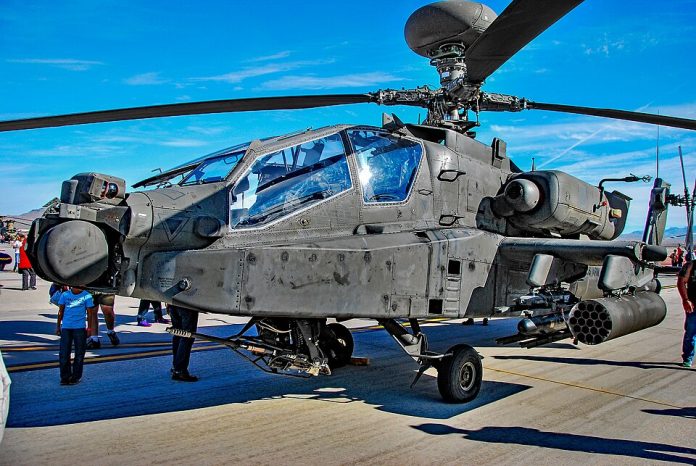
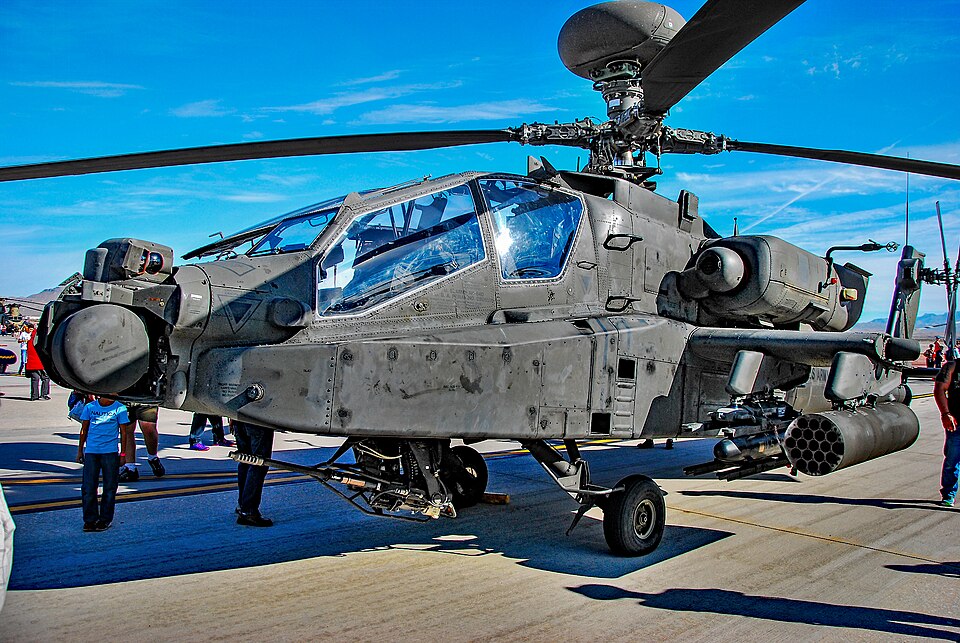
The scoreline from the US Army’s latest counter‑drone trial with the AH‑64E Apache is thirteen kills in fourteen engagements. But in a world where unmanned aerial systems are proliferating across every conflict zone, such a statistic is little more than a signal that one of the most fearsome attack helicopters in the world is turning into a mobile air defense asset.
The exercise, Operation Flyswatter, brought together Army, National Guard, Marine Corps, Navy and industry partners at Marine Corps Air Station New River, North Carolina. Crews with the South Carolina Army National Guard showed how the Version 6 software and advanced sensors on board the Apache, working in concert with a diverse suite of weapons, can detect, track and destroy drones ranging from small quadcopters to larger one‑way attack munitions.
To both the defense technology professional and military aviation analyst, the transformation of the Apache represents a case study in rapid capability adaptation. In this regard, nine breakthroughs defining its emerging counter‑UAS role are outlined below.
1. Version 6 Software Integration
Its current-production Version 6 software provides the backbone for the AH‑64E’s counter‑UAS evolution. The upgrade vastly improves sensor fusion, target tracking, and engagement coordination-so that crews can prosecute aerial threats with precision. As part of Operation Flyswatter, for instance, V6 allowed seamless integration of electro‑optical/infrared imagery with the AN/APG‑78 Longbow radar feed into a unified targeting picture. By design, the software will be able to incorporate future guidance modes-such as dual‑mode seekers for rockets-to cut timelines associated with swarm attacks.
2. Link 16 Networking Advantage
Link 16 connectivity turns the Apache from a stand-alone shooter into a node in a wider air defense network. CW5 Joel Gooch said, “With Link 16, the helicopter can function as a true mobile air defense platform, filling a gap that ground systems alone can’t cover.” Target data can be shared across Apaches and other platforms to cut sensor‑to‑shooter timelines, even allowing for radar cueing if only one aircraft has a fix. This networked approach allows enhanced situational awareness, enabling coordinated engagements across the battlespace.
3. Multi‑Layered Weapons Employment
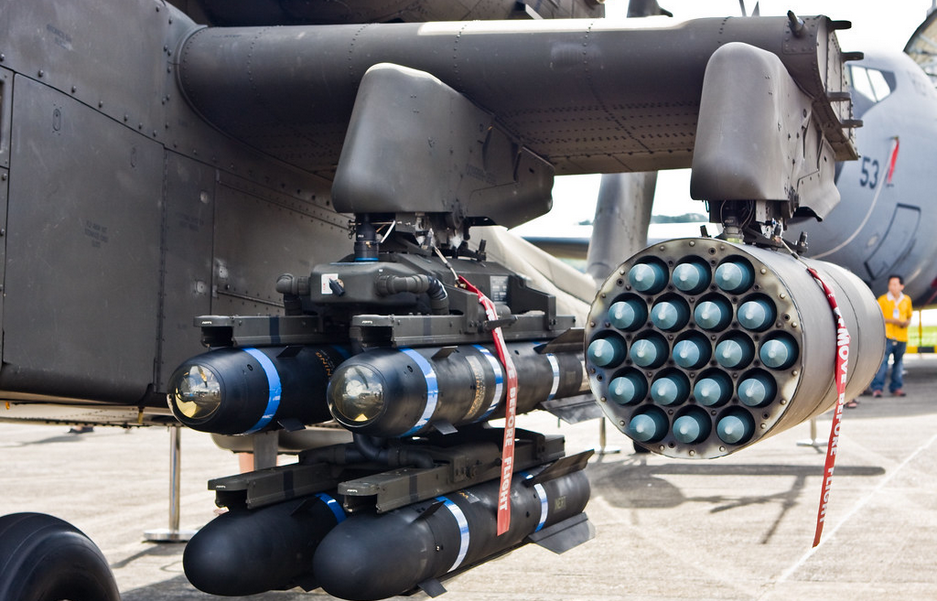
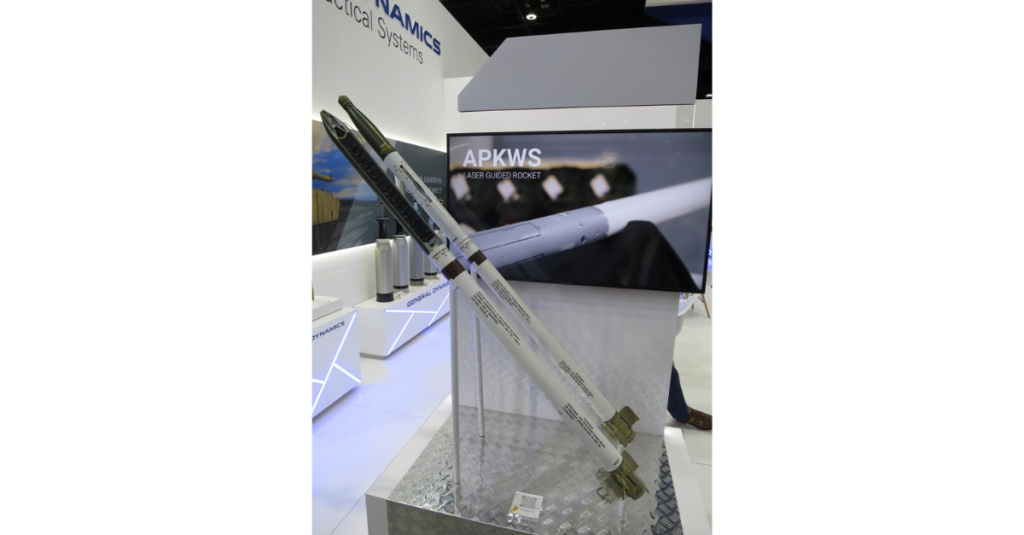
Operation Flyswatter showed that the Apache could employ a graduated arsenal: long-range, AGM-179 Joint Airto-Ground Missiles guided by fire-control radar against longrange threats; while variants of the AGM-114 Hellfire provided radar-and laser-guided precision against mid-size drones. Hydra-70 rocket with Advanced Precision Kill Weapon System kits proved cost-effective in hitting three of four targets; buddy-lase tactics were highly effective. At close range, the M230 30mm chain gun firing M789 high-explosive dual-purpose rounds neutralized drones inside of 300 meters.
4. Affordable Counter‑UAS Options
Of all the options in the Apache’s arsenal, APKWS represents a singular balance of precision and affordability at approximately $25,000 to $30,000 per round, compared with around $215,000 for each AGM‑114. This offers scalable response for commanders without expending high‑value interceptors. While current laser guidance may limit engagements to one drone at a time, dual‑mode packages with infrared seekers in development could enable fire‑and‑forget capability, key for intercepting multiple threats in rapid succession.
5. Performance Demonstrated through Joint Exercises
Apache counter‑UAS credentials reach well beyond U.S. borders. Exercise Red Sands, a drill in Saudi Arabia, saw the AH‑64D destroy drones using Hellfire missiles cued by Longbow radar, demonstrating all‑weather capability. Israeli Apaches have intercepted Hezbollah drones with the M230 chain gun; French Navy and Ukrainian helicopters have shot down Houthi and Shahed‑type drones, respectively. International examples underpin the platform’s versatility and its growing role within coalition air defense operations.
6. Adverse Weather and Low‑Altitude Capability
Operation Flyswatter just affirmed that the Apache can fight at low flight levels and in poor weather conditions conditions that diminish most static air defense systems. The Longbow radar provides assurance that targets flying low to avoid detection are still vulnerable. The capability is crucial for escorting ground forces, protecting other airborne assets, and maintaining area coverage over complex terrain.
7. Manned‑Unmanned Teaming Potential
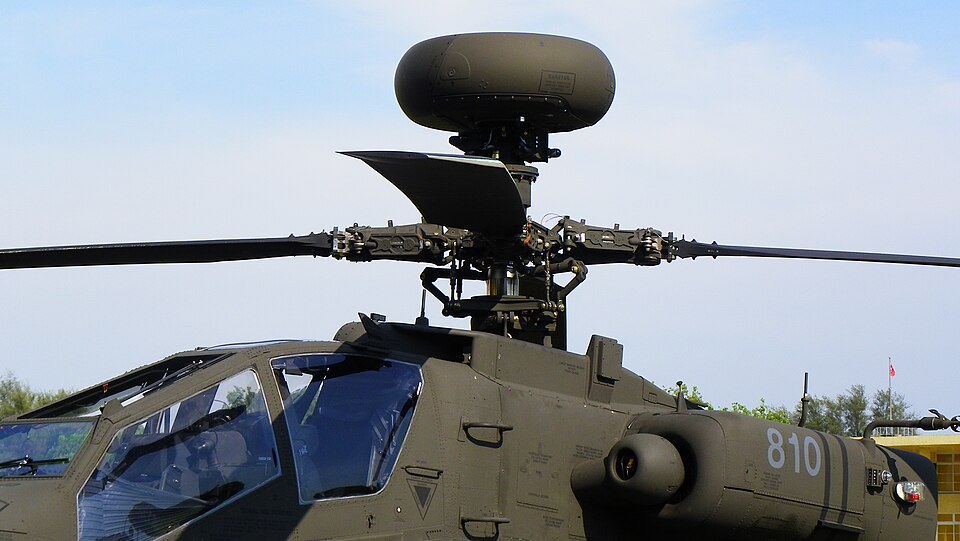
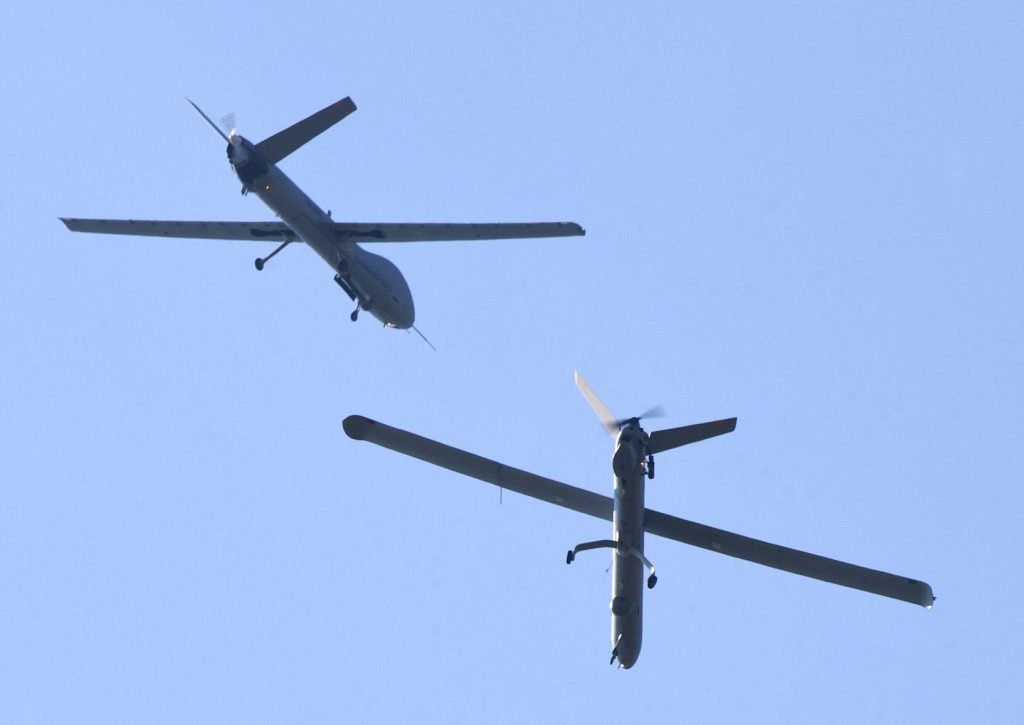
The MUMT‑X mast fitted onto the V6 Apache enables manned-unmanned teaming, direct control of drones, receipt of live video feeds, and extension of sensor reach without exposing the helicopter. Teaming with reconnaissance drones in the counter‑UAS role would extend defensive coverage, provide early warning, and cue weapons against threats over and beyond the immediate radar horizon of the Apache.
8. Tactical flexibility over ground systems
Apaches provide mobility and rapid repositioning within their combat radius compared to fixed air defense batteries. They are able to create anti‑drone screens forward, move with forces that are advancing, and quickly respond to the incoming threat. This flexibility enables roles such as convoy escort, overwatch, and protection of other helicopters from aerial attack-making them a dynamic complement to static defenses.
9. Institutionalising Counter‑UAS Training
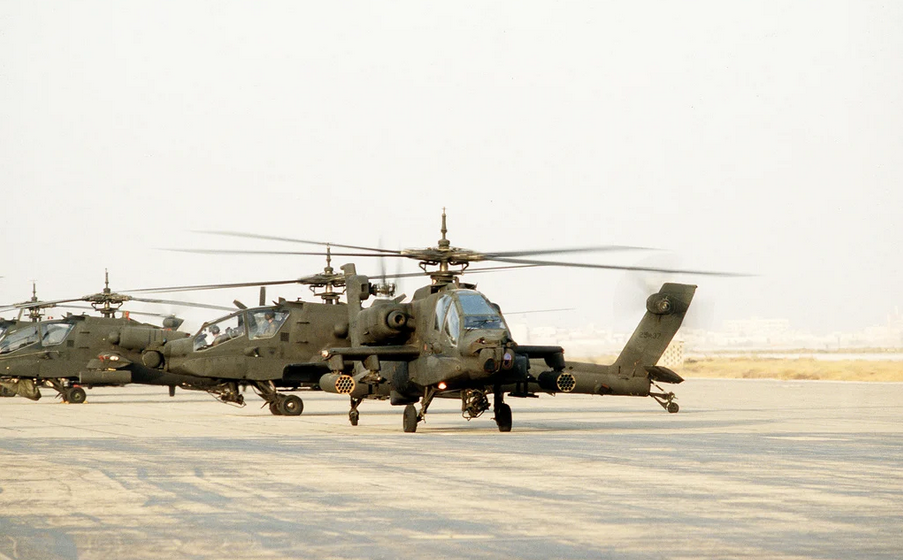
Lessons from Operation Flyswatter are driving new tactics, techniques, and procedures across Army Aviation. Recommendations include the addition of a Counter‑UAS Mission Essential Task to Apache battalion training, as well as updates to the AH‑64 Aircrew Training Manual to include aerial counter‑UAS tactics. Joint collaboration on the exercise with Marine Corps Weapons and Tactics Instructors highlighted the benefit of cross-service integration in training crews to face the emerging drone threat.
The transformation of the AH‑64E Apache into a mobile counter‑UAS platform reflects the wider evolution in rotary‑wing warfare. Bringing together advanced networking, multi‑layered armaments, and manned‑unmanned teaming, it offers the commander an exceptionally agile, low-cost solution against one of the fastest growing threats in modern combat. As unmanned systems continue to reshape the battlefield, the Apache will be able to evolve with them, secure in its place at the leading edge of Army aviation’s fight for supremacy in the air.


