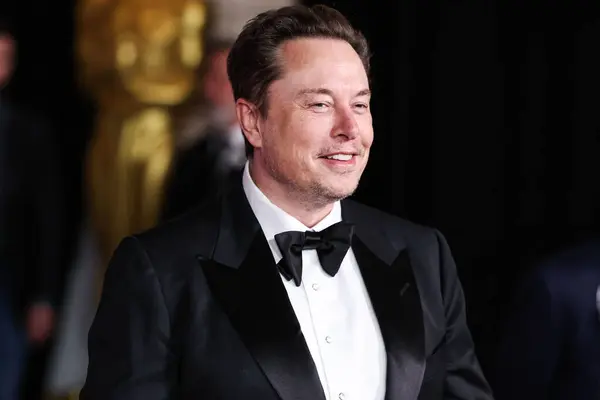
Is the future of AI being constructed in orbit, powered by the Sun, and seamlessly connected with autonomous cars and humanoid robots on Earth? That would seem to be Elon Musk’s vision, as this latest convergence of Tesla, SpaceX, and xAI projects pushes that vision from science fiction into engineering reality.
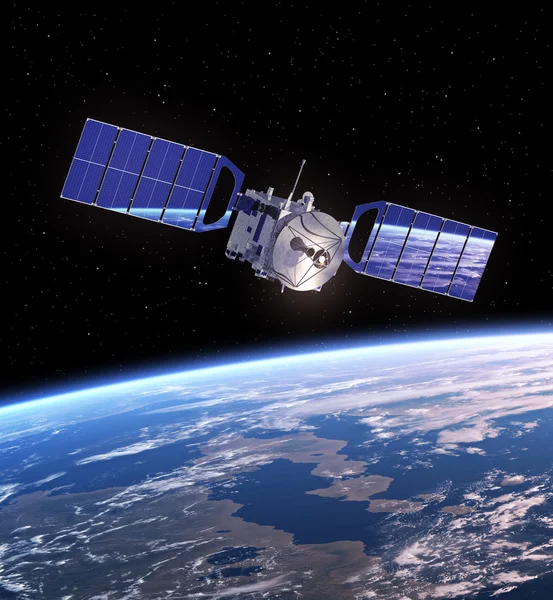
1. Solar-Powered AI Datacenter Satellites
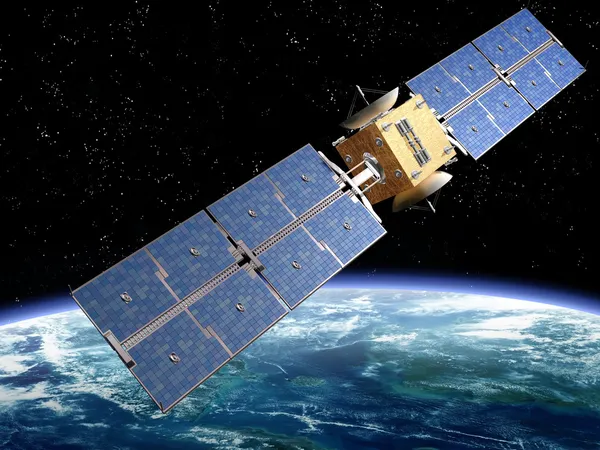
Musk’s solar-powered AI datacenter satellites draw on key learnings from Google’s Project Suncatcher that showed a dawn-dusk sun-synchronous low Earth orbit could yield near-constant solar exposure and up to eight times higher energy yields compared with ground-based panels. Clustering satellites within kilometers of each other allows engineers to close the link budget for optical inter-satellite communications-delivering terabit-scale bandwidth that distributed machine learning workloads need.
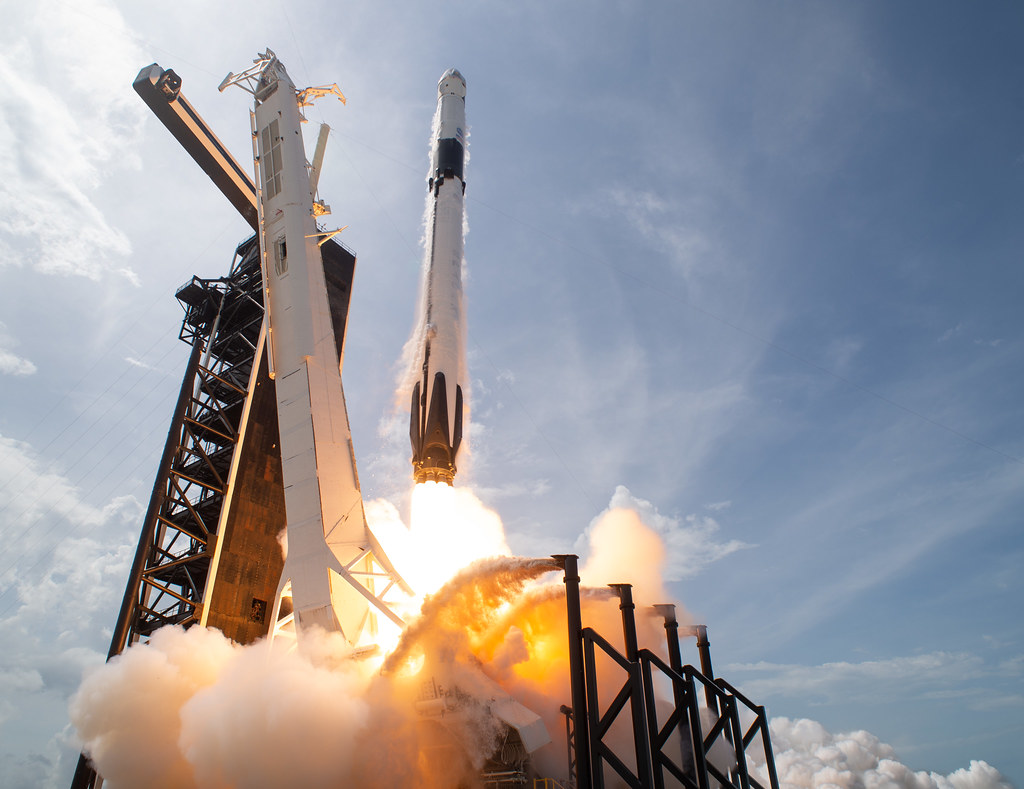
Radiation testing of advanced AI chips-like Google’s Trillium TPU-shows they can withstand three times the expected five-year mission dose, another milestone on the path to viability for space-based compute. The result could be a vertically integrated orbital AI infrastructure that reduces terrestrial energy demand while extending the computational reach by combining Tesla’s AI expertise, SpaceX launch capabilities, and xAI’s machine learning models.
2. Engineering Challenges in Space-Based AI
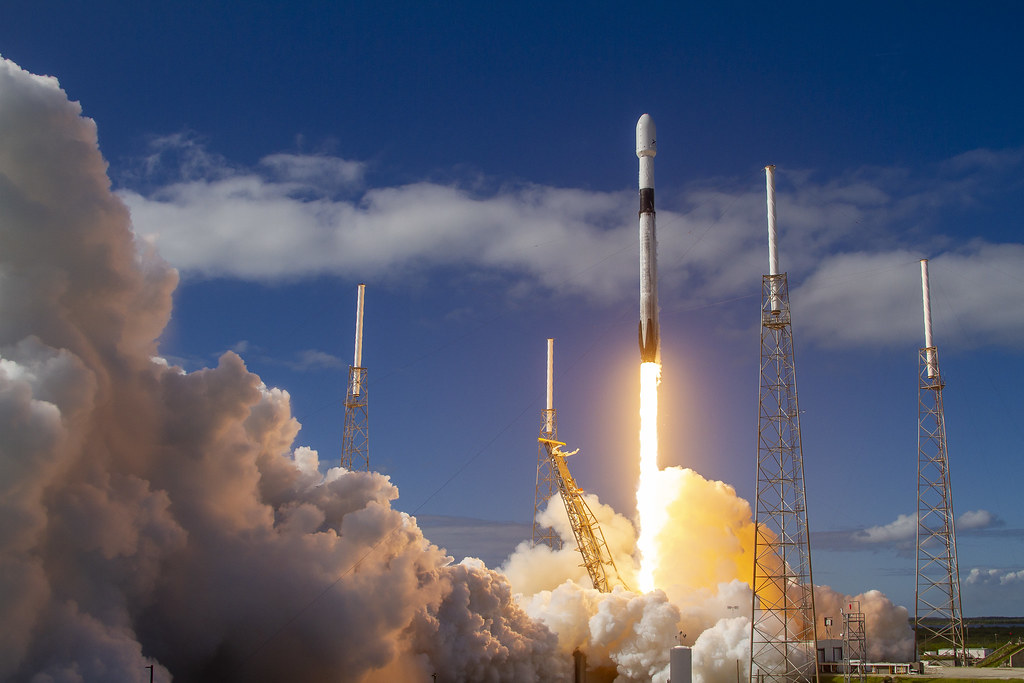
Technical challenges abound: precision station-keeping in compact formations to maintain optical links, thermal management in vacuum, and ensuring semiconductor resilience against single-event effects. Launch economics are moving in Musk’s direction, with estimates that costs could fall below US$200/kg by the mid‑2030s and make orbital AI nodes cost‑competitive on a per‑kilowatt/year basis with terrestrial datacenters. A potential synergy with Starlink’s growing constellation-already over 650 satellites in its Direct-to-Cell network-provides a communications backbone for the AI satellites to interact with Earth-based systems in real time.
3. Tesla’s Full Self‑Driving Expansion to Europe
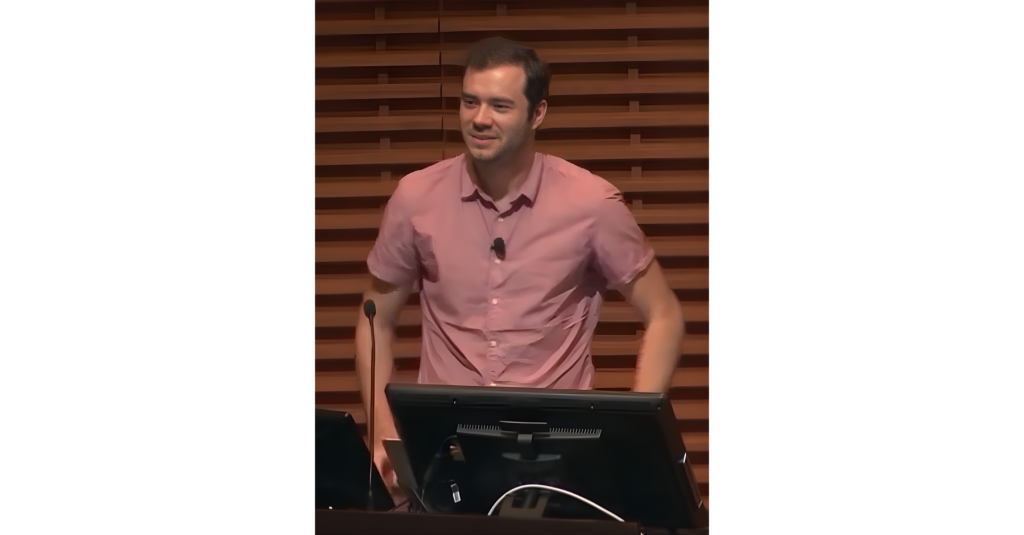
Tesla’s Full Self‑Driving system-it’s like “being on a magnetic levitation train,” says former AI lead Andrej Karpathy-is targeting a February 2026 demo with Dutch regulator RDW, and if all goes well, the roadmap would be to secure a national exemption under EU Regulation 2018/858, which would let other member states adopt without waiting for full EU legislative updates. Tesla has completed internal testing of over 1 million kilometers across 17 European countries, but regulators underline that safety-not public pressure-will be the guiding factor in approval. Huge volumes of real-world driving data are needed for the neural networks driving FSD; continuously, Tesla’s fleet learning updates the decision models in the search for a balance between rule-based compliance and adaptive AI behaviors that manage the complex road environments of Europe.
4. Training a Neural Network & Data Requirements
At Tesla’s scale, autonomous driving requires high-fidelity data pipelines. Each vehicle is a sensor array which captures multi-camera video, radar, and ultrasonic sensors, feeding end-to-end neural networks trained on trajectory prediction, hazard detection, and split-second control decisions. Diversity in geometries of roads, signage standards, and weather across Europe underpins demand for region-specific training sets. This interaction of onboard inference with cloud-based retraining mirrors the distributed AI concepts underpinning Musk’s orbital datacentre vision: both rely on rapid data aggregation, model updates, and redeployment around a global network.
5. Optimus Humanoid Robot: Economic and Societal Impact
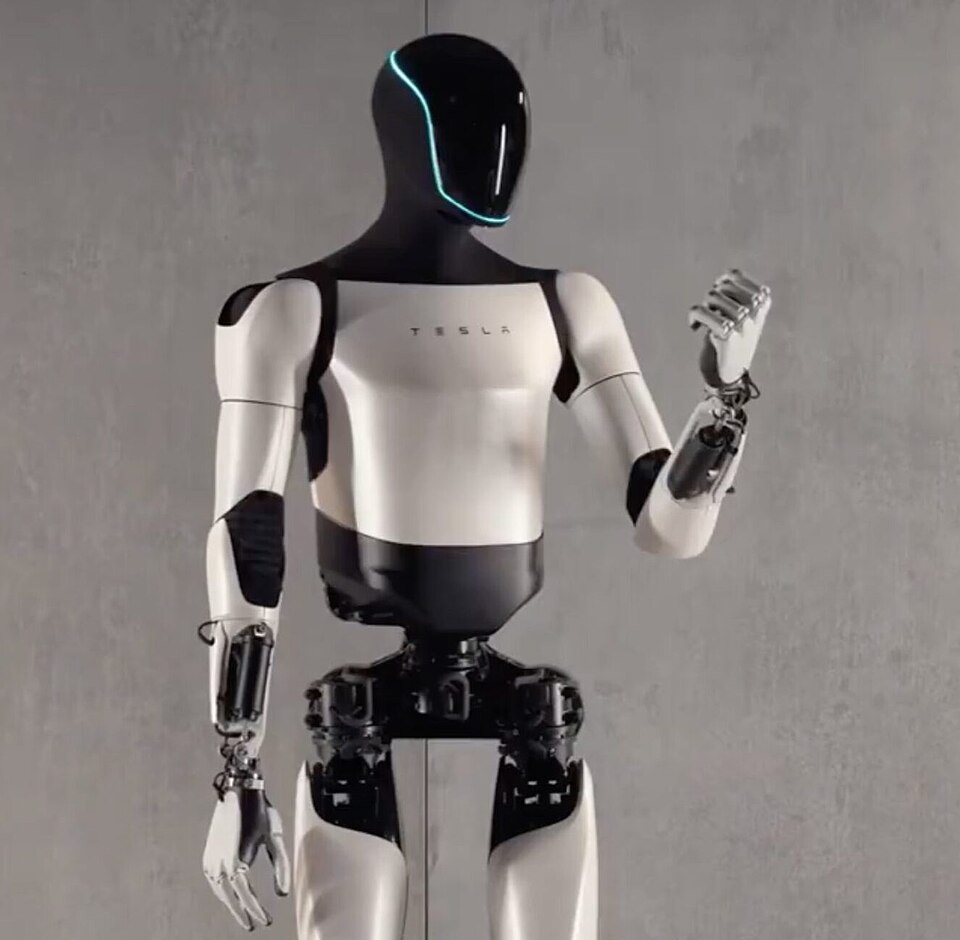
The Tesla Optimus robot integrates bipedal locomotion, dexterous manipulation, and AI perception systems borrowed from Tesla’s vehicle Autopilot. Due to enter scale production in summer 2026, Optimus Gen 2 can navigate rough terrain, balance on one leg, and deadlift 150 pounds, while tactile sensors in 11‑degree‑of‑freedom hands allow for fine motor control. Musk said he sees Optimus as a key way to help solve labor shortages-particularly in aging societies like Japan-and as a “24/7” workforce multiplier. Scaled production is due to begin in summer 2026, while the projected price range of $20,000-$30,000 would position it competitively against industrial automation systems, with potential adoption in manufacturing, logistics, and eventually domestic environments.
6. Advanced Humanoid Robotics Technologies
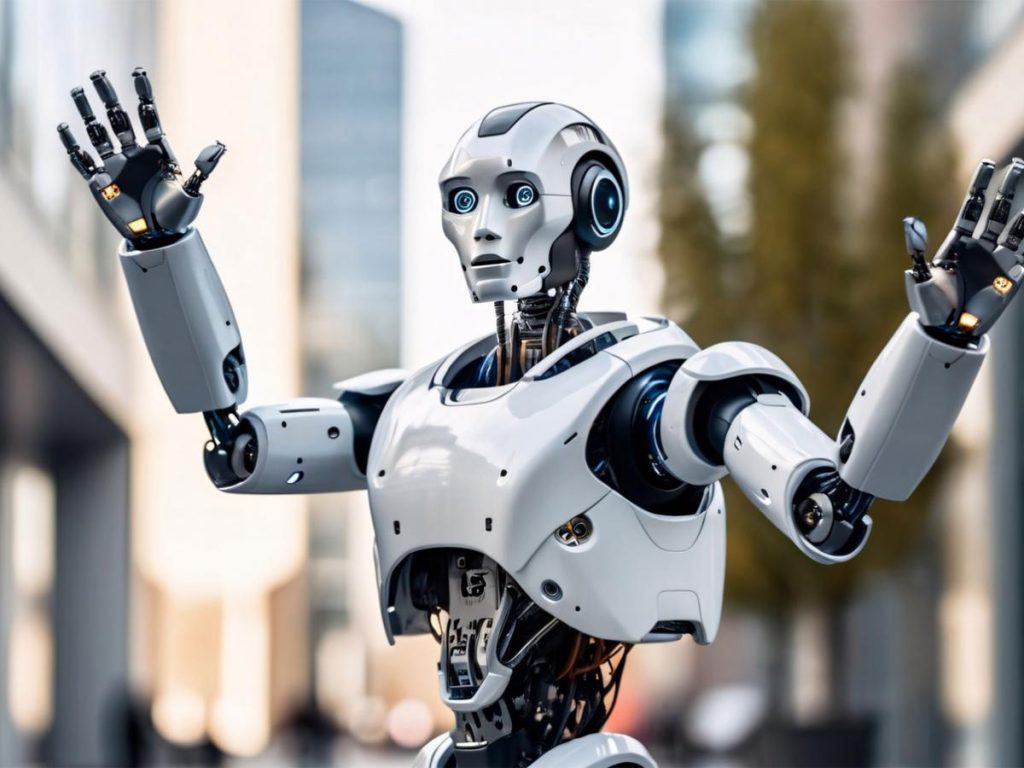
Optimus shares the general-purpose humanoid vision of the robotics leaders in 2025: standardized hardware platforms, AI-first learning from demonstrations, and deployment in human-centric spaces without having to redesign the infrastructure. Among competitors, Figure 03 and 1X NEO focus on household tasks, while Apollo from Apptronik and Walker S2 from UBTECH target factory automation. The challenge is that, while manipulation-locomotion videos may look great, reliable object handling under uncertainty remains a bottleneck. Optimus’s integration with Tesla’s AI stack means mapping environments, remembering layouts, adapting motions from a library of human references, and closing the gap between staged demos and real-world utility.
7. Synergy between Musk’s ventures
In this sense, the convergence of orbital AI compute with autonomous vehicles and humanoid robotics creates a self-reinforcing feedback loop: AI satellites could train and update neural networks for FSD and Optimus without burdening Earth’s grids; Starlink’s Direct-to-Cell network could provide resilient connectivity to mobile robots and vehicles; and Tesla’s manufacturing could scale both the terrestrial and orbital hardware.
Such an integrated ecosystem positions Musk’s companies to dominate multiple layers in the future AI infrastructure, from space-based computation all the way to ground-level autonomous operation. Ambitious as it is, each of Musk’s roadmap components represents tangible engineering milestones: solar-powered AI satellites, European FSD rollout, and Optimus production. To the tech-savvy investor, the interplay between these projects is not one of diversification but the building of a vertically integrated AI and robotics empire that reaches across the world.


