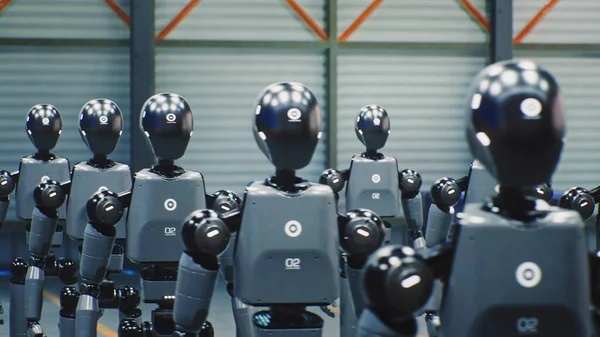
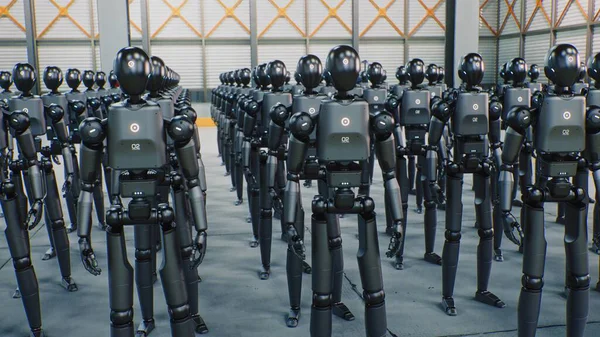
The scene that triggered a nationwide investment frenzy bordered on the theatrical: humanoid droids from Unitree Robotics danced in perfect synchrony before millions of viewers during the Spring Festival Gala. In weeks, capital poured into China’s humanoid robotics sector, swelling the number of companies in the field to over 150. That rapid expansion has now drawn a rare public warning from Beijing’s National Development and Reform Commission, which fears it is drifting toward a familiar danger: an investment bubble that could choke real innovation.
1. A Sector Growing at Breakneck Speed
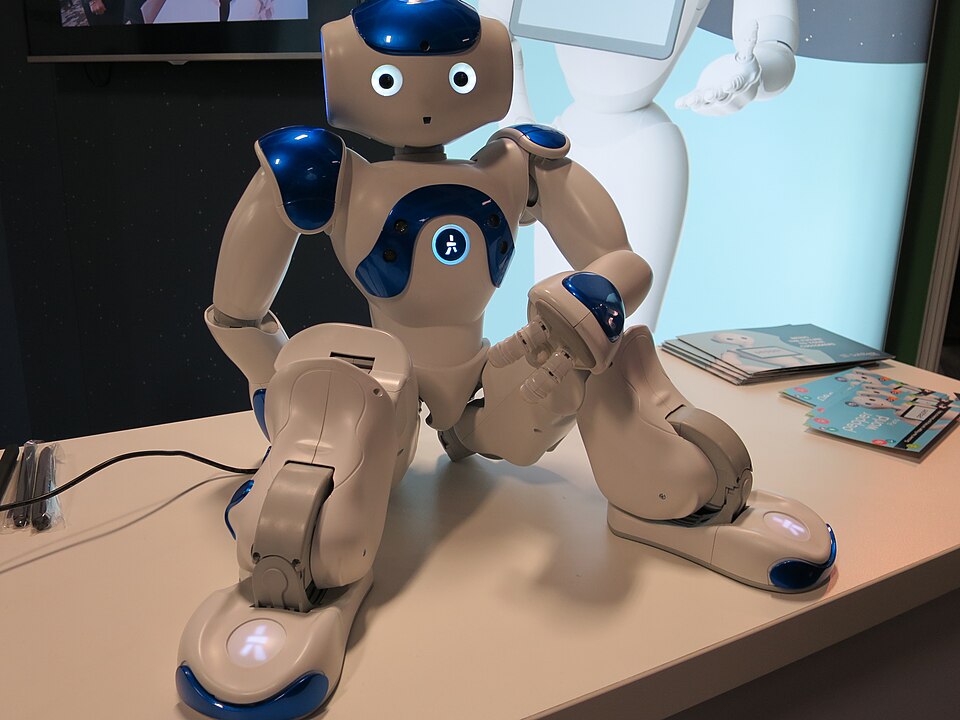
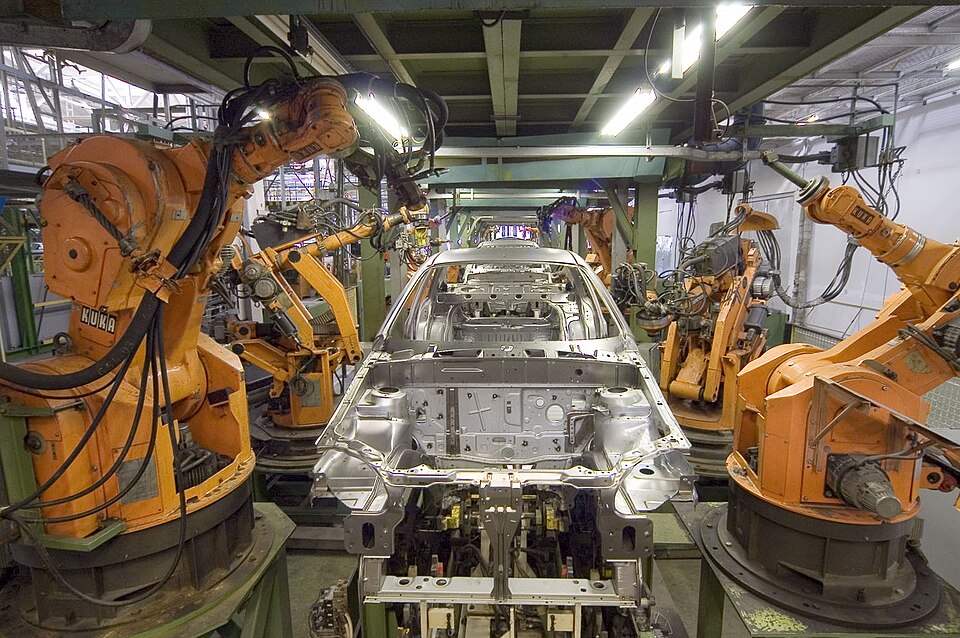
China’s humanoid robotics market has been designated one of six critical new economic growth drivers in the country’s development plan through 2030. The Solactive China Humanoid Robotics Index is up nearly 30% this year, reflecting investor enthusiasm. Citigroup projects the market could reach $7 trillion by 2050, though mass adoption in homes and factories remains years away. In 2023, China installed over 290,000 industrial robots-more than the rest of the world combined-pushing robot density to 470 units per 10,000 workers, surpassing Japan and Germany for the first time.

2. Government Anxiety Over Repetition and Overcapacity
NDRC spokeswoman Li Chao warned that “frontier industries have long grappled with the challenge of balancing the speed of growth against the risk of bubbles an issue now facing the humanoid robot sector.” The worry isn’t just the number of companies, but a proliferation of strikingly similar designs, echoing earlier overinvestment cycles in bike-sharing and semiconductors that ended in consolidation and wasted capital.

3. Embodied AI as the Strategic Core
At the heart of this humanoid push is embodied AI, meaning AI-powered systems that integrate sophisticated perception, reasoning, and control to operate autonomously in the physical world. Different from their more conventional industrial cousins, these robots can adapt to dynamic environments, learn from human coworkers, and perform a wide range of tasks. For example, UBTech’s Walker S2 robot can autonomously change its own batteries, enabling it to run 24 hours straight on a factory floor.
4. Technical Challenges in Locomotion and Dexterity
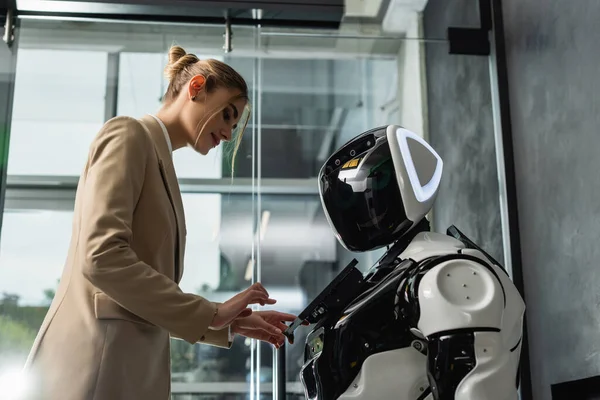
Despite viral demonstrations, humanoids still face serious engineering hurdles: human-level balance, gait stability, and fine motor control require sophisticated algorithms of motion control, high-precision torque, six-axis force sensors, and real-time multimodal perception. Most of these components, but most notably the advanced sensors, are sourced through imports from the West. Without breakthroughs in such respects, there remains a constraint to large-scale commercial deployment.
5. The Localized Development Playbook
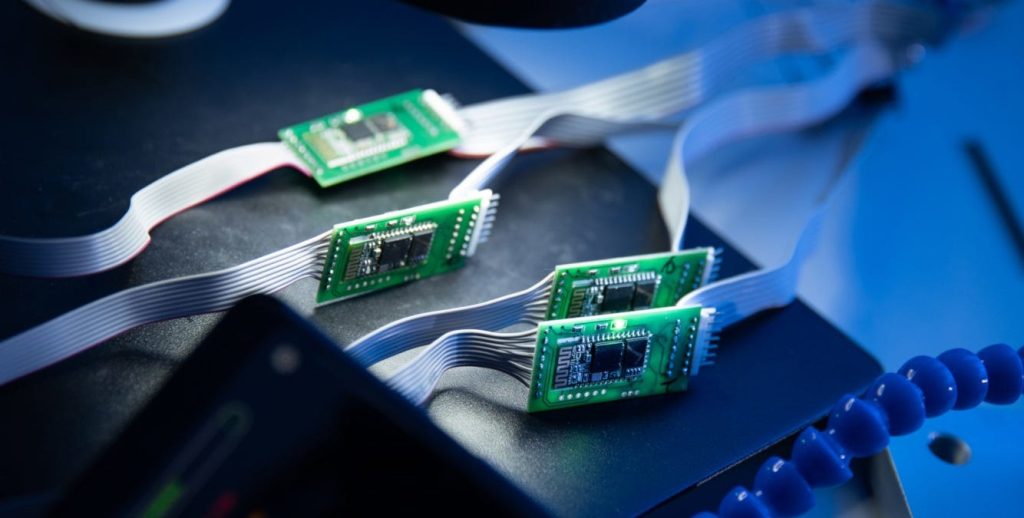
Beijing has delegated much of the early-stage development work to various provincial governments, putting in place incentives for each to focus on different parts of the supply chain: Beijing municipality focuses on high-performance AI chips, Shanghai on core sensor technologies, and Guangdong and Zhejiang on complete humanoid platforms. Funding follows accordingly: Beijing launched a 100 billion RMB ($14.3 billion) AI and robotics fund, while Shanghai seeded an embodied AI fund with 560 million RMB ($77 million).

6. Lessons from Past Bubbles
Recent Chinese history provides parallels with caution. The EV boom did see fierce inter-provincial competition, over-capacity, and bankruptcies-but gave rise to global leaders. The craze for bike-sharing similarly ended in mass failures but did accelerate the deployment of IoT-enabled mobility solutions. Whether humanoid robotics will follow the EV trajectory or repeat the waste seen in bike-sharing depends on coordination, resource allocation, and sustained R&D investment.
7. Economic, Demographic, and Military Drivers
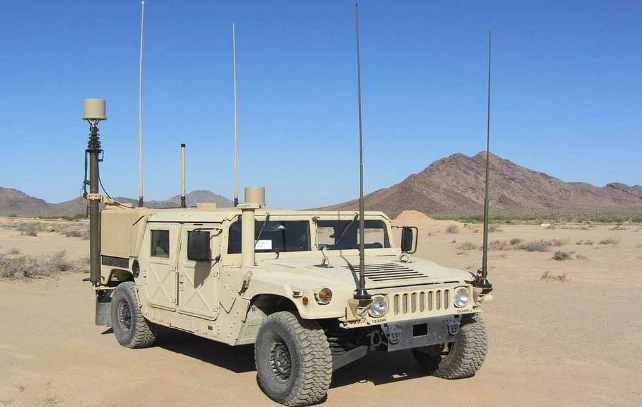
For the government, embodied AI is all at once a fix for slowing economic growth, labor shortages brought on by an aging population, and strategic military needs. The PLA Daily envisions autonomous battlefield systems integrating vision, sound, touch, and even olfactory sensors to operate with limited human supervision, resistant to electronic warfare. Applications spill into civilian life: from eldercare to hazardous industrial work, potentially reshaping labor economics.
8. Global Competitive Stakes
With its huge manufacturing base and supply-chain depth, China will have a scaling advantage once the technology has reached technical maturity. The diversity of real-world application scenarios in the country generates rich datasets to train embodied AI however, data from government and state-owned enterprises is still limited. If China achieves commercial viability ahead of its competitors, it could win control of the global supply of embodied AI in much the same way as it has done for 5G and solar panels.
9. Risks of Overregulation
Some experts also warn that over-aggressive stifling of the current boom in humanoid robotics could stifle innovation. “There’s something that I think can beat a very efficient dictatorship it’s American innovation and entrepreneurship,” said Dr. Robert Ambrose, former head of NASA’s robotics and AI unit. Like others, he compares bubbles to those in the dot-com era, when failures were happening alongside life-changing successes like Amazon. Overregulation might shut out the emergence of China’s own versions.
China’s leadership is betting big that embodied AI will soon be at the center of its economic and geopolitical power. Whether the surge in humanoid robotics coalesces into a legitimate industry or explodes under the weight of its exuberance will depend on engineering breakthroughs, disciplined capital allocation, and the delicate balance between state guidance and market-driven innovation.


