
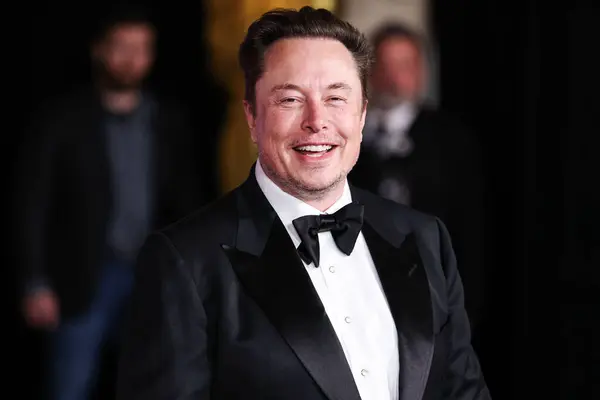
Will the world still need human labor in 2045? Elon Musk thinks the answer is no-and he’s placing a bold timeline on it. Speaking with Indian entrepreneur Nikhil Kamath, the Tesla and SpaceX chief predicted that in as little as 10 to 20 years, work will be “optional, like a hobby,” as artificial intelligence and robotics advance to the point where machines can handle nearly all productive tasks.
1. The Automation Horizon
Musk’s prediction stands at the intersection of widespread AI deployment with capable robotics-both cognitive and physical labor. He likened working in the future to tending a backyard vegetable garden-something people might do, but for personal fulfillment rather than necessity. That aligns with predictions from McKinsey and Goldman Sachs that 30-50% of current jobs could be automated by 2035, with near total displacement in certain sectors by 2045. Still, economists say while the cost of AI is declining-token processing rates have fallen from $10 to $2.50 per million tokens in the past year-robotics remain costly and technically difficult to deploy at scale.
2. From Universal Basic Income to Universal High Income
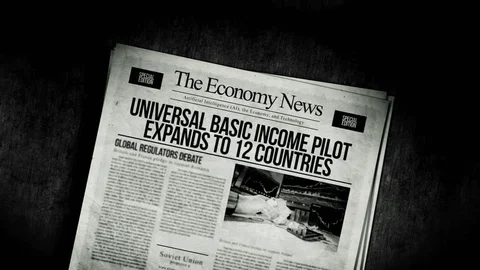
Musk has floated the idea of a “universal high income” to sustain a post-labor society, echoing Sam Altman’s advocacy for universal basic income. Speaking at Viva Technology 2024, he said that in a world devoid of scarcity, “there would be no shortage of goods or services.” This assumes that automation will drive the cost of producing goods toward zero, allowing plenty of supply with no human intervention. The problem, of course, is constructing political and economic architectures to ensure that prosperity is inclusive rather than exacerbating the chasm between rich and poor already evident in the AI boom.
3. The End of Money?
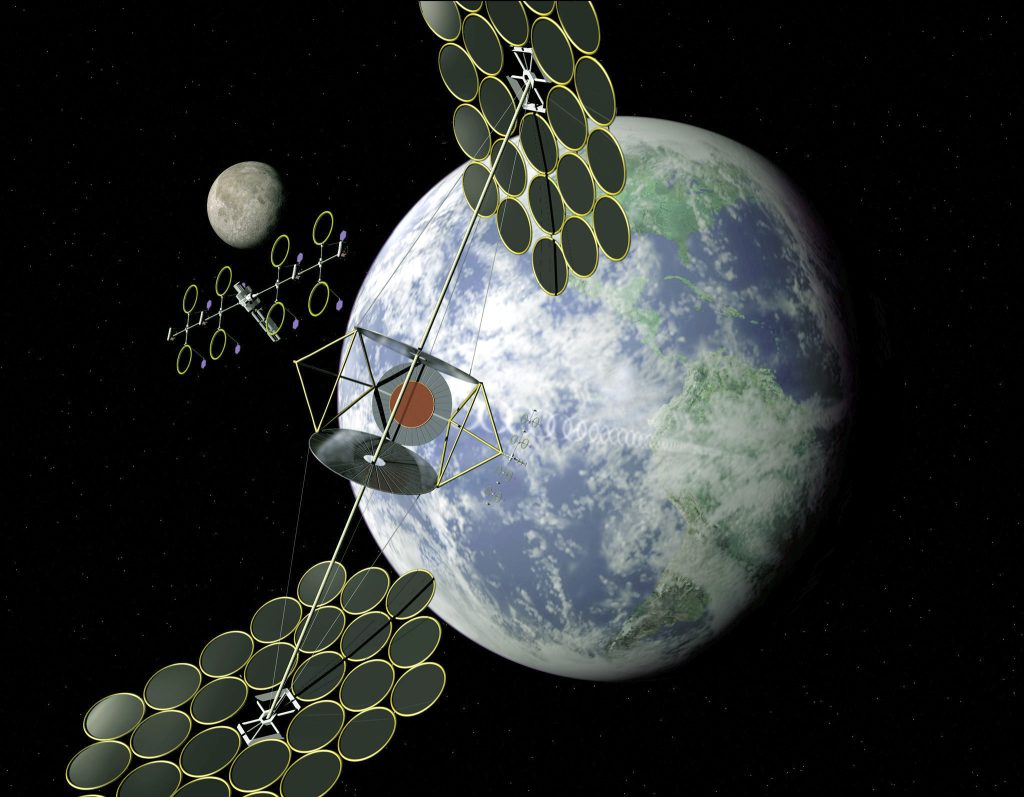
Going even further, Musk predicted that it would be impossible to think in terms of money in a future dominated by AI; resources such as electricity and mass would replace cash. He drew parallels to post-scarcity worlds invented by science fiction author Iain M. Banks, in which superintelligent AI are in charge of distributing resources. Musk framed this in the context of the Kardashev scale, with humanity making its way toward Type I and beyond thanks to solar-powered AI satellites that could tap into enormous reserves.
4. Robotics as an economic driver
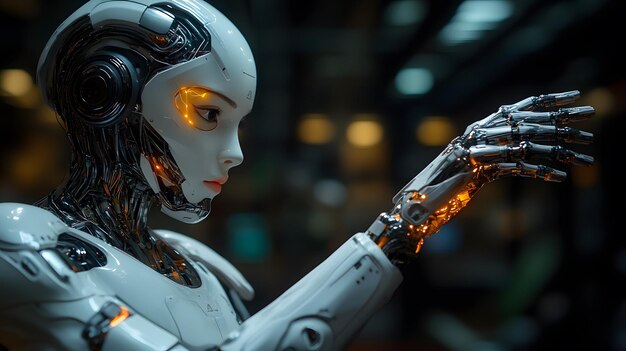
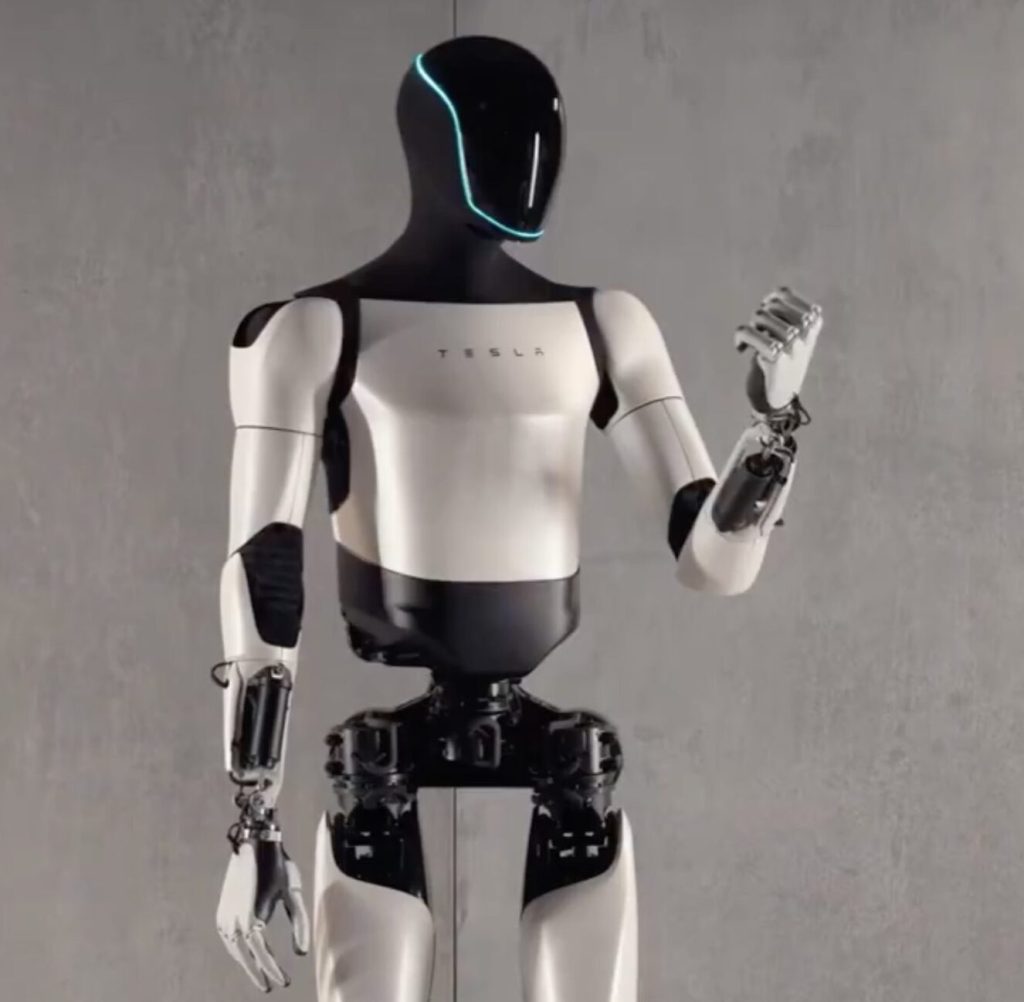
Central to Musk’s thesis is the maturing of humanoid robotics, specifically Tesla’s Optimus project, which he has said could account for 80% of Tesla’s future value. These robots are designed to do everything from manufacturing to logistics at scale. Production delays today underscore the underlying engineering challenge in achieving human-level dexterity, perception, and decision-making in machines at an economical enough cost to ensure mass adoption. Economists warn that full labor automation may take longer than Musk’s 10–20-year horizon without breakthroughs in general-purpose robotics.
5. Sector-by-Sector Disruption
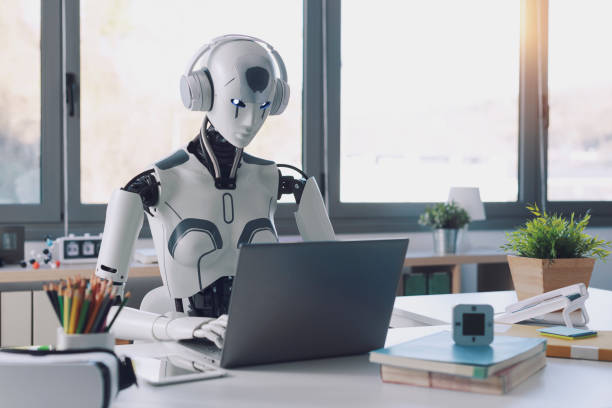
The first wave of AI-driven displacement is already visible in administrative, customer service, and basic analytical roles. A study in 2024 reported that 60% of administrative tasks are automatable, and AI tools were changing legal research and contract drafting with more than 90% accuracy. Generative AI platforms disrupted the creative industries as well. However, high-level innovation and work emotionally complex-such as strategic leadership, advanced R&D, and patient care-remain resistant to full automation.
6. Role of Starlink in the AI economy
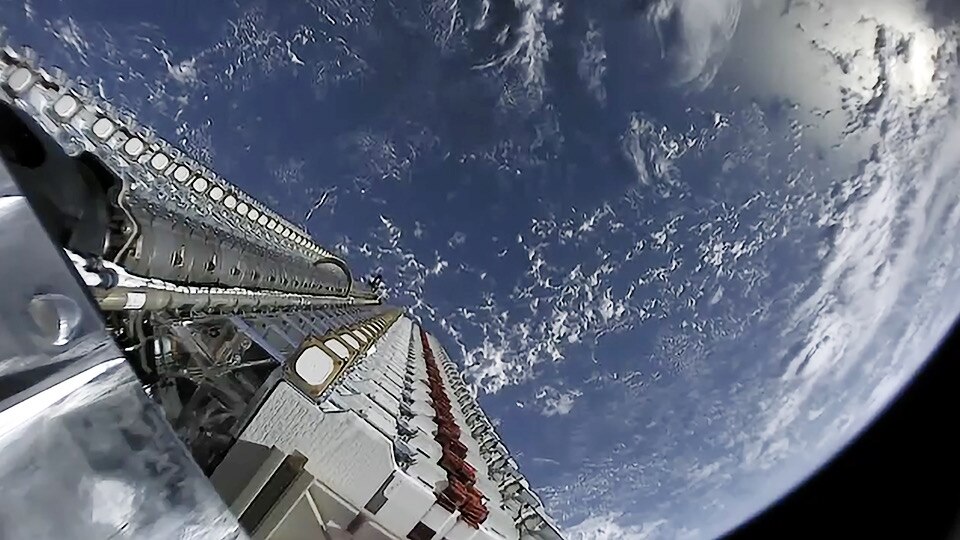
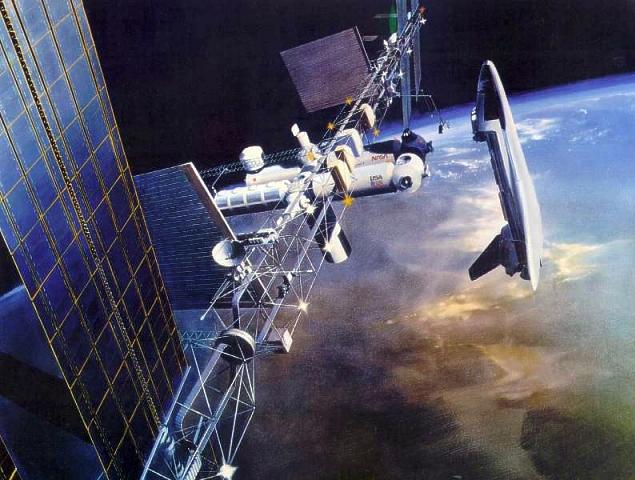
The ambitions of Musk beyond AI and robotics encompass global connectivity. Starlink recently obtained permission from the Indian National Space Promotion and Authorization Centre to operate its 4,408-satellite Gen1 constellation over India, boasting 600 Gbps throughput. The design for low-Earth orbit of this system-about 550-km altitude-allows lower latency compared with what is possible today using traditional geostationary satellites, making it very suitable for AI-driven applications requiring real-time data exchange. Starlink targets connectivity in rural and remote areas and probably will be the digital backbone for an economy integrated with AI.
7. Talent and Market Potential of India
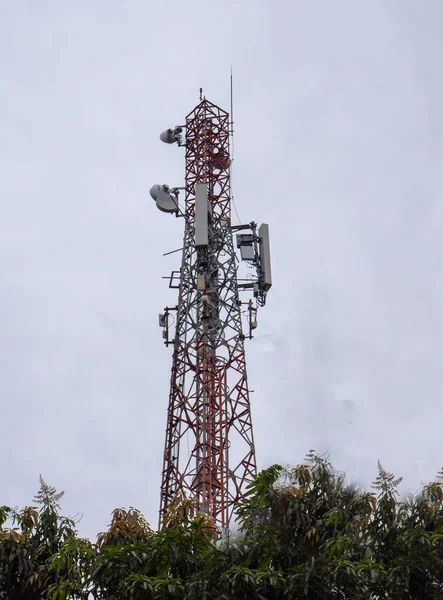
Musk also praised Indian talent in the U.S. technology sector, saying America was “an immense beneficiary” of talented Indian immigrants. For Starlink, India offers both a huge, untapped market of potential users and a strategic onshore foothold in Asia. But there are regulatory challenges to overcome, from spectrum allocation to adhering to national security rules, including integration with India’s NavIC satellite navigation system. Deals inked with Jio and Airtel point toward an aggressive market entry, likely priced at less than ₹ 1,000 a month, but hardware costs may be a dampener for adoption sans subsidies.
8. Risks and Human Meaning
While Musk describes the utopian vision of plenty, he acknowledges the existential risks. He warned that AI can “run out of things to do to make humans happy,” at which point it might switch into self-directed activity. Scholars like Anton Korinek suggest that, for most people, work is a principal source of human contacts and meaningfulness; taking that away without replacing that social function could have deep psychological repercussions.
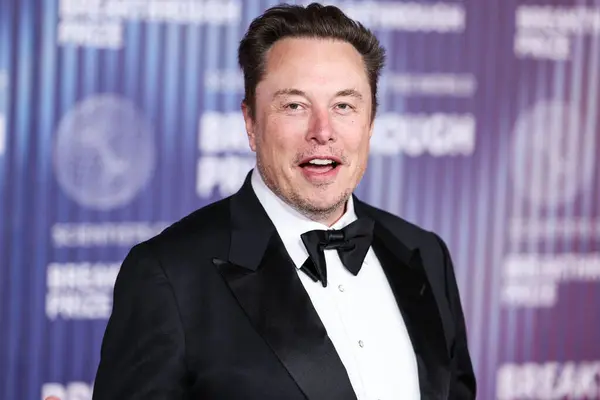
Musk himself asked the rhetorical question: “If the computer and robots can do everything better than you, does your life have meaning?” Musk’s predictions, whatever the accuracy of his timeline, paint a future in which advances in AI, robotics, and space-based infrastructure intersect to redefine the basis for work and wealth and ultimately human purpose.


