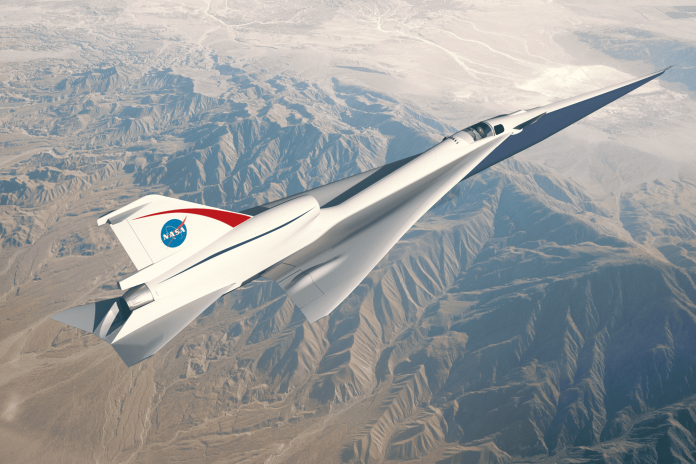
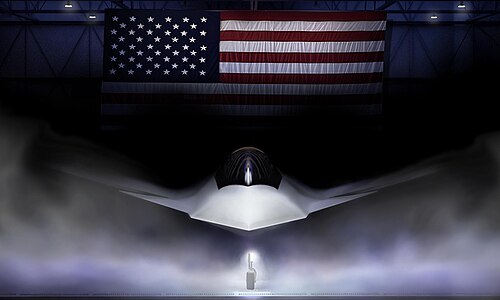
Can 80 percent of a sixth‑generation fighter’s capability be delivered at half the cost? That is the bold claim that Lockheed Martin is making with its proposed “Ferrari” upgrade to the F‑35, a direct counter to Boeing’s Next Generation Air Dominance (NGAD) F‑47 program. This puts the U.S. Air Force at a procurement crossroads: invest heavily in the F‑47, or bridge the gap with a souped‑up fifth‑generation platform promising near‑peer performance today.
The stakes are high. China’s rapid unveiling of the tailless, tri‑engine J‑36 stealth fighter and acceleration of unmanned combat aircraft programs signal a tightening race for air dominance. Whereas Boeing’s F‑47 offers generational leaps in range, stealth, and connectivity, Lockheed’s “Ferrari” F‑35 leverages proven airframes with cutting‑edge propulsion, sensors, and weapons to deliver immediate battlefield relevance. The following listicle takes a closer look at 10 critical features that shape this rivalry, ranging from engine breakthroughs to drone integration, and why each one could tip the balance in America’s next airpower decision.
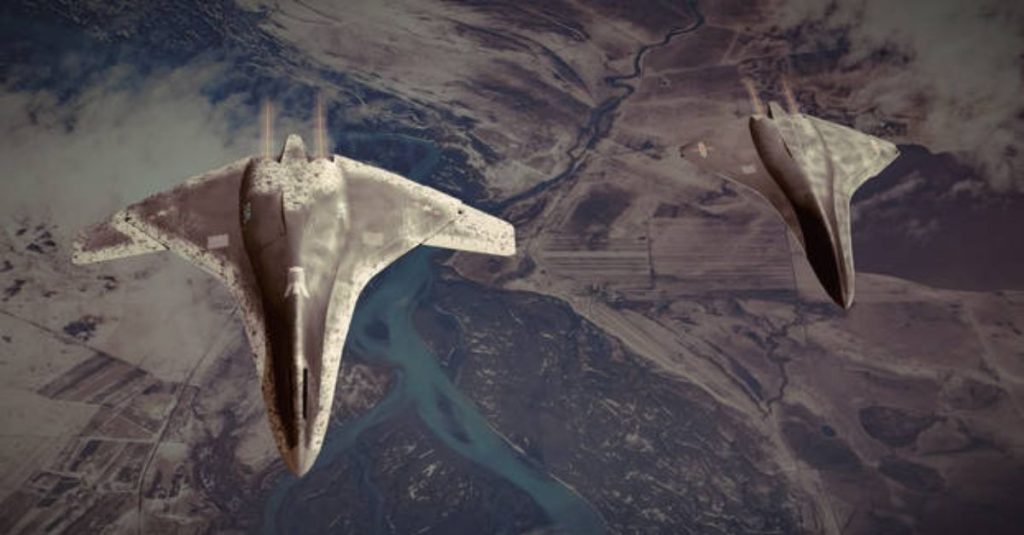
1. The Strategic Cost Equation
o date, Lockheed Martin’s CEO, Jim Taiclet, has been marketing the “Ferrari” F‑35 as the “best value option” for the U.S. government, claiming it can provide 80% of NGAD’s capability at 50% of the cost. With operational service of NGAD’s crewed F‑47 potentially five to ten years away, this upgrade can bridge that gap without taking billions away from other priorities. Outgoing Air Force Secretary Frank Kendall had earlier expressed skepticism over the affordability of NGAD amid tension between capability and budget.
At an estimated $150 million per jet, the upgraded “Ferrari” F‑35 sits near the affordability threshold for foreign military sales, making it potentially attractive to allies. By contrast, the per‑unit cost of NGAD remains classified but is widely expected to be substantially higher, raising procurement and sustainment concerns.
2. Engine Breakthroughs: Adaptive Power
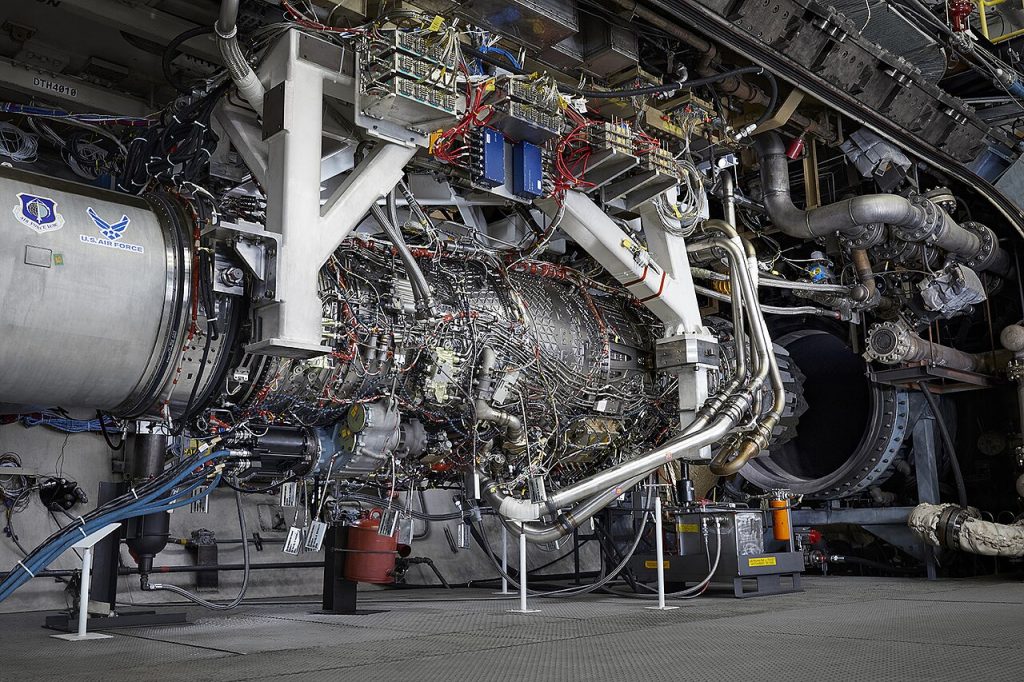
For the core of the “Ferrari” concept, AETP powerplants from General Electric and Pratt & Whitney are envisioned. Compared to the current F135 engine, General Electric’s XA100 promises 30 percent more range, over 20 percent faster acceleration, and double the thermal management capacity. Pratt’s XA101 offers similar gains with modular adaptability for future fighters.
These engines dynamically switch between a high‑thrust mode and a high‑efficiency one with the help of a third stream of air, furthering both combat and cruise performance. Optimized for the F‑35A and F‑35C, they cannot power the Marine Corps’ F‑35B-a logistical consideration for fleet‑wide adoption.
3. AIM‑260 JATM: Extending the Kill Chain
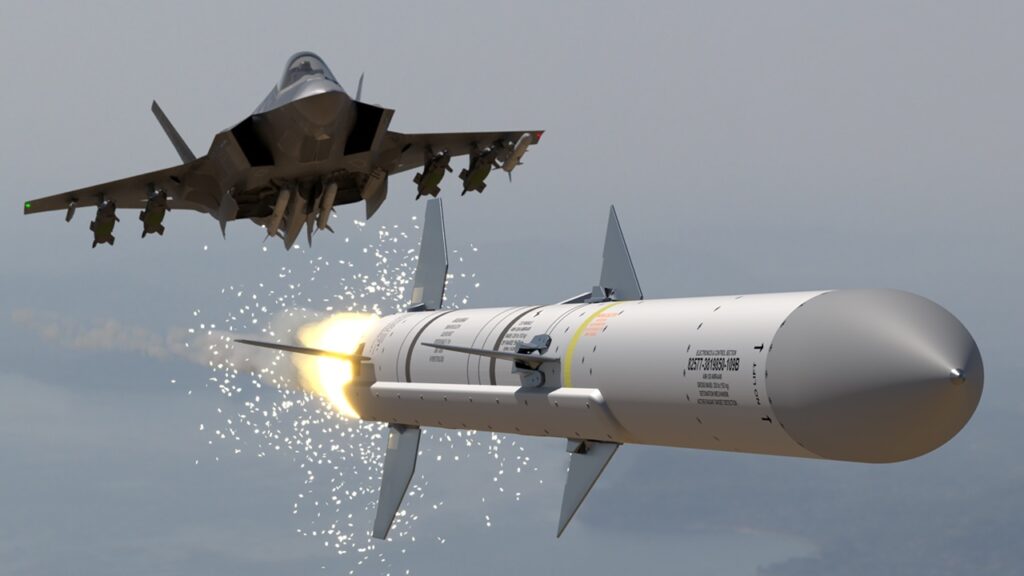
The AIM-260 Joint Advanced Tactical Missile is a classified air-to-air weapon intended to succeed the AIM-120 AMRAAM. It boasts a longer rocket motor, likely dual-pulse propulsion, and advanced networking allowing it to conduct engagements outside the sensor range of the launching platform. This will reestablish “first look, first kill” capability against stealth targets.
It shares the same form factor as the AMRAAM, thus allowing internal carriage in F‑35 and F‑22 bays. Sufficiently acquired, AIM‑260 fielding on the “Ferrari” F‑35 fleet would dramatically extend lethal reach – a salient consideration against competitors with extensive long-range missile inventories.
4. Stealth and Sensor Enhancements
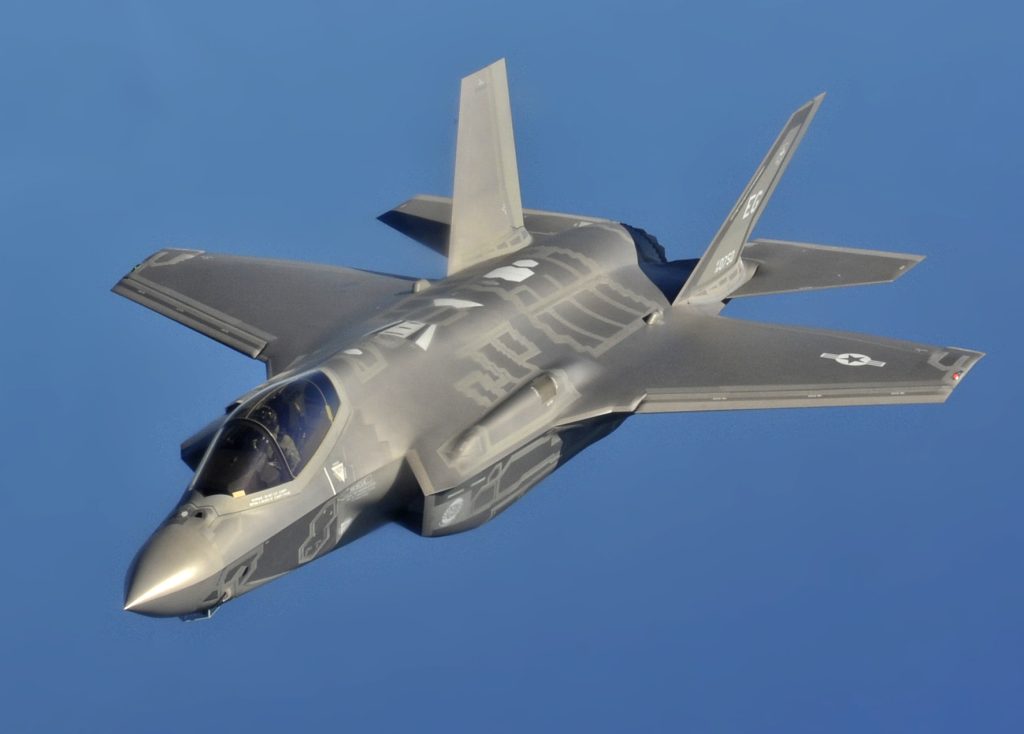
Passive infrared search and track systems capable of detecting stealth aircraft appear on Lockheed’s upgrade roadmap, which does not reveal the F‑35’s status. Combined with enhanced radar and electronic warfare suites, these sensors would attempt to detect and track adversaries before those adversaries can detect them.
Tailless designs, other geometrical changes, and advances in materials in airframe modifications could further reduce the radar cross‑section. There would necessarily be some sacrifices with such changes in dogfighting agility, but it would transform the F‑35 into an optimized stealth missile platform.
5. The F‑47’s Generational Leap
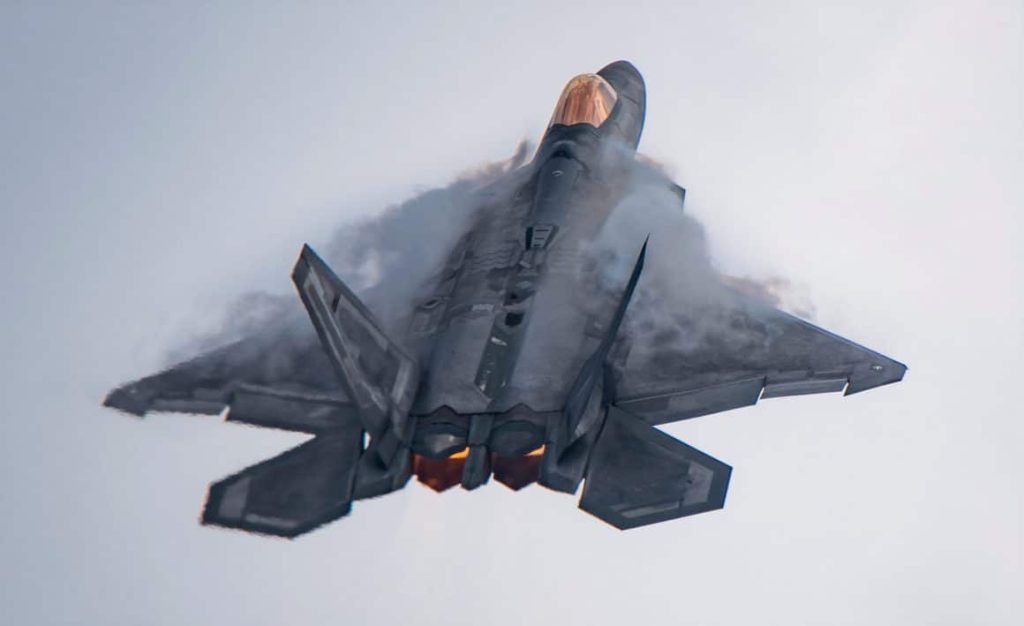
Boeing’s F‑47 is designed for over 1,000‑nautical‑mile combat radius, Mach 2+ speeds, and all‑aspect broadband low‑observability. It shall act as a central node to control unmanned systems in contested environments by using AI-driven CCA for scouting, electronic attack, and high-risk strikes.
Major General Joseph Kunkel describes its capabilities as “game‑changing, enabling the Joint Force to operate where it currently cannot.” The F‑47 was built upon a “built to adapt” philosophy, foreseeing the seamless integration of future technologies.
6. NGAD: Rapid Development Path
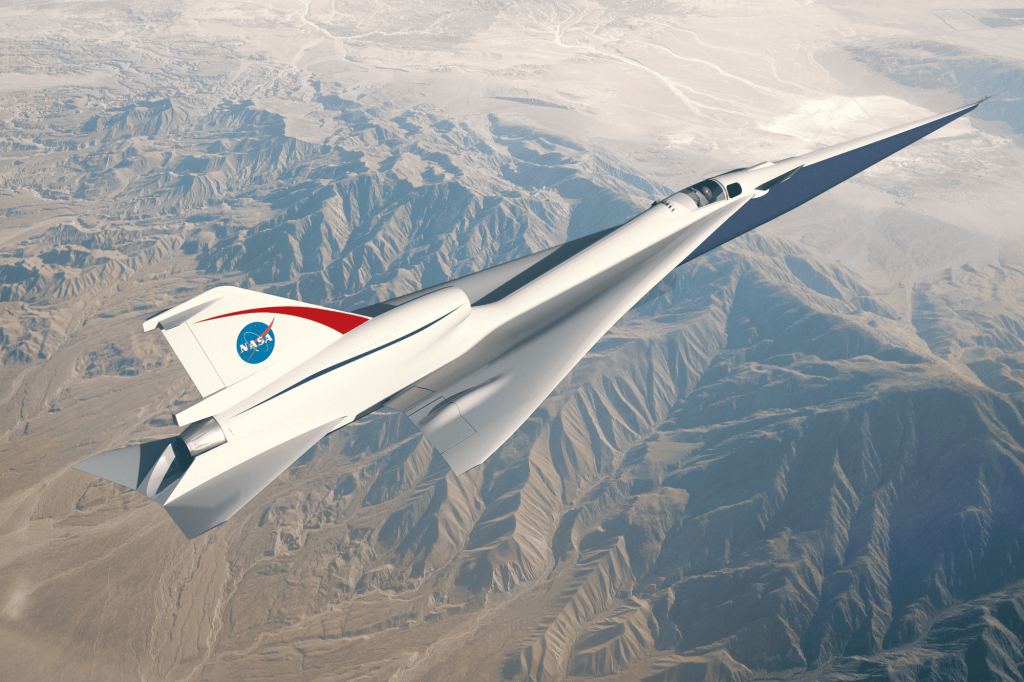
The F‑47’s accelerated timeline is rooted in a five‑year NGAD demonstrator campaign in which Boeing and Lockheed X‑planes flew hundreds of hours testing stealth shaping, thermal management, and manufacturing techniques. The resultant maturity allowed Boeing to start production just months following contract award.
Steve Parker, chief executive of Boeing Defense, attributed the pace to pre‑award investments in classified facilities and Phantom Works innovation. First flight is targeted before the end of 2028, an unusually fast turn‑round for a sixth‑generation fighter.
7. Collaborative Combat Aircraft – Integration
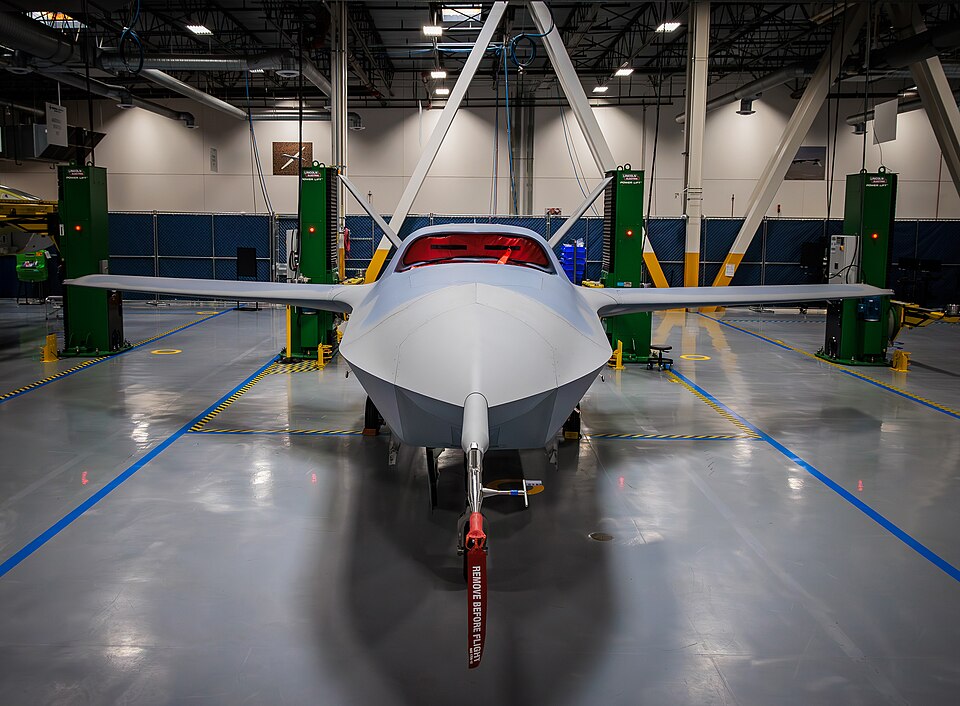
Architecture for the NGAD envisions each F‑47 controlling two to five CCAs, multiplying combat mass without equivalent increases in crewed aircraft numbers. The US Air Force has plans for at least 1,000 CCAs in the initial tranche; several prototypes, including Anduril’s YFQ‑44A and General Atomics’ YFQ‑42A, are already in ground testing.
These AI-enabled drones can be tasked for sacrificial missions, electronic warfare, or forward sensing, which complicates adversary targeting and reduces risk to human pilots.
8. The Numbers Debate
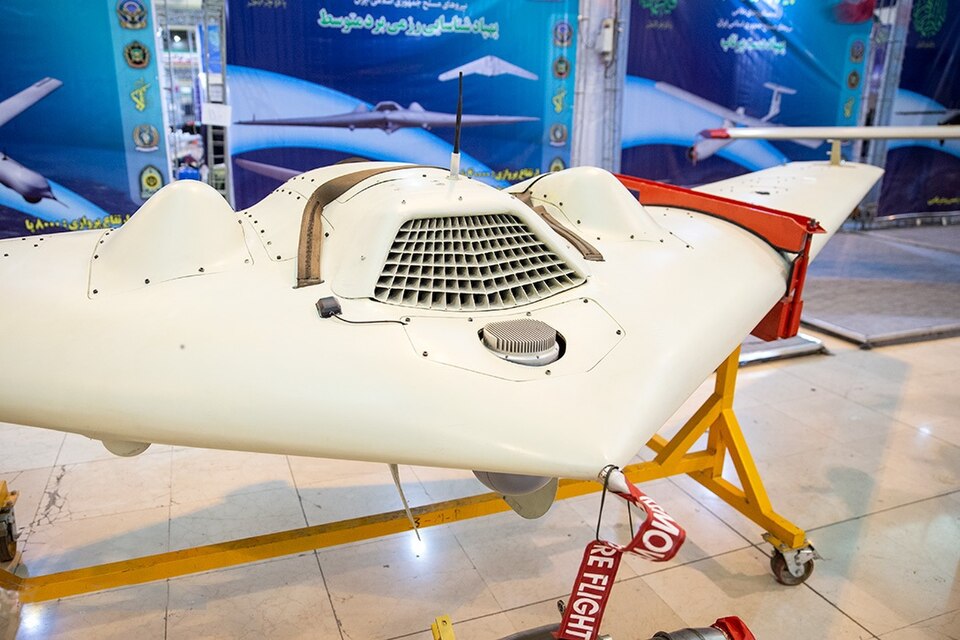
Where drone integration may reduce the needs of NGAD’s large crewed fleets, the industrial capacity to build CCAs en masse remains unproven. High-attrition warfare relies on a capability to quickly replace losses-a capability the U.S. drone sector has not yet proven. Meanwhile, China and Russia are rapidly scaling unmanned production, with reports indicating Russia is producing more than 5,700 Shahed‑derived drones in nine months of 2024, which raises very real questions about whether a 150–200‑jet F‑47 fleet would provide adequate strategic insurance.
9. China’s J‑36: A Moving Target
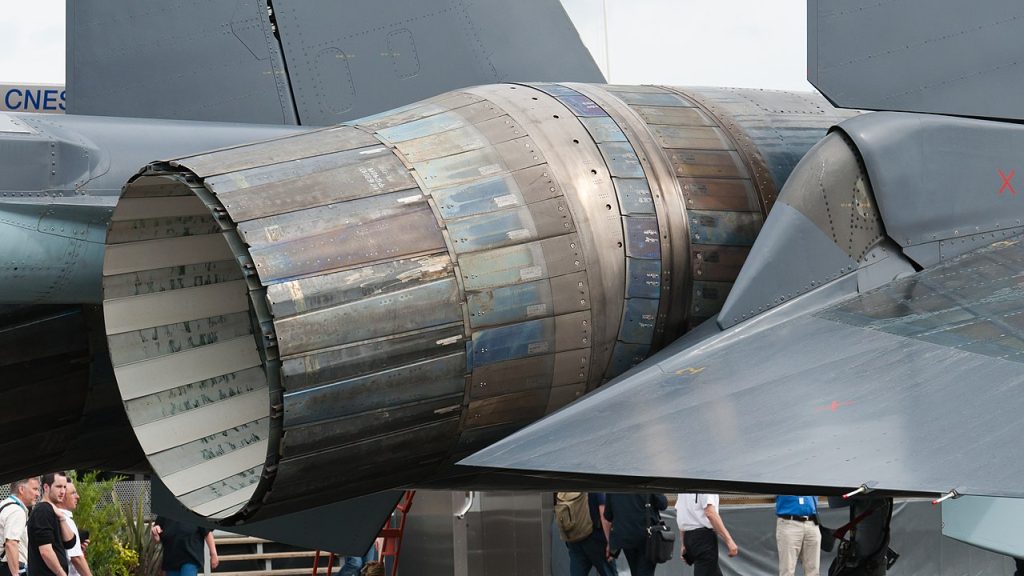
New images of China’s J‑36 reveal it carries three two‑dimensional thrust‑vectoring nozzles, trading some degree of stealth against maneuverability and high‑altitude performance. A tri‑engine, tailless design puts a particular premium on range and payload, suggesting everything from long‑range strike to sensor fusion hub. Such rapid design iterations-meaning significant changes between prototypes in less than a year-underscore Beijing’s aggressive development cycle that challenges the slower, more deliberate U.S. approach.
10. Naval Implications: F/A‑XX and Cross‑Service Pressure
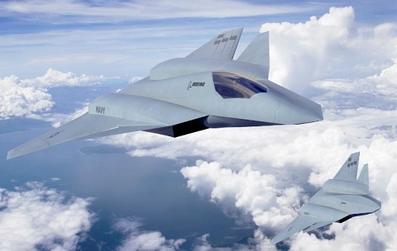
The Navy’s F/A‑XX program has a very similar timeline: it, too wants a stealth strike fighter with a 750‑nautical‑mile combat radius, extended by MQ‑25 Stingray tankers and long‑range missiles like the SM‑6. Production delays risk leaving carrier air wings under‑ranged against Chinese threats. Cross‑service industrial constraints, that is, questions over whether the aerospace base can build both F‑47 and F/A‑XX at the same time, complicate Air Force procurement decisions, possibly affecting the desirability of the “Ferrari” F‑35 as a near‑term solution.
Competition between Boeing’s F‑47 and Lockheed’s “Ferrari” F‑35 is about more than rivalry; it represents a strategic decision about how the U.S. will ensure air dominance in a world of rapid adversary innovation. Whether the Air Force decides to pursue near-term capability via fifth‑generation fighter upgrades or goes fully sixth‑generation, its choice will reverberate throughout allied fleets, industrial strategy, and deterrence posture for decades.


