It is one thing to survive in a radioactive wasteland. It is quite another to thrive there. Yet that is precisely what the black fungus “Cladosporium sphaerospermum” appears to do whether clinging to the walls of Chernobyl’s ruined reactor or riding the hull of the International Space Station.
1. A Survivor in the Heart of Chernobyl
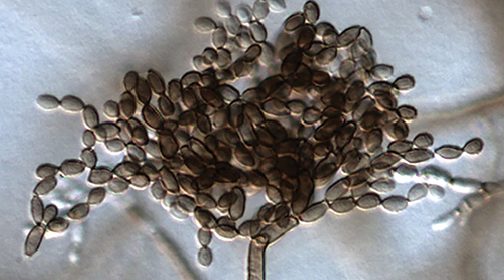
The team of microbiologist Nelli Zhdanova first discovered it in the late 1990s; C. sphaerospermum dominated samples taken from the reactor’s interior, an environment that was saturated with ionizing radiation. Not only were these fungi heavily contaminated, but also rich in melanin-the dark pigment long known for its protective properties. Where most organisms suffer severe DNA damage under such conditions, this fungus grew more vigorously when exposed to radiation.

2. The Hypothesis of Radiosynthesis
Radiopharmacologist Ekaterina Dadachova and immunologist Arturo Casadevall hypothesized that the fungus could use ionizing radiation through a process analogous to photosynthesis what they termed “radiosynthesis.” In their experiments, ionizing radiation changed the electron spin resonance signature of melanin, allowing it to reduce NADH fourfold more efficiently. That hinted that melanin might be able to convert high-energy photons into chemical energy, perhaps to support metabolism.

3. Melanin’s Dual Role: Shield and Transducer
The structure of melanin allows it to absorb across the UV-visible-infrared spectrum and even into X-ray and gamma-ray energies, with a shielding capacity roughly half that of lead. Its radioprotective effects arise from both physical attenuation and free radical quenching. The studies showed that the melanized “C. sphaerospermum” incorporated three times more 14C-acetate under radiation than non-irradiated controls, thus indicating enhanced metabolic activity.
4. Biophysics of Electron Transfer
Electrochemical probing showed that melanin is reversibly redox-active and can exchange electrons with both oxidizing and reducing mediators. Spectro electrochemical analyses linked melanin’s radical scavenging with its redox capacity, showing it can donate electrons to oxidative radicals or accept electrons from reductive radicals. These electron transfers have been suggested to underpin its ability to convert radiation energy into biologically useful forms.

5. Radio tropism: Growth Towards Radiation
Zhdanova’s group measured the hyphal return angles for “radiotropism,” or directional growth toward sources of radiation, under conditions of collimated gamma beams. Two-thirds of the isolates tested, including “C. sphaerospermum”, showed a statistically significant attraction to radiation, indicating active radiation seeking, rather than simple tolerance, perhaps as an energy source.
6. Space-Based Experiments
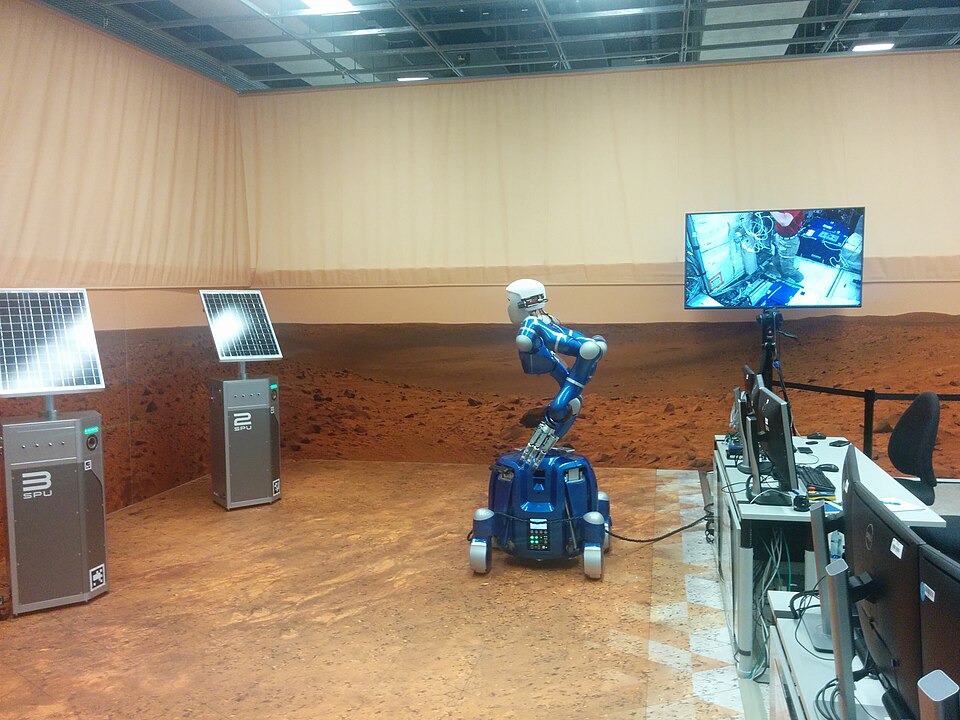
On the ISS, “C. sphaerospermum” displayed 1.21 ± 0.37 faster growth relative to Earth-based controls, despite temperatures higher than optimal. Radiation sensors positioned under fungal biomass registered fewer ionizing events relative to those under agar-only controls, indicating that measurable attenuation had taken place. This experiment did not provide evidence for radiosynthesis but did support the status of the fungus as a potentially self-regenerating radiation shield for long-duration missions.
7. Comparative Radiation Responses
Not all melanised fungi behave the same. “Wangiella dermatitidis” exhibits increased growth in the presence of ionizing radiation, whereas “Cladosporium cladosporioides” produces more melanin but does not experience growth stimulation. Gamma-irradiation experiments with “C. cladosporioides” and non-pigmented “Paecilomyces variotii” demonstrated changes in pigmentation with no apparent growth differences, emphasizing species-specific strategies.
8. Mechanistic Unknowns and Carbon Fixation
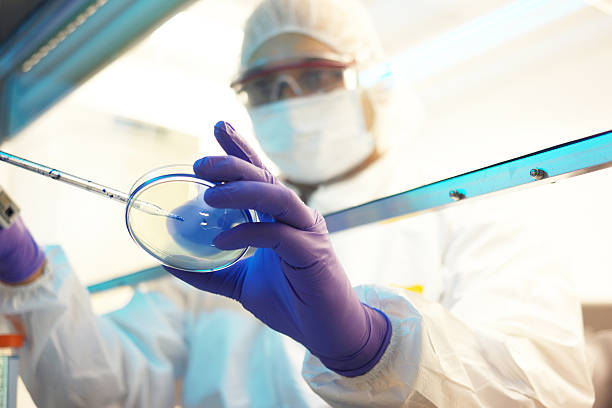
Although definite evidence exists for metabolic changes in response to radiation, no experiment yet demonstrates carbon fixation that is driven by ionizing radiation. Historical reports of fungi incorporating CO₂ into tricarboxylic acid cycle intermediates under nutrient limitation raise the possibility that melanin-mediated energy transduction could support anaplerotic pathways if radiation can substitute for light in powering these reactions.

9. Implications for Space Exploration and Exobiology
In space, cosmic radiation is an ever-present hazard and a potential source of energy. If radiosynthesis is real, then melanized fungi might play the role of shielding astronauts while being grown for biomass from in-situ resources. Their resistance to simulated Mars conditions and ability to survive doses many orders of magnitude above background levels on Earth make them interesting candidates for bioregenerative systems on other worlds.
10. The Evolutionary Perspective
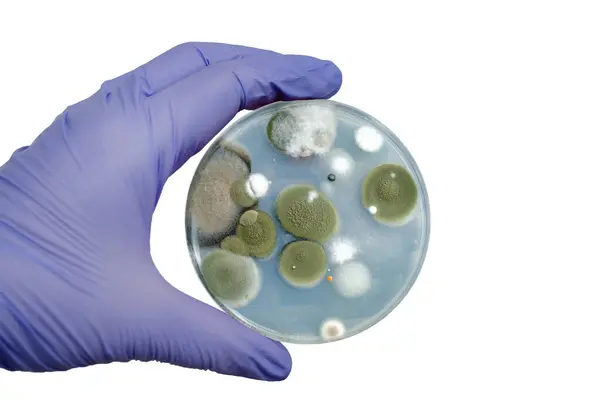
The ubiquity of melanin across the biological kingdoms suggests that it is very ancient, conceivably predating even photosynthesis. Fossil evidence of melanized spores during high-radiation epochs hints that radiation harvesting may once have been an important energy strategy for life. Whether “C. sphaerospermum” is a modern echo of that capability is one of the most tantalizing open questions in radiation biology. From reactor ruins to orbital laboratories, “Cladosporium sphaerospermum” continues to challenge assumptions about life’s limits, offering a living puzzle at the juncture of microbiology, biophysics, and space science.


