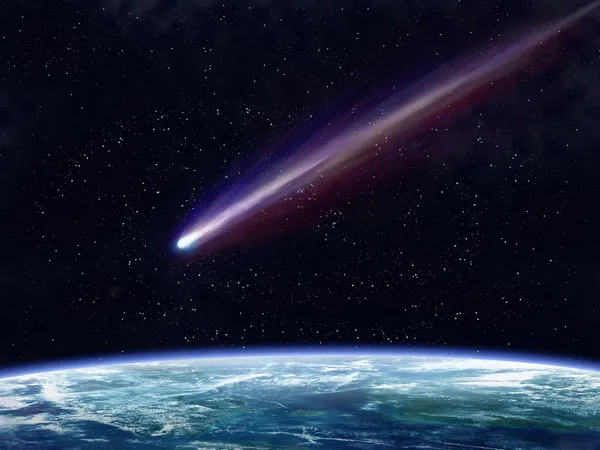
What makes a visiting star system comet so irresistible to scientists and planetary‑defense planners alike? For 3I/ ATLAS, this was because it was rare, had peculiar chemistry, and was perfectly suitable as a safe but challenging target for global tracking exercises.
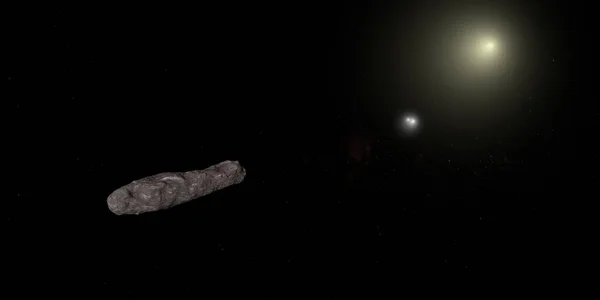
1. A Rare Interstellar Visitor
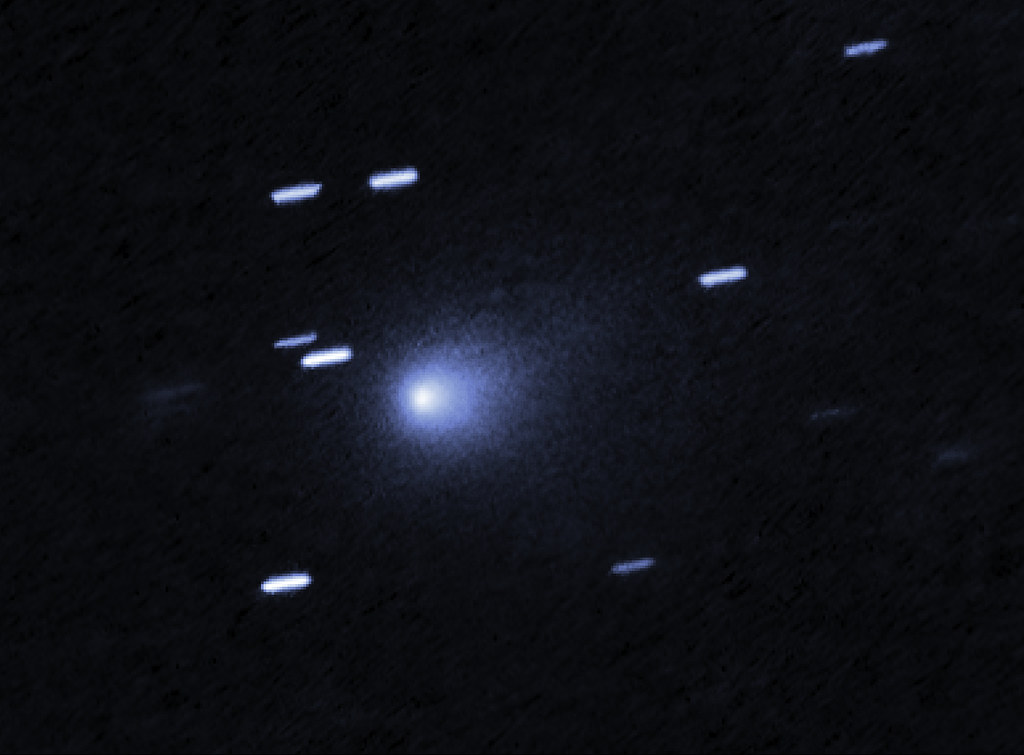
3I/ATLAS is just the third confirmed interstellar object to pass through our solar system, following 1I/’Oumuamua in 2017 and 2I/Borisov in 2019. Discovered on 1 July 2025 by the NASA‑funded ATLAS survey telescope in Chile, its hyperbolic trajectory and inbound speed of ~137,000 mph immediately marked it as unbound to the Sun’s gravity. Accelerating to ~153,000 mph at perihelion on 29–30 October 2025, 3I/ATLAS then began its outbound leg toward deep space. Hubble data suggest a nucleus ranging between 440 m and 5.6 km across, cloaked in a coma and tails generated by solar heating.
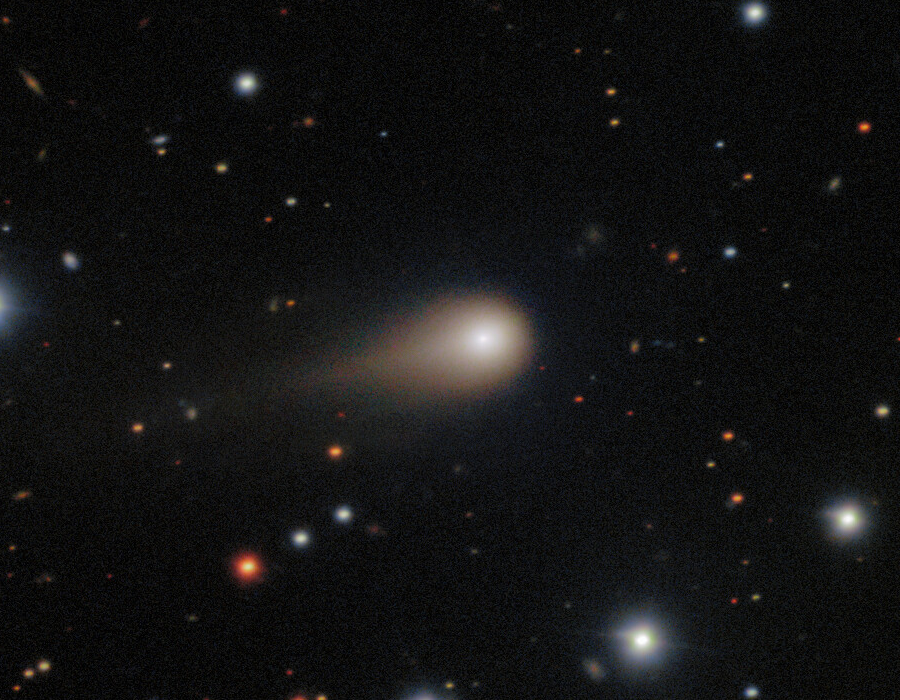
2. Detection and Early Characterization
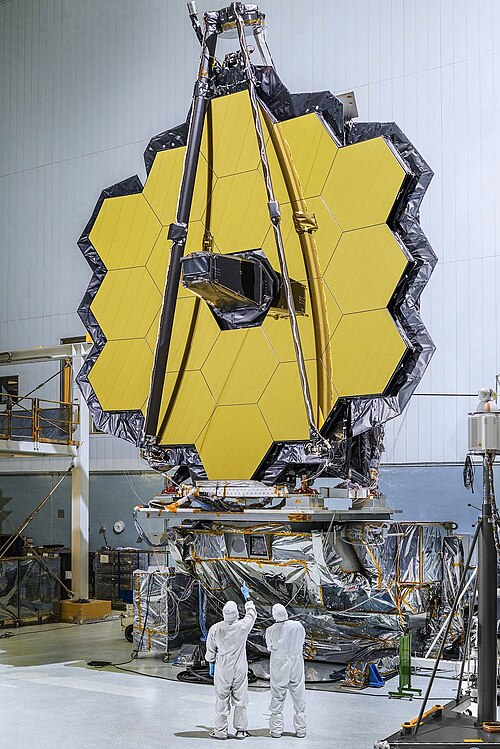
Pre-discovery images from mid-June 2025, provided by ATLAS and the Zwicky Transient Facility, showed 3I/ATLAS as a faint moving point. Orbital calculations within 24 hours of the announcement confirmed it to be interstellar. Follow-up campaigns were carried out by Hubble, JWST, SPHEREx, ESA’s Mars orbiters, and many ground-based observatories that showed rapid development of its coma and tail due to the sublimation of volatile ices. Palomar and Apache Point spectrophotometry showed a red spectral slope in visible wavelengths and unusual compositional markers compared with typical solar-system comets.

3. NASA’s Confirmation: No Technosignatures
Speculation about alien technology surged after early reports of strong nickel emission and a sunward‑pointing dust spike. Harvard astrophysicist Avi Loeb listed a dozen “anomalies” and suggested a low‑probability artificial origin. However, NASA’s post‑shutdown briefing-with data from more than 20 missions-found no artificial patterns in light curves, chemistry, or dynamics. “We want very much to find signs of life in the universe. but 3I/ATLAS is a comet,” said Amit Kshatriya. The anti‑tail and chemistry fit within known comet physics when interstellar aging and viewing geometry are considered.
4. Chemistry from Another Star System
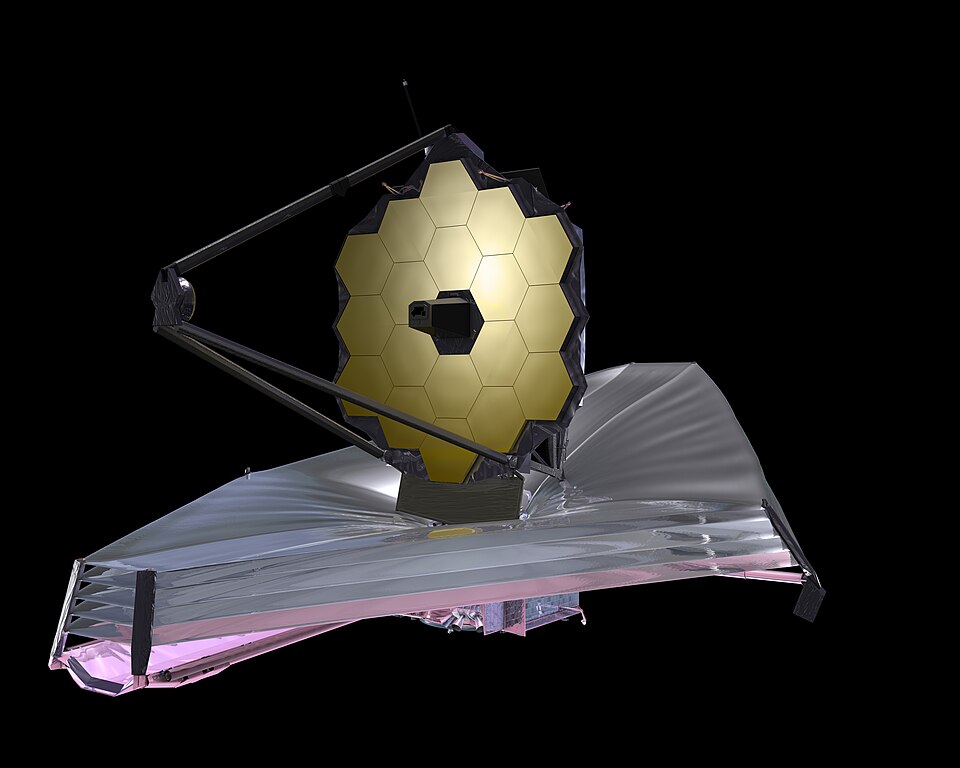
JWST and the Very Large Telescope detected unusually high carbon dioxide relative to water vapor, along with substantial atomic nickel with no iron-a rare combination. “Its CO₂‑to‑water ratio is among the highest ever seen in any comet,” says Martin Cordiner. Models indicate that a 15–20 m‑thick crust rich in CO₂ would have formed over ~7 billion years of exposure to cosmic rays in interstellar space. The nickel might come from volatile nickel tetracarbonyl molecules in dust grains, which break down under UV light to free nickel and carbon monoxide. These are indeed telltale signs of its birthplace, probably far beyond the CO₂ ice line in its original protoplanetary disk.
5. Target of planetary‑defense drill
Based on the above, the UN‑coordinated International Asteroid Warning Network, IAWN, chose the object 3I/ATLAS for its 8th global observing exercise, running from 27 November 2025 to 27 January 2026. Due to its extended visibility, its unusual structure, and its safe distance being guaranteed, the object was ideal for exercising orbit determination of “fuzzy” comet images. The aim of this campaign is to refine the tracking capabilities for long‑period bodies, not to respond to an actual hazard.
6. Optical Oddities: Anti‑Tail and Outbursts
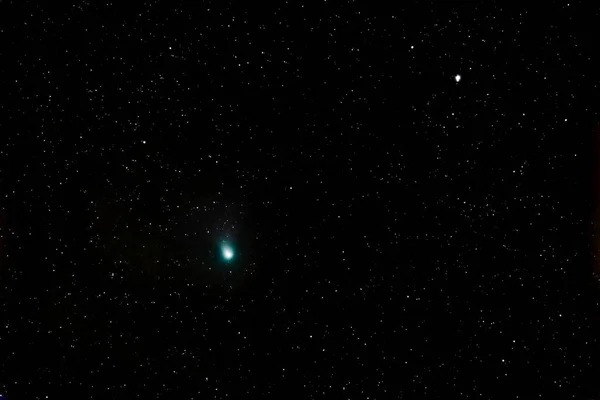
Images from both professional and amateur telescopes show a striking anti‑tail dust appearing to point toward the Sun. This occurs when Earth crosses the comet’s orbital plane and heavier dust grains trail along the orbit rather than being pushed directly away by radiation pressure. In early November the comet brightened significantly, consistent with an outburst exposing fresh ices beneath its crust. JWST data suggest that solar heating fractured the ancient shell, releasing deeper material in bursts.
7. Tracking and Observation Techniques
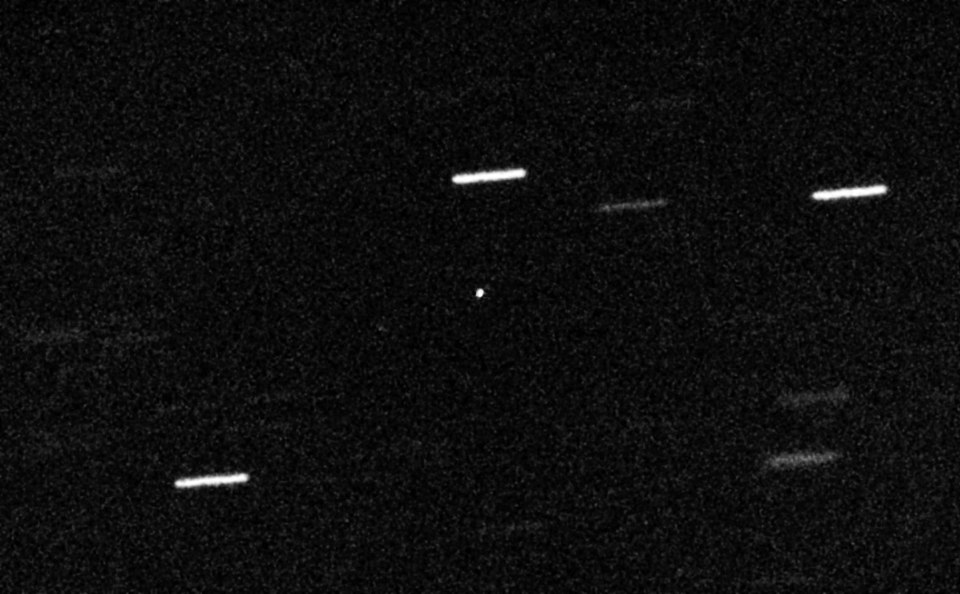
The wide-field survey telescopes like ATLAS and ZTF are configured to track motion across wide fields, flagging candidates for follow‑up using automated software. Orbit determination in planetary defense involves making repeated astrometric measurements of an object and accounting for cometary fuzziness plus non‑gravitational forces due to outgassing. The IAWN exercise will tie together optical, infrared, and radar facilities around the world in testing coordination protocols, which will provide rapid updates to ephemerides.
8. Scientific Payoff
3I/ATLAS is providing a unique opportunity to sample material from beyond the solar system without dispatching a spacecraft. Its chemistry, spectral slopes, and dust dynamics will be used to inform models of comet formation in other star systems. By comparing its properties with those of 2I/Borisov and 1I/’Oumuamua, the diversity of interstellar bodies can be better constrained. Dozens more such visitors are foreseen to be found by the Vera C. Rubin Observatory when fully operational, allowing statistical studies of their origins and compositions.
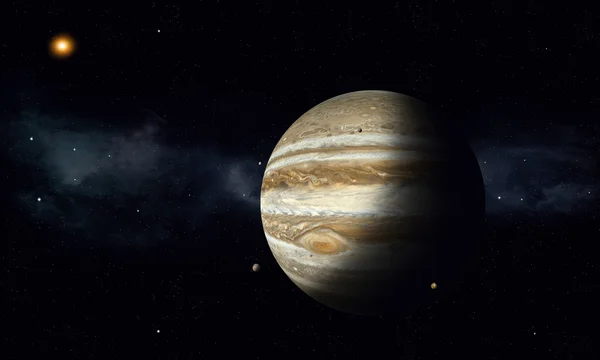
Whether you view 3I/ATLAS through the lens of planetary defense or pure science, this object is returning unprecedented data. During March 2026, as it recedes toward Jupiter and then disappears in interstellar space, every observation adds to a growing archive for humankind of alien ice and dust messengers from the galaxy’s distant past.


