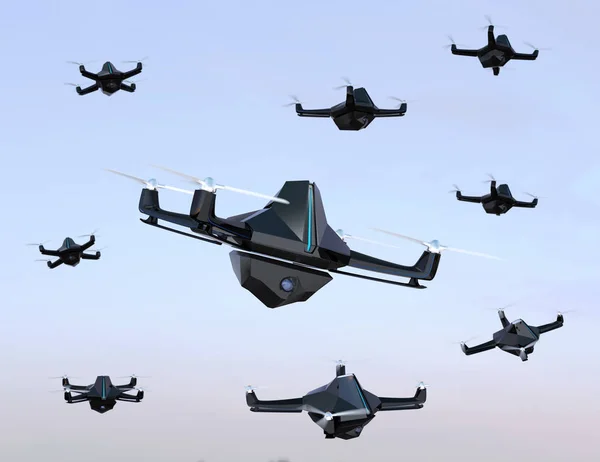
“Drone strikes are no longer a concern within war-torn regions, as they’re increasingly disrupting airports, energy infrastructure, as well as public spaces. With the emergence of cheap drones that are ‘low cost, high impact,’ weaknesses within the public as well as the military landscape have been openly revealed amid a marked increase within the last year.”
Recently launched by Athena Security, the AI X-Ray Drone Defense System is a marked move towards preemptive protection. With its ability to identify drone parts even prior to assembly, this technology provides a unique chance to effectively thwart dangers before they cross secure perimeters. Based on experiences gained from other global events, this technology may well change the dynamics of anti-drone measures in America.

1. Rise in International Drone Incidents
Major drone events globally have seen a rise in excess of 60% with the U.S. FAA reporting a “25.6% increase in illegal drone incursions since 2024.” The war between Russia and Ukraine has highlighted the threat posed by drones priced less than $1,000, as they can “paralyze entire energy infrastructure systems” as well as transportation hubs. At the end of October 2025, “Russia launched 300 drones and missiles” that led to energy outages all over Ukraine. Airports in Europe, such as Munich Airport, were shut down for multiple hours, affecting thousands of passengers.
2. Pre-Assembly Detection Advantage
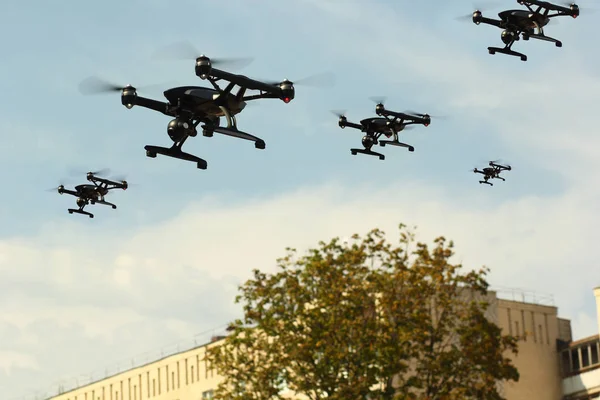
Athena Security’s AI-powered X-Ray Drone Detection Model goes beyond conventional threat detection, such as guns, targeting motors, fans, electrics, and battery compartments, even if disguised or minimized. By intercepting pieces before they are integrated within secure areas, attackers will be thwarted in their early stages. This fills a necessary gap, as there was not a U.S. solution that screened unassembled pieces of drones.
3. High-Fidelity Recognition with Low False Positives
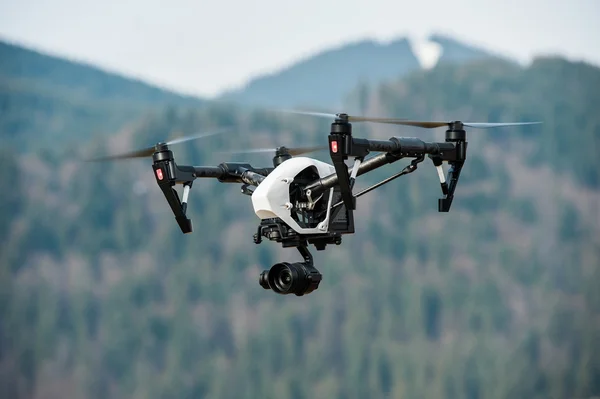
With high-fidelity feature detection, the model is able to identify drone components accurately in a shipment scenario. Designed with low false alarm rates, this feature enhances the efficiency of security personnel. Connectivity with the access control system provides greater flexibility in terms of alert lockdowns, lockdowns, or other immediate reactions for identified shipments.
4. Layered Defense via Partnerships
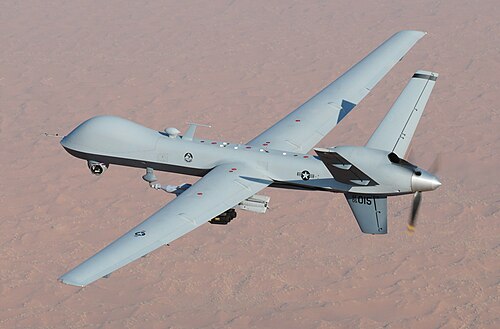
Athena is also working with manufacturers of counter-UAV solutions, electronic warfare solution developers, and security system integrators to offer effective layered defenses. These will feature the use of AI-based X-ray technology, together with intercept technologies, which will offer end-to-end solutions that can detect, track, and neutralize threats, as recommended by Defense experts.
5. Lessons from European Airspace Disruptions
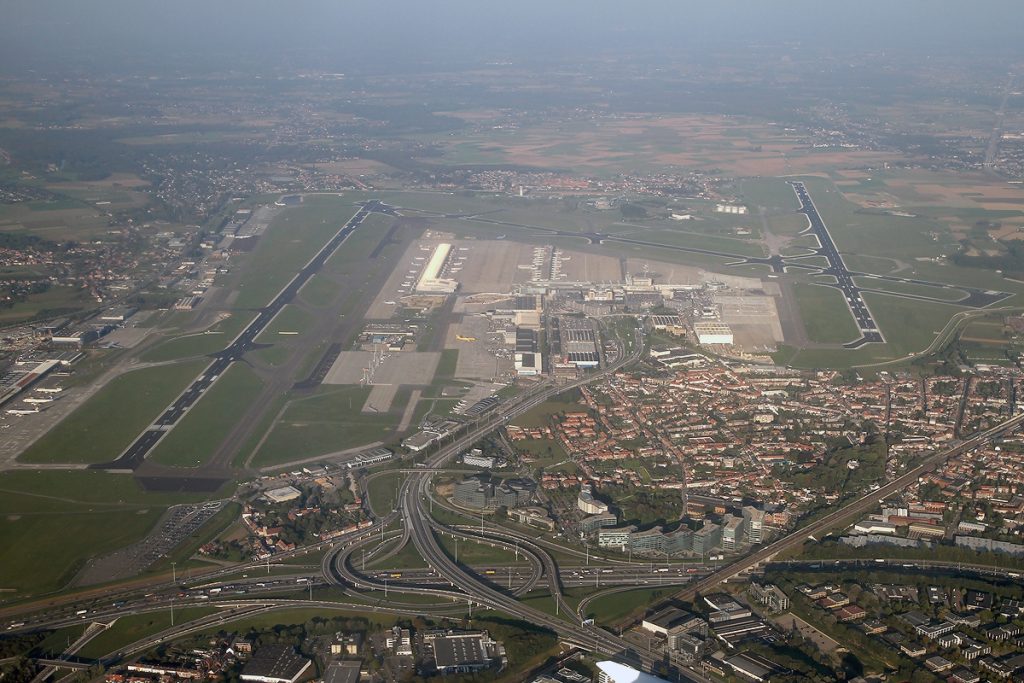
An analysis showed that incidences of drone disruptions in European airports were multiplied by four between January 2024 and November 2025. In Belgium, there were 10 incidences within only eight days, causing Brussels Airport to come to a standstill. It is believed that some drones may be involved in hybrid warfare, which responds neither to hacking nor jamming.
6. Airspace Awareness Gaps Response
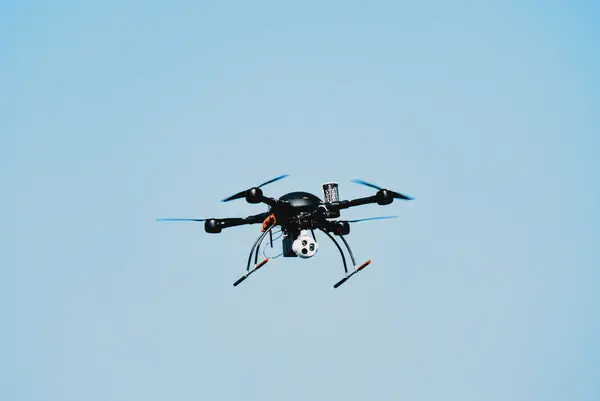
Security experts highlight a lack of awareness in low-altitude airspace as a concern. Although requirements for drone ID through remote ID do exist, there is a deficiency in infrastructure necessary for the receipt and distribution of this ID. Problems with authorized drone misidentification remain, demonstrating the importance of solutions such as that of Athena that can confirm components prior to operation.
7. Integration with Machine Learning Models
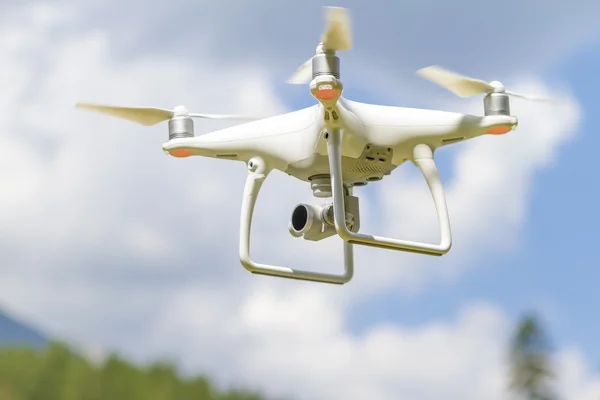
Machine learning technology has enabled improved detection of drones through radar, sound, vision, as well as RF detection. Athena’s model incorporates this technology within the X-ray field, employing algorithms that identify drone components as opposed to harmless objects. This is in addition to other machine learning technologies that identify drones as they fly.
8. Connecting Civilian & Military Requirements
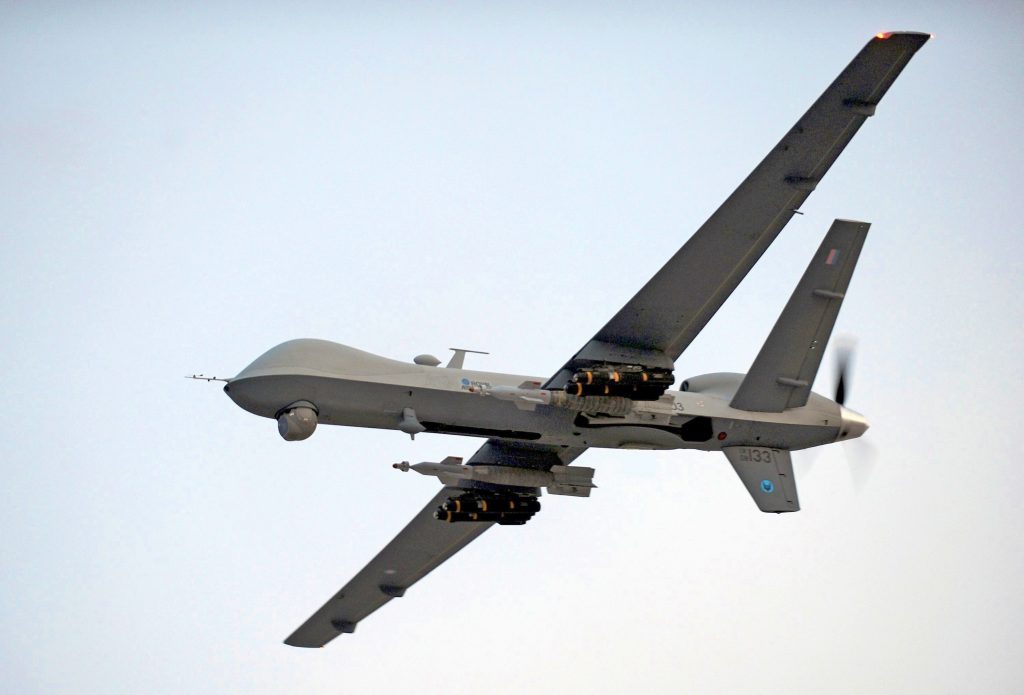
Although the threat posed by battle drones stimulates the innovation of the military, other dangers also threaten civilian infrastructure with respect to surveillance, smuggling, as well as sabotage. Currently, the system being developed by Athena is being tested with federal, state, as well as city governments.
9. Future Proofing Against Asymmetric Threat
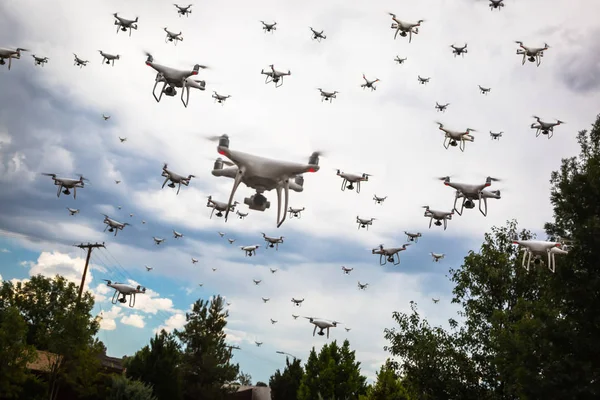
With the expected increase in the use of drones, the threat landscape will widen to ports, sports stadiums, as well as other data centers. Preventive detection will emerge as the norm. Athena’s AI-driven x-ray model claims its position as a scalable solution that can be implemented in checkpoints, entrance gates, as well as unmanned stations.
“The Athena Security AI X-Ray Drone Defense System represents a shift in strategic focus towards proactive security, recognizing threats ahead of time. With the threat of relatively low-cost drones causing so much mayhem, the threat identification component before assembly may be the ‘game-changer.’ Rather than merely offering a solution, this technology is providing a paradigm shift in infrastructure protection.”


