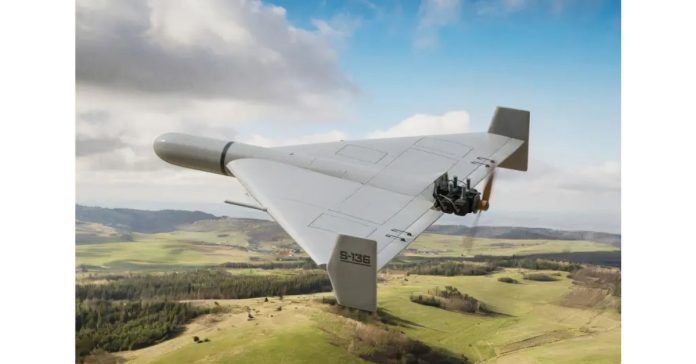
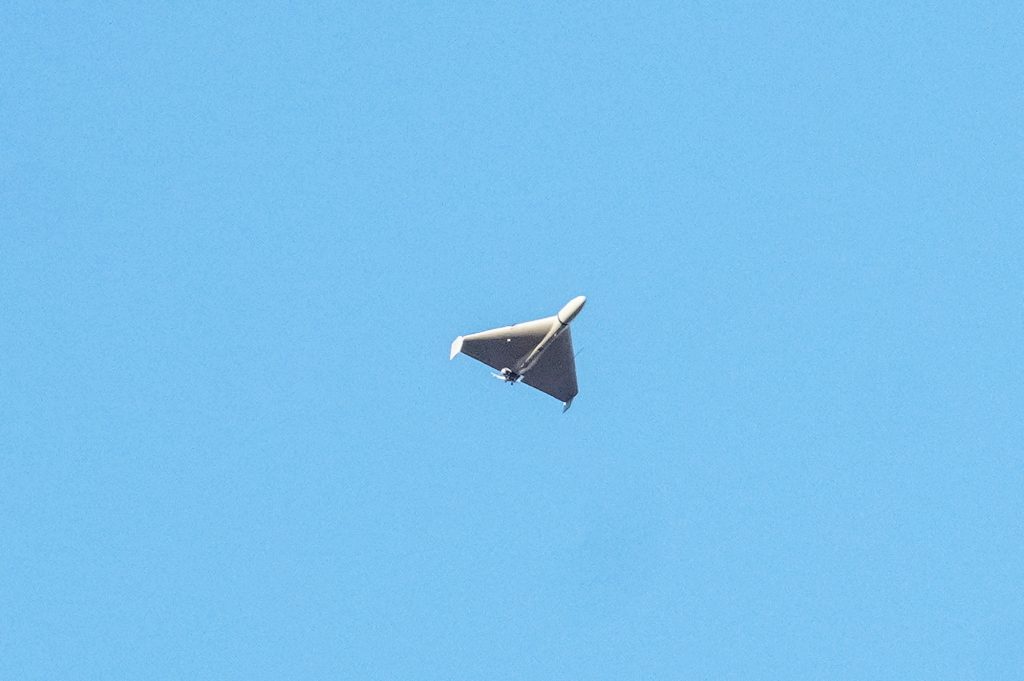
What can be expected if a $20,000 jet-propelled drone cross paths with a $2,500 interceptor drone? Believe me, this is more than a preliminary showdown in the Ukrainian skies every night: speed, accuracy, and staying alive. Russian usage of their own jet-powered design, the Geran-3, based on the Iranian Shahed-238, has launched Ukrainian drone manufacturers down a swift path of innovation. With top speeds of as much as 230 mph, Ukrainian drones threaten to leave conventional low-cost interceptors in their wake.
Over the last year, Ukrainian defenders began with machine gun ambushes, progressed through low-altitude drone-on-drone fights, and most recently, entered high-speed drone-on-drone battles, incorporating interceptors such as the Sting into their air defenses. It’s intense: downing a Geran-3 before it strikes a power station or a hospital may mean a difference between a city with, versus without, electricity. Ten recent events that will impact this battle in the skies would be as follows:
1. The Geran-3: Russia’s Jet
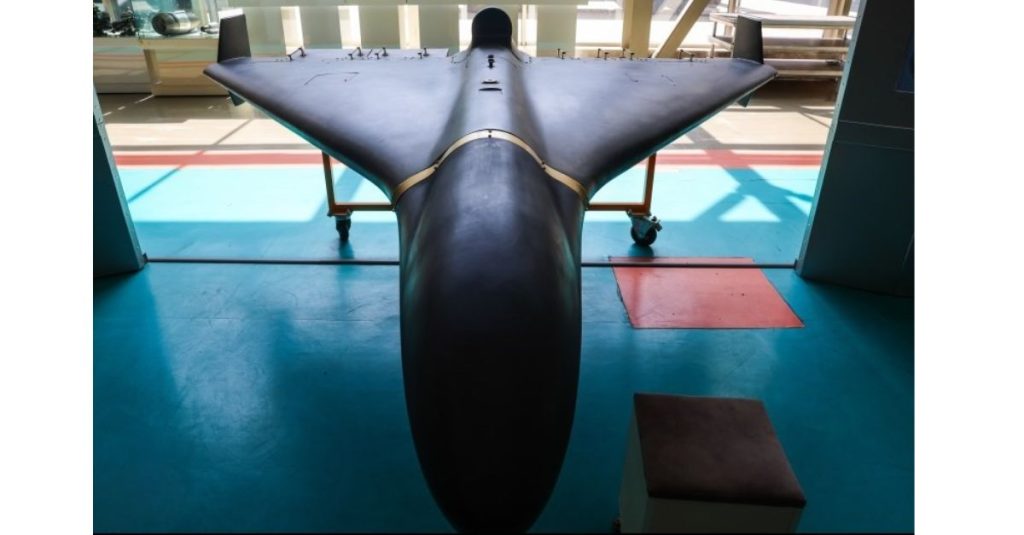
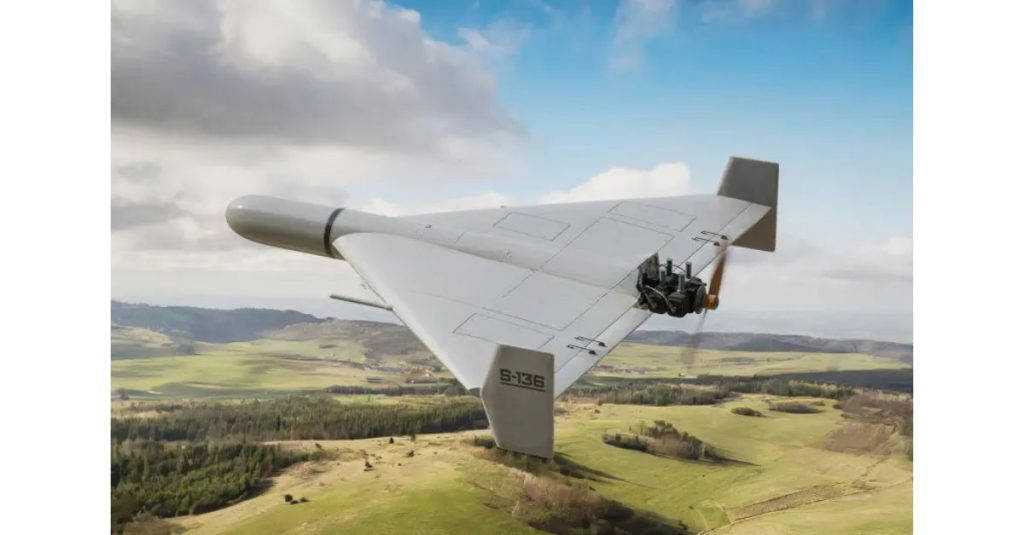
Russia’s Geran-3, based on the Iranian Shahed-238, represents a giant leap forward from the propeller-powered Geran-2 drones. The drone boasts a cruising speed of 300–350 km/h, with a bursting speed of 550–600 km/h, going on for 2,500 km with a 50 kg warhead. Incorporating satellite guidance and resistance to electronic jamming increases its resilience, although Ukrainian intelligence thinks that the production rate still remains relatively low, with only 138 units being used recently.

2. Sting Interceptor’s First Jet Kill
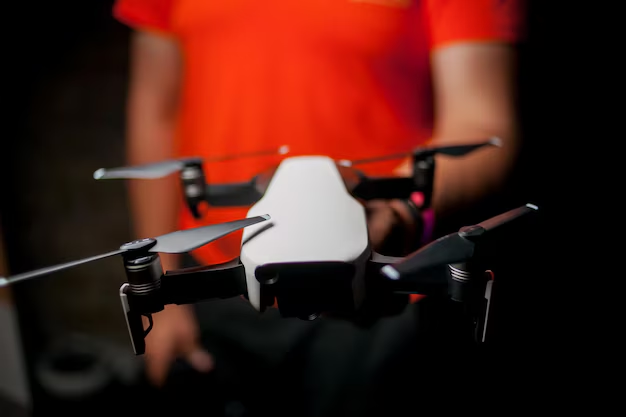
In December 2025, volunteer leader Serhii Sternenko reported that Sting interceptors built in Ukraine had downed a number of Geran-3 drones. Designed by Wild Hornets, the Sting is a quadcopter with a frontal warhead system, control via ‘VR goggles,’ a top speed of 315 km/h, and a maximum altitude of 3,000 meters. It was the first reported incident of a Ukrainian-made drone downing a jet-powered Shahed drone.
3. Volunteer-Based Drone Industry
Wild Hornets, which began as a garage project, is currently operating interceptors that have been credited with destroying over 600 Shahed and Gerberas. However, their value, calculated as $2 billion in Russian assets, illustrates the force that’s generated through civil society activism. Over 60% of their finances come from abroad, with efforts in civil society having collected millions of dollars in mere days.
4. Integration of Multi-Layer
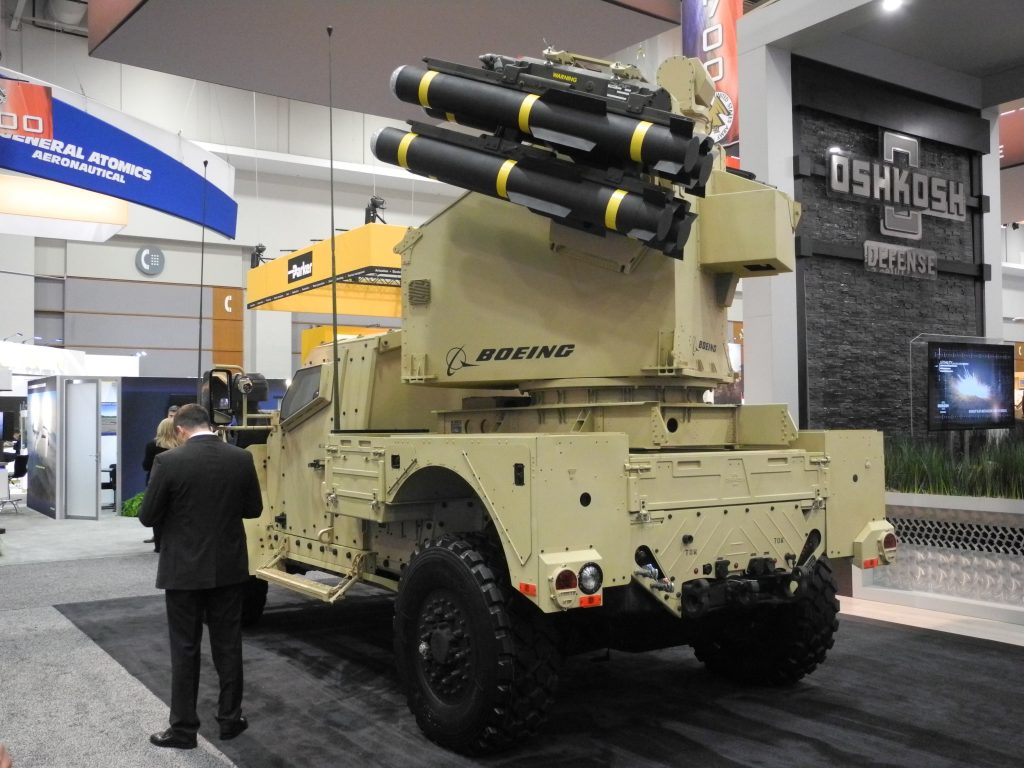
Air Defence. Ukrainian air defence tactics integrate interceptors with fire units, EWW, as well as SHORAD guns. Gepard cannons, IRIS-T missiles, as well as Bukovel AD jammers, operate within different ranges. Missiles, which cost millions, will tackle cruise missiles, keeping them in reserve, with Shaheds being attacked through drones that cost between $2,000 and $6,000.

5. Radar Coverage: The Critical Bottleneck
“Interceptor crews must use radar to detect their targets, although radar supplies are in shortage in the Ukrainian army. Although the radar systems of large SAMS can intercept drones, ‘gaps in coverage, such as river valleys, must be filled with smaller radar, such as Israeli RADA radar,’” The production of Ukrainian-made radar systems doubles wait times, which now stand at 13 months.
6. Targeting with Operation Spider’s Web
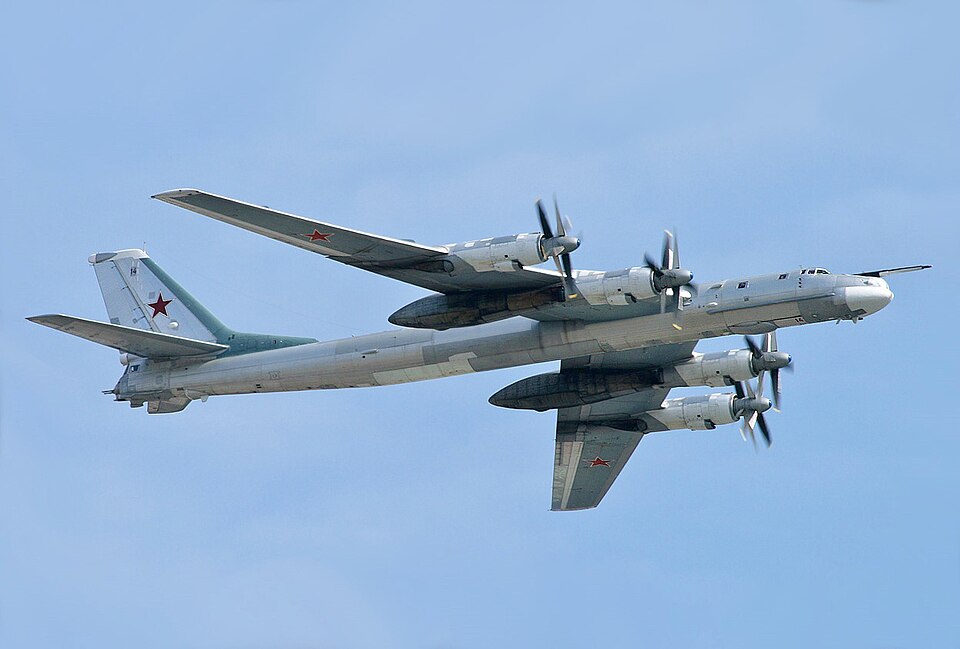
Operation Spider’s Web showcased the use of AI-based technology in drone strikes. FPV drones with machine vision algorithms trained on air force profiles targeted vulnerable areas on Tu-95 and A-50 aircraft. Incorporating such technology into interceptors may increase the chances of hitting Shaheds, which move at high speeds.

7. Cost Asymmetry and Economic Warfare
“However, destroying a $20,000 Geran-2 or a $50,000 Geran-3 with a $2,500 Sting turns the cost dynamics upside down. Indeed, as mentioned above, low-altitude drones, as experts say, come with a cost that strains the attackers’ budget, as their missiles cost dearly.”

8. Coping with Russian Strategies
There’s a mixed salvo of strike and decoy drones, with the use of Shahed alongside Lancets in removing moving fire units. However, in the case of the Geran-3, acceleration occurs only during the final approach or near identified defenses in order to save fuel. Such a maneuver provides a brief window for interceptors before maximum speed will be achieved.

9. International Collaboration
Meanwhile, production of interceptors is being carried out through partnerships with allies. An agreement in July 2025 with a US-based company, Swift Beat, is aimed at producing hundreds of thousands of units, some of which will be drones that kill missiles. Members of NATO, such as Denmark, have been testing the Sting, with thousands being developed together with the UK.
10. The Next Phase: Faster Interceptors Wild
Hornets are already working on designs that will exceed speeds of 315 km/h in order to respond to Iranian mass production of their Geran-3 drones. Deputy head of the president’s office, Pavlo Palisa, affirmed that the Ukrainian side possesses drones that “are equipped with jet engines, sufficient for fighting Shaheds.” Ironically, the battle for Ukraine between jet-powered Shaheds represents the future of adaptive military technology, where volunteer-produced interceptors, artificial intelligence, targeting, and multiple layers of protection interact with evolving enemies. Winning such a battle, as the Sting did against the Geran-3, draws attention to the fact that low-price, fast drones may hold their own in battle, regardless of the sophisticated technology behind their opponents, such as Shaheds.


