-edited-696x212.jpg "静态点火测试前的朱雀三号运载火箭(遥一)")
-edited.jpg)
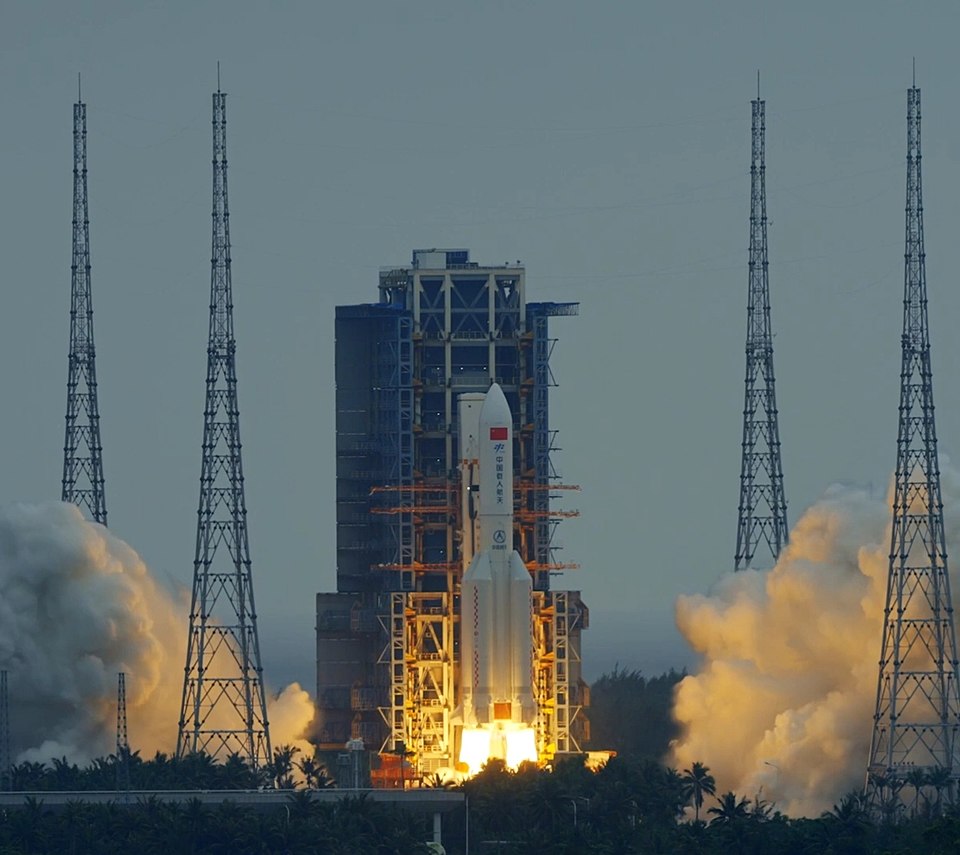
From a windswept launch pad in the Gobi Desert, China’s first privately developed medium‑lift reusable rocket is preparing for a debut that could redefine the nation’s commercial space trajectory. LandSpace’s Zhuque‑3, standing 66 meters tall and weighing 570 tons fueled, is more than just another launch vehicle-it is a point of convergence for engineering innovation, industrial policy, and the accelerating race to deploy vast low‑Earth‑orbit satellite constellations.

1. Medium‑Lift Capability Unlocks Constellation Economics
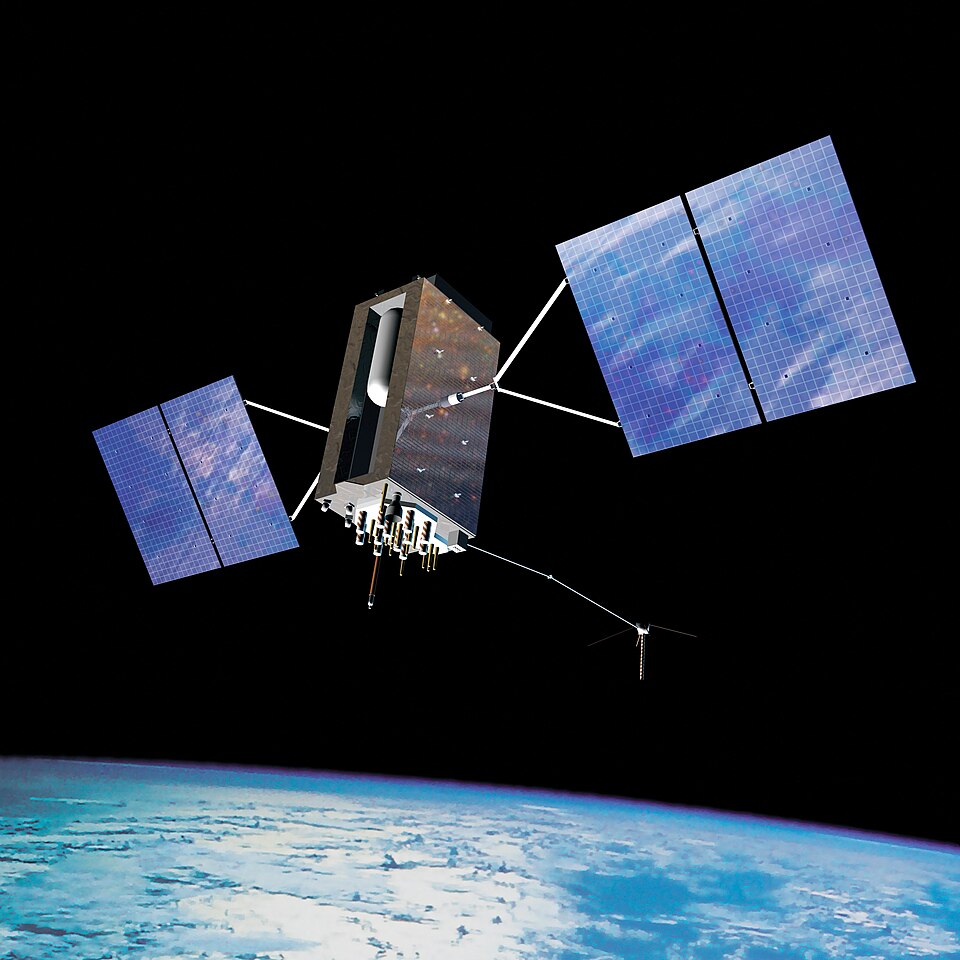
So far, China’s private launch sector has been confined mostly to small‑lift vehicles with payloads under one ton, enough for technology demonstrations but far short of what is needed for large-scale constellation deployment. Zhuque‑3’s five‑ton LEO payload capacity in reusable mode rising to 21 tons expendable changes that equation. A single launch can carry over ten broadband satellites, directly matching the needs of China SatNet’s planned 13,000‑satellite Guowang network and private mega‑constellations such as Qianfan. This capacity is critical for meeting International Telecommunication Union deployment milestones and for lowering per-satellite launch costs in face of global competition from Starlink.
2. Methalox Propulsion: Efficiency and Localization
At the heart of Zhuque‑3 lies nine TQ‑12 methalox engines, each running on liquid oxygen and methane. Methane provides cleaner combustion compared to kerosene, which reduces coking and eases refurbishment between flights, while lowering fuel costs by more than 70% compared to hypergolic propellants. LandSpace has achieved 100% domestic production of the core engine components, a sharp contrast from 2020’s heavy import dependence. With 132 hot‑fire tests recorded and a 98.3% success ratewell above the typical 85% in the industrythe maturity of the TQ‑12 puts it among the most reliable commercial engines in service today.
3. Sea‑Recovery Reusability
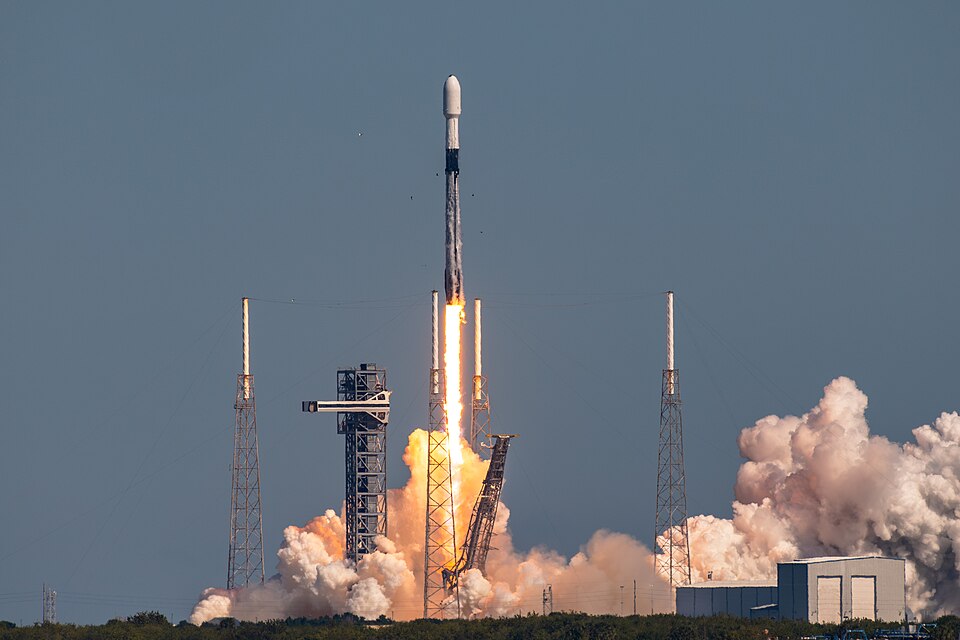
Zhuque‑3’s first stage is designed to return to Earth for a vertical landing on a maritime platform positioned nearly 400 km downrange, with the precision of the targeted touchdown within 15 meters. The design goal is more than ten reuse cycles that could reduce launch prices from $50,000/kg to $30,000/kg. This capability will be similar to the economics of SpaceX’s Falcon 9 and will directly solve China’s launch bottleneck for mega‑constellations, which today cost an estimated four to six times more per kilogram compared with Falcon 9.
4. Policy Tailwinds Driving the Sector
The rise of the rocket is not to be separated from a decade-long policy liberalization: since 2014’s “Document 60” opened launch and Earth observation to private capital, Beijing has progressively deepened its support. This October 2025 “Guiding Opinions on Promoting High‑Quality Development of Commercial Aerospace” elevated the sector to a “key cultivation area for new quality productivity,” while the 14th Five‑Year Plan set a hard target of 50+ commercial launches in 2025. Local governments have amplified these signals with subsidies, loan discounts, and infrastructurewitness the Hainan Commercial Space Launch Site, optimized for high‑frequency, low‑latitude launches.
5. Demand Surge from LEO Mega‑Constellations
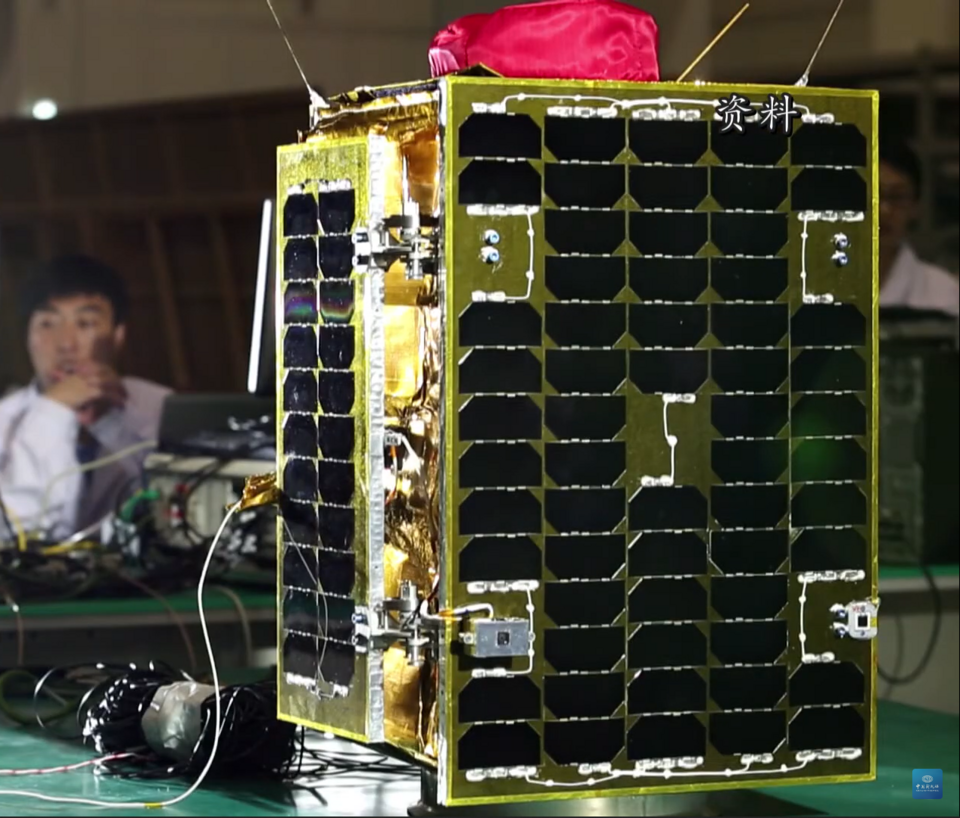
The satellite internet ambitions of China are huge. Guowang alone represents an investment of 400 billion yuan, while the 15,000 satellites by Qianfan target both domestic and Global South markets. IoT-focused constellations like Geespace and Honghu-3 also add to this demand. This commercial remote-sensing sector has already turned profitable; for instance, the Jilin-1 constellation of Chang Guang Satellite generated 1.82 billion yuan in the first three quarters of 2025, with orders booked through 2027. These applications require sustained, fast-paced replenishment launches, a segment for which Zhuque‑3 is tailored to serve.
6. Global Context and Competitive Pressure
Whereas China launched 68 times last year, SpaceX more than doubled that number; its cadence catalyzes the need for reusable systems. LandSpace’s engineering leap comes with multiple Chinese companies taking VTVL vehicle development seriously, including companies such as Space Pioneer, Galactic Energy, and iSpace. The competitive field is also strategic: control over LEO broadband infrastructure carries implications for digital sovereignty, military communications, and intelligence gathering.
7. Industrial Chain Investment Opportunities
The Zhuque‑3 program sheds light on high‑certainty plays throughout the aerospace value chain. Upstream, aerospace‑grade carbon fiber has achieved an 82% domestic substitution rate, while Guangwei Composite’s T800 product was certified for use by LandSpace. Midstream, suppliers such as Yingliu Co. (sole TQ‑12 turbopump provider) and Zhenshi Technology (satellite payload components) are positioned for growth in orders. Downstream, operators with clear revenue models-including China Satellite Communications in high‑throughput broadband and GeoStar in remote sensing analytics-should benefit from the growing satellite base.
8. Scaling Manufacturing and Launch Infrastructure
Mass production will be a major challenge in constellation deployment, prompting facilities like the modular line at the Shanghai Micro Satellite Engineering Center to emerge, which will be able to produce 300 satellites monthly. Correspondingly, on the launch side, an expanded Hainan facility will boast four pads, with an ambitious objective of 60+ launches annually by 2026, with pad turnaround times possibly as short as a week. Such infrastructure is essential to fully exploit the economics of reusable rockets such as Zhuque‑3.
9. Risk and Resilience
The maiden flight, initially scheduled for November 29, was delayed due to force majeure, as frequently happens in high‑complexity launch operations. This has not hampered market momentum, however: from January to October 2025, China launched 38 commercial launches, up 46% year‑on‑year, and 167 commercial satellites in orbit, up 58%. The sector’s growth trajectory thus remains intact, underpinned by both policy and market demand.
As Zhuque‑3 approaches its rescheduled launch window, it embodies the fusion of engineering capability, state strategy, and commercial opportunity that is propelling China’s space economy into its next phase. For investors, the rocket’s success could mark the point where China’s private launch sector transitions from experimental novelty to indispensable infrastructure for the global space race.


-edited.jpg&description=Zhuque%E2%80%913%E2%80%99s+Reusable+Methane+Rocket+Poised+to+Reshape+China%E2%80%99s+Space+Economy)