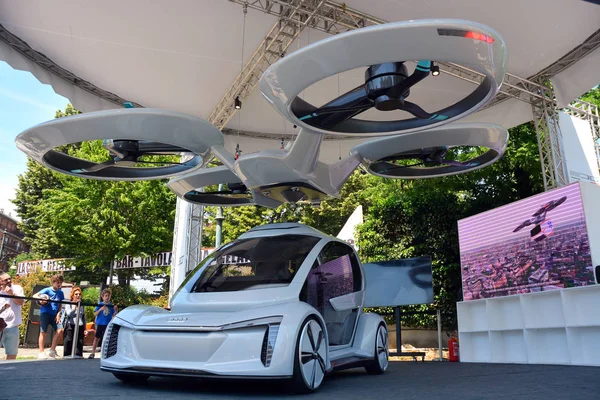
What does it say about a nation when it’s able, in less than three years, to produce a flying car where others in the world are still working out the regulations? To China, it means an unequivocal move away from automotive supremacy toward leadership in aerial mobility-powered by its EV supply chain, experience in drones, and a regulatory system engineered for speed.
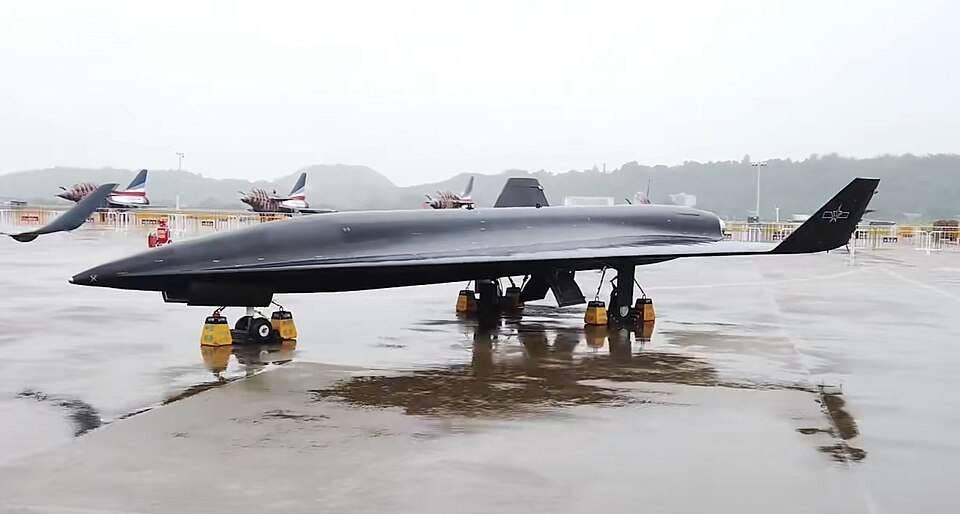
1. Mastery of the EV and Drones as the Foundation
For instance, Chinese companies like BYD, which aims for over 60% share of world sales, manufacture 75% of components-from batteries to semiconductors-in-house, vertically integrating the processes to bring down the cost and shrinking iteration cycles. Similarly, the concentrated development of manufacturing, dominated by DJI’s 70% share of the world market, has refined lightweight composite construction and autonomous control systems, including distributed propulsion architectures-skills that are directly transferable to electric vertical takeoff and landing aircraft.
2. Breakthroughs in Mass Production
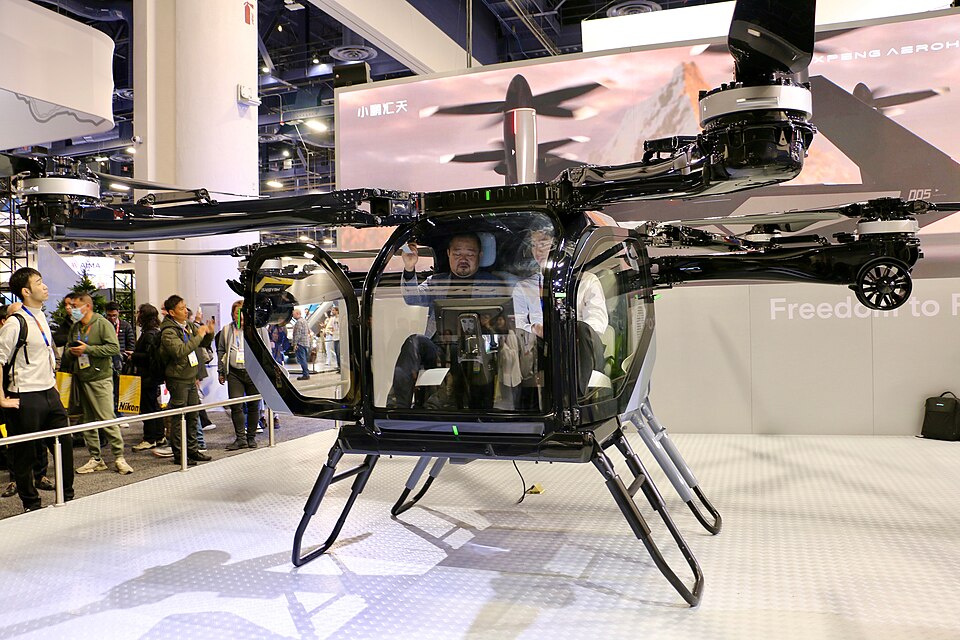
Aridge is XPeng’s flying car division operating the world’s first intelligent flying car factory in Guangzhou. The 120,000 m² facility integrates five specialist workshops: composites, propulsion, assembly, painting, and final integration capable of producing one aircraft every 30 minutes. The “Land Aircraft Carrier” is a modular system that combines a six-wheeled ground vehicle with a detachable six-rotor aerial module. Automated traceability, cold-connection fuselage assembly, and cloud-based calibration of the autonomous flight controls reflect automotive manufacturing efficiencies adapted for aviation-grade tolerances.
3. Battery Technology for eVTOL Demands
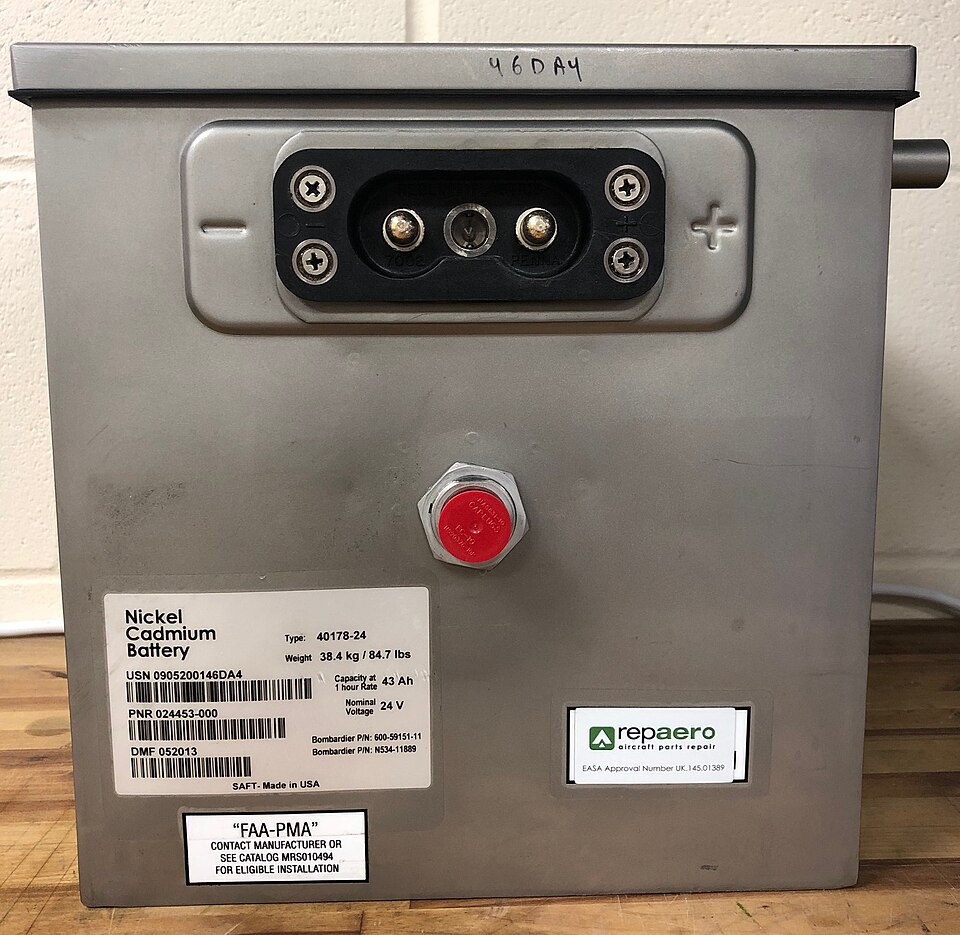
eVTOLs use about 65 kWh per 100 km-nearly four times that of EVs-and need high discharge rates of 2-3 °C plus broad temperature tolerances from -40°C to 60°C. The target of the CATL aviation-grade battery program is an energy density of 500 Wh/kg for ranges of up to 200 km and intercity viability. Research from Chao-Yang Wang’s team has already shown 271 Wh/kg lithium-ion cells capable of 2,000 fast-charge cycles and 5-10 minute recharge times using their previously reported embedded nickel foil for rapid self-heating to prevent lithium plating.
4. Propulsion Architecture and Efficiency
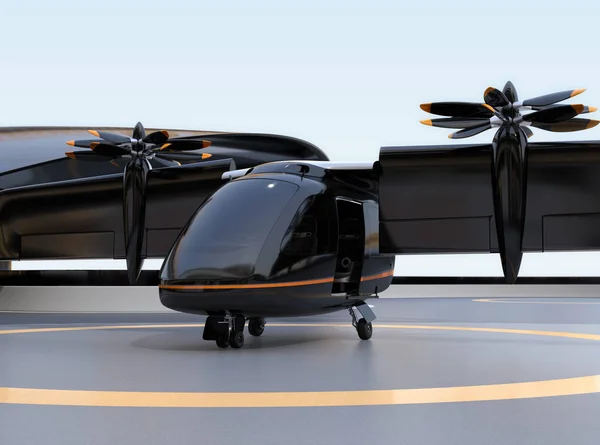
This has led the Boston Consulting Group to conclude that for missions under 200 km, battery-electric VTOLs are also the lowest cost. Distributed propulsion-a number of much smaller rotors distributed across the airframe-offers redundancy, reduced noise, and superior lift-to-drag ratios, which allow safe mission completion despite multiple propulsor failures-a crucial step in ensuring safety within urban air mobility.
5. Regulatory Velocity
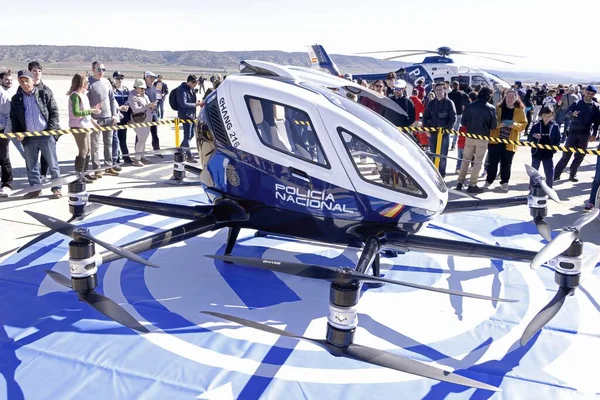
CAAC certified the EHang EH216-S in a very short period in relation to FAA timescales: 31 months and 40,000 test flights compared with FAA timelines of 5-7 years. So far, the approach from CAAC has been to certificate simpler autonomous designs first, which can build up operational data before taking on more complex piloted designs. In 2024, National Airspace Classification Guidelines laid out clear low-altitude zones of Class G below 300 m and Class W below 120 m in order to ease the approval process for urban operations.
6. Infrastructure Buildout
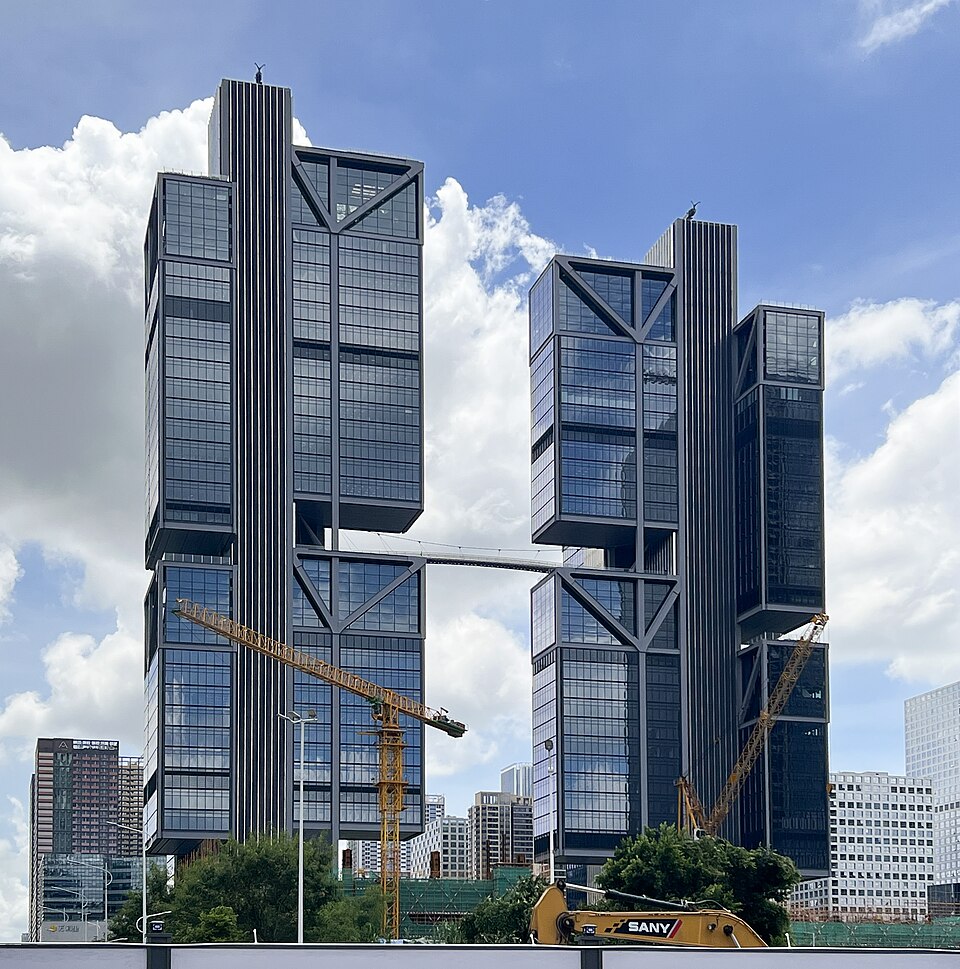
Shenzhen’s “City of the Sky” program envisages more than 1,200 vertiports by 2026, with AI-driven airspace management systems such as UTMISS and SILAS that integrate navigation, surveillance, and communication to support flight services over more than 80,000 5G-A base stations and enable automated flight approval and dynamic allocation of routes. Over 750 vertiport projects are currently under development across the country, representing close to half of all planned global vertiports.
7. Commercial Models and Economics
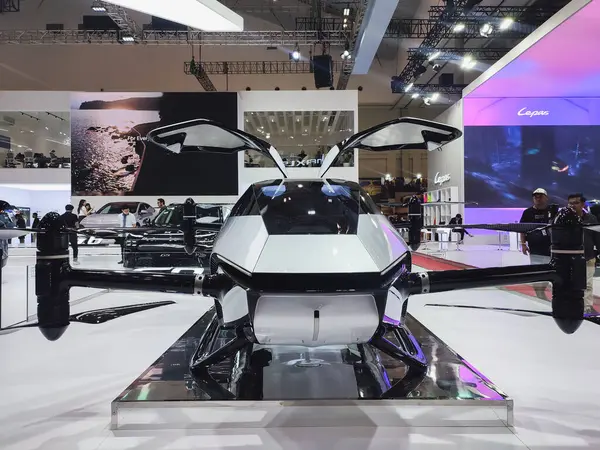
EHang targets air taxi prices to be at parity with premium road taxis, pricing $150-200 per passenger for routes such as city-to-airport. Operating costs are $250-400 per flight hour, with 4-5 passengers per trip required to break even. Due to subsidies by governments, infrastructure investments, and demonstration funding, EHang was able to report adjusted profitability in Q2 2025.
8. Market Segmentation and Adoption Path
BCG estimates that by 2040, China’s manned eVTOL market will be US$41 billion in size, of which 55 percent value will come from personal aircraft. Tourism applications, which should benefit especially from low noise and flexible routing, could reach US$800 million annually. In addition, training and rental markets will add another US$1 billion. With fewer infrastructure and regulatory challenges relative to the personal applications, commercialization of personal eVTOLs can be scaled in 1–2 years. Full commercialization for mobility eVTOLs will take 3–5 years.

9. Global Expansion Challenges
International growth also faces certification complexity, localized infrastructure requirements, and export scrutiny. Even under bilateral agreements, FAA and EASA approvals can take at least three years. Emerging markets-with their lack of entrenched road networks-offer leapfrog opportunities, with vertiports costing magnitudes less than highways. Chinese manufacturers are well-positioned for early dominance. The combination of EV supply chain strength, drone expertise, and rapid regulatory adaptation makes China singularly prepared as a launchpad for commercialization. Engaged in mass production, poised for battery breakthroughs, and scaling infrastructure at “China Speed,” the low-altitude economy in this country is not just taxiing but is accelerating toward leadership in vertical mobility globally.


