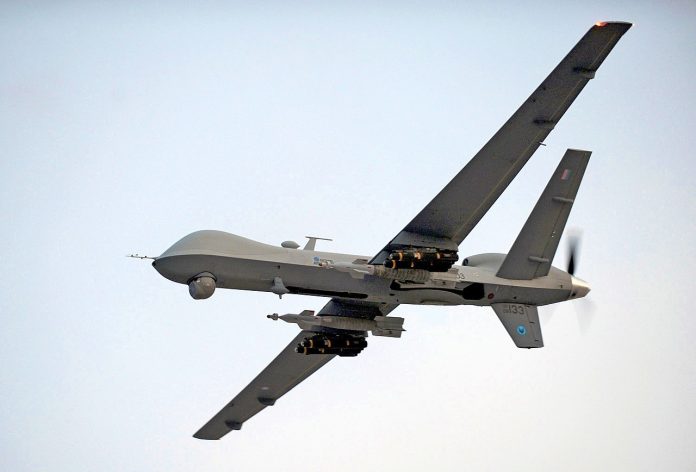
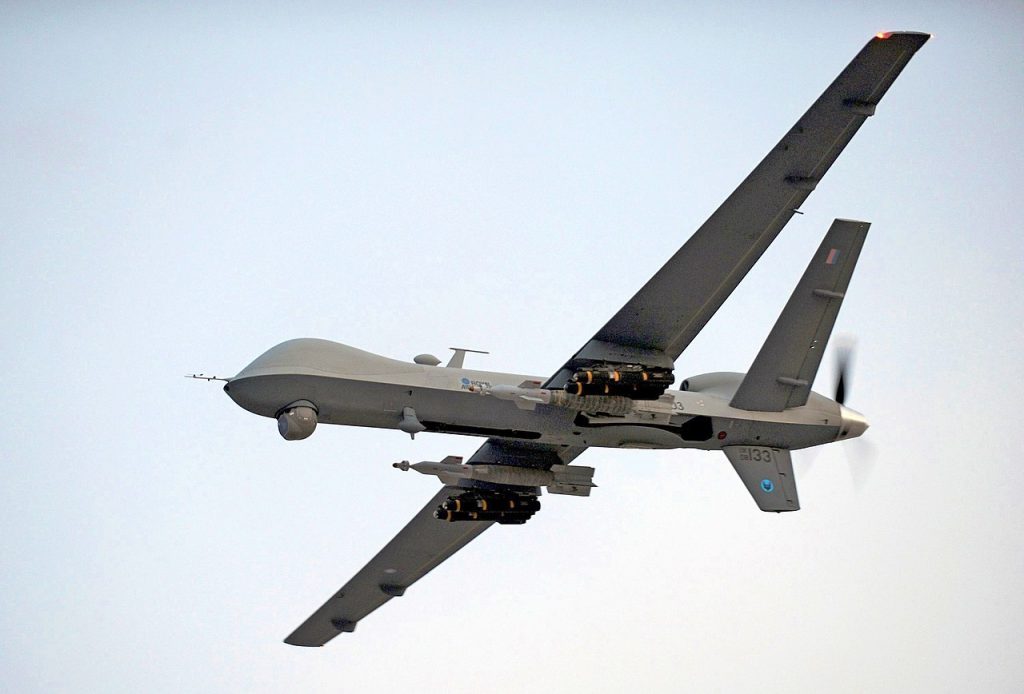
Russian forces are now achieving battlefield effects once thought impossible without manned aircraft-and they are doing it with drones. In 2025, Ukrainian front-line units report that unmanned systems strike supply lines, disrupt troop rotations, and even neutralize fortified positions far behind the front. This is not a marginal change; it is a transformation in operational art that has altered the tempo and nature of combat across eastern Ukraine.
What started as ad hoc usage of quadcopters and loitering munitions developed into an integrated industrial-scale drone campaign. It is underpinned by Chinese components, integrated into new military branches, and constantly refined through adaptation. Russian drone warfare has become one of the central pillars of Moscow’s battlefield strategy. The following nine developments capture the most significant shifts in how these systems are deployed, the technologies enabling them, and the strategic dilemmas they pose.
1. Establishment of Russia’s Unmanned Systems Forces
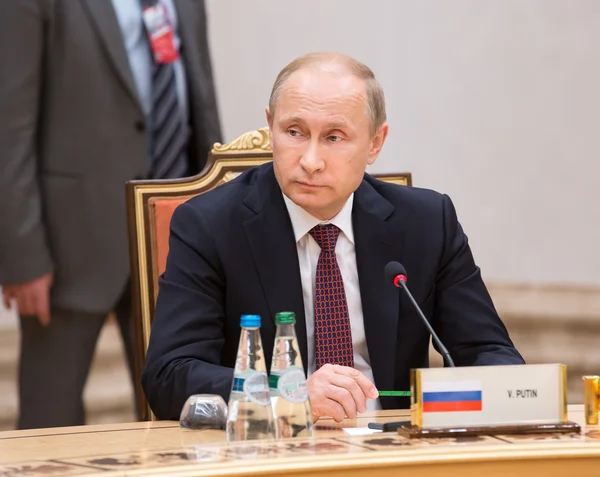
In December 2024, President Vladimir Putin ordered the creation of a specialized branch for drone warfare-the Unmanned Systems Forces, USF. Lt. Col. Sergei Ishtuganov told KP.Ru that regiments, battalions, and specialist units have been established, manned by operators, engineers, and EW technicians. This is parallel to Ukraine’s own USF but with a drive toward centralized coordination. The remit of the USF runs from aerial, ground, and naval drones, with combat testing closely tied to the manufacturers. The USF seeks to solve chronic issues of uneven supply and misuse of UAV pilots by integrating top-performing personnel and standardizing procedures, thus positioning itself as a force multiplier in contested sectors like Pokrovsk.
2. The Rise of the Rubicon Drone Units
The Rubicon Center for Advanced Unmanned Technologies represents the spearhead of Russian innovation. Initially deployed to blunt Ukraine’s Kursk incursion, Rubicon units have demonstrated an ability to cut supply lines 40-70 km from the front-line positions that until then would have been required to be reached by manned aircraft. According to Michael Kofman from the Carnegie Endowment, Rubicon formations do not just operate drones but also train other units, thereby diffusing advanced tactics. Adoption of fiber-optic-controlled drones that cannot be jammed has brought them a decisive advantage against Ukrainian logistics and drone operators. Now Kyiv has to hunt the Rubicon forward bases with precision strikes.

3. Partial Battlefield Air Interdiction
The Russians adapted tactical FPV and loitering munitions to strike deep into the near rear of Ukraine, creating partial BAI effects. Attacking highways such as the T0514 and T0515 provides fire control of terrain without having to seize it physically. According to Ukrainian Donetsk Oblast head Vadym Filashkin, drones “fully control” key routes, which complicates humanitarian and military supply. These interdiction effects slow reinforcements, stretch logistics, and mirror the operational impact of traditional airpower at a fraction of the cost.
4. Technological Innovations of UAVs
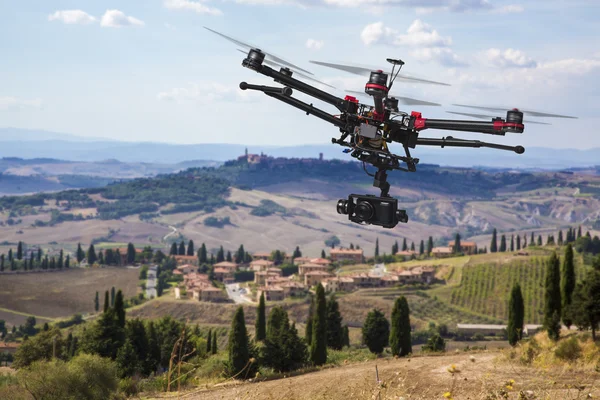
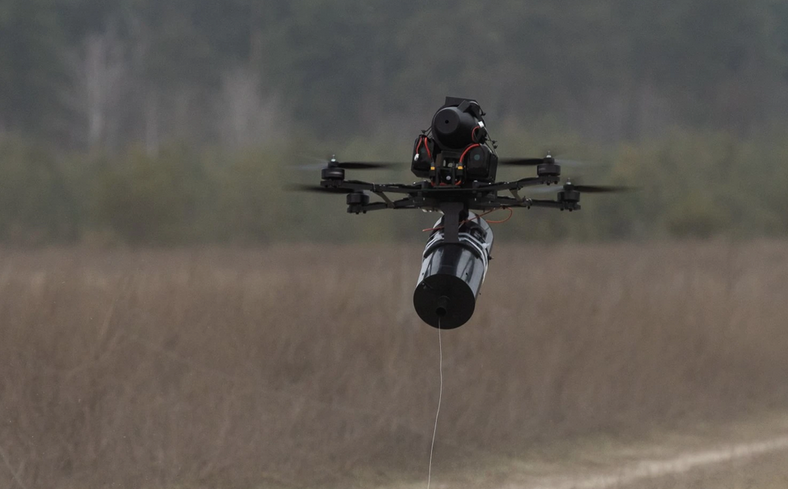
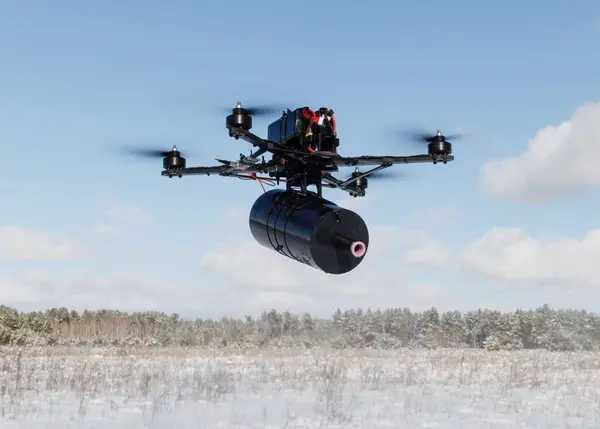
Developers in Russia have fielded repeater drones to extend FPV ranges out to 50 km, integrated AI/machine learning for autonomous navigation, and taken up fiber-optic tethered systems resistant to EW. Other modifications allow thermobaric warheads to destroy entrenched positions, while “sleeper” drones with hibernation modules can lay in wait for weeks before striking. Such developments have thus enabled the Russian forces to operate in previously challenging environments such as forested terrain and to conduct complex multi-UAV strike packages.
5. Coordinated UAV Tactics
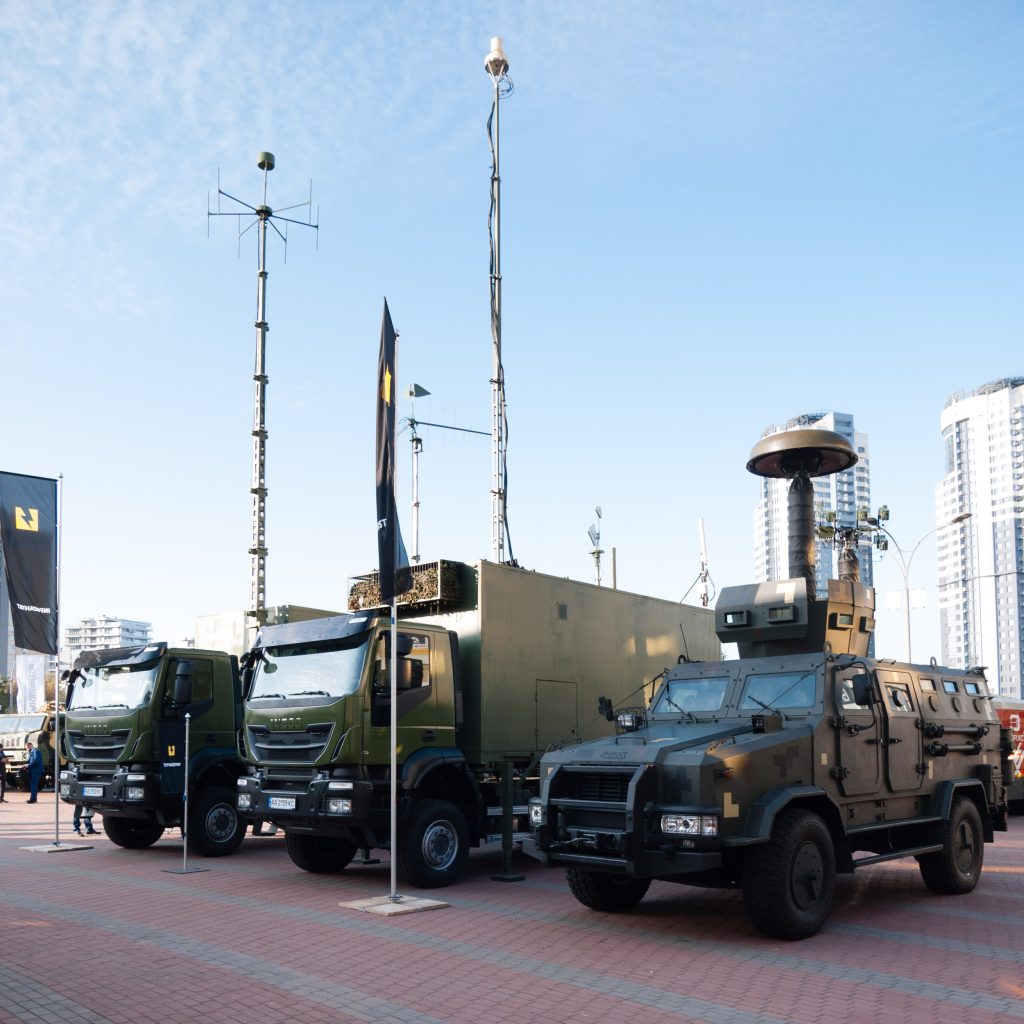
Beyond mere individual capabilities, Russian units now utilize combined UAV tactics: fiber-optic drones to neutralize Ukrainian EW before FPV strikes, Mavic quadcopters against infantry, and Molniya drones against armored vehicles. Sometimes, reconnaissance UAVs become repeaters to extend strike ranges out to 300 km. This harmonizes the drone strikes with small-unit assaults in layered threats that break through Ukraine’s “wall of drones” defenses and exploit poor weather to infiltrate positions.
6. Chinese Support to Russian Drone Production
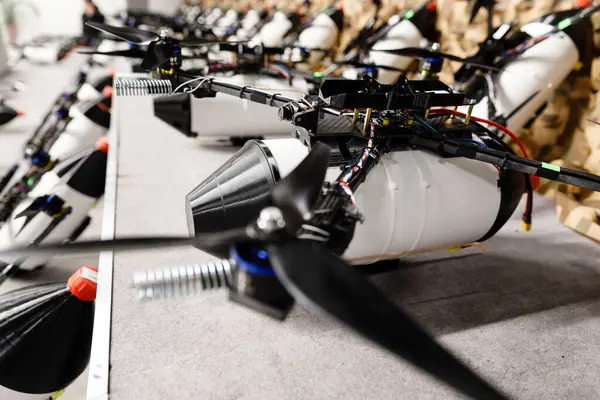
According to Oleh Aleksandrov, a spokesman for Ukraine’s Foreign Intelligence Service, manufacturers from China provide critical components of the drones, which range from optics and navigation to engines and microcircuits. Such enablement allows Russia to manufacture up to two million small tactical UAVs per year, with added advanced features such as AI guidance. The PRC firms have even developed 50 km fiber-optic coils for extended-range tethered drones, underlining the international dimension of Russia’s drone capacity.
7. Weather-Enabled Infiltration Tactics
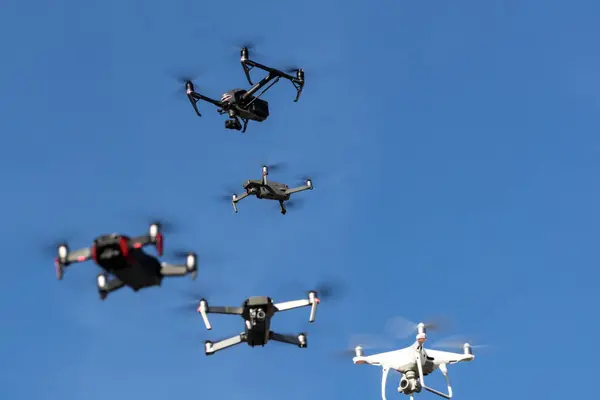
Poor visibility enables Russian units to make use of fog, rain, and low cloud cover in order to bypass Ukrainian aerial surveillance. Anatolii Tkachenko of Ukraine’s 92nd Assault Brigade described enemy teams that during poor visibility appeared “eight to ten kilometers deep in our rear.” It grounds the drone-heavy defense of Ukraine, allowing the Russian forces to resupply, rotate, and send their members into urban areas in civilian dress. As analyst Mick Ryan calls it, this “1,000 bites” approach probes for gaps and uses precision strikes to widen breaches.
8. Long-Range Strike Integration
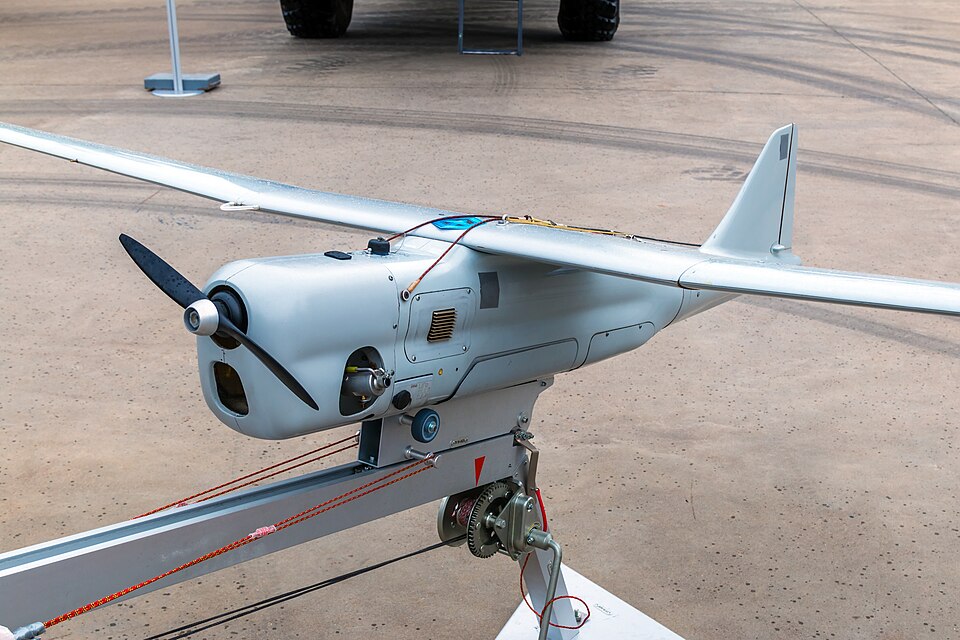
Ukraine’s deep-strike campaign has provoked a Russian countermeasures response, but Moscow also uses drones to facilitate missile strikes against training grounds and infrastructure. Reconnaissance UAVs like the Orlan-10 are target acquisition means for Iskander strikes, making the near-rear more transparent. This integration of UAV ISR with long-range fires reflects a shift toward continuous strike-counterstrike adaptation, where successful techniques can become obsolete within weeks.
9. Strategic Implications and Western Lessons
This saturation of drones within 15 km of the front line has effectively made vehicle movement impossible, and infantrymen have been forced to march for very long distances. Overlapping Russian advantages in manpower, standardized drone models, fiber-optic systems, and better C2 make this incident the first time in this war that so many asymmetries favor Moscow. The lesson for the Western militaries is twofold: rapid adaptation cycles are imperative, and counter-drone measures must be integrated into maneuver doctrine in order to preserve operational tempo in a drone-dominated battlespace.
Drone warfare in Ukraine has evolved beyond improvisation to a structured and technologically advanced battle campaign that can reshape battlefield dynamics. From institutional reforms such as the USF through tactical innovations in fiber-optic drones, these developments have gradually eroded Ukraine’s maneuver possibilities and defense sustainability. Perhaps the takeaway for observers and planners is that unmanned systems are no longer peripheral implements in the conduct of war; rather, they assume a central place in modern combat-that requires similarly more sophisticated countermeasures and doctrinal evolution.


