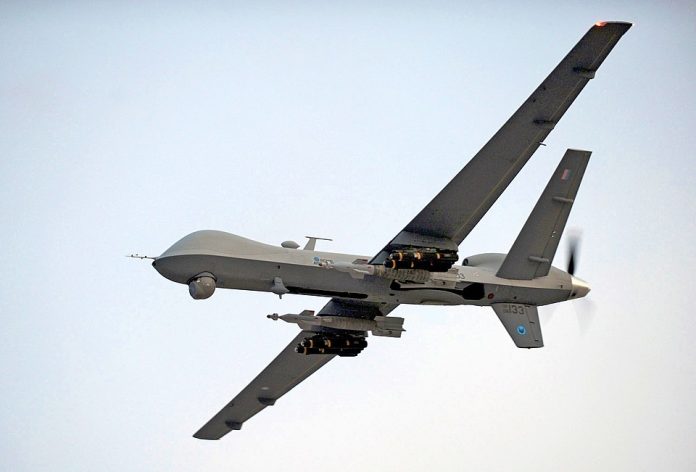
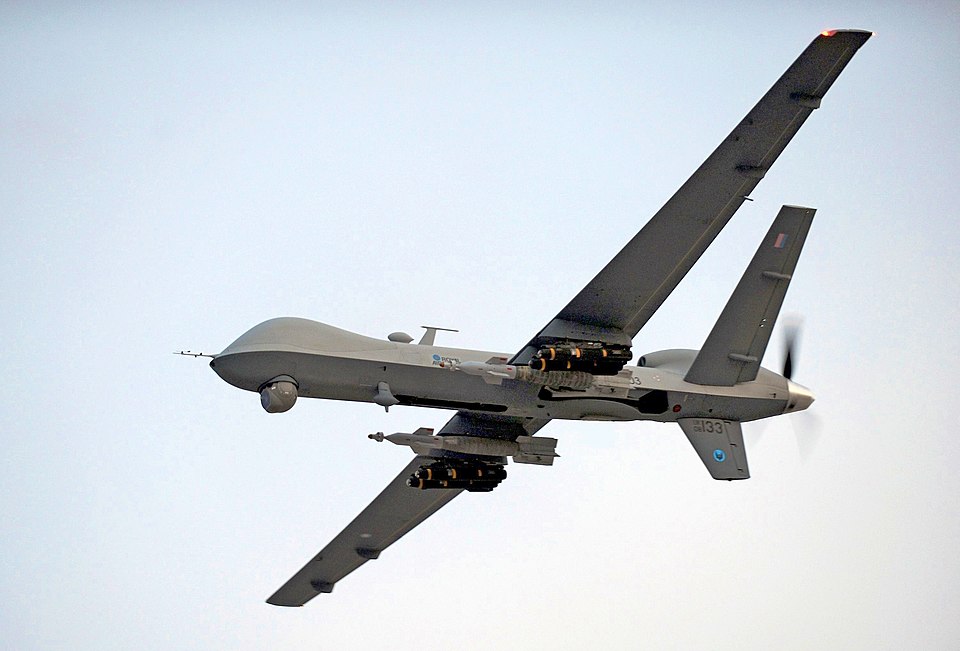
“Today, we opened the door to a new era in aviation history,” said Selçuk Bayraktar after Türkiye’s Bayraktar Kizilelma unmanned fighter executed the world’s first confirmed beyond‑visual‑range air‑to‑air missile strike by a UCAV. For decades, long‑range kills from the air were the domain of manned fighters this single test shattered that paradigm.
It wasn’t a publicity stunt the Sinop campaign was an elaborately choreographed crewed-uncrewed operation, with the five Turkish Air Force F-16s complemented by the Bayraktar Akıncı UCAV and the Kizilelma armed with a Gökdoğan missile. The unmanned jet detected, tracked, and destroyed a high-speed target drone using its indigenous MURAD AESA radar, demonstrating a fully sovereign kill chain from sensor to effector.
Rather than a technological milestone, this achievement points to a doctrinal shift towards mixed formations where unmanned fighters take on high‑risk roles, alter regional airpower balances, and open new avenues for Türkiye’s defence export potential. Below are the nine key breakthroughs of this historic engagement:
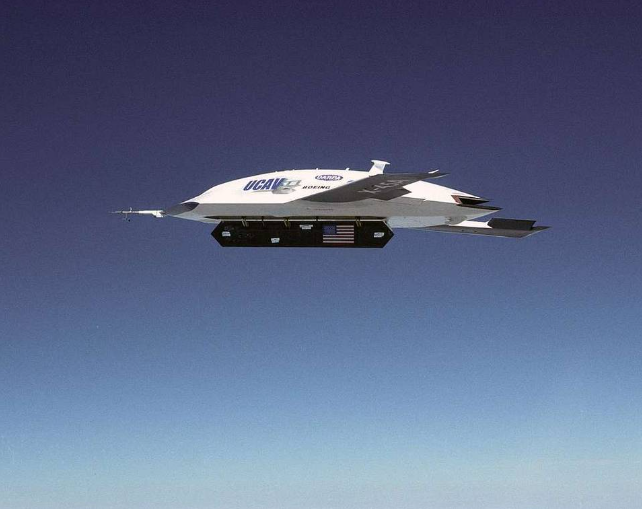
1. First-Ever Live BVR Kill by a UCAV
The Sinop test marked the first time a jet‑powered unmanned combat aircraft physically destroyed a target at beyond‑visual‑range using a radar‑guided missile. Kizilelma’s Gökdoğan launch was cued by its onboard MURAD AESA radar the missile scored a direct hit on a jet‑powered drone. This moved the platform from simulated engagements-such as the November 2025 virtual F‑16 kill-to a proven live‑fire capability, a leap few nations have demonstrated with unmanned systems.
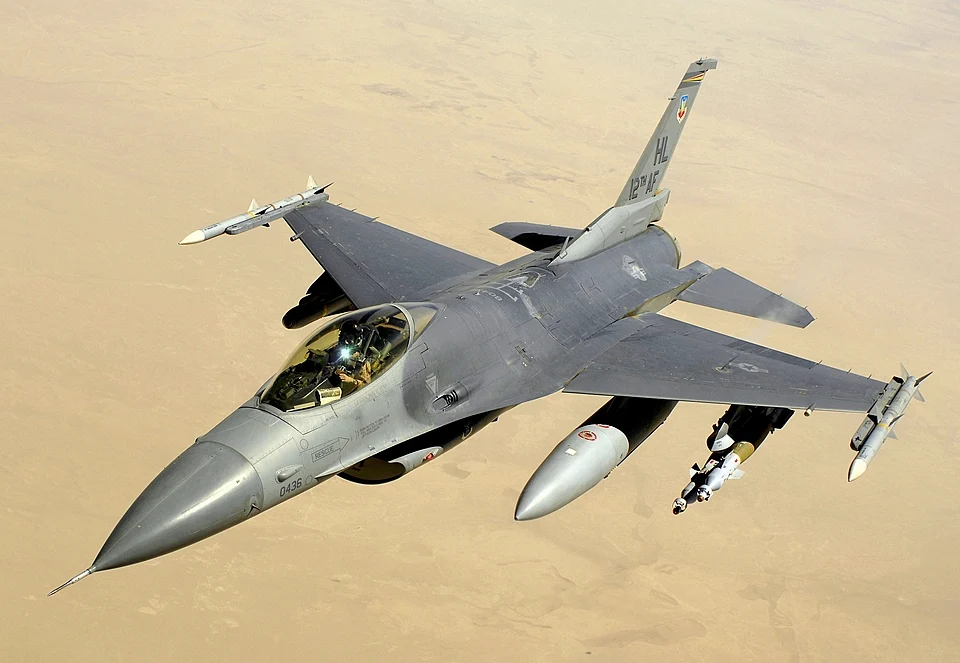
2. Integration of Indigenous Kill Chain
The engagement entailed indigenously developing each critical subsystem: Baykar’s low‑observable UCAV, ASELSAN’s MURAD radar, TÜBİTAK SAGE’s Gökdoğan missile, mission computer, and secure data link. This integration removes dependence on foreign export permissions and sanctions‑prone components. The radar‑to‑missile chain had been validated in earlier F‑16 tests and now proven on an unmanned fighter, underlining Türkiye’s sovereign air combat architecture.
3. Manned–Unmanned Teaming Demonstrated
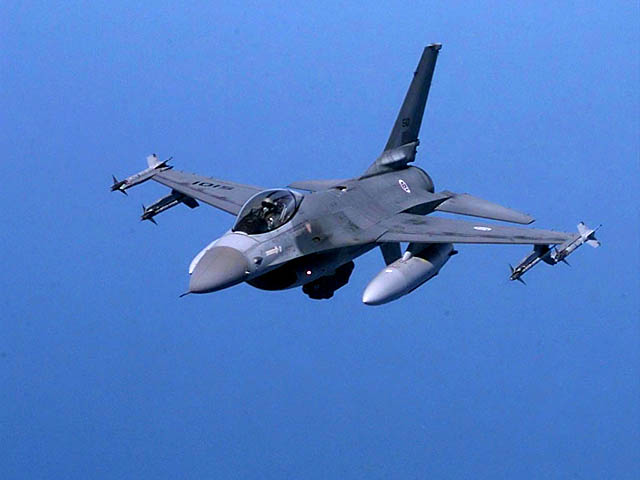
Five F‑16s flew in formation with Kizilelma, rehearsing future mixed formations. One F‑16 carried Bayraktar in the rear seat to oversee operations while Akıncı filmed from above. That validated the aerodynamic compatibility and secure communications and tactical coordination of crewed and uncrewed assets-the essence of the sixth‑generation concepts in which loyal wingman UCAVs extend sensor reach well ahead of, and engage threats before, manned fighters.

4. MURAD AESA Radar Performance
The Murad 100‑A radar uses GaN technology to provide wide‑band, electronically steered beams, air‑to‑air and air‑to‑surface modes executed simultaneously, and tracking of several targets. During the Sinop test, the radar detected, tracked the target drone, and provided midcourse guidance to the missile. Its low probability of intercept profile and ECCM resilience make it suited to operation in contested electromagnetic environments, while its integration onto Kizilelma follows earlier deployments on Akıncı and upgraded F‑16s.
5. Gökdoğan Missile Capability
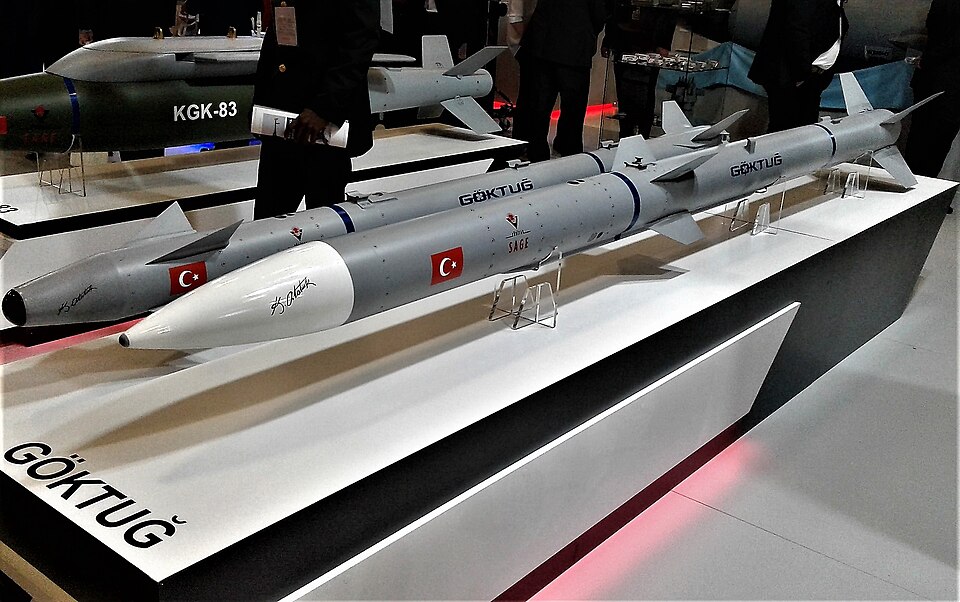
Resulting from the developments under the GÖKTUĞ program, the active-radar-guided BVR missile known as Gökdoğan features lock-on-after-launch, mid-course updates via a data link, and a range of over 65 km. Its performance is in parity with that of the AIM-120 family: direct-hit accuracy has already been realized in both manned and unmanned tests. Upcoming variants are to push the ranges beyond 180 km.
6. Carrier-Capable, Low-Observable Design
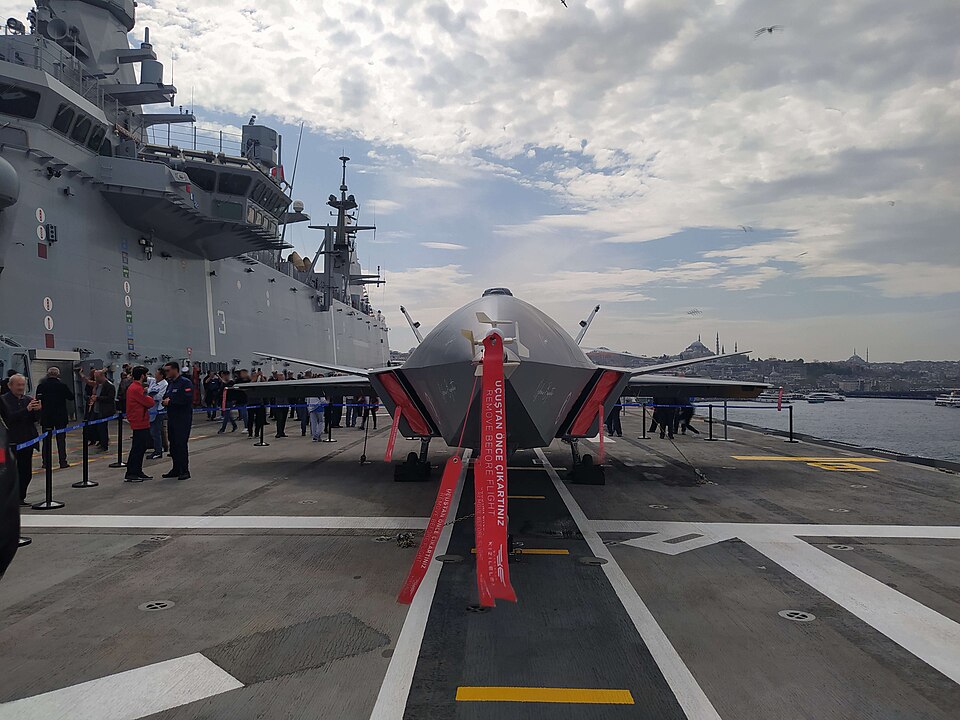
Key stealth features of the aircraft include an 8.5‑tonne airframe, internal bays for weapon carriage, carbon‑fibre construction, radar‑absorbent coatings, and a blended fuselage. It has been designed to operate from short‑runway vessels such as the TCG Anadolu it therefore has reinforced landing gear and an arrestor hook for STOL recovery. These enable deployment from expeditionary strips or carriers, allowing maritime patrol, fleet defence, and anti‑ship strike missions.
7. Aggressive Development Schedule
Concept work started in 2013, with public design images shown in 2021 and a maiden flight in December 2022. Less than three years later, Kizilelma has completed envelope expansion, manned-unmanned formation flights, radar integration, simulated kills, and now live BVR firing. This is among the best paces for any UCAV program worldwide and reflects Baykar’s vertically integrated development and funding model, dependent on export revenues rather than state budgets.

8. Strategic and Geopolitical Impact
An operational Kizilelma complicates the air planning of neighbours in the Aegean, Eastern Mediterranean, and Black Sea. It adds an unmanned dimension to deterrence patrols and SEAD missions. From the industrial perspective, future coproduction with Italy’s LBA Systems will enable EU-based assembly for NATO customers-a positioning that in turn embeds Kizilelma within a broader alliance mix of airpower. This then strengthens Türkiye’s status as an exporter of integrated combat systems.
9. Path to Sixth-Generation Air Combat:
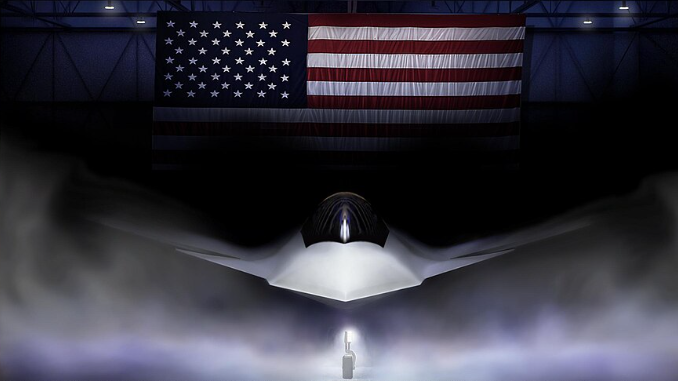
Kizilelma forms part of the vision for networking TF Kaan fighters, Anka‑3 UCAVs, and other assets via Indigenous Flight Datalink and stealth communications. In this architecture, Kizilelma plays the role of a high‑speed unmanned shooter, undertaking BVR engagements, electronic attack, or deep strikes under manned control. The Sinop firing proves one of the core building blocks of this ecosystem now exists in operational form.
The Sinop test was more than a weapons trial it was a declaration that unmanned fighters can now contest the air domain at long range with indigenous systems. Fusing the attributes of stealth design, advanced sensors, and sovereign missiles into a coherent kill chain, Türkiye has set up Kizilelma at the leading edge of unmanned air combat. To the defence planners as well as to industry, the message is clear: in future air wars, the killer shot could well be fired by a loyal wingman sans cockpit.


