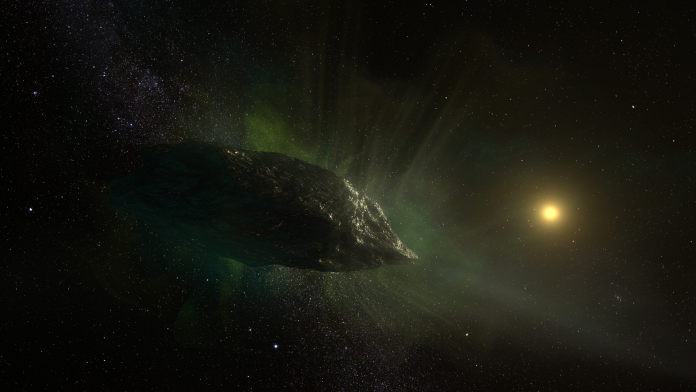
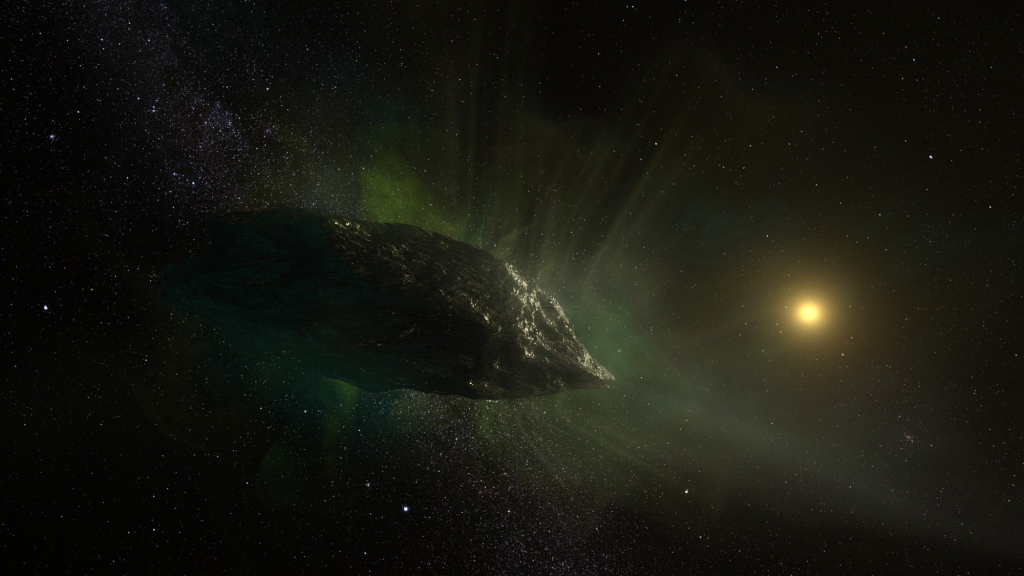
A thought-provoking quote by Avi Loeb frames the current scientific impasse: “Science should not reject potential extraterrestrial explanations because of social stigma or cultural preferences that are not conducive to the scientific method of unbiased, empirical inquiry.” The unresolved questionwhether 3I/ATLAS is a natural comet or a technological artifacthas become entangled in politics, bureaucracy, and the limits of current observational capabilities.
1. The Interstellar Enigma
3I/ATLAS was discovered on July 1, 2025, by the ATLAS survey in Chile and is the third confirmed interstellar visitor after 1I/‘Oumuamua and 2I/Borisov. Its trajectory is hyperbolic, which means that it will never return; this brief passage thus provides the opportunity to study material originating from beyond the Solar System in unprecedented detail. Early spectroscopic observations showed that its coma is dominated by carbon dioxide, with very little water vapor, a very unusual composition at ~3 AU from the Sun, either pointing to exotic ice chemistry or extended cosmic-ray processing in the interstellar medium.
2. Non-Gravitational Acceleration and Jet Physics
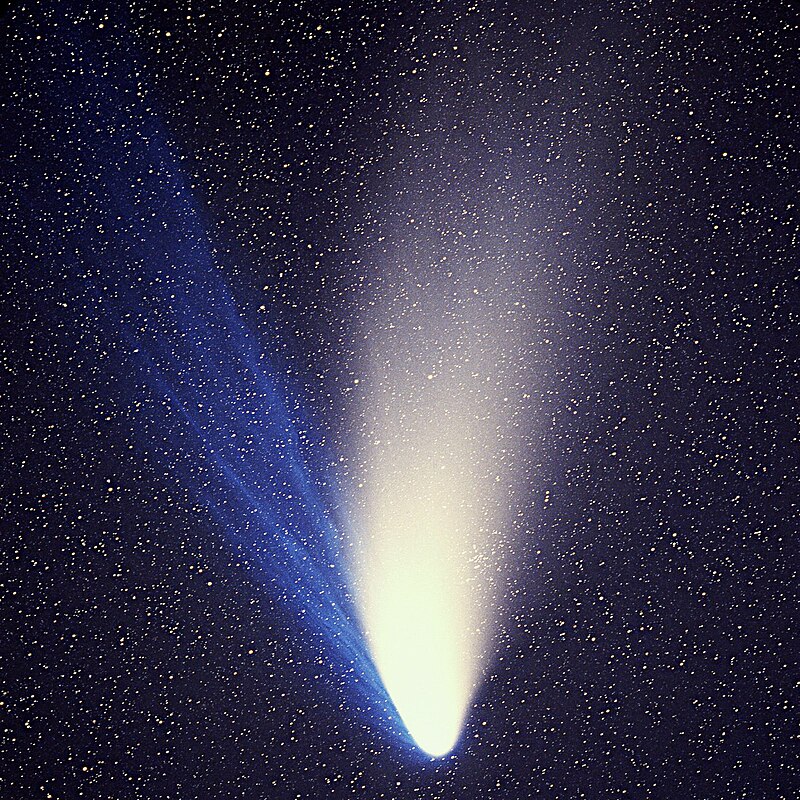
Observations by NASA’s JPL navigation engineer Davide Farnocchia show radial acceleration away from the Sun to be 135 km/day² and transverse acceleration of 60 km/day². These are characteristic forces due to cometary outgassing, although they could also be due to directed propulsion. Harvard’s Avi Loeb estimated such acceleration is indicative of the ejection of approximately one-sixth of the object’s mass over months, a plume potentially exceeding five billion tons of gas. The positional deviation measured with the Atacama Large Millimeter/submillimeter Array was four arcseconds, statistically significant enough to deserve deeper scrutiny.
3. HiRISE Imaging Capabilities
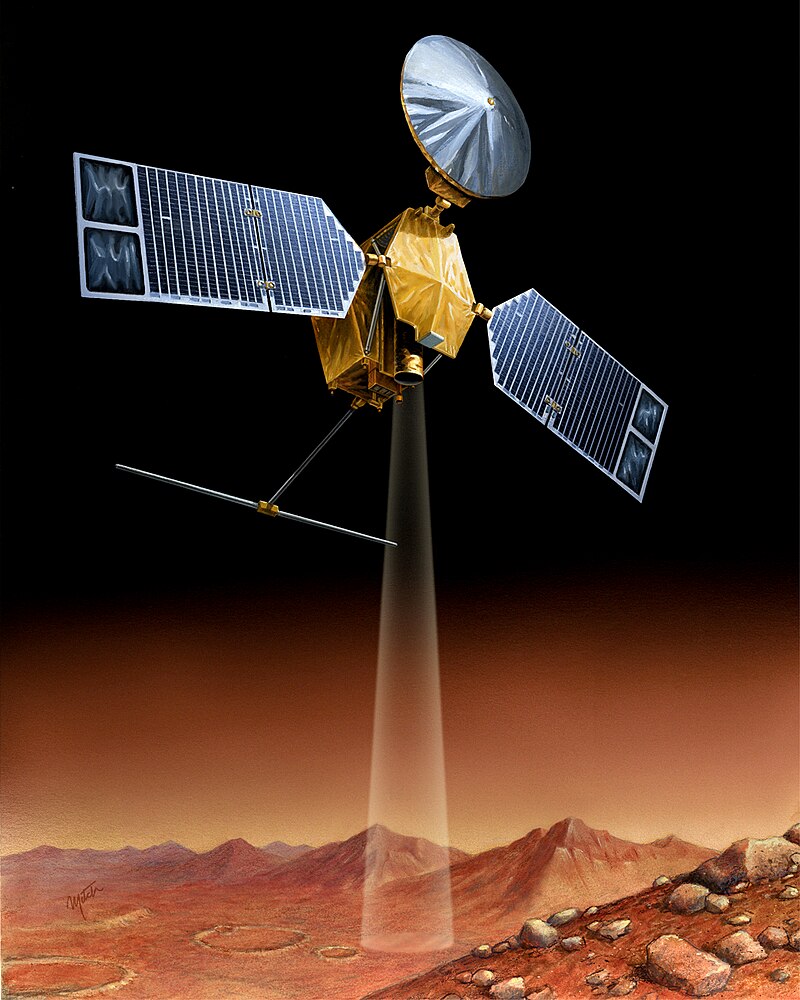
NASA’s Mars Reconnaissance Orbiter, with the High Resolution Imaging Science Experiment (HiRISE) camera, captured images of 3I/ATLAS from the side at 30 km/pixel resolution during its 29 million km flyby of Mars in early October. HiRISE’s designoptimized for planetary surfacesstill allows detection of faint, fast-moving targets, offering constraints on nucleus size and morphology three times sharper than Hubble’s July data. Yet those images remain unreleased due to the government shutdown, prompting Representative Anna Paulina Luna to demand their immediate publication, arguing that “scientific knowledge should not be second in priority to bureaucracy.”
4. International Imaging Efforts
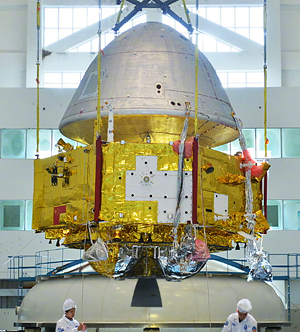
While NASA’s data sits locked, China’s Tianwen-1 orbiter used its HiRIC camera to capture the comet’s nucleus and coma, several thousand kilometers across. The European Space Agency’s Mars Express and ExoMars TGO also secured perihelion imagery. These datasets, though lower in resolution compared to HiRISE, confirm persistent brightening and unusual coma morphology that is potentially lacking a tail, as noted in November 5 images from Spain’s R. Naves Observatory.
5. Rubin Observatory’s Role
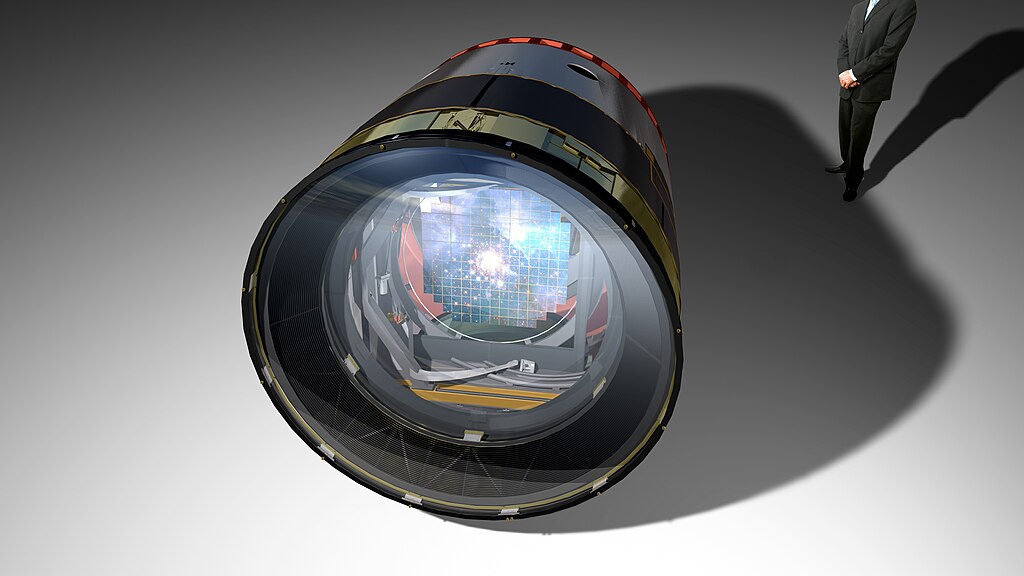
The recently launched Rubin Observatory will shortly provide wide-field, high-cadence optical monitoring of 3I/ATLAS as it recedes from the Sun. Its 8.4-meter Simonyi Survey Telescope and 3.2-gigapixel camera can detect faint fragments or anomalous motion, complementing targeted studies by the Galileo Project’s planned network of twin 25 cm telescopes equipped with high-speed imaging and AI-based filtering.
6. The Galileo Project’s Technosignature Search
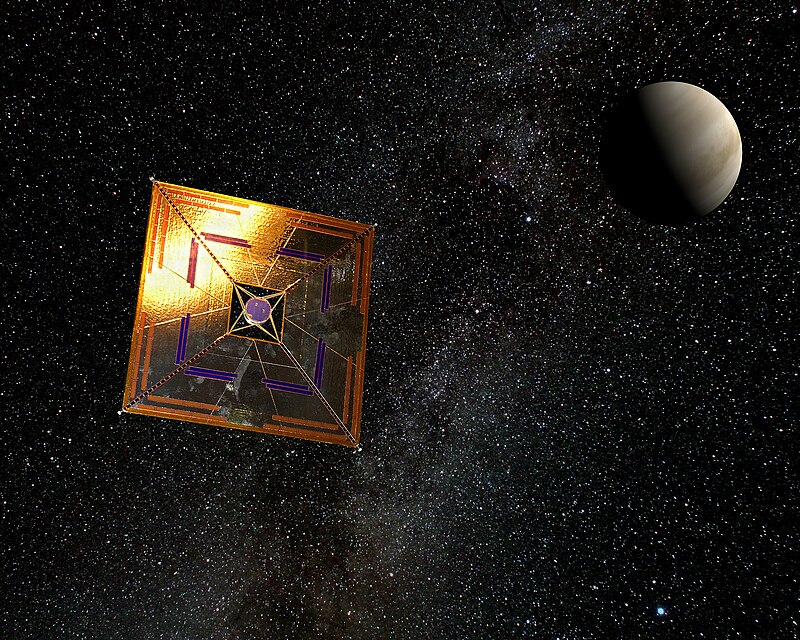
Loeb’s bet with Michael Shermer-undeniable evidence of an extraterrestrial technological artifact by 2030-emphasizes what the Galileo Project is doing in efforts to move technosignature searches into systematic, transparent science. The three research avenues for the project are high-resolution UAP imaging, in-depth study of ‘Oumuamua-like objects, and searches for possible ETC satellites.
7. Political and Institutional Turbulence
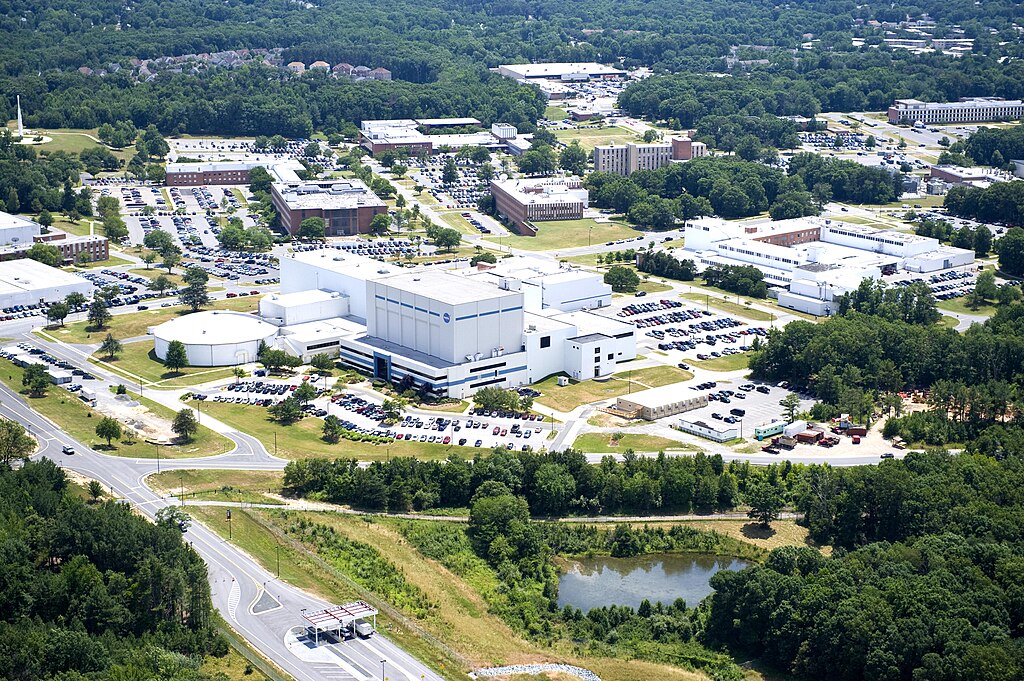
The delay in HiRISE’s data release reflects deeper disruptions at NASA’s Goddard Space Flight Center, where building closures due to the shutdown imperil missions such as the Nancy Grace Roman Space Telescope and Dragonfly. Consolidation plans have already closed facilities such as the ElectroMagnetic Anechoic Chamber critical for spacecraft antenna testing. Staff reductionsover 17% of Goddard’s civil servantsrisk eroding the long-term expertise needed for planetary and astrophysical missions.
8. Scientific Stakes of the Data Lockdown
Without timely HiRISE imagery, scientists cannot refine models on 3I/ATLAS’ jet composition, nucleus size, or possible artificial structures. The brightest pixel in these images may set the most accurate size constraint to date, essential in differentiating between a large natural body and one that is hollow or manufactured. Considering the anomalous brightening of the comet, extremely high nickel-to-iron gas ratio, and possible propulsion-like acceleration, delaying the data inhibits necessary tests of both mainstream and unconventional hypotheses.
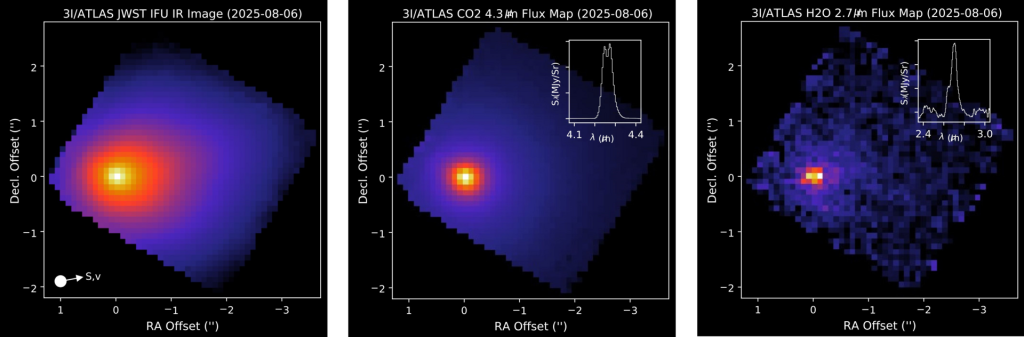
The next observational window opens when 3I/ATLAS’s angular separation from the Sun exceeds 30 degrees, allowing Earth-based telescopes to resume tracking. Whether the forthcoming images confirm a natural comet or hint at an alien probe, the result will depend on high-resolution imaging, spectroscopic analysis, and open scientific collaborationa big assumption, considering the data must finally be freed from bureaucratic limbo.


