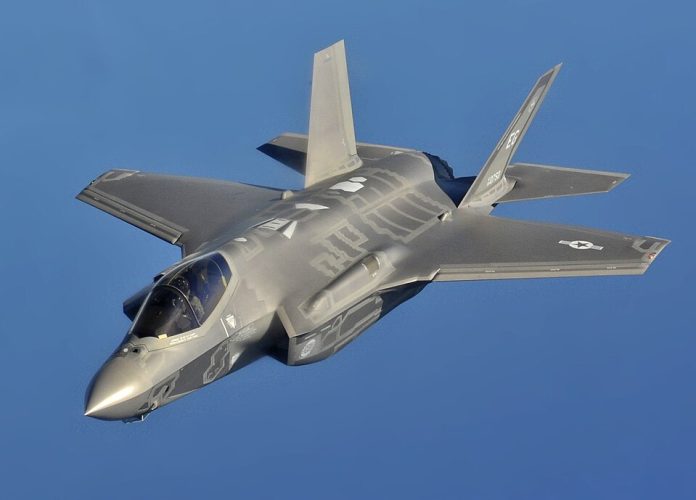
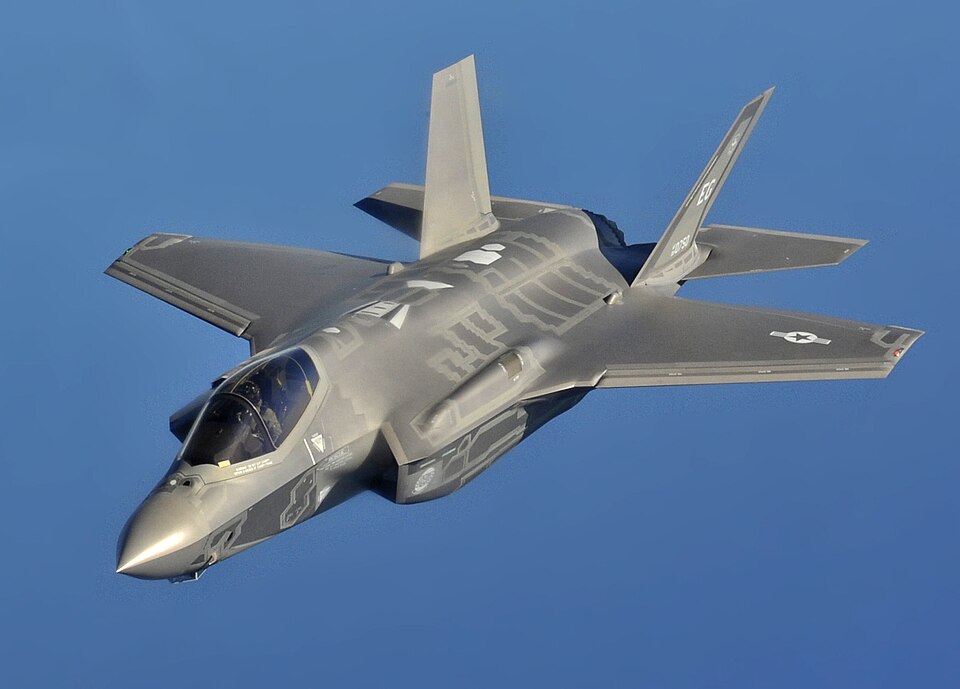
How big can a performance gap get before it becomes politically impossible to ignore? In Canada’s 2021 Future Fighter Capability Project evaluation, the U.S.-built F-35 Lightning II didn’t just edge out Sweden’s Gripen E-it crushed it. The Department of National Defence’s scoring showed a 95% capability rating for the F-35 against just 33% for the Gripen, a disparity that has rippled through Ottawa’s procurement politics ever since.
This wasn’t some abstract academic exercise. The competition weighed the relative merits of each aircraft to defend North America, survive in contemporary combat and evolve over many decades. The findings have informed Prime Minister Mark Carney’s ongoing review of the $27.7 billion F-35 deal, now entangled with alliance politics, industrial promises and a debate over whether Canada should field a mixed fleet. Here are nine key factors explaining why the F-35 emerged as clear winner – and why the Gripen still has influential backers.
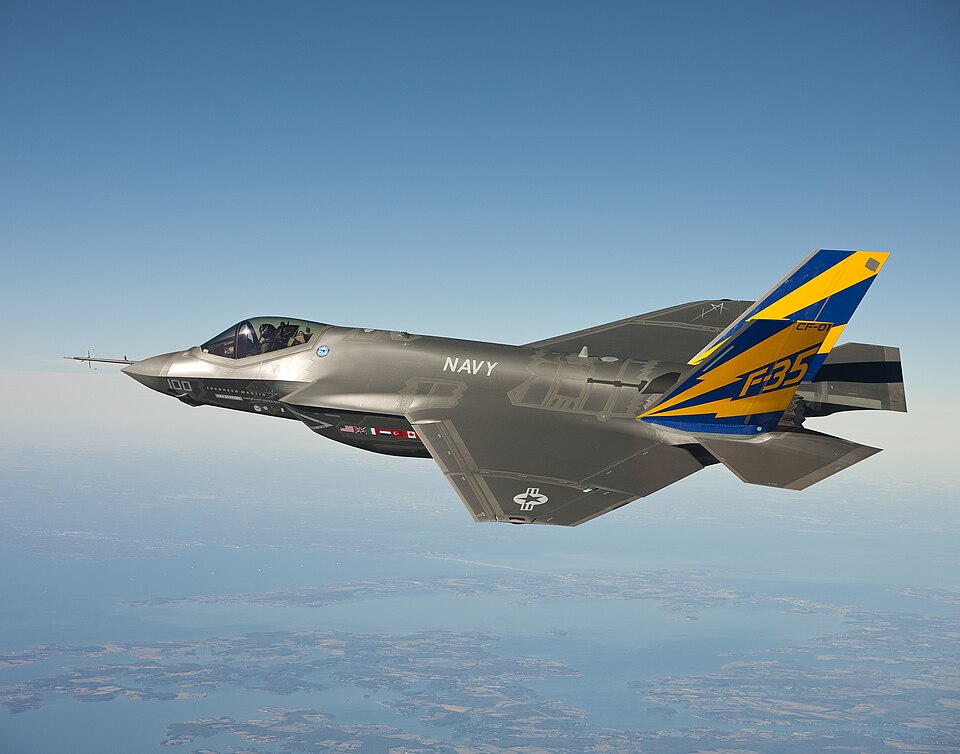
1. Crushing Score in Military Capability
This explains why the 2021 DND evaluation awarded the F-35 an exceptional 57.1 out of 60 points for its supremacy with respect to mission performance, survivability, and upgrade potential. In comparison, the Gripen E scored a meager 19.8 points and came up short in four of the five major categories. Defence expert David Perry characterized the outcome as “a winner by a mile,” emphasizing that the gap was systemic, not marginal. Former RCAF commander Yvan Blondin said the numbers confirmed there was “no real competition” among the contenders once the data was in.
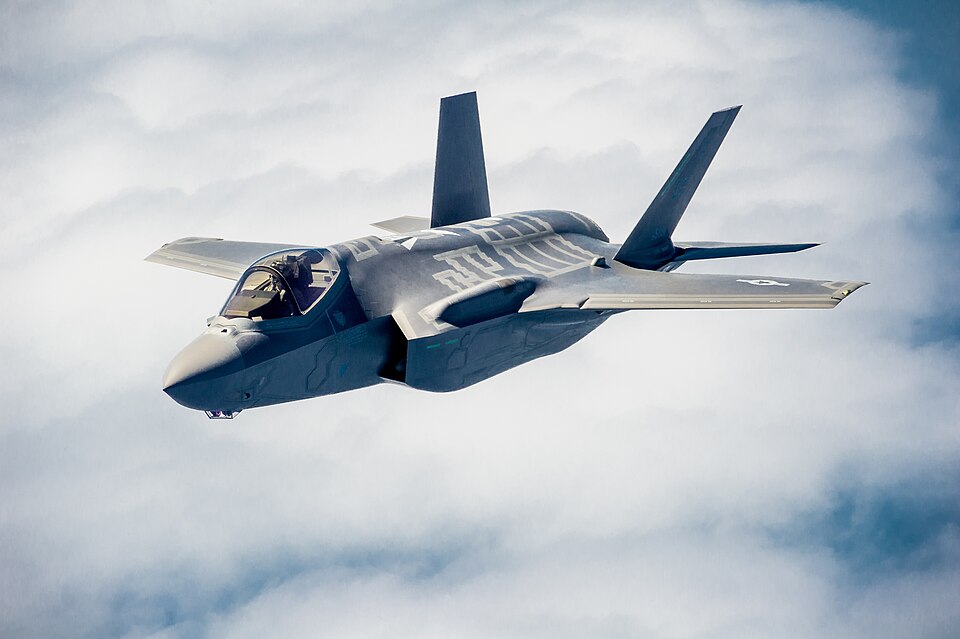
2. Stealth and Sensor Fusion Edge
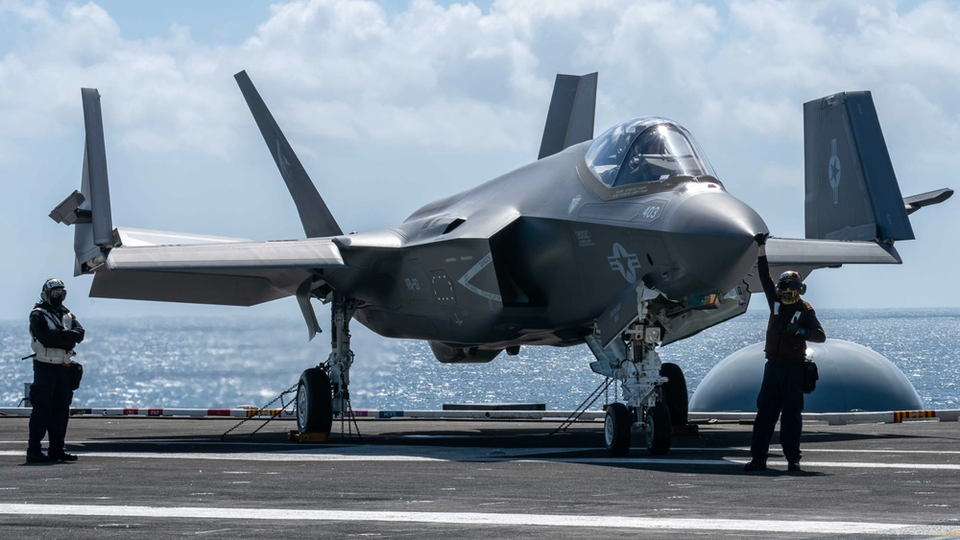
The low-observable design and advanced sensor fusion capability of the F-35 won the day. Pilots, including Chris “Worm” Spinelli, have underlined the fact that its integrated data environment imparts a level of situational awareness hitherto unattained, rendering pilots “true tacticians.” This aircraft is able to consume inputs from multiple domains, declutter those into a coherent battlespace picture, and feed that intelligence across NATO networks-all things the Gripen, for all its modern avionics, cannot do on stealth-critical missions.
3. Upgrade Path and Sixth-Generation Integration
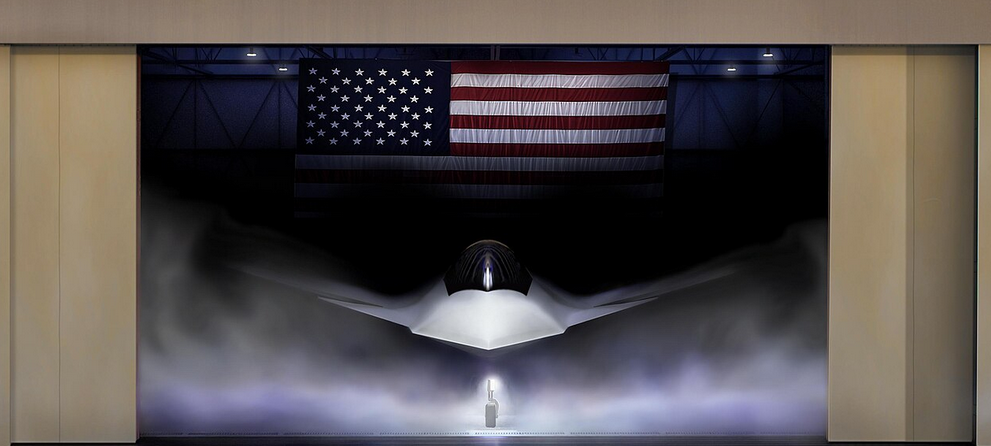
Injecting the sixth-generation technologies into the F-35-including adaptive cycle engines, AI-assisted mission management, and advanced electronic warfare suites-is part of its roadmap. The “Ferrari F-35” would deliver up to 80 percent of NGAD-level capability at far lower cost. Though the Gripen does have open architecture that could allow rapid software upgrades, its airframe lacks the stealth shaping and deep integration potential required by future coalition operations.
4. Industrial Benefits and Political Leverage
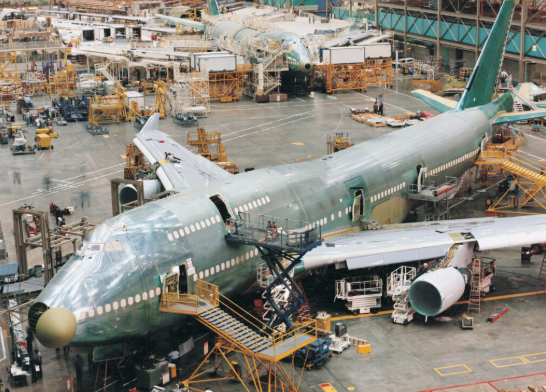
With parts from about 30 domestic suppliers in every F-35 built worldwide, Lockheed Martin estimates more than $15 billion in Canadian industrial value over the life of the contract. Saab counters with promises of 10,000 Canadian jobs through local Gripen assembly, but critics note licensed Gripen production in Brazil employs only about 260 people. The fact that the Gripen depends on US-made engines and avionics also undermines its claims of strategic autonomy.
5. Mixed Fleet Complexity
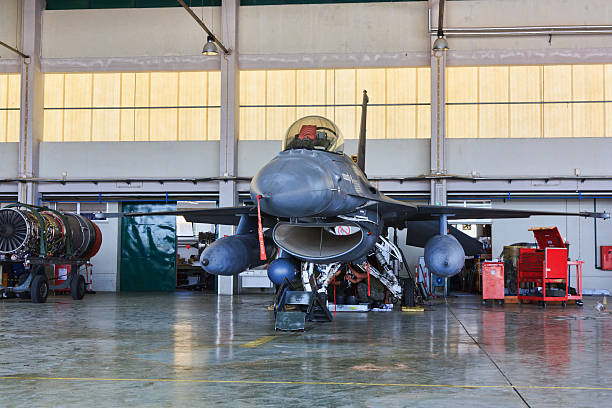
Operating two types of fighters would multiply the training, logistics and maintenance burdens. A 2014 Defence Research Development Canada study cautioned that mixed fleets “will likely result in lower overall capability, at a higher cost.” Blondin has warned that Canada’s limited fighter pilot pool-only about 40-could leave jets parked without crews if a second type were introduced prematurely.
6. Cost Realities Beyond Flyaway Price
Its lifetime cost is estimated to be about $2 trillion, largely attributed to sustainment into the 2080s. Naturally, Gripen claims it has lower operational costs; verified competition data from Finland proved that none were markedly cheaper than F-35 in operating and sustainment terms. The very things that make the F-35 more expensive to own-stealth maintenance, continual software upgrades, network integration-are also why this jet will remain relevant well into the future.
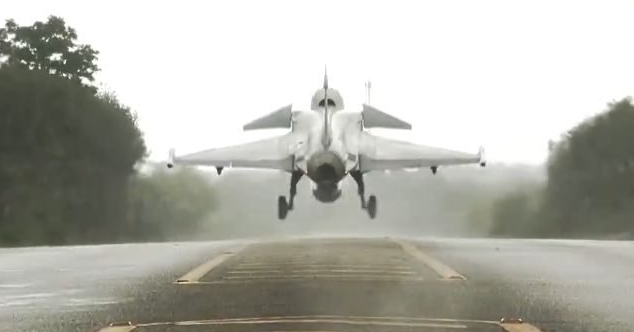
7. Arctic and Dispersed Operations Capability
Saab touts the ability of the Gripen to operate from short, icy roadways with a minimal ground crew-applications tempered above the Arctic Circle. Stealth coatings and maintenance requirements on the F-35 make austere basing much more difficult. Proponents argue a mixed fleet would utilize the rapid turnaround of the Gripen for forward Arctic policing while saving the F-35s for high-threat penetrations.
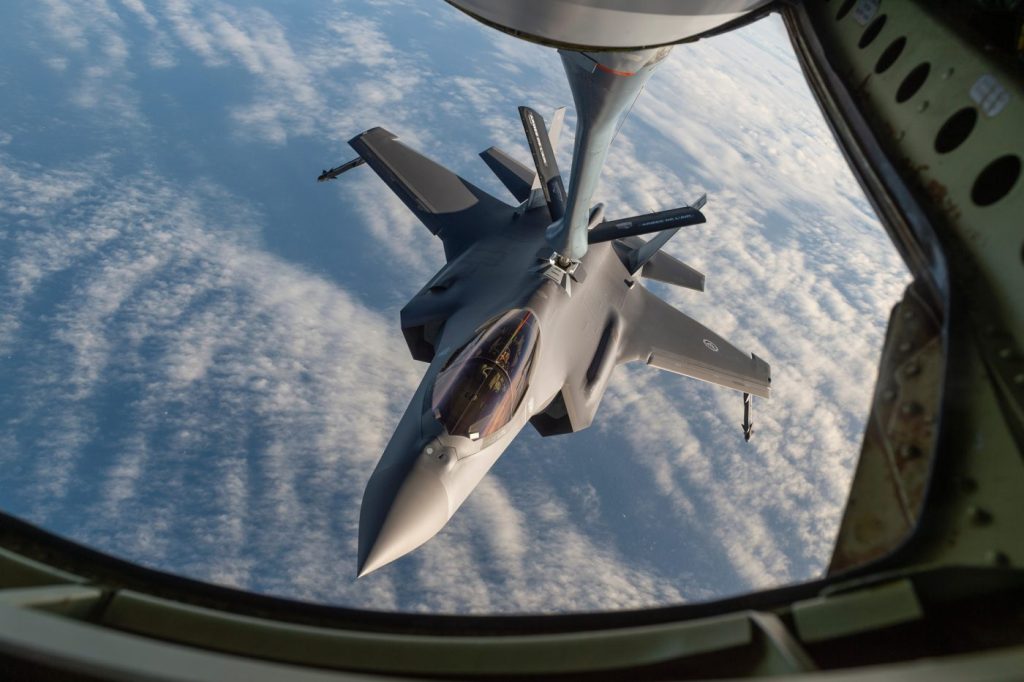
8. Alliance Interoperability and Strategic Signaling
The F-35 already represents the de facto fifth-generation standard for NATO, flown by allies from Norway to Japan. Its interoperability with both NORAD and NATO assets is proven in joint exercises. In turn, the adoption of the Gripen as a principal fleet would be a historic departure from US-aligned procurement and likely a strain on defense relations in an era of already heightened friction with Washington.
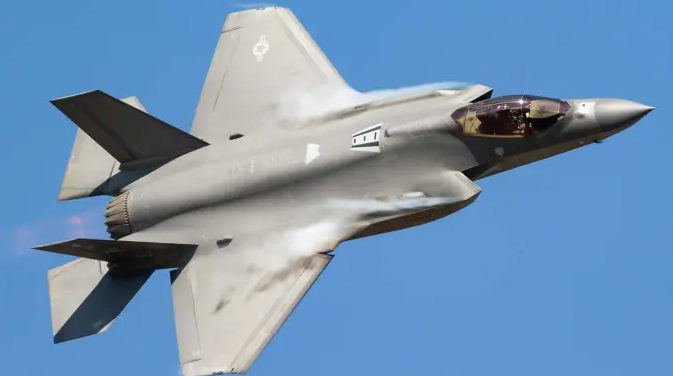
9. Diplomatic and Trade Stakes
Carney’s freeze on the F-35 deal comes at a time when US-Canada trade relations are under stress. The US Ambassador, Pete Hoekstra, has tied future trade talks to the fighter decision, trumpeting the F-35 as a “phenomenal success” and cautioning against a split fleet. Meanwhile, the Saab Gripen will cement ties with Sweden, now a NATO member, and widen Bombardier’s presence in the aerospace sector-but at the seeming cost of weakening Canada’s standing in its most important defense relationship.
This was not a case of the F-35 sweeping Canada’s 2021 fighter evaluation due to political preference. At its core, it represented a benchmark for stealth, sensor fusion, and upgrade potential that the Gripen simply couldn’t match, even with its signature agility, rapid turnaround, and industrial enticements. As Ottawa weighs industrial benefits against operational supremacy, the choice will signal not just Canada’s air power trajectory but its strategic alignment for decades to come.


