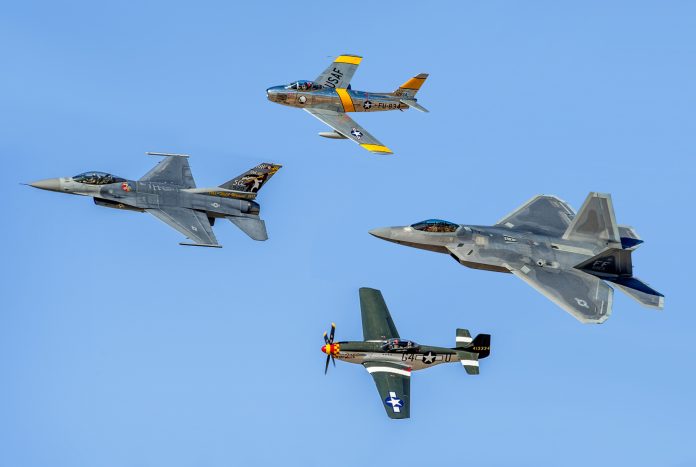
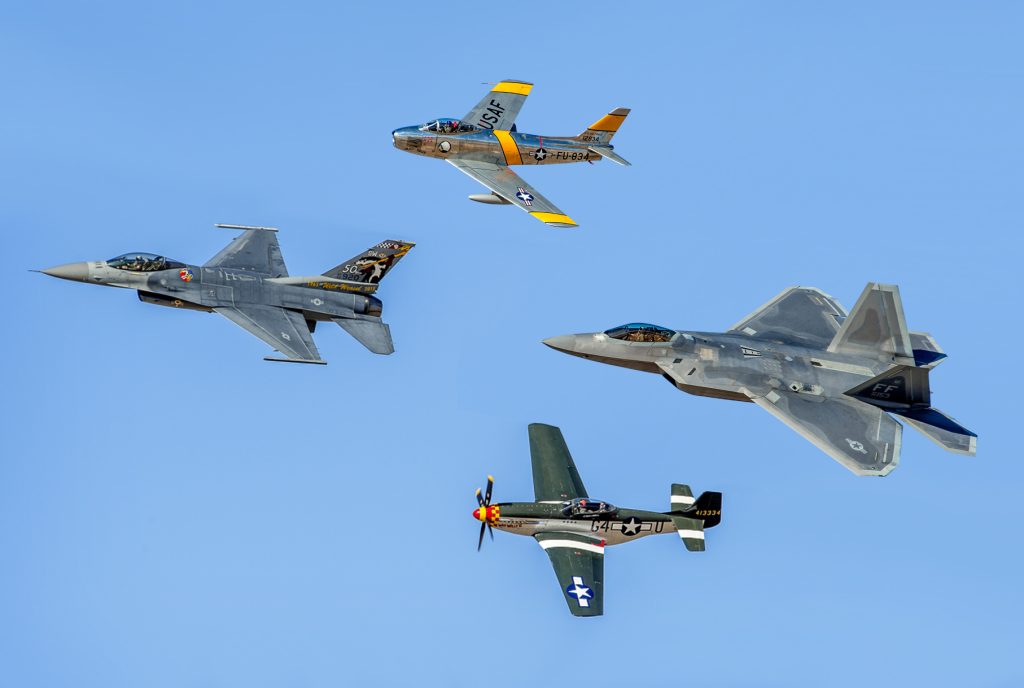
What do Taiwan, Greece, and Saudi Arabia have in common? They all spend billions to keep American fighter jets in their skies, and the numbers are staggering. As air superiority can decide conflicts before they even begin in today’s era, the United States has remained the go-to supplier for the latest in combat aircraft.
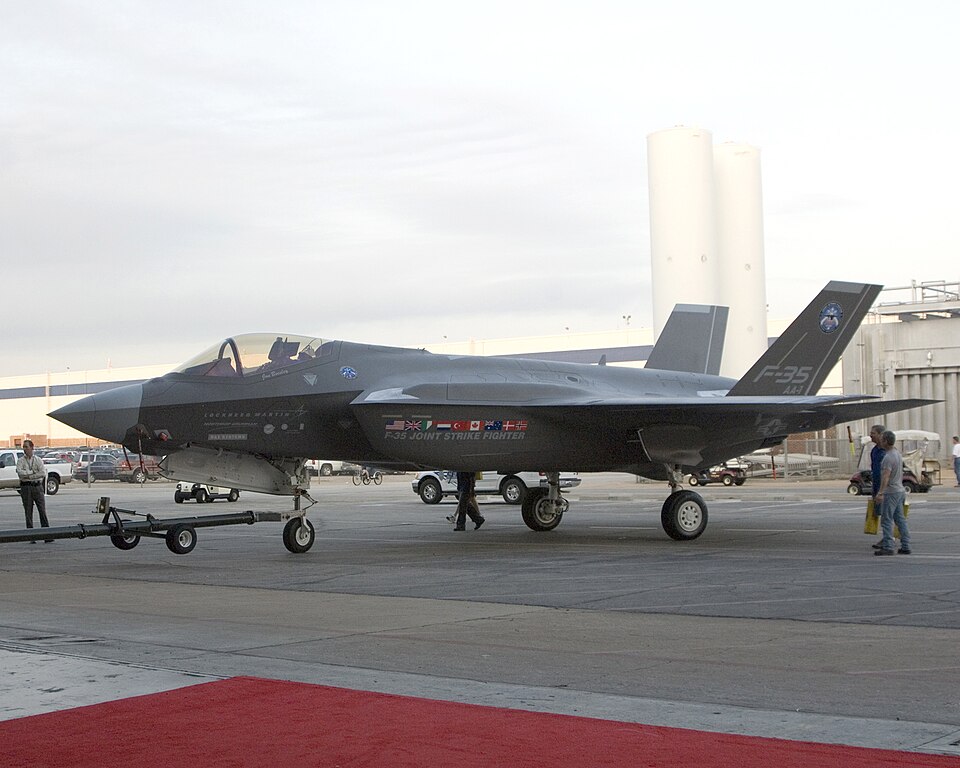
The aerospace industry in Washington doesn’t just build jets it exports influence. From stealthy F‑35s to upgraded F‑16Vs and specialized F‑15 variants, these aircraft form the backbone of allied air forces across the world. For many nations, buying American isn’t just about technology it’s about interoperability, deterrence, and political alignment.
This breakdown looks at the seven countries that have taken delivery of the largest US‑built fighter fleets through direct purchase alone, excluding licensed production. Each entry shows not only what they fly, but why those choices matter in the shifting balance of global air power.
1. Taiwan is the Frontline Against Regional Pressure
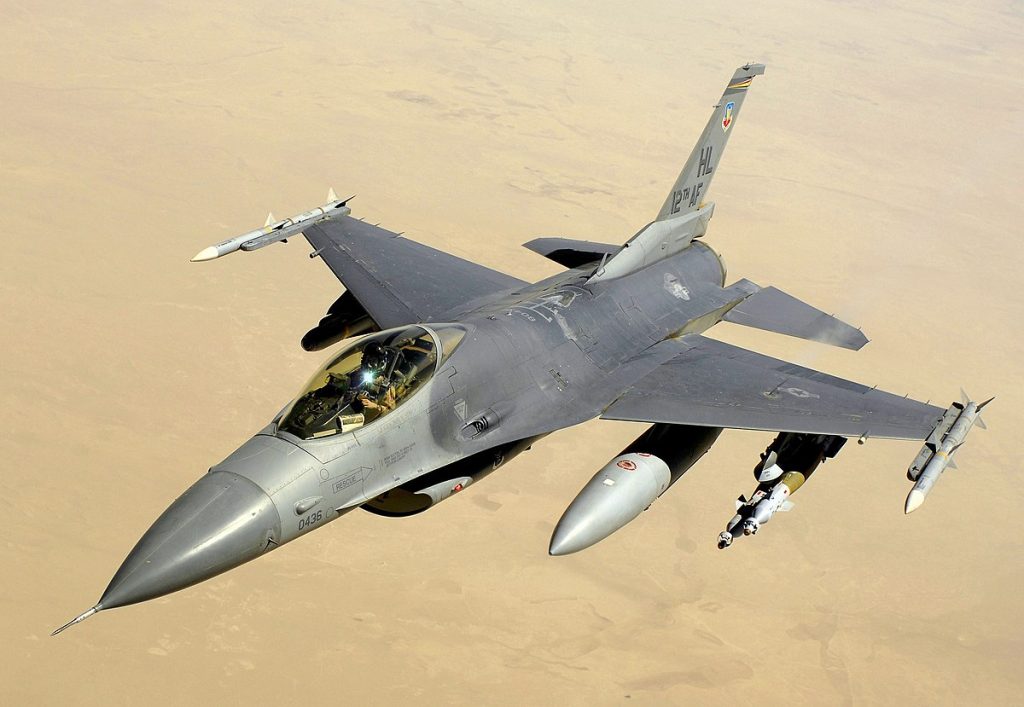
The ROCAF is primarily reliant on US-manufactured fighters, with the F‑16 Fighting Falcon as its mainstay multirole type. Its legacy fleet of F‑16A/Bs has been upgraded to F‑16V standard-a process that wrapped up in 2023-integrating AESA radar, advanced avionics, and improved mission systems. Taiwan has also placed an order for 66 new‑build F‑16V Block 70s, with deliveries continuing into 2026.
The ROCAF continues to fly aging F‑5 Tiger IIs for training and secondary duties-as a testament to its long‑standing relationship with US military assistance since 1965. Frequent intercept sorties against PLA Air Force incursions also put heavy stresses both on pilots and machines, making continued US supply and support a strategic necessity.
2. Greece: NATO’s Eastern Flank Powerhouse
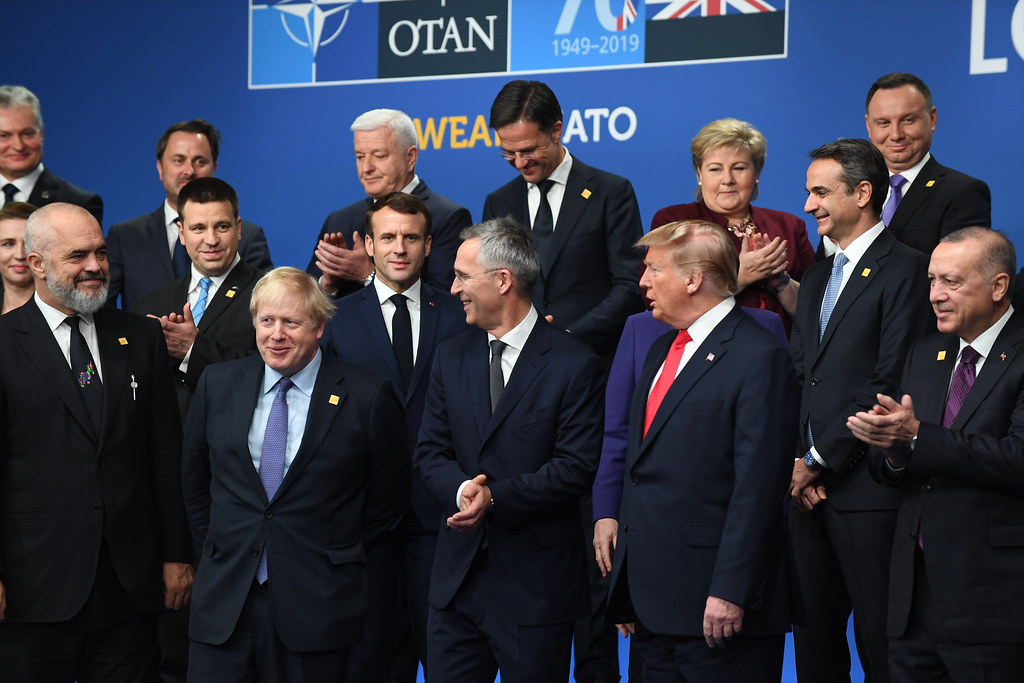
The HAF operates a diverse fleet anchored by American F‑16s in several blocks, ranging from early Block 30s up to advanced Block 52+ Advanced. Athens is mid‑way through upgrading 84 of its Block 52+ jets to the F‑16V Viper configuration, which incorporates APG‑83 AESA radar, improved mission computers, and modernized cockpits. Work is being performed in‑country by Lockheed Martin and the Hellenic Aerospace Industry, generating more than $1 billion in economic benefits.
Greece signed for at least 20 F‑35As in July of 2024, with options to add up to 20 more, which guarantees seamless transition from legacy McDonnell Douglas F‑4E Phantoms to fifth‑generation stealth. Such acquisitions strengthen the southeastern air defense of NATO while increasing the interoperability with allied Rafales and future Tempests.
3. United Kingdom – Carrier and Nuclear Strike Capability
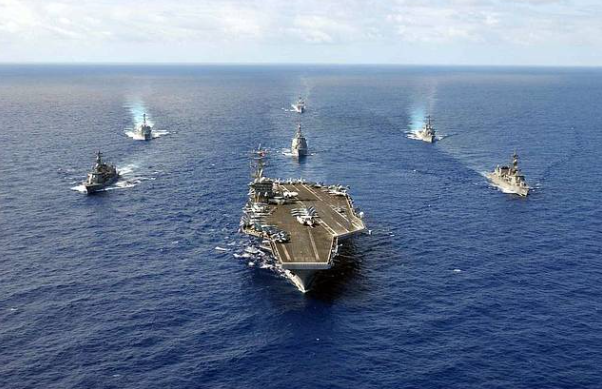
The Royal Air Force and Royal Navy are taking delivery of a joint fleet of carrier-operating F‑35Bs and land-based F‑35As, the latter dual-capable of nuclear delivery missions. Only a fraction of the planned total buy of 138 F‑35Bs and 12 F‑35As are so far in service, but it will eventually give Britain one of the largest fifth‑generation fleets in Europe.
The STOVL F‑35B operates from Queen Elizabeth‑class carriers, extending the UK’s global reach. In parallel to US acquisitions, the UK is developing the Tempest sixth‑generation fighter under the Global Combat Air Programme with Italy and Japan it is scheduled for service around 2035.
4. South Korea – High‑Tech Mix of Strike and Stealth
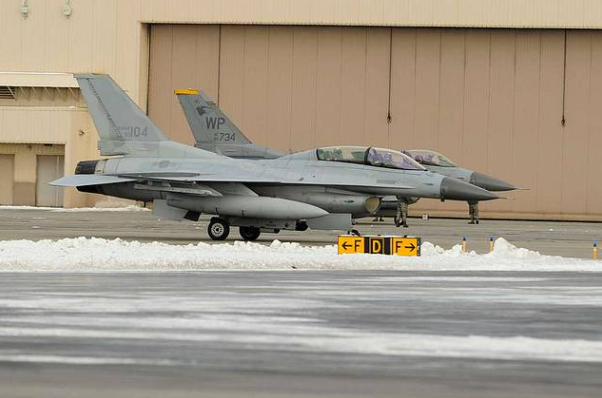
The Republic of Korea Air Force fields approximately 300 fighters sourced from the US, including both licence-assembled KF‑16s and US-built F‑16s, as well as F‑35As. Additional contributions to the long-range precision strike come from the F‑15K Slam Eagle, a derivative of the F‑15E Strike Eagle, while the F‑35A affords capability for stealthy penetration against advanced defences.
Older F‑4 Phantoms remain in limited service but are being phased out as more F‑35s arrive. This mix of fourth‑ and fifth‑generation fighters, all tied into US systems, will guarantee that Seoul can respond quickly to threats from North Korea and be interoperable with US forces stationed on the peninsula.
5. Egypt – Backbone Built on the Fighting Falcon
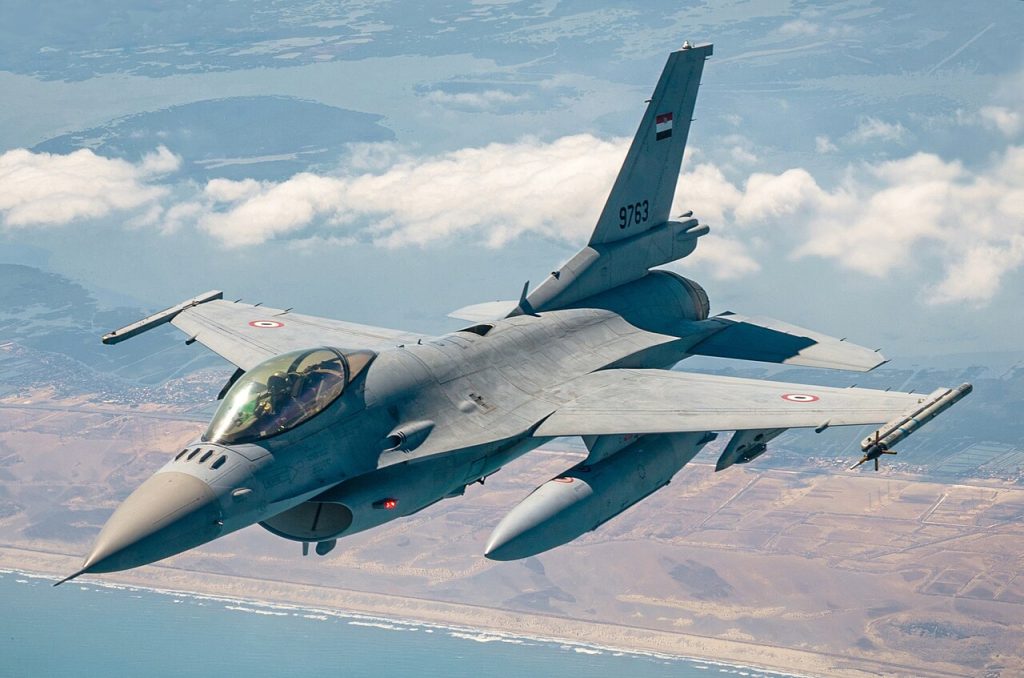
The Egyptian air force operates more than 200 F‑16s, a fleet procured via successive Peace Vector programs. The type is Egypt’s numerical and operational backbone, with variants ranging from early A/B models to Block 52 aircraft undertaking the bulk of its air‑to‑air and strike work. Cairo has shown interest in both the F‑35 and F‑15EX, but US policy aimed at preserving Israel’s Qualitative Military Edge has blocked such sales up until now. Egypt still operates some legacy Russian planes, but US fighters comprise most of its combat fleet, a fact reflecting a broader strategic pivot from Soviet to American alignment begun in the late 1970s.
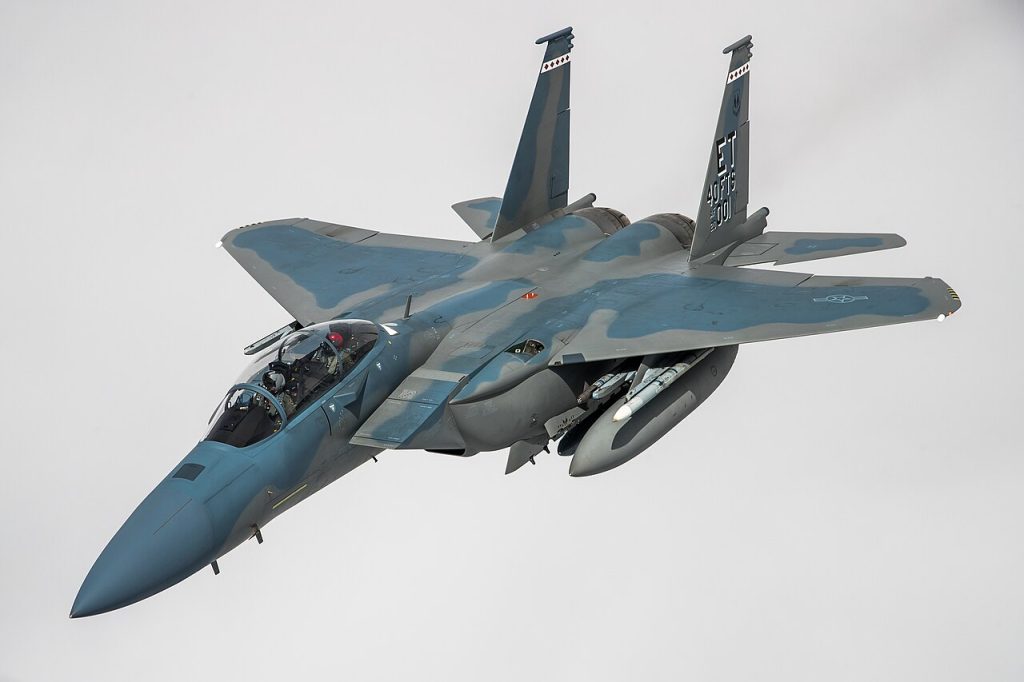
6. Saudi Arabia: Advanced Eagles and Potential Stealth Leap
The RSAF operates one of the most advanced F‑15 fleets anywhere in the world, with 84 F‑15SA Saudi Advanced and upgraded F‑15SRs. Boeing has been offering F‑15EX Eagle II, reportedly up to 60 units. Riyadh has also asked for F‑35As, for which preliminary US approval for two squadrons is still pending political and security reviews. A sale would represent a significant policy shift considering concerns related to technology security and Saudi ties with China. The RSAF, without F‑35s, remains one of the more formidable air arms in the region thanks to modern Eagles and Eurofighter Typhoons; the integration of stealth assets remains an important shaper of the Middle East’s airpower balance.
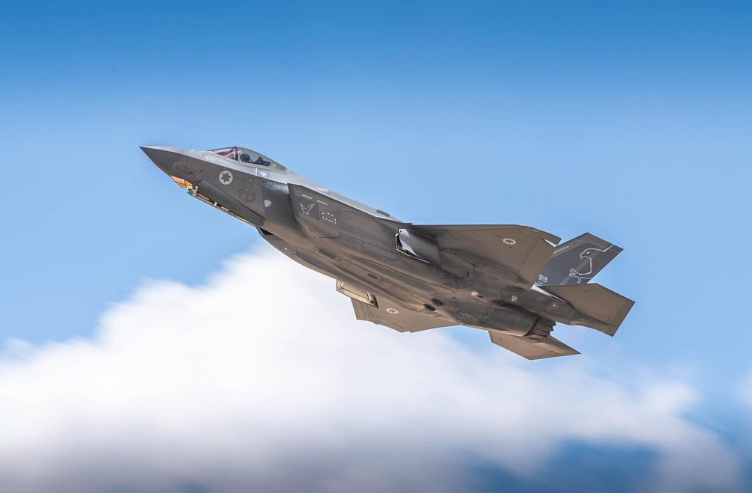
7. Israel – Exclusive F‑35I Adir Operator
Except for the F‑35, every US‑built fighter in service with foreign air forces has seen combat. The Israeli Air Force operates only US‑built fighters, but with unique local modifications. Its fleet of F‑35I Adirs features Israeli avionics, electronic warfare systems, and weapons integration that allow the aircraft to operate independently outside the standard F‑35 global support cloud. These jets have spearheaded recent long‑range strikes on Iranian targets, evading advanced air defenses. In addition, Israel is fielding the Adir alongside F‑16I Sufa and F‑15I Ra’am strike fighters, also combat-proven in missions involving high risks. US platforms combined with indigenous upgrades guarantee that Israel enjoys a decisive technological edge, satisfying Washington’s commitments to its policy of Qualitative Military Edge.
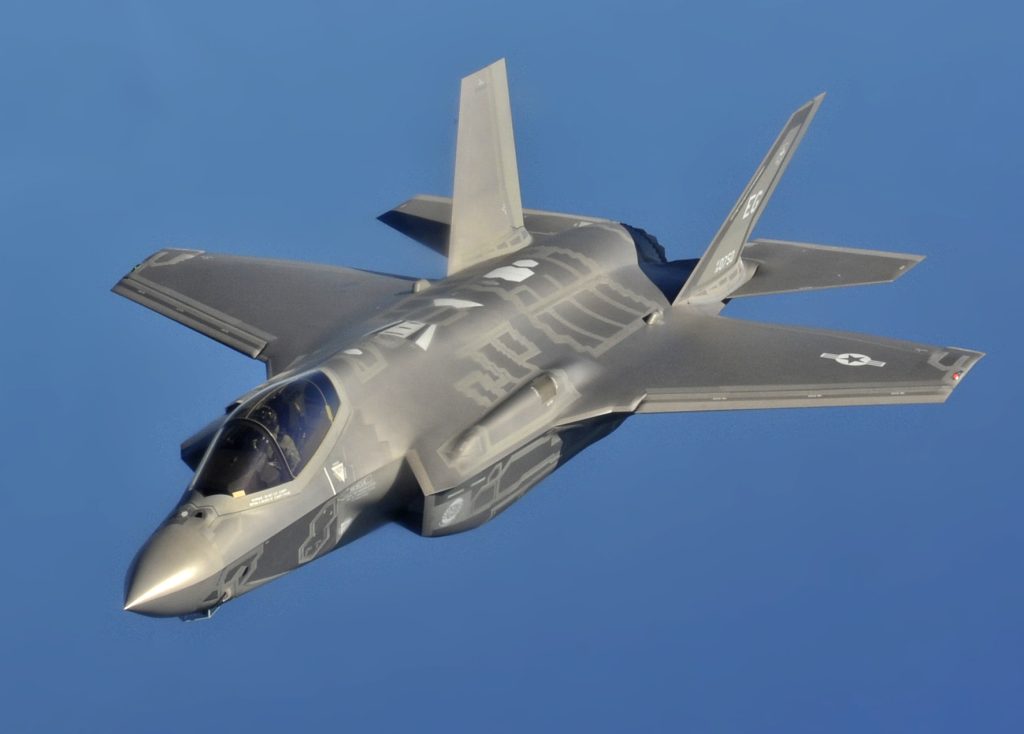
From the Taiwan Strait to the Eastern Mediterranean and the Persian Gulf, US‑built fighters are more than hardware they are strategic commitments in metal and composite. Each sale cements alliances, shapes regional balances, and ties foreign air forces into America’s operational network. As new platforms like the F‑35 spread and legacy fleets receive cutting‑edge upgrades, the influence of US aerospace power shows no sign of waning.


