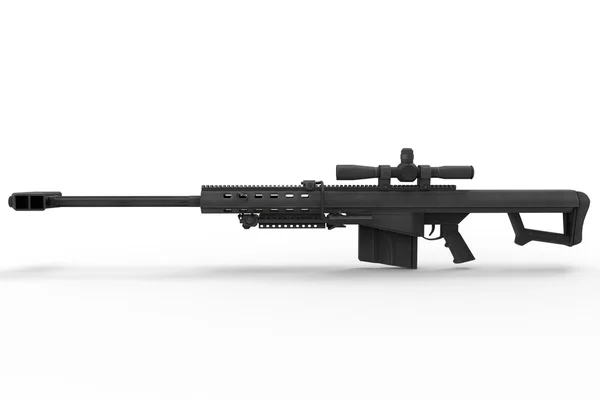
“In the right hands, a single bullet can change the course of a battle.” That truth has echoed through more than a century of special operations history, where elite marksmen have repeatedly proved that precision, patience, and skill can outweigh sheer numbers. From the snowbound forests of Finland to the dense streets of Baghdad, sharpshooters have shaped missions, influenced tactics, and redefined what small units can achieve under extreme conditions.
The evolution of the sniper’s role in special operations is as much about technology as it is about the individuals who wield it. Advances in optics, camouflage, ballistics, and training have transformed these shooters from lone hunters into integral members of elite teams capable of reconnaissance, overwatch, and surgical strikes. This list examines the pivotal innovations, tactics, and legendary figures who forged the modern special operations sharpshooter.
1. Birth of Modern Sniping in the World Wars
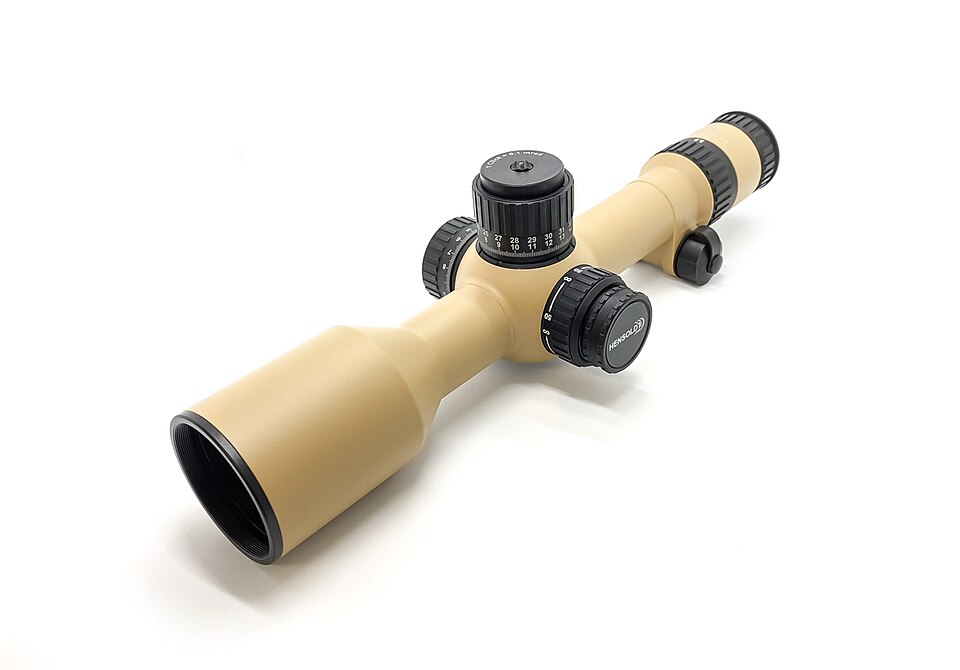
The First and Second World Wars showed that a single well-trained rifleman could influence battles far beyond his immediate position. Improvements in barrel manufacturing, ammunition consistency, and rugged telescopic sights turned ad hoc sharpshooting into a disciplined military specialty. These early precision shooters laid the foundation for the sniper–commando integration that would later define special operations, proving that long-range fire could shape the tempo and outcome of engagements.
2. The Telescopic Sight Revolution
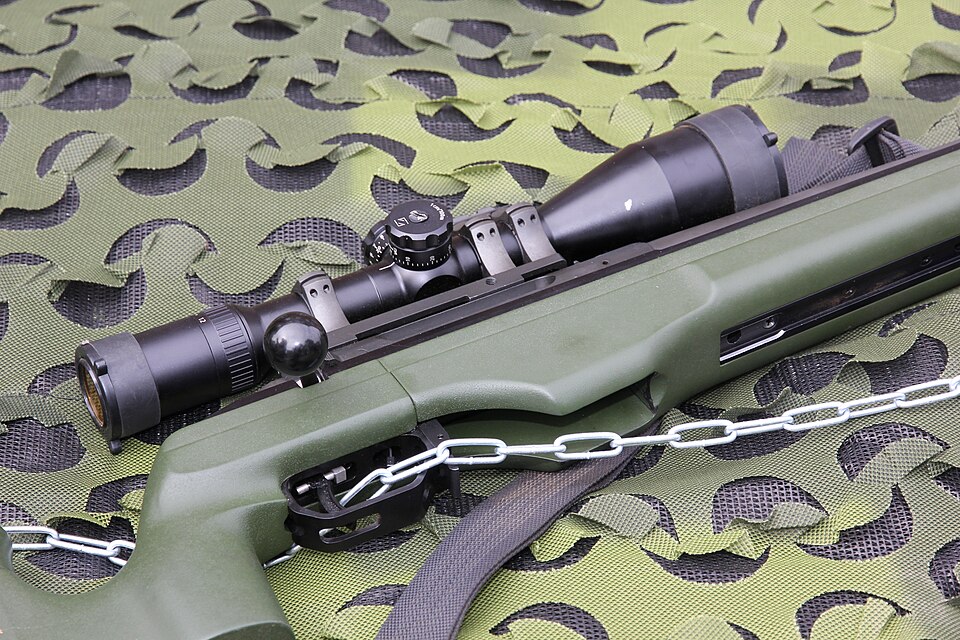
World War II brought shock-resistant, reliable scopes that maintained zero under recoil and in harsh conditions. This leap in optical technology made long-range precision practical for elite units. Standardized mounts and improved glass clarity meant snipers could engage targets with repeatable accuracy, transforming them into indispensable assets for reconnaissance and overwatch in special operations missions.
3. Fieldcraft becomes doctrine
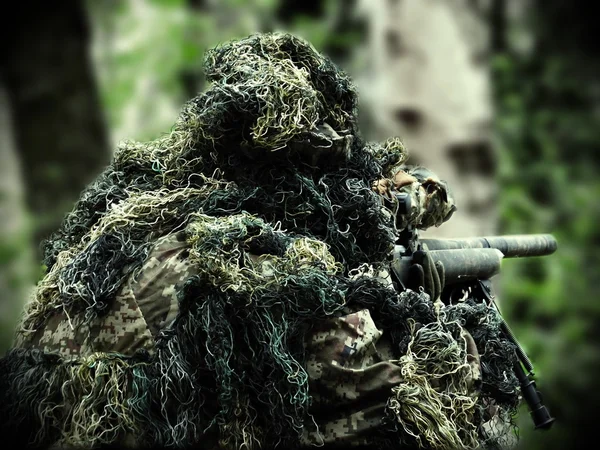
Figures like Simo Häyhä and Vasily Zaytsev proved that stealth, camouflage, and patient stalking were just as important as marksmanship. Their use of natural cover, concealed movement, and judicious target selection was codified into modern sniper training. Today’s special operations teams continue to utilize those principles by integrating them into reconnaissance, infiltration, and counter-sniper tactics.

4. Vietnam and the Rise of Sniper–SOF Integration
In Vietnam, sharpshooters were embedded with reconnaissance units, Marine scout snipers, and elite formations like SEALs and Delta Force precursors. Operators such as Carlos Hathcock proved the value of combining precision fire with deep reconnaissance. This era also saw the formalization of sniper schools and the development of long‑range engagement doctrine tailored for small‑unit special operations.
5. Urban Precision in Iraq and Afghanistan
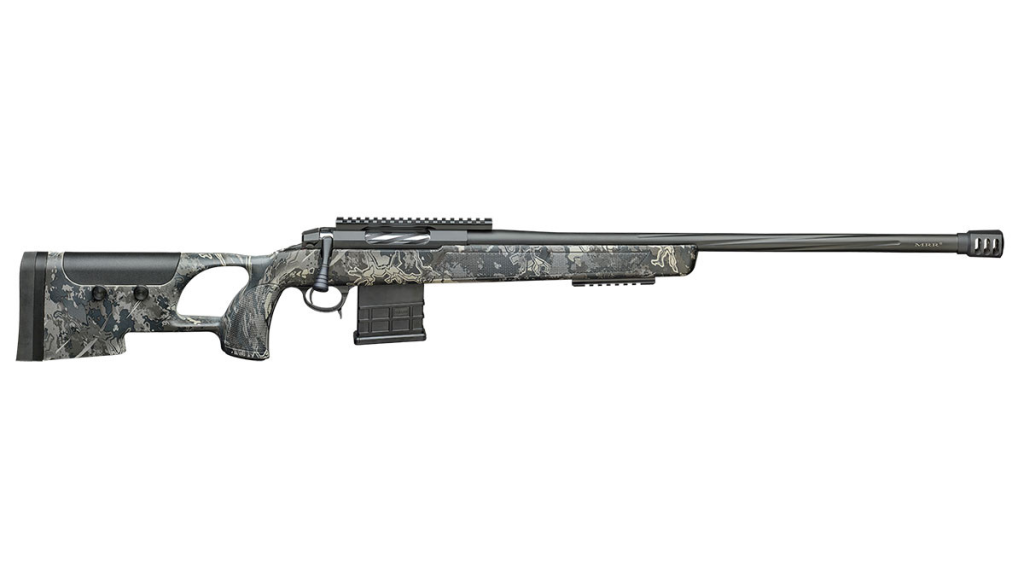
The post‑2000 urban battlefields of Fallujah, Baghdad, and Kandahar elevated snipers to critical mission enablers. Advances in night vision, suppressed semi‑automatic rifles, and ballistics software allowed them to dominate rooftops and alleyways. In battles like Sadr City, attached sniper teams provided overwatch for wall‑building operations, neutralizing threats with precision fire even under heavy insurgent pressure.
6. Camouflage as a Force Multiplier
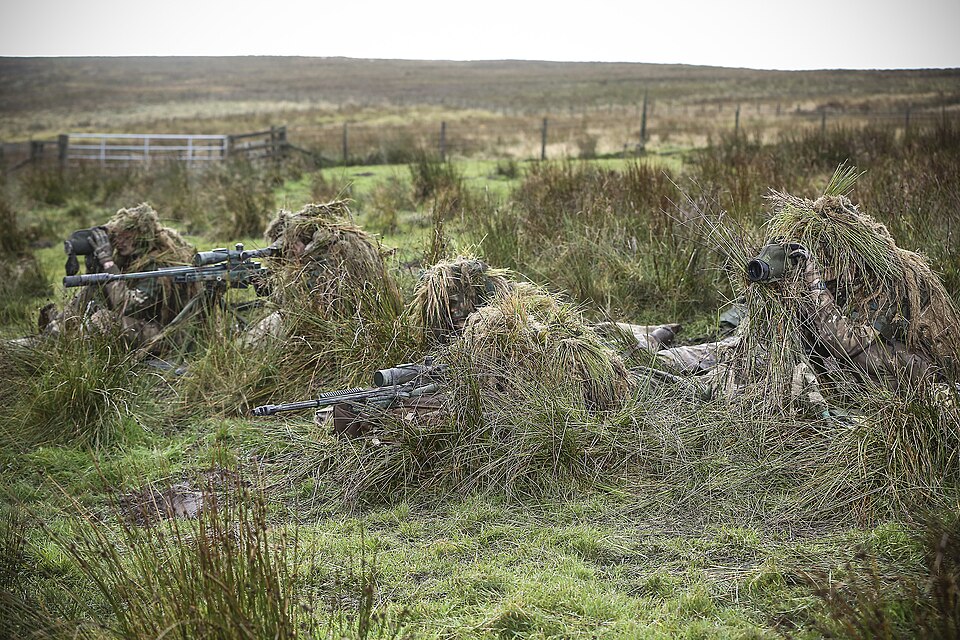
Effective concealment has always been a sniper’s ally, but modern special operations camouflage draws on both biology and cultural signaling. Indeed, the scholarship suggests that with the end of the Cold War, many nations’ patterns shifted to fall in step with new alliances, while elite units adopted environment‑specific designs to avoid fratricide and enhance recognition. For sharpshooters, the right pattern can mean the difference between remaining unseen and becoming a target.
7. The Designated Marksman Gap
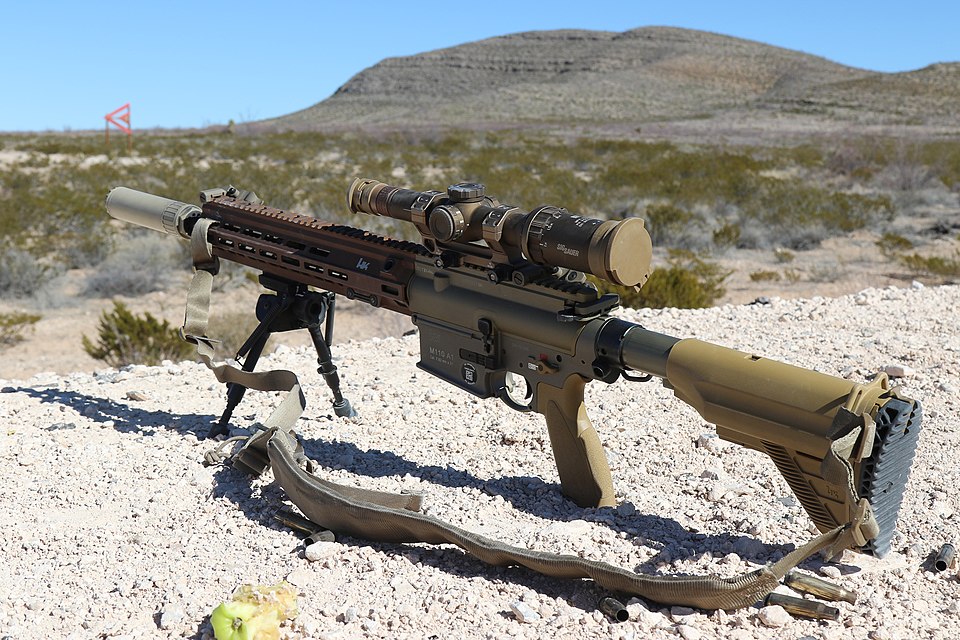
Combat in Afghanistan highlighted an intermediate‑range engagement gap-most firefights took place beyond 300 meters, an area outside the consistent lethality of standard carbines. The squad designated marksman (SDM) concept emerged to bridge that gap, arming select riflemen with accurized 7.62×51mm rifles and optics capable of 800‑meter hits. Though not snipers, the SDMs brought precision fire to the squad level, greatly improving overwatch and counter‑ambush capabilities.
8. The Mk 12 SPR System
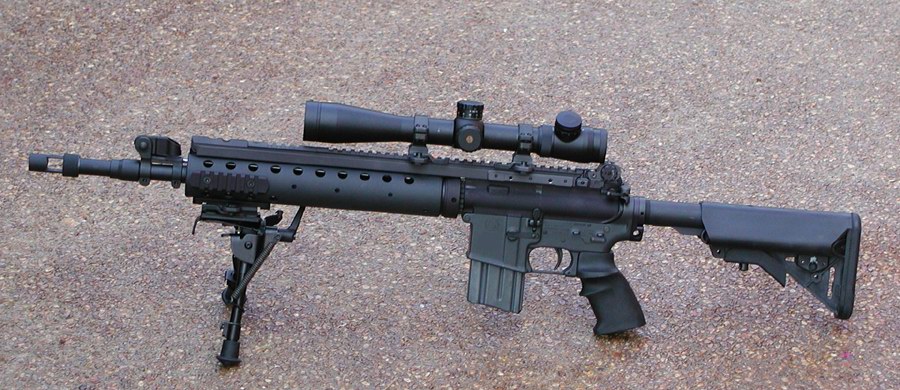
The Naval Surface Warfare Center Crane-developed Mk 12 Special Purpose Rifle fulfilled the need between the M4 and full‑size sniper rifles. Outfitted with match‑grade barrels, high-end optics, and the highly accurate Mk 262 Mod 1 ammunition, it became a favorite for SEALs, Army Special Forces, and Rangers. Operators valued the balance of portability, precision, and ability for quick follow‑up shots that made it one of the most lethal precision platforms in U.S. history.
9. Game-Changing Ammunition
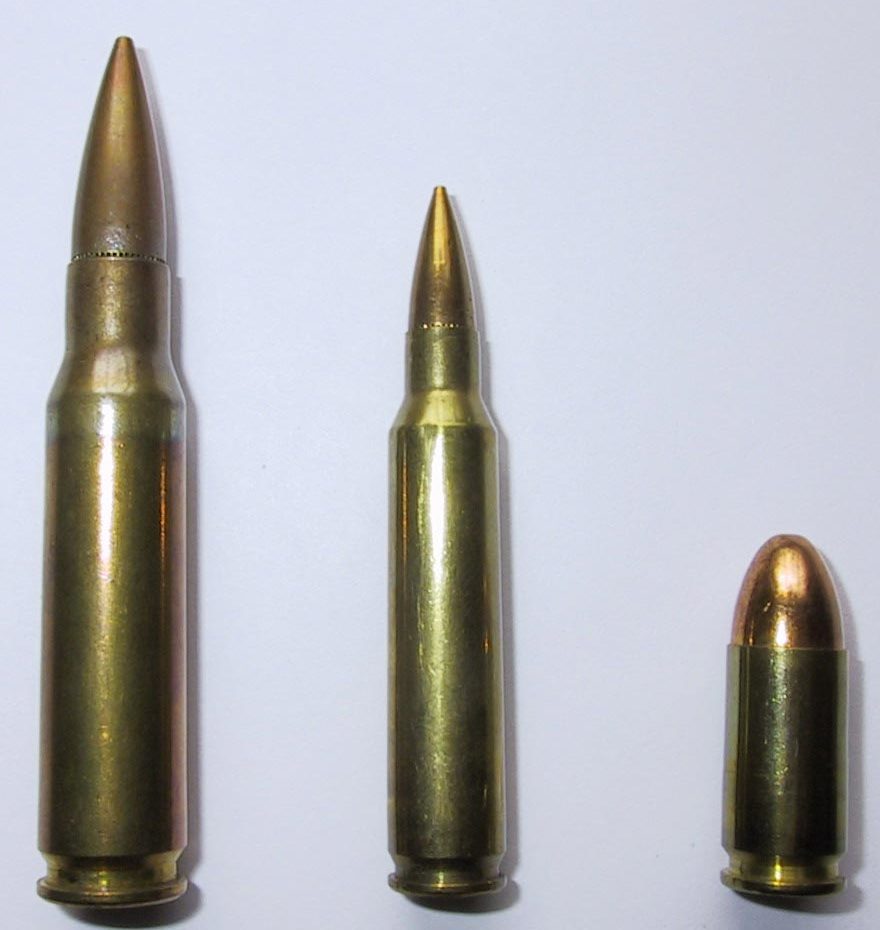
The 77‑grain Mk 262 Mod 1 round, loaded by Black Hills, afforded superior accuracy and terminal performance to standard 5.56mm. Its open‑tip match design tended to yaw and fragment even at extended ranges, increasing its effectiveness. So sought after was this ammunition that it was traded and used widely beyond SPR‑equipped units, underscoring how the right cartridge can elevate a weapon system’s battlefield impact.
10. Extreme‑Range Ballistics and Modern Tools
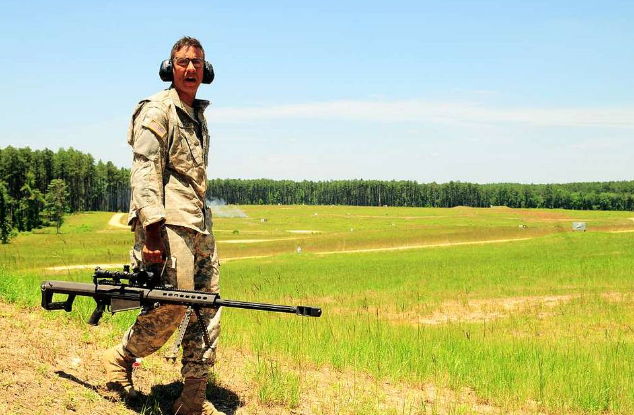
Today’s special operations sharpshooters do have laser rangefinders, ballistic apps, and doppler-measured drag data-all making first-round hits at ranges previously considered impractical. Advanced training now encompasses wind, aerodynamic jump, and even Coriolis effect. All these tools will come together with refined marksmanship to enable the operators to deliver precision fire under conditions that would have baffled their predecessors.
From iron‑sighted rifles in frozen forests to suppressed semi‑automatics guided by digital ballistics, the journey of the special operations sharpshooter has been one of relentless adaptation. Each innovationwhether in equipment, training, or tacticshas expanded what small, elite teams can accomplish. As technology advances and battlefields evolve, these marksmen will continue to stand at the intersection of precision and strategy, shaping missions with every carefully placed shot.”


