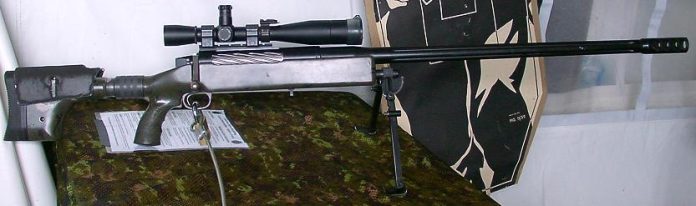
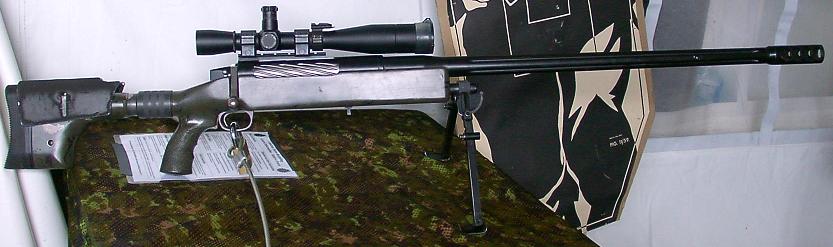
Among them are rifles that quietly rewrote the rules for precision shooting long before the modern sniper set new records well beyond the two-mile range. Some were born in muddy trenches, others in icy Swiss ranges, and a few in the workshops of engineers with vision beyond the battlefield. Most such designs did not get the glory but provided foundational aspects of what today’s elite sniper systems are: robust action, match-grade barrels, and durable optics.
More than a lesson in history, tracing their lineage explains how today’s rifles-from the .50‑caliber TAC‑50 to modular multi‑caliber platforms-can attain such an elevated level of performance under extreme conditions. Each of these forgotten rifles had some kind of innovation that would carry on into shaping doctrine, manufacturing, and marksmanship for a generation.
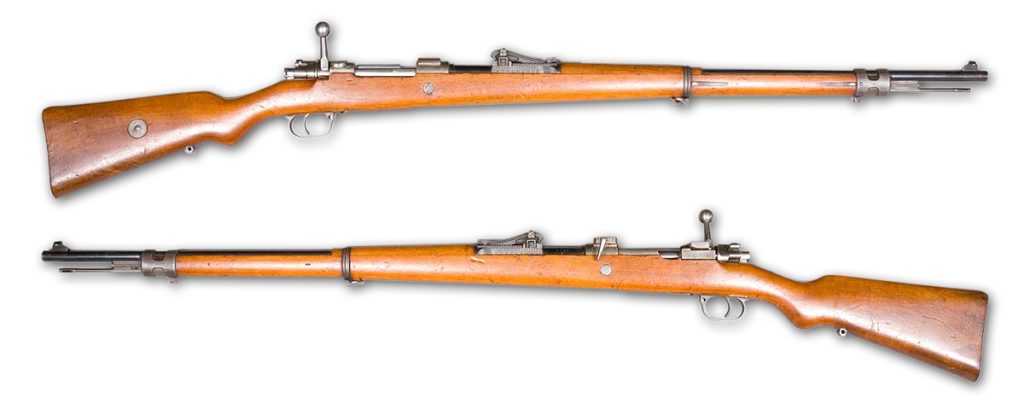
1. Gewehr 98: The Bolt Action Blueprint
It’s the German 1898 Gewehr 98 controlled-feed bolt action that set the mechanical standard for innumerable rifles, from hunting rifles right through to military sniper systems, virtually none of which have sidestepped the influence of that model’s dual front locking lugs and large claw extractor, not to mention trench-tested reliability. Accordingly, as related in the feature on modern Mauser adaptations, this action’s ability to feed from almost any position made it a legend in both war and sport.
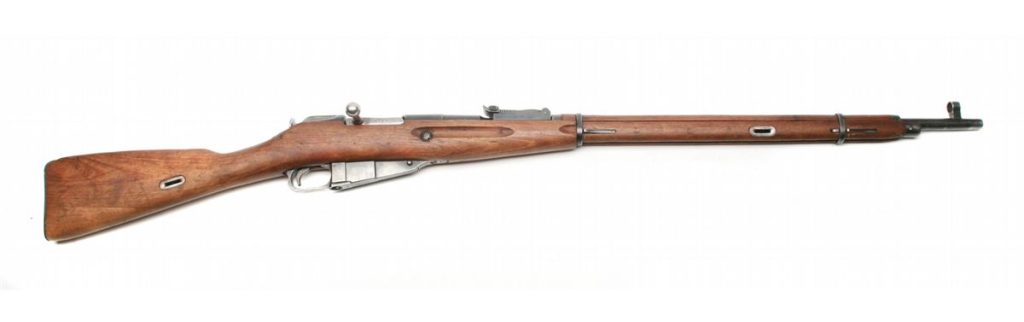
2. PU‑Scoped Mosin‑Nagant: Mass‑Produced Precision
In fact, the Soviet Union’s Mosin‑Nagant with the PU scope proved during wartime that such a sniper capability can indeed scale across an army: rugged, inexpensive, and accurate enough on the battlefield. The simple optics and reliable bolt action proved lethality didn’t need exotic engineering, just smart adaptation of existing service rifles.
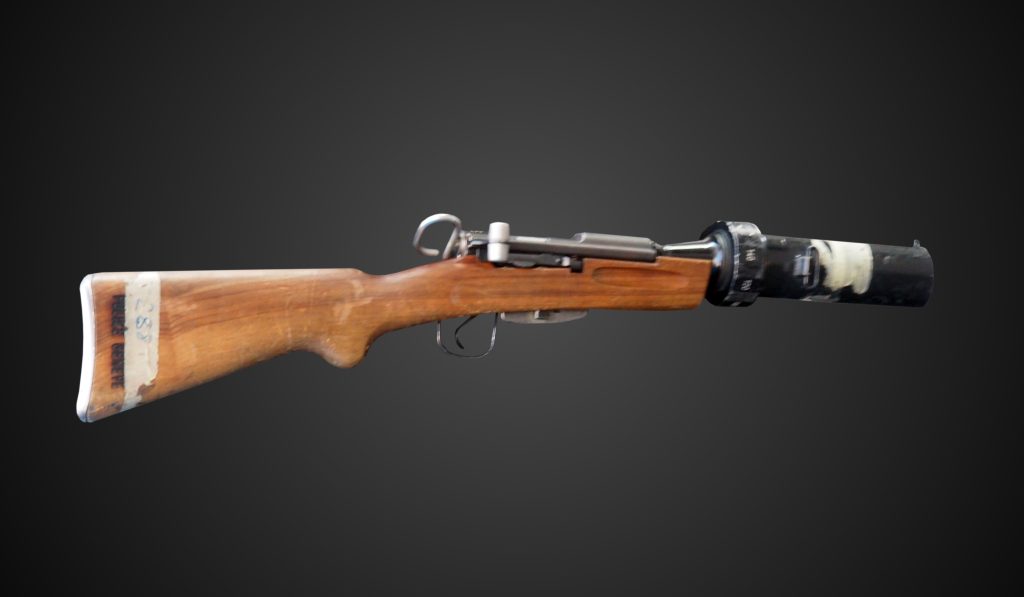
3. Swiss K31: Factory Match Accuracy
The Swiss K31 straight-pull rifle established a new norm for service-rifle accuracy: Cold-hammer-forged barrels, concentric chambers and crisp triggers meant soldiers could expect match-grade accuracy right out of the armory. It was this expectation-that a standard-issue rifle could deliver repeatable long-range hits-which would, in turn, drive military procurement toward higher manufacturing tolerances and better quality control.

4. Karabiner 98k Sniper Variant: Standardizing Optics
Particularly, scoped variants of the Kar 98k would perfect this very concept of the mass-issued sniper platform, especially that of German origin, and show just how easily production actions might be turned into proficient sniper rifles simply by marrying select barrels with robust standardized scopes. Going forward, it would become the standard template for post-war conversions throughout the world, proof that accuracy and optics can come together in wartime infantry weapons sans bespoke builds.
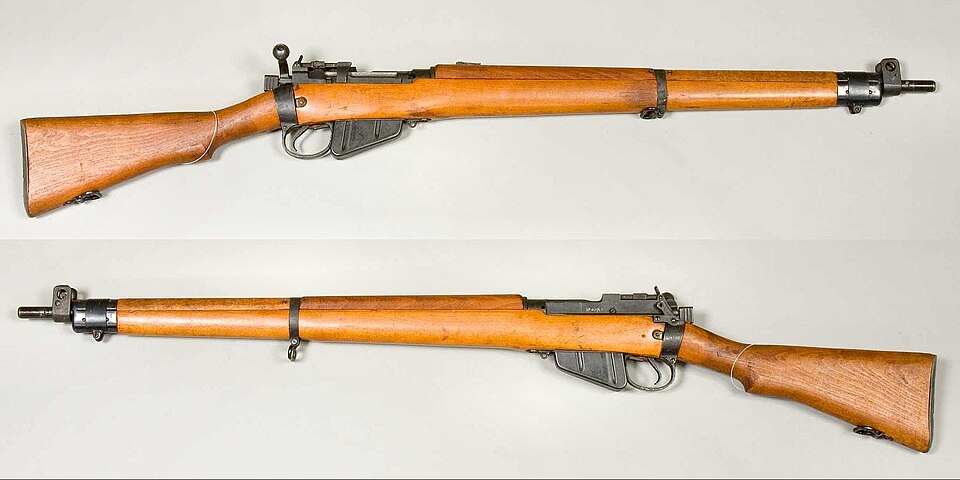
5. Lee‑Enfield No.4 Mk I(T): Speed Meets Accuracy
Britain’s No.4 Mk I(T) mated a fast-cycling rear-locking bolt to a 10-round magazine, giving snipers rapid follow-up capability. Chosen rifles were carefully bedded and fitted with scopes, foreshadowing modern accurizing techniques. Successive embedding of trained snipers within infantry units drove home the value of precision shooters as integral battlefield assets.
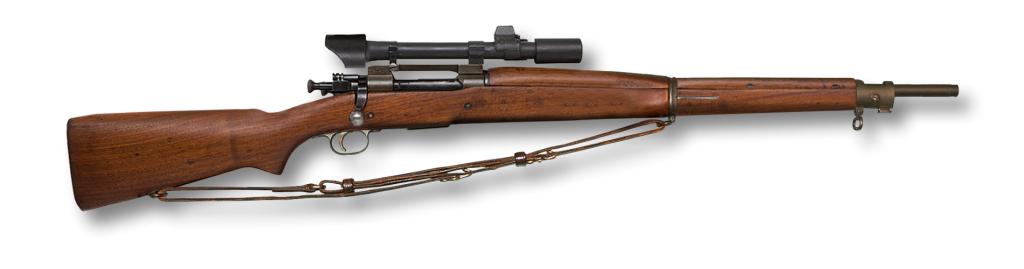
6. M1903A4: America’s First Standard Sniper
The US M1903A4 represented a shift from ad hoc sharpshooting to formal sniper programs. Factory‑mounted optics and selected barrels taught planners the lessons learned from consistent mounts, reliable glass, and dedicated training. This was the conceptual bridge to Cold War-era institutional sniper systems.
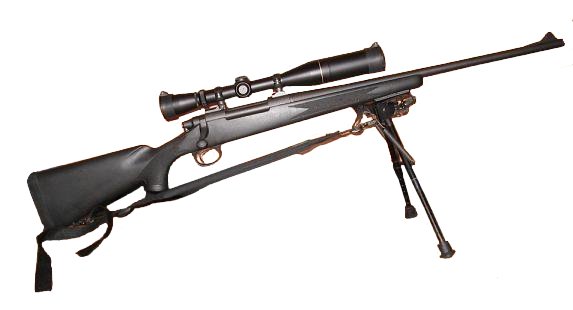
7. Remington 700: The Civilian Foundation
It was the rigid receiver and crisp trigger, along with extensive after-market support, that made the Remington 700 the commercial basis for military rifles such as the M24 and M40. Flexibility turned it into a template for modular precision systems, and its impact extended into special operations and police marksmen throughout the world. To this day, many custom builds still trace their ancestry to that design.
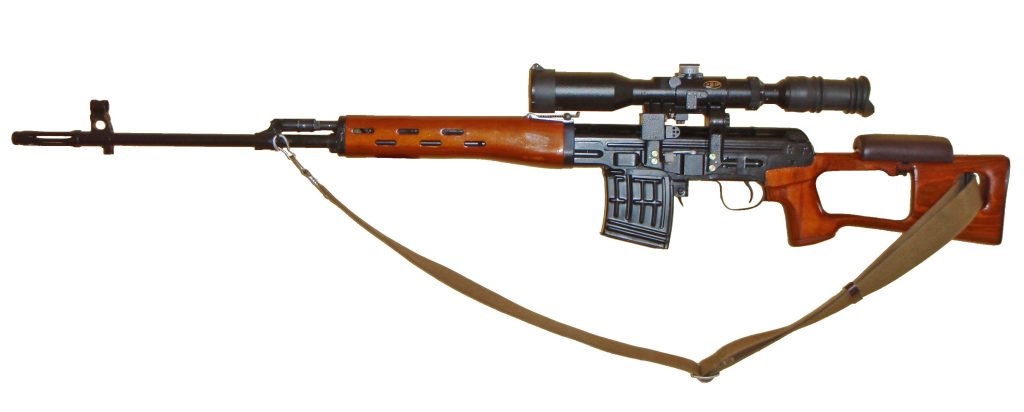
8. SVD Dragunov: Defining the Designated Marksman
The Soviet SVD Dragunov premiered the concept of a semiautomatic precision rifle at the squad level, which married reliability, reach, and optics for intermediate-range engagements sans dedicated sniper teams. This proliferated worldwide to this day and dictated how militaries equip their marksmen to bridge the gap between the standard infantry and long-range snipers.
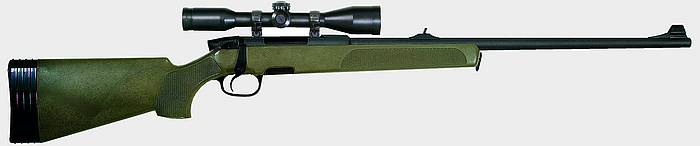
9. Steyr SSG 69: Purpose‑Built from the Ground Up
Austria’s Steyr SSG 69 broke with convention when introducing a synthetic‑stock, cold‑hammer‑forged‑barrel sniper system. Integrated optics mounts and weather-resistant materials presaged today’s emphasis on ruggedness and mission‑engineered precision weapons.
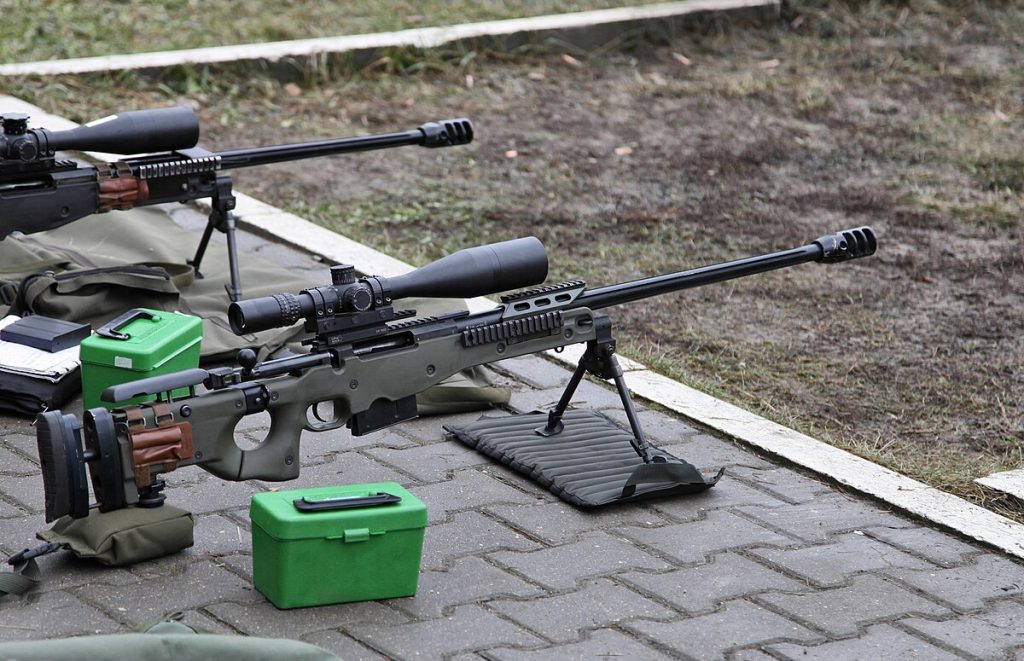
10. L96A1: The Modular Chassis Revolution
It was the British L96A1 that brought the concept of the modular chassis rifle into mainstream military service. Built with an aluminum bedding block, detachable magazine, and heavy-duty stock system, it predated the Arctic Warfare series of rifles. It is this modularity, adaptability, and resilience against the environment that remain crucial today in developing today’s elite sniper platforms.
Each of these rifles-from the bolt‑action mechanics of the Gewehr 98 to the modular chassis of the L96A1-carried forward an important piece of the sniper puzzle across eras, technologies, and doctrines so that today’s modern snipers benefit from more than a century of refinement. These designs remind both firearms enthusiasts and military historians alike that today’s record‑breaking shots stand on the shoulders of forgotten innovation.


