
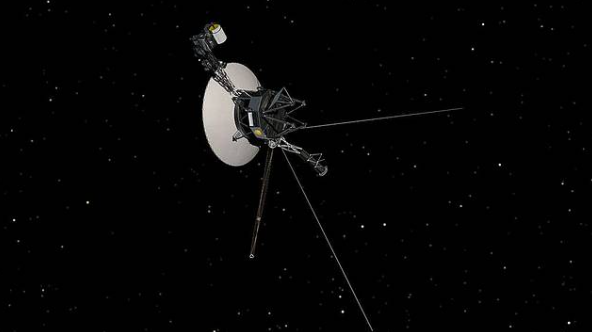
It was Albert Einstein who reminded the world that nothing can outrun light. Yet, in November 2026, a spacecraft launched nearly half a century ago will be so far from Earth that light itself will take a full day to reach it. Voyager 1’s upcoming one-light-day milestone-16.1 billion miles from home-isn’t just a symbolic marker in humanity’s exploration of the cosmos. It testifies to engineering resilience, creative problem-solving, and the ability to keep a machine alive in the most hostile environment ever reached by human technology.
1. The Scale of a Light‑Day
A light‑day measures the distance light travels in 24 hours186,282 miles per second, adding up to 25.9 billion kilometers. Voyager 1, moving at about 17 kilometers per second, has taken nearly 50 years to cover that span. At this range, NASA’s Deep Space Network must contend with 48‑hour round‑trip communication delays, making every command a slow‑motion exercise in precision. The spacecraft already sits at roughly 15.7 billion miles from Earth, with signals taking 23 hours and 32 minutes to arrive.
2. Crossing Into Interstellar Space
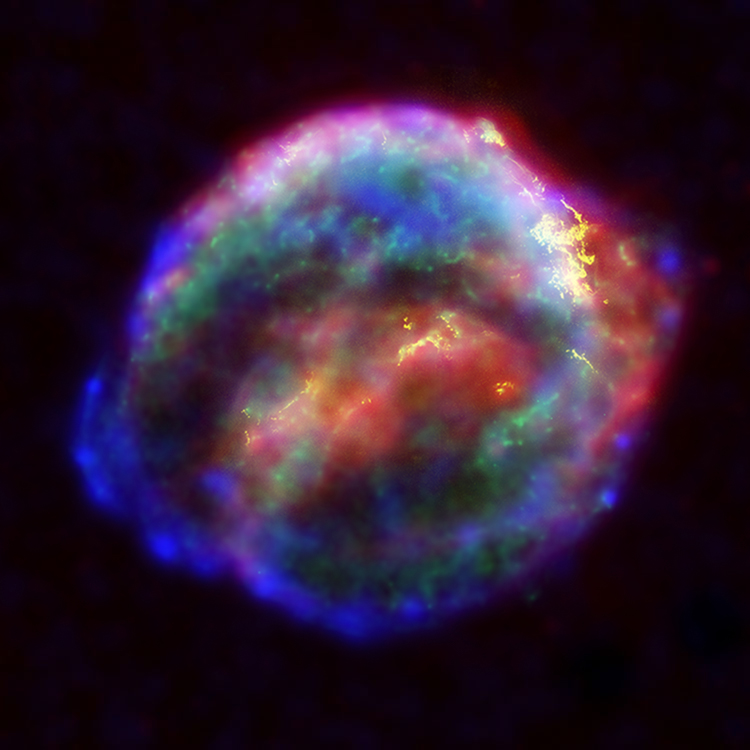
On August 25, 2012, Voyager 1 became the first human‑made object to cross the heliopause, leaving the Sun’s magnetic bubble and entering the Very Local Interstellar Medium. Its instruments have since recorded plasma wave emissions, cosmic ray spectra, and magnetic field variations, creating the most complete map yet of electron density beyond the heliosphere. These measurements reveal turbulent “waves” in the interstellar medium, which are driven by galactic rotation, supernova remnants, and solar shock fronts.
3. The RTG Power Source and Its Limits
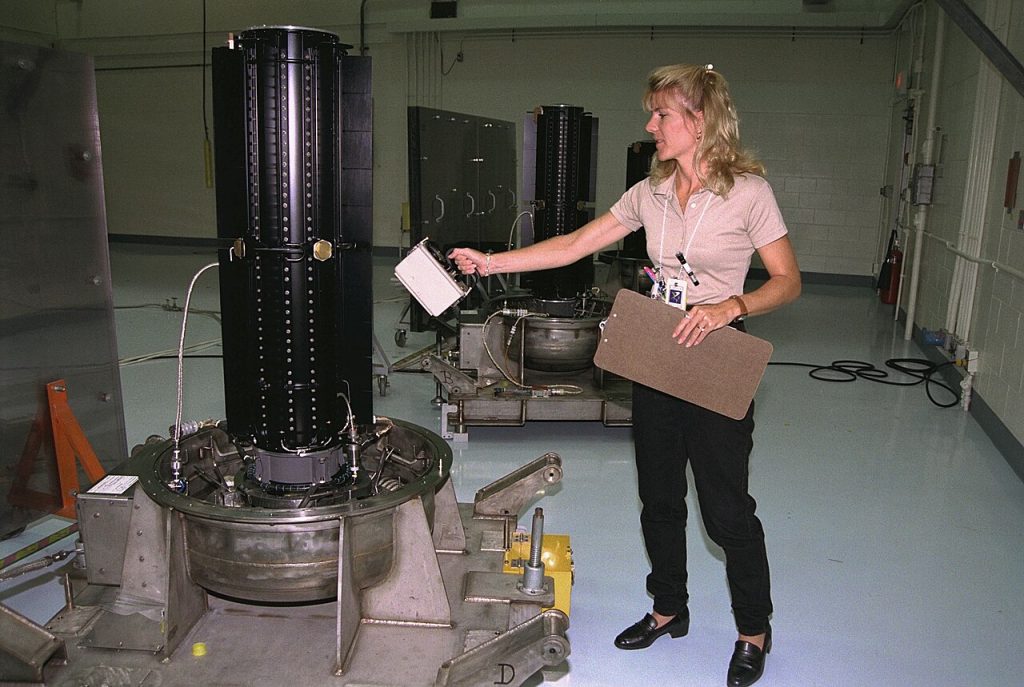
Voyager 1 operates thanks to three radioisotope thermoelectric generators, powered by plutonium‑238 oxide. When launched, they generated roughly 470 watts-about what four or five household light bulbs are said to use. After decades of decay, the output has fallen to about 230 watts. Power conservation has seen NASA switch off nonessential systems to prioritize keeping data flowing through the 2030s. When the RTGs finally cool beyond usable limits, Voyager will drift silently for billions of years.
4. A Deep‑Space Computer Repair
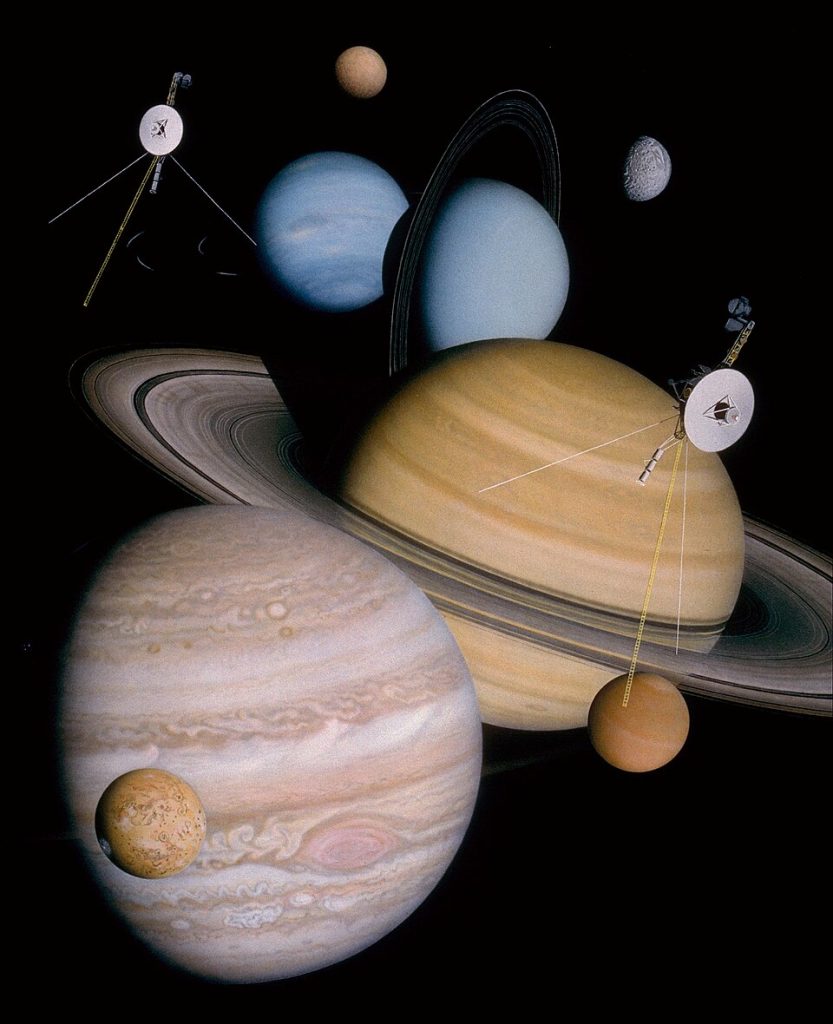
In November 2023, a fault in the Flight Data Subsystem corrupted science and engineering transmissions. Engineers traced this to a stuck bit in a memory chipcosmic ray damage, perhapsthat made 3% of the FDS unusable. Working with only 69.63 kilobytes of memory, they moved code into multiple smaller segments of memory, overwriting unused functions like high‑rate data modes from the Jupiter era. Commands took 22.5 hours to reach the craft, and another 22.5 hours for confirmation. On April 20, 2024, Voyager 1 started sending back readable engineering data once more.
5. Communication at the Edge of Feasibility
The Deep Space Network maintains contact with Voyager via gigantic 70‑meter antennas. Data comes in slowly, at 40 bits per second, and debugging is limited by the two‑day round‑trip delay. This delay makes the use of autonomous fault‑protection routines, and redundant hardware, mandatory. In the future, the one‑way delay will be about six days for interstellar probes like concepts destined for 1,000 AUtoo long to accommodate human intervention without AI‑driven diagnostics on board.
6. Cosmic Ray Insights
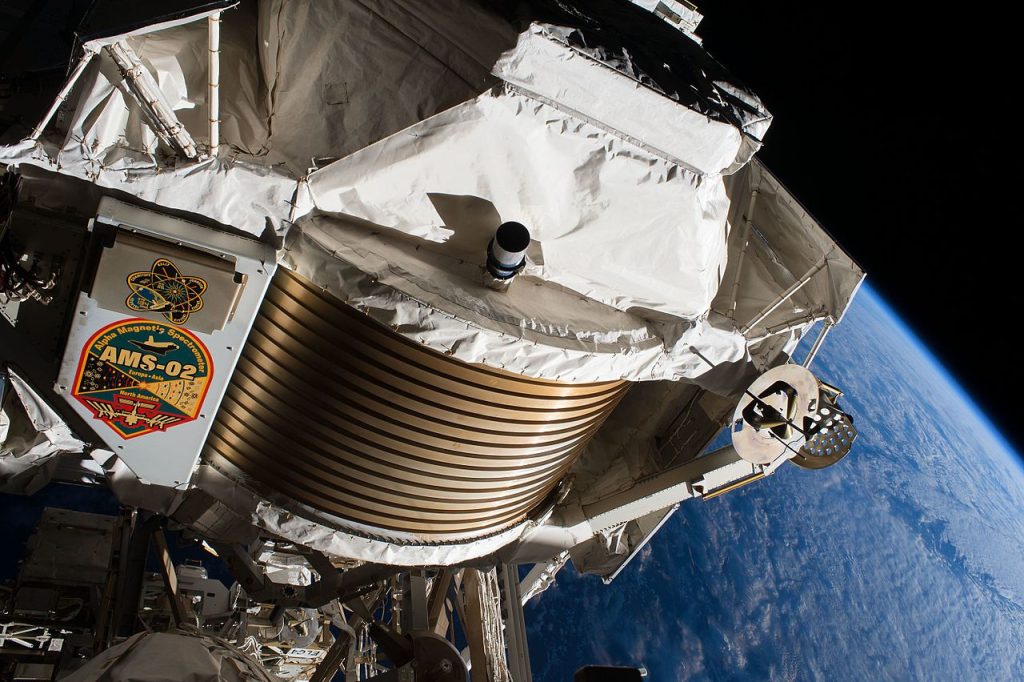
Beyond the heliopause, Voyager 1 measures pristine low‑energy GCRs from 3 MeV/nucleon upward. These data, in concert with PAMELA and AMS‑02 measurements at Earth, advance models of solar modulationthe process by which the Sun’s magnetic field and solar wind alter cosmic ray spectra. Results include charge‑sign dependent modulation, differences in proton and helium spectra due to mass‑to‑charge ratios, and a 40‑fold increase in electron density since 2013.
7. The Golden Record’s Dual Legacy
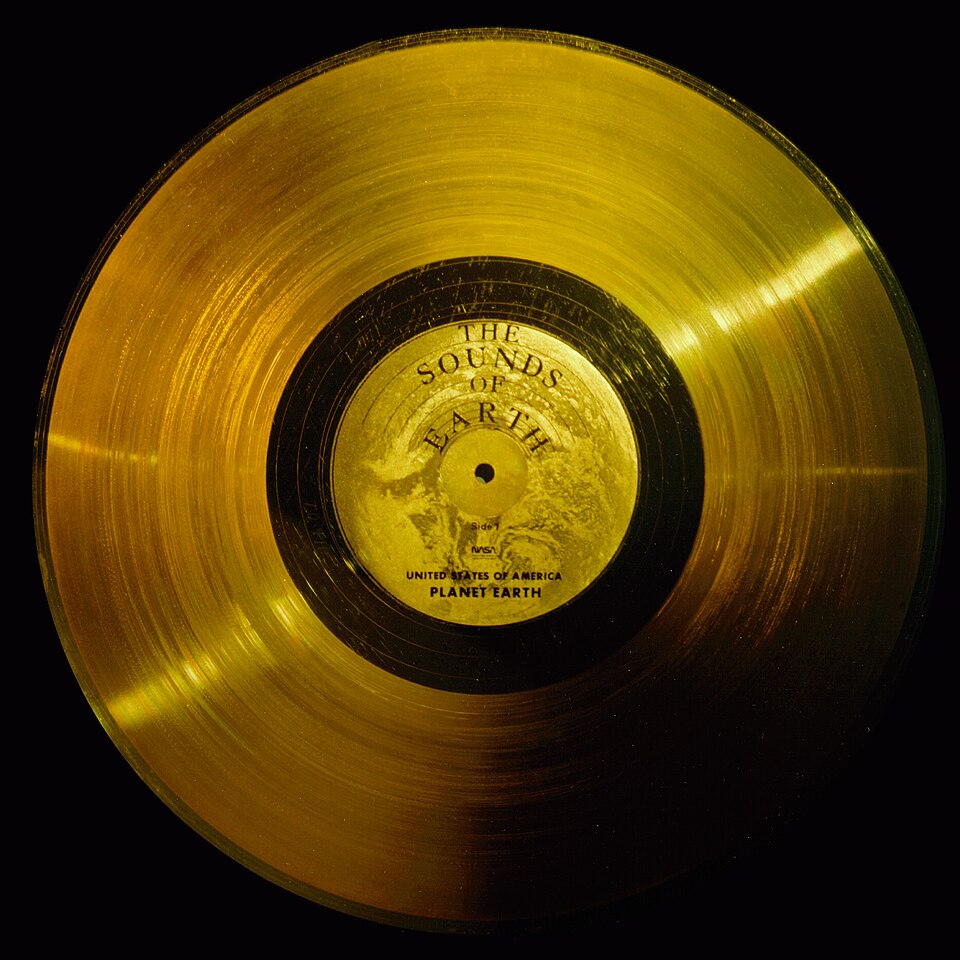
Attached to Voyager 1 is the Golden Record, a gold‑plated copper disc carrying 115 images, 55 language greetings, natural sounds, and music from Bach to Blind Willie Johnson. The brainchild of Carl Sagan’s team, the record has been termed both a cultural time capsule and a symbolic gesture toward extraterrestrial intelligence. The analog encoding on the record is said to be durable enough to function for a billion years, hence being considered humanity’s most enduring artifact.
8. Engineering for the Long Haul
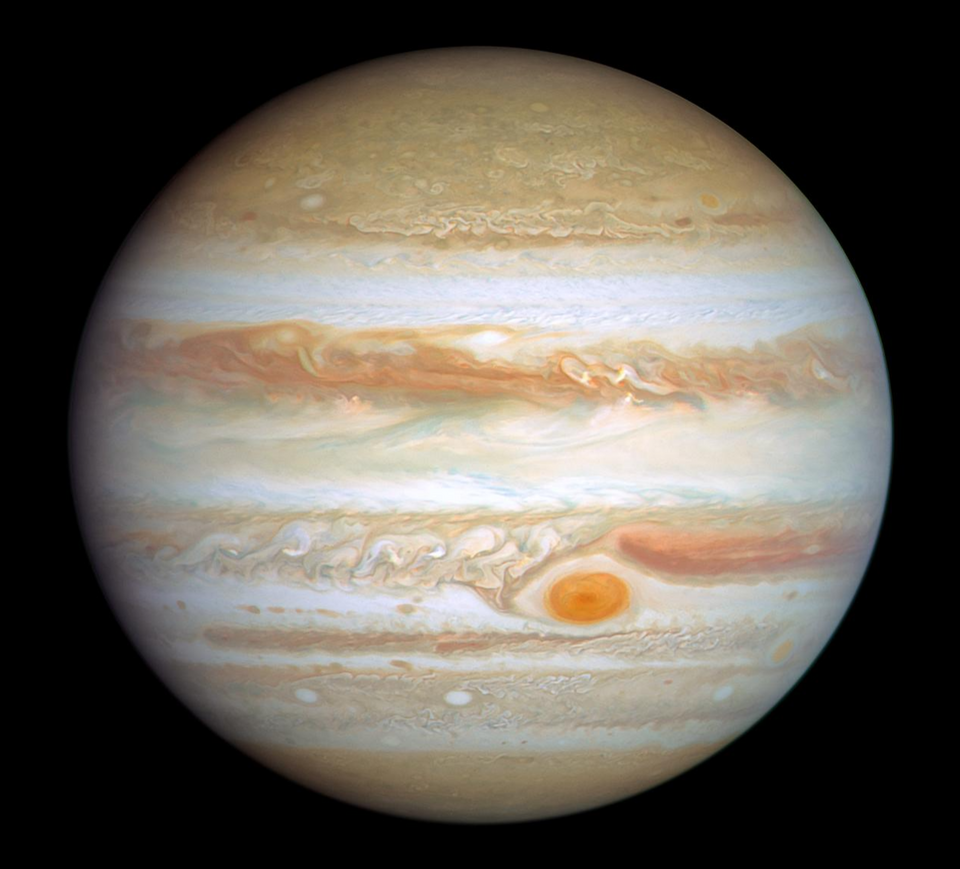
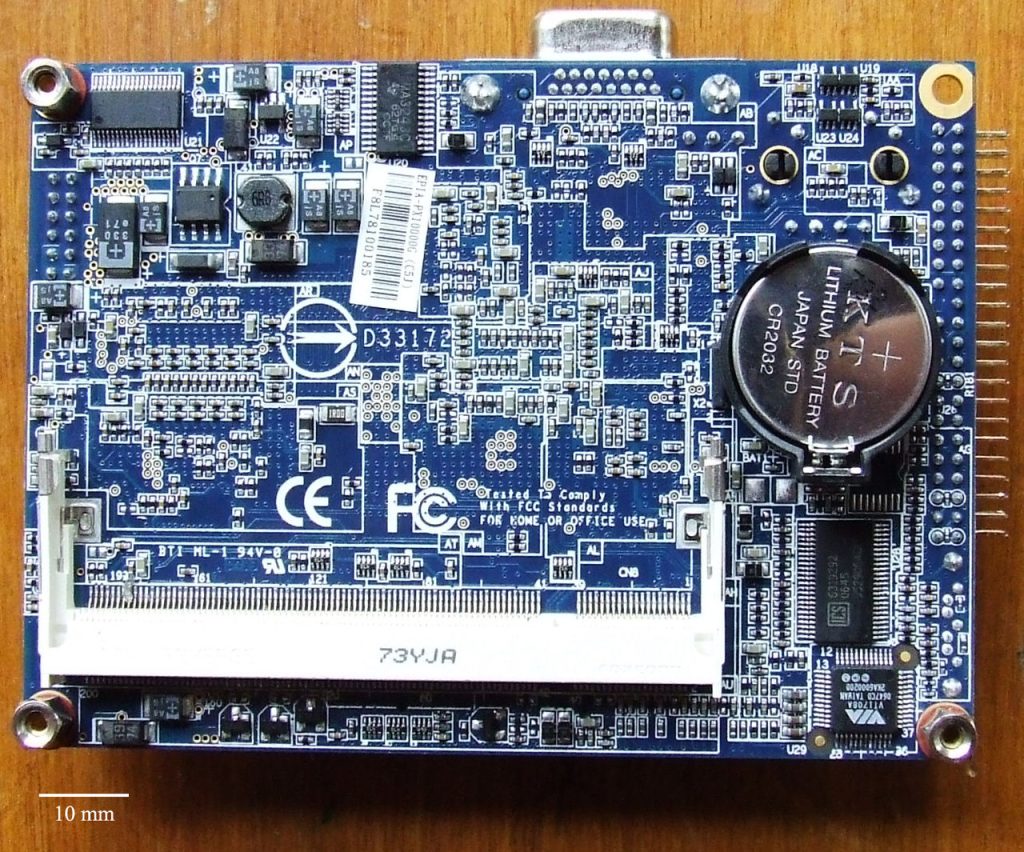
Voyager’s design incorporated reprogrammable computers, volatile CMOS memory, and robust shielding against Jupiter’s radiation-all features now recognized as essential in interstellar space. Its trajectory took advantage of a rare planetary alignment, using gravity assists to reach escape velocity. Each anomaly encountered since launch has seen ingenuity applied, from reprogramming in-flight to managing dwindling power budgets.
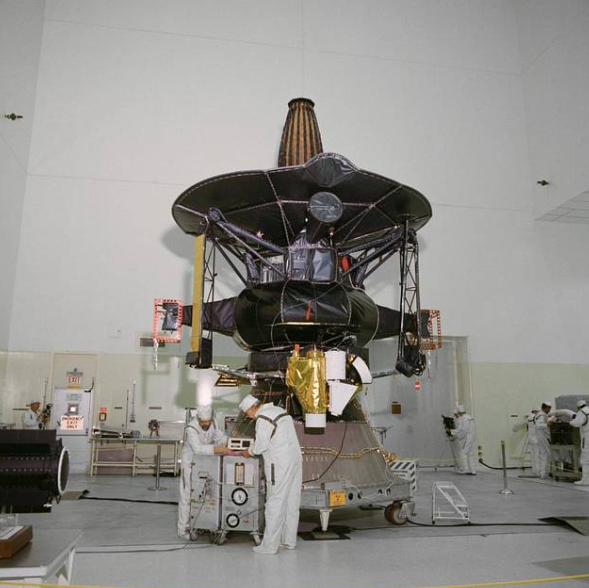
The one‑light‑day milestone will be celebrated not only as a distance record but as proof that with foresight, redundancy, and adaptive engineering a spacecraft can remain operational for decades in environments no human has ever experienced. Every bit of data Voyager 1 sends back, now on its slow path into the galaxy, is a bridge between our small, distant world and the vast unknown.


