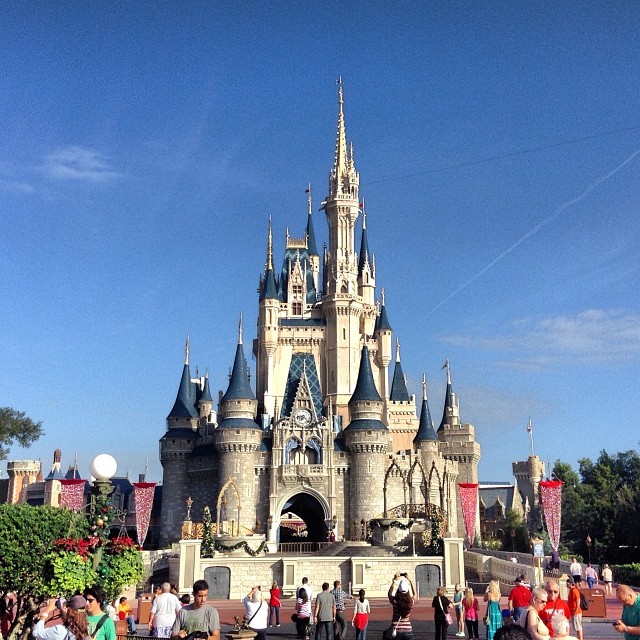
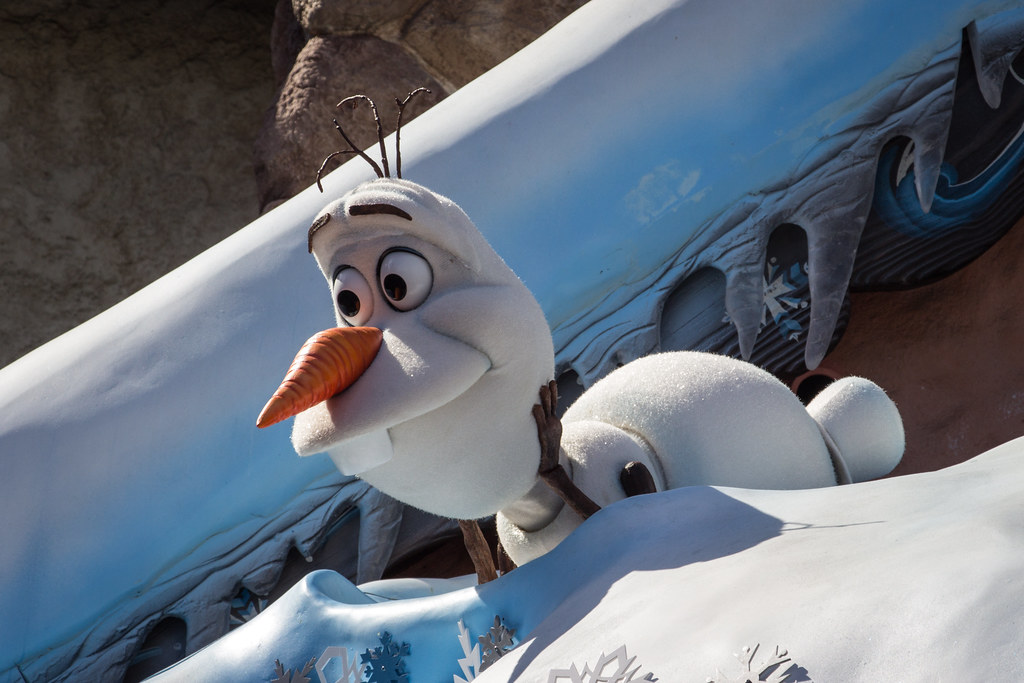
What does it take to make a snowman walk like he’s alive? The answer, for Walt Disney Imagineering, is in combining the most advanced robotics, A.I., and years of storytelling experience. With the premiere of the next-generation Olaf robotic figure for World of Frozen at both Disneyland Paris and Hong Kong Disneyland, a leap forward was taken in how characters step off the screen into the parks.
1. Teaching Olaf to Walk with Reinforcement Learning
Olaf’s mobility is powered by reinforcement learning, a subfield of AI that enables robots to learn complex behaviors through trial-and-error simulations. In collaboration with NVIDIA and Google DeepMind, Disney developed Newton, an open-source physics engine, along with Kamino, a simulator that allowed virtual characters to learn locomotion before physical builds.
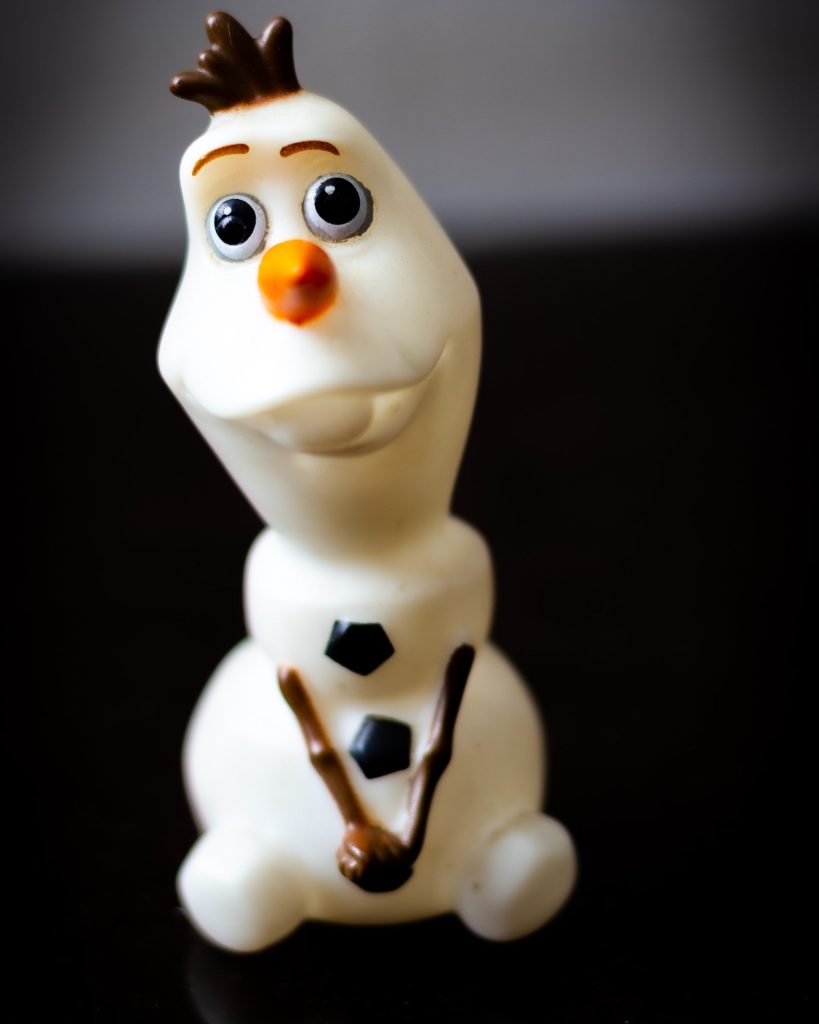
This process condenses what once took several years down to a few weeks, with graceful, natural movements intact, and the animators’ original intent preserved. The result is a waist-high Olaf who waddles, pivots, and interacts with guests in real time, complete with detachable carrot nose and twig arms for playful exchanges.
2. Expressive Animatronics with Real-Time Projection
Beyond the movement, Olaf’s charm is his face. Imagineers are experimenting with real-time front projection mapped onto static facial shells, removing the need for complex internal mechanics. This technique allows micro-expressions, skin texture changes, and transformations-like blushing or crying-without physical rework. Precision calibration tools include AR marker crowns and custom software, which make sure the projection perfectly aligns with the molded head and keeps the illusion during dynamic performances.
3. From Tiki Room Birds to AI-Driven Characters
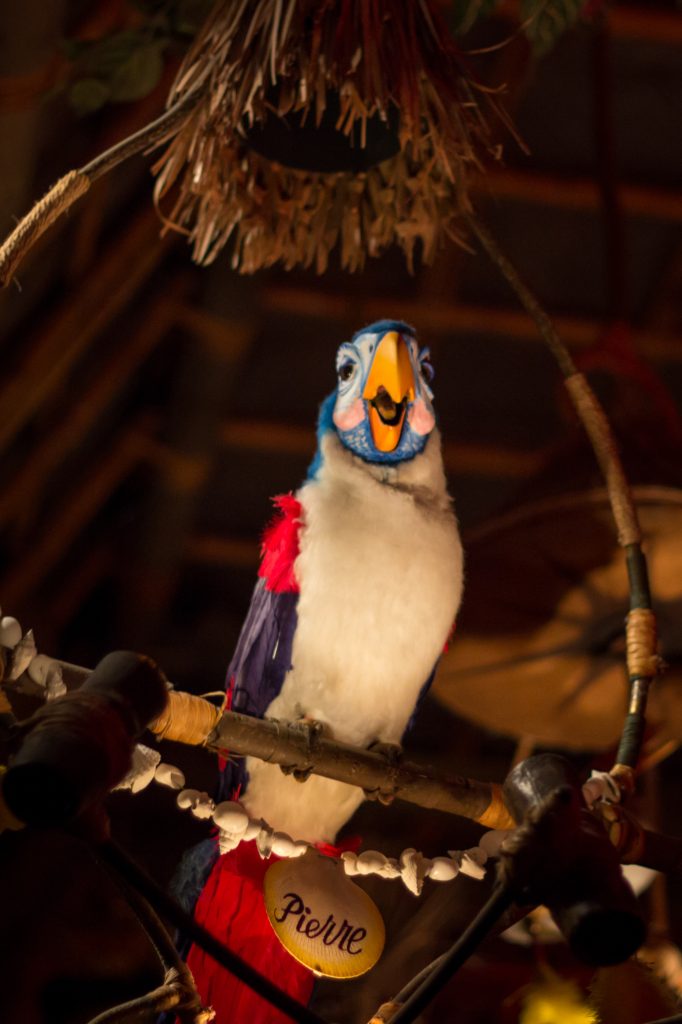
Disney’s animatronic journey started with the Enchanted Tiki Room birds in 1963, continued with Abraham Lincoln at the 1964 World’s Fair, Pirates of the Caribbean, and modern stuntronics like Spider-Man flipping 65 feet in Avengers Campus. Olaf represents the next chapter: free-roaming, AI-enhanced characters capable of autonomous interaction. In the words of Bruce Vaughn, President and CCO of Walt Disney Imagineering: “We met Olaf. It was actually the real Olaf.”
4. The BDX Droids and Shared Robotics Platforms
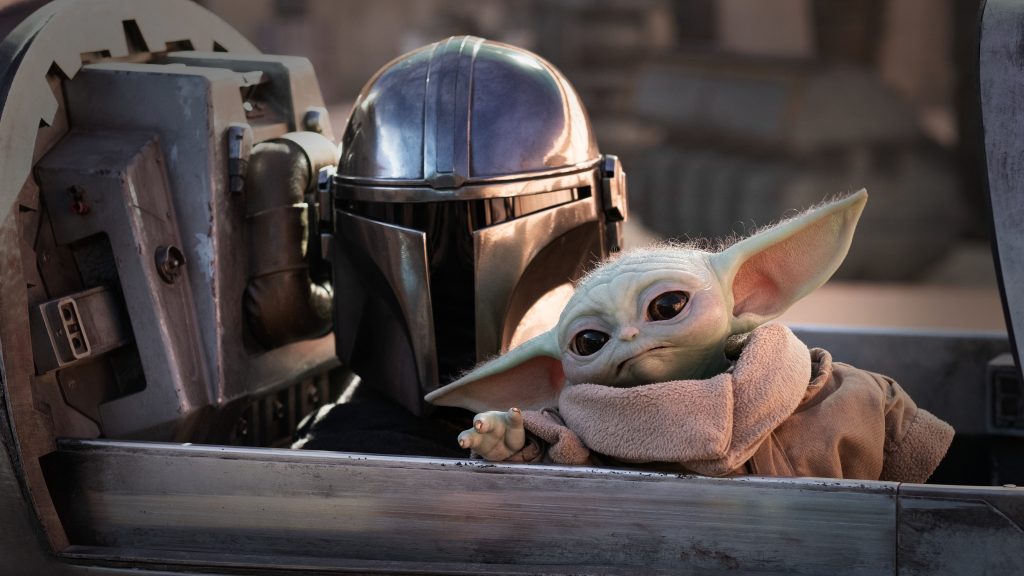
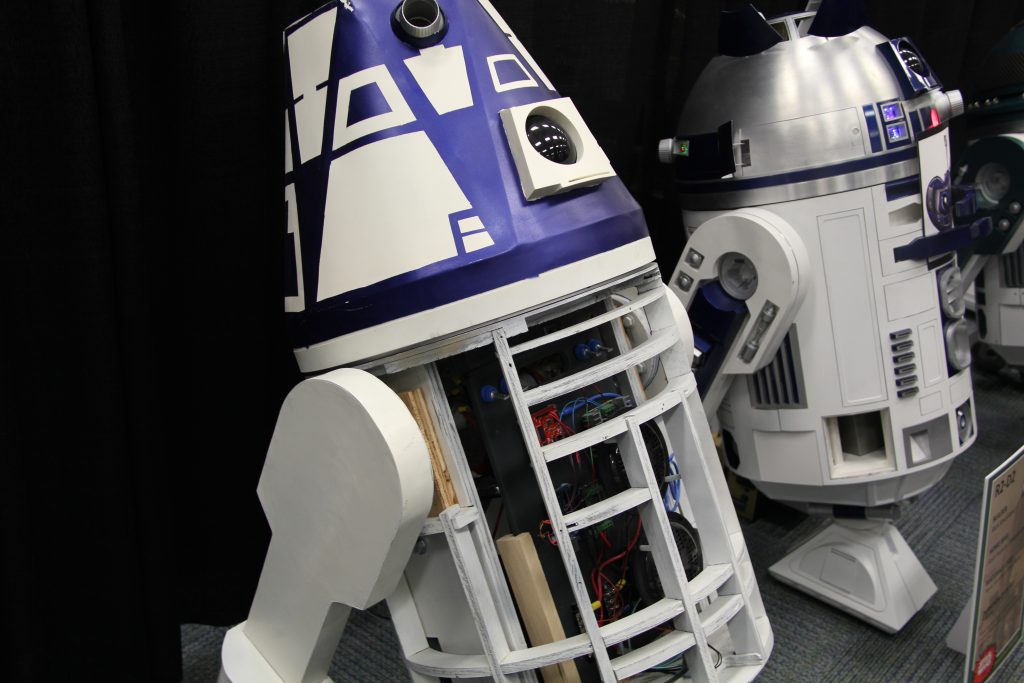
Olaf shares his tech heritage with the BDX Droids, expressive bipeds trained entirely in simulation before hitting the parks. The droids balance like living creatures, interact with guests, and even star in live-action shows like *The Mandalorian and Grogu*. The Disney Robotic Character Platform is modular; reinforcement learning, expressive motion, and character-driven design can be repurposed for the next creations in parks and on cruise ships.
5. Aquatic Robotics: Expanding Storytelling Horizons
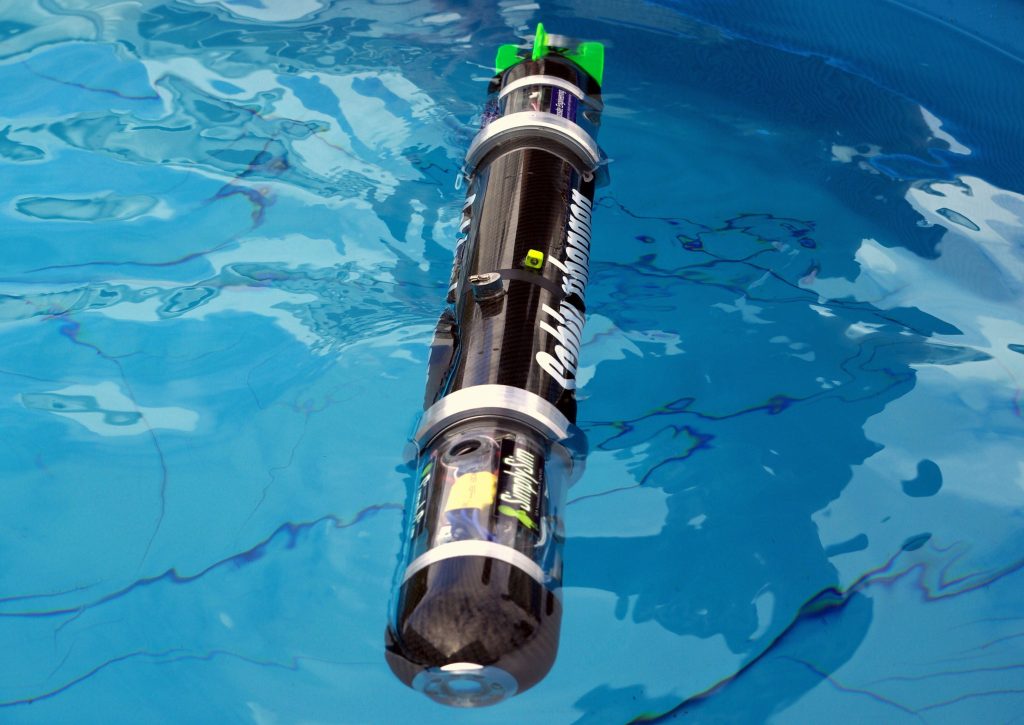
Meanwhile, as Olaf walks on land, Imagineers have been testing their aquatic prototypes that will be used in the new Avatar-themed land at Disney California Adventure. Designs feature dolphin-like robots with servo-driven biomimicry, manta ray-inspired gliders, and hydrofloat devices fitted with GPS and sensors that allow them to move on their own. These systems employ jet pump propulsion and onboard autonomy, akin to that used in self-driving cars, to unlock immersive possibilities for live water-based performances.
6. Millennium Falcon: Smugglers Run Upgrade with Unreal Engine 5
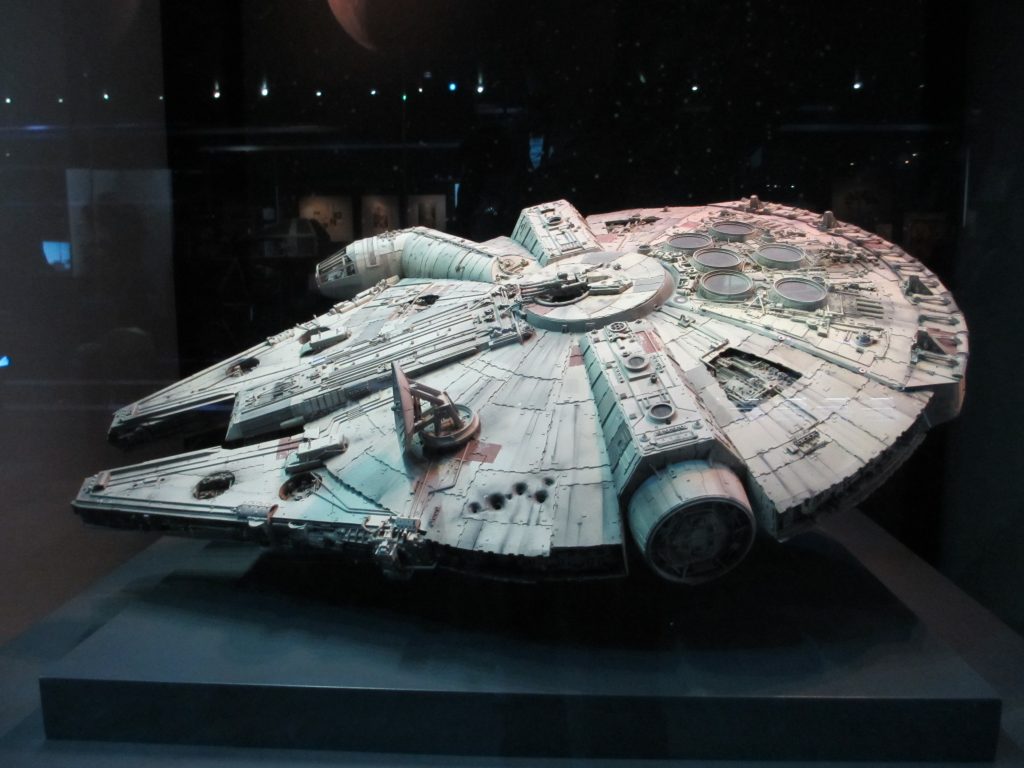
As revealed on May 22, 2026, Millennium Falcon: Smugglers Run now boasts a new mission with Mando and Grogu, made possible by Unreal Engine 5 from Epic Games. Five projectors that are synchronized create the renderings of destinations in real time, taking guests to Bespin, the Death Star wreckage of Endor, and Coruscant with unprecedented interactivity. Now, instead of passive participation, engineers will choose the destination for the crew, amplifying agency and replay value.
7. Strategic Technology Partnerships that Drive Innovation
These three new waves of animatronics center around Disney’s recent partnerships with NVIDIA, Epic Games, Google DeepMind, and Meta. In fact, the latter’s Wearables Device Access Toolkit and its AI glasses could let guests gain real-time information in parks or visualize ideas for Imagineers during development. These partnerships ensure that advances in AI, projection mapping, and robotics serve the story first, blending seamlessly into the guest experience.
8. Meeting Rising Guest Expectations
As Vaughn says, “Guests are getting more and more sophisticated, and expectations get higher.” This is Disney’s answer to those demands: the combination of AI locomotion, projection-based expressiveness, and interactive storytelling. Whether it’s the snowman charm of Olaf, the lifelike curiosity of a droid, or a Falcon cockpit rendered in cinematic fidelity, emotional connection through technology is the goal.
From the icy streets of Arendelle to the cockpit of the Millennium Falcon, Disney’s next-generation animatronics are not only mechanical marvels but also engineered to feel alive, emote, and deepen the bond between guests and the worlds they love.


