

It’s plausible that alien oceans are boiling away in the dark, covered by ice thicker than Everest is tall. For decades, scientists considered icy moons to be frozen relics stuck in perpetual deep freeze. But evidence from missions like Cassini and Hubble combined with state-of-the-art planetary science has proved otherwise: worlds like Saturn’s Enceladus and Jupiter’s Europa are far more dynamic-and potentially habitable-than anyone ever imagined.
1. Hydrothermal Energy Below Enceladus
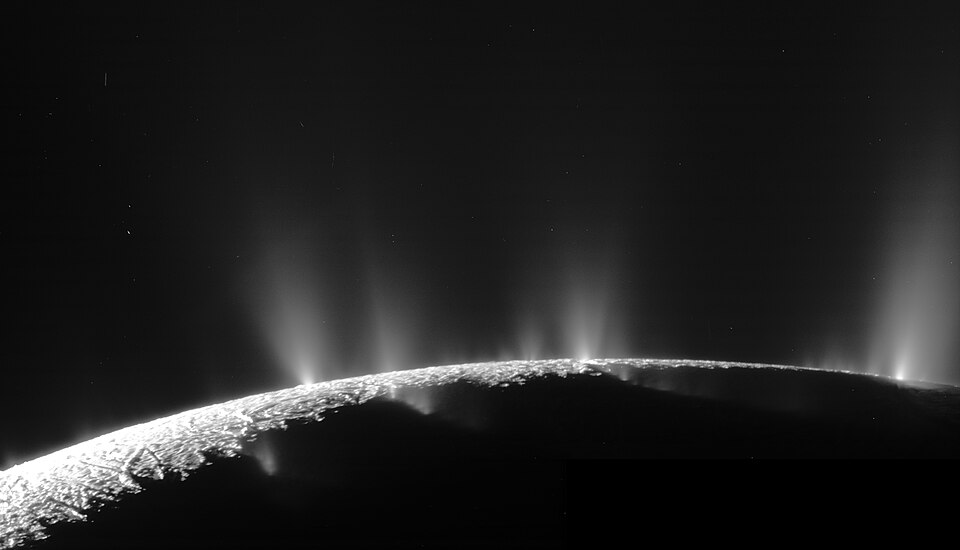
Cassini’s 2015 fly-through of Enceladus’ south polar plume provided the first direct chemical evidence of molecular hydrogen (H₂) in the escaping vapor, as detected by the Ion Neutral Mass Spectrometer. The most plausible origin for this hydrogen is hydrothermal reactions ongoing between the ocean and a rocky core analogous to serpentinization processes occurring on the Earth’s seafloor.
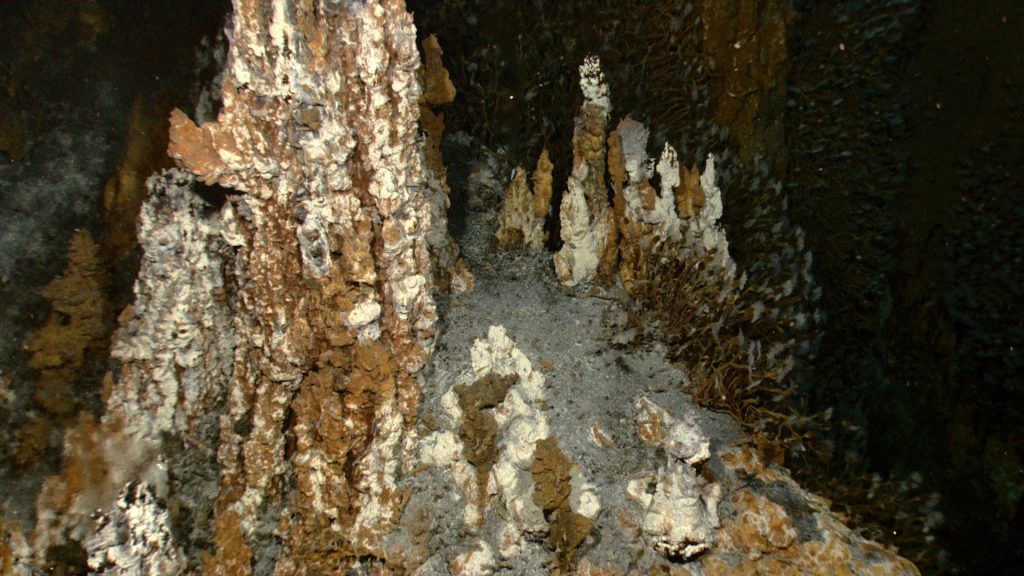
These reactions would cause the ocean to deviate from chemical equilibrium, producing conditions appropriate for the formation of methane from CO₂, potentially an energy source for microbial life. The velocity of the plume was measured at 1,300 km/h, and the presence of salts and organics within it suggests active seafloor vents feeding the subsurface ocean.
2. Europa’s Geysers and Ocean Chemistry
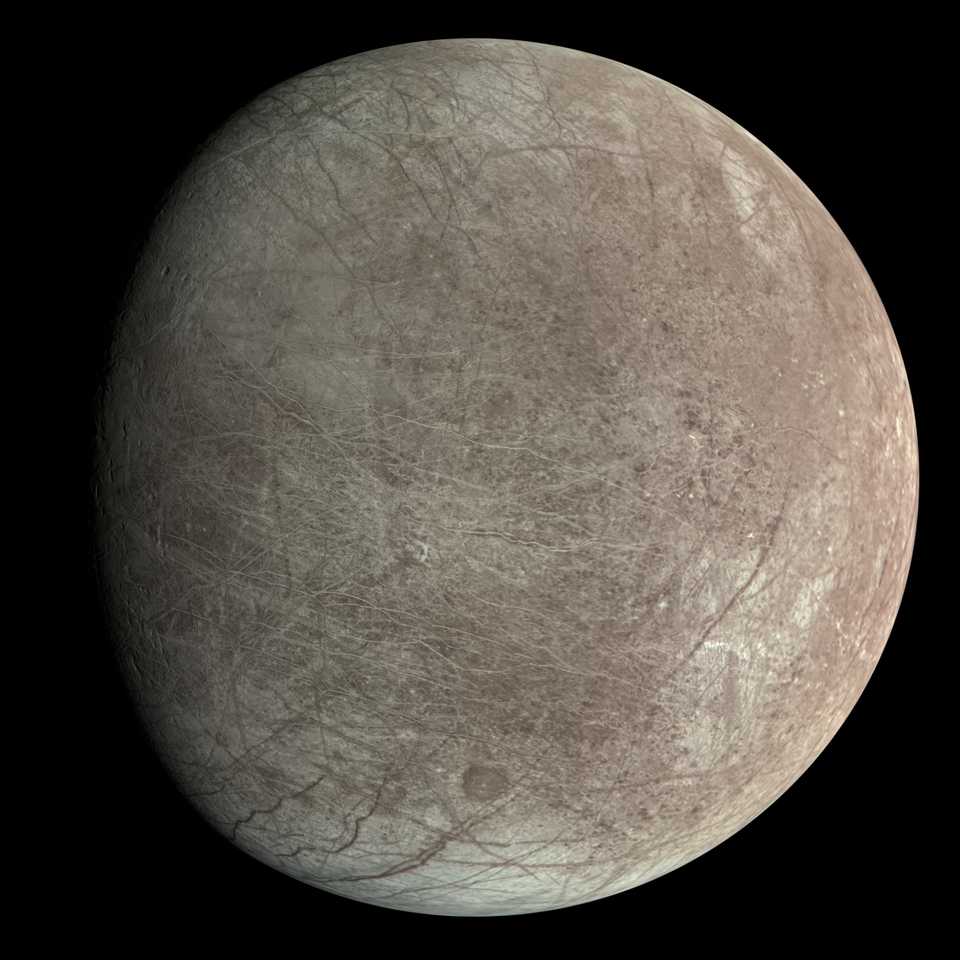
Its geyser-like eruptions, detected by Hubble in 2014 and in 2016, rose to altitudes of 50–100 km and ejected water into space. Now, the James Webb Space Telescope has detected carbon dioxide concentrated in Tara Regio, a geologically young chaos terrain where ocean-derived salts were previously identified. Analysis shows this carbon likely came from the subsurface ocean and was deposited recently, implying active material exchange between ocean and surface. “By far the simplest explanation for this water vapor is that it erupted from plumes on the surface of Europa,” said Lorenz Roth, underlining the potential for direct sampling of ocean chemistry without drilling.
3. Cryovolcanism: Volcanic Activity in Deep Freeze
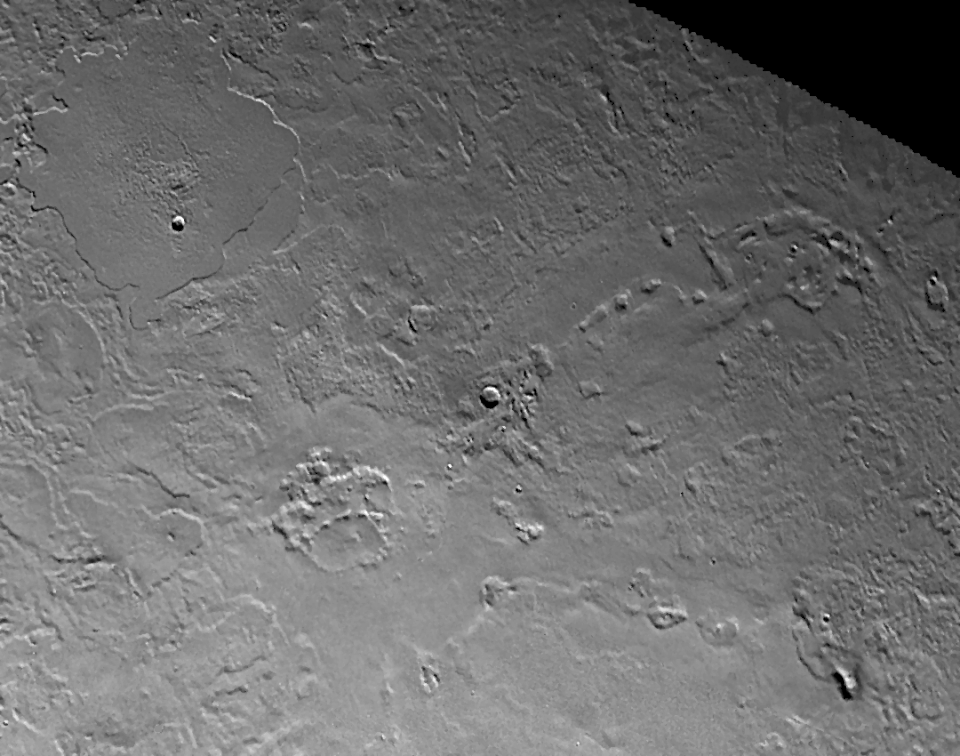
Cryovolcanism the eruption of volatiles such as water, ammonia, and methane at temperatures far below freezing has now been confirmed on Enceladus and suspected on Europa. Voyager, Galileo, and Cassini images showed smooth plains, dome-like features, and fissures that resembled volcanic features seen on Earth but were composed of ice. The tidal forces from host planets flex these moons and create internal heat to keep oceans liquid and drive eruptions. On Enceladus, four “tiger stripe” rifts are 70°C warmer than the surrounding terrain and serve as conduits for plume material.
4. Formation Beyond the Snow Line
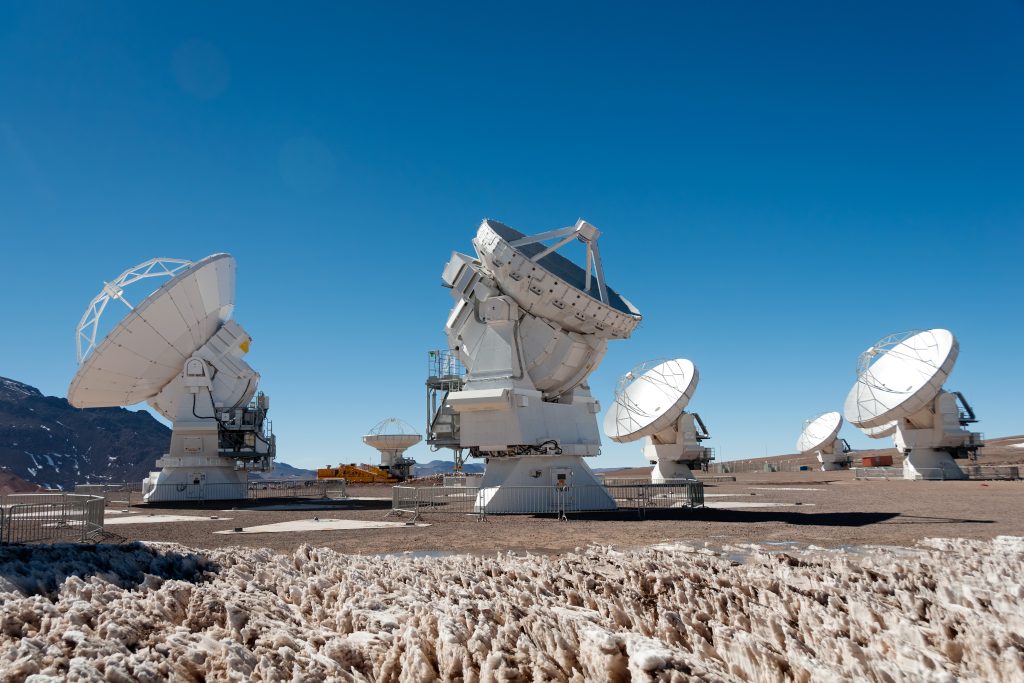
The abundance of water in the outer Solar System is linked with protoplanetary disk chemistry. Beyond the “snow line,” temperatures were low enough that water ice dominated the solid material, enhancing the growth of volatile-rich bodies. ALMA observations of disks similar to HL Tau have mapped water snowline locations, showing how the icy planetesimals formed with vast reservoirs of volatiles. This early distribution of ice explains why moons of Jupiter and Saturn are much more water-rich than Earth.

5. Engineering Challenges for Ice-Penetrating Landers
To reach subsurface oceans, tens of kilometers of ice have to be drilled through. The concept for NASA’s now-shelved Europa Lander had been in development for well over a decade: a four-legged independent robot with stereoscopic cameras, LED lighting, and a drilling arm. It was tested in Alaska and demonstrated terrain-adaptive walking and autonomous operations for hours without guidance – a necessity given huge communication delays. On Europa, heavy radiation shielding is needed Enceladus is a somewhat more benign but nevertheless very cold world.
6. Interfaces of Habitability
Habitability depends on interfaces where gradients in chemistry and energy can drive reactions. On such moons, possible zones include the seafloor, where hydrothermal vents meet ocean water, and the ice-ocean boundary where cryovolcanism can cycle nutrients. “We have cryomagmas moving through the ice shell, so then you have warm, slushy, salty pockets of water,” Lynnae Quick said. The existence of such nooks and crannies would support microbial life, similar to bacteria that exist in gas clathrates on Earth.
7. Future Missions and Sampling Strategies
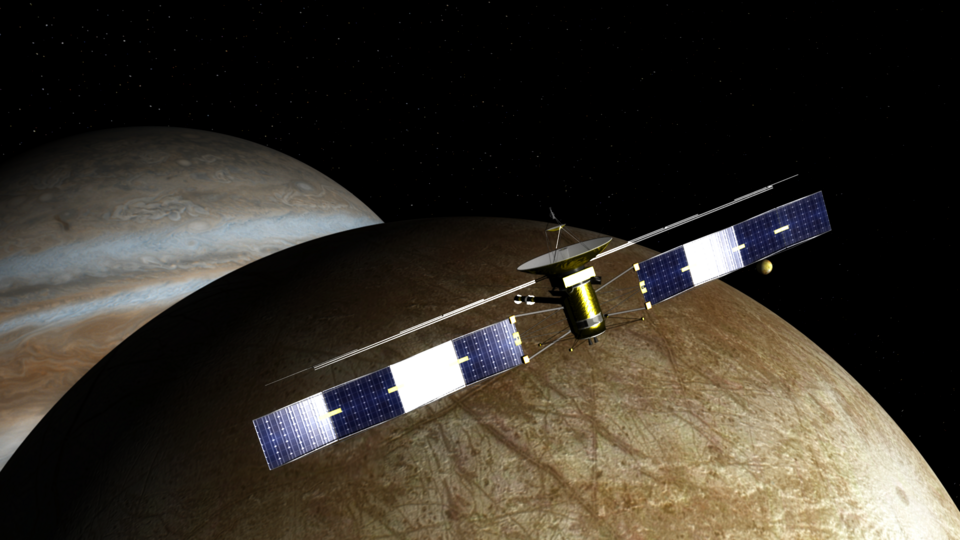
The Europa Clipper, launching in 2024, will conduct dozens of close flybys targeting plume sampling and high-resolution mapping for landing site identification. ESA’s JUICE mission will study Europa, Ganymede, and Callisto with remote sensing and in situ instruments. Sampling material from a plume-already demonstrated with Cassini at Enceladus-offers a low-risk way to probe the chemistry of an ocean without deep drilling, possibly revealing biosignatures.
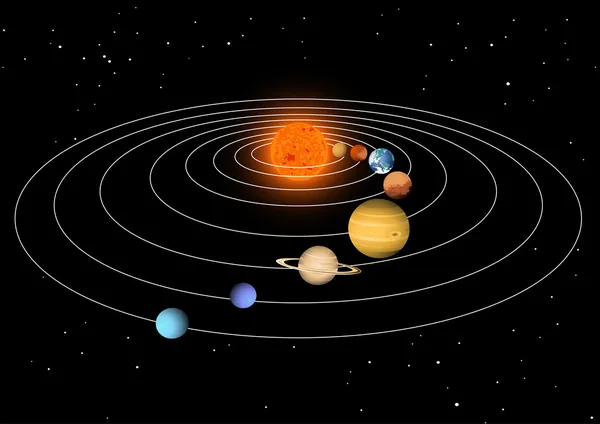
The emerging picture is one of an outer Solar System full of water, geological activity, and chemical diversity. Innovations in engineering are combining with orbital reconnaissance to transform these distant icy worlds from points of light into complex, potentially life-supporting environs.


