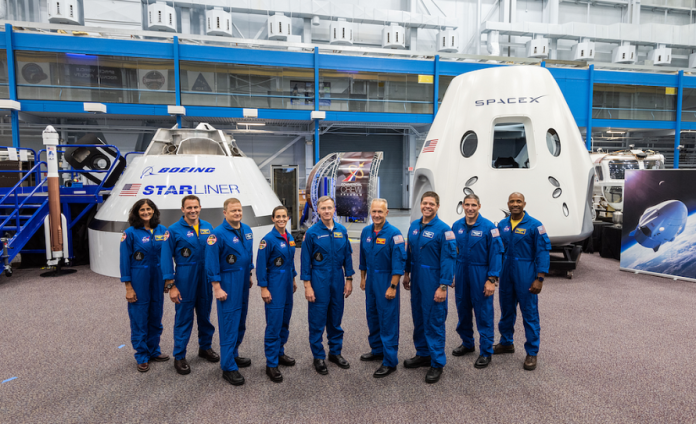
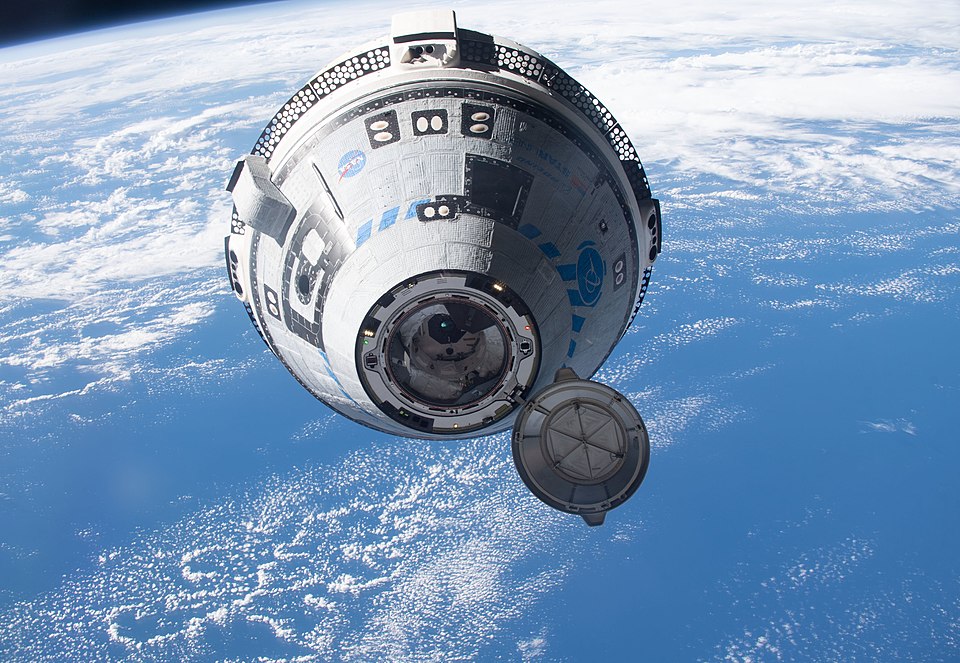
This determination not to send astronauts on Boeing’s next Starliner mission is based on a series of engineering failures that almost prevented the spacecraft from attempting its first crewed flight, slated for 2024. NASA further added that the next Starliner-1 mission, now targeting no earlier than April 2026, will carry only cargo to the ISS while the engineers address the issues relative to the vulnerabilities in the propulsion system. This was a strategic pause in the program, which cut the projected number of flights from six to four and pushed certification for crewed operations further into the decade.
1. Thruster Failures During Crew Flight Test
The June 2024 Crew Flight Test laid bare critical vulnerabilities in Starliner’s reaction control system. While the capsule was staging an approach to the ISS, two aft-facing thrusters failed, firing a flight-rule threshold for abort. Within minutes, a third and then a fourth thruster went offline, stripping the spacecraft of full six-degrees-of-freedom control. NASA mission control remotely reset the thruster system after waving standard rules, restoring partial maneuverability. “I don’t know that we can come back to Earth at that point,” said Commander Butch Wilmore afterward, underscoring how serious the incident was.
2. Root Cause: Thermal Deformation of Valve Seals
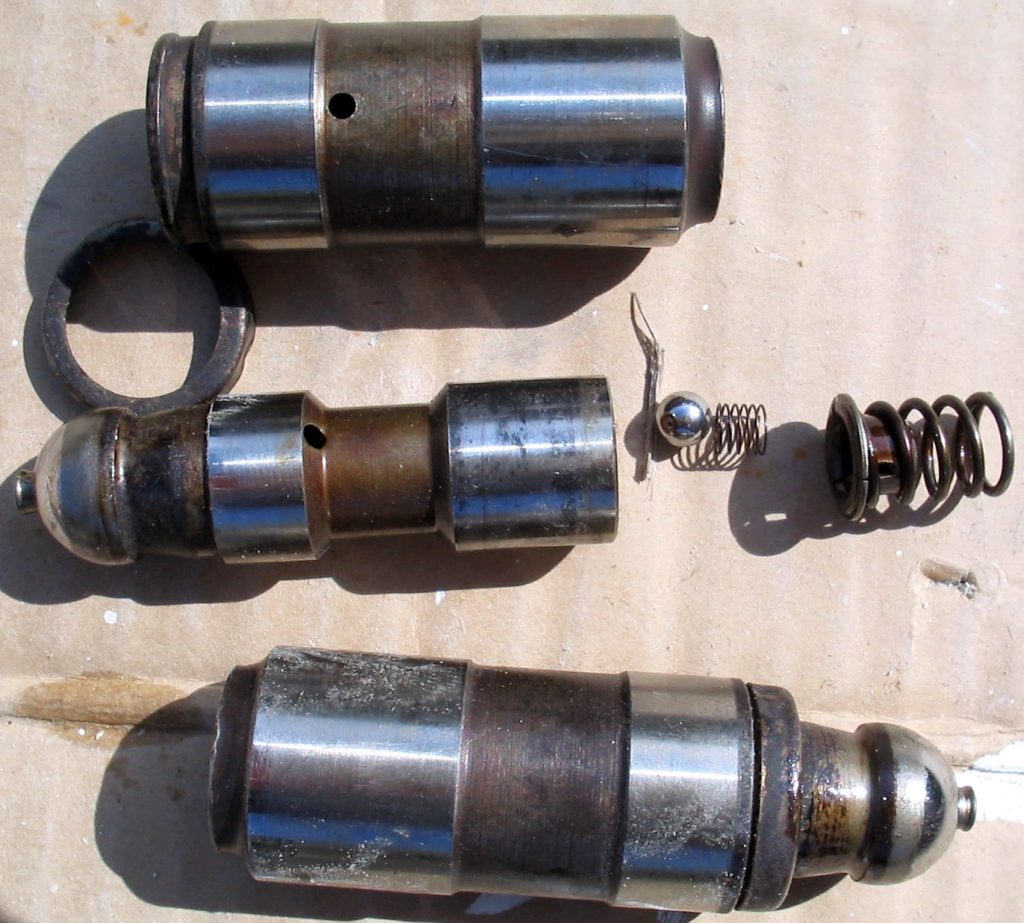
Post-flight analysis revealed that the failures were due to overheating of small Teflon “poppet” seals inside thruster valves. Distortion from repeated firings in direct sunlight prevented the seals from opening fully, thus restricting propellant flow. Even though the seals returned to their original shape during cooling on ground tests, the thermal fragility of the design had not been fully completed during qualification. This weakness was further complicated by five helium leaks in the service module propulsion system-one found before launch and the others that developed during flight-that raised questions about pressure stability and propellant management.
3. Systemic Testing and Verification Gaps
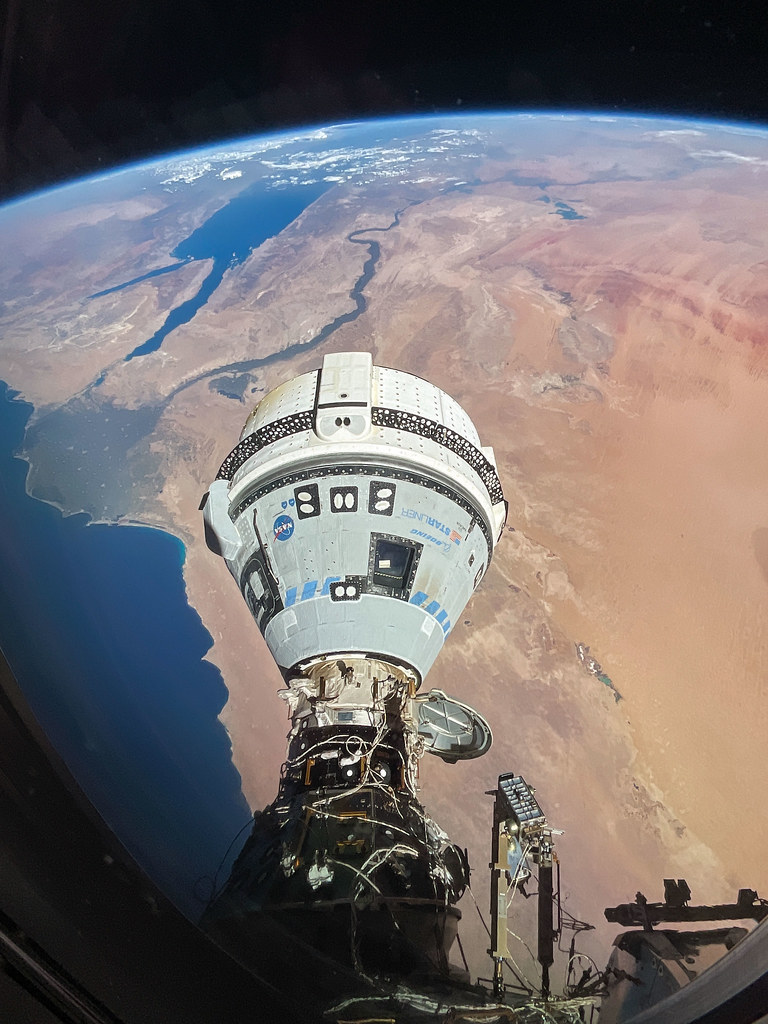
Propulsion anomalies are part of a larger pattern of verification shortfalls that go back to Starliner’s first uncrewed mission in 2019. NASA’s Aerospace Safety Advisory Panel warned that “due to some fundamental [Systems Engineering and Integration] missteps,” the Orbital Flight Test “could have resulted in the loss of the vehicle.” One identified structural weakness was the absence of any single facility that could perform end-to-end avionics and software integration testing. Other missions then encountered oxidizer valve corrosion in 2021, parachute strength margin concerns in 2023, and flammable tape hazards-all requiring redesigns and delaying certification.
4. Cargo-Only Flight as Safety Demonstration
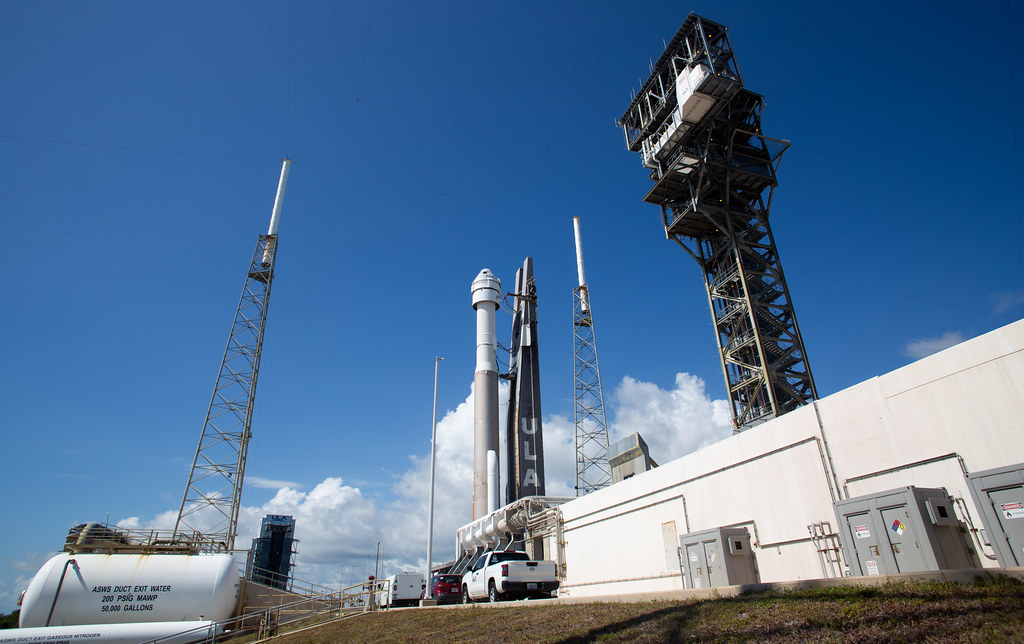
The Starliner-1 mission in April 2026 will help validate in-flight upgrades that have been incorporated into the propulsion system since the Crew Flight Test. “NASA and Boeing continue rigorous testing of the Starliner propulsion system in preparation for two potential flights next year,” said Steve Stich of NASA. This uncrewed flight will let engineers monitor thruster performance under operative conditions without risking crew safety, and its success will be pivotal in greenlighting future astronaut rotations.
5. Contract Amendments and financial implications
NASA is cutting the number of missions under its Commercial Crew contract to Boeing from six to four, a move that trims the value of the contract by $768 million to $3.732 billion. Boeing already has taken on more than $2 billion in cost overruns since 2016 on the fixed-price program. To date, NASA has paid Boeing $2.2 billion but delays have allowed SpaceX’s Crew Dragon to dominate ISS crew transport, securing additional missions through the station’s planned retirement in 2030.
6. Comparative Engineering: Starliner vs Crew Dragon
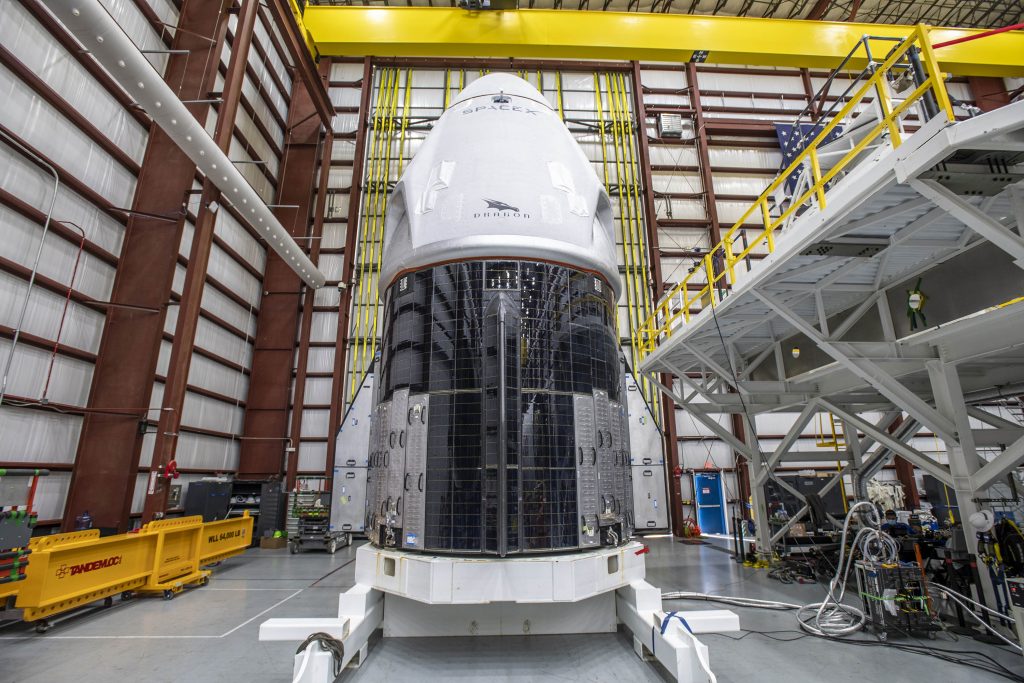
Starliner’s design focuses on ground landings using air cushions, weld-free capsule construction to save weight, and the ability to launch on multiple vehicles using a common adapter. In comparison, Crew Dragon has up to a 10-day autonomous flight capability versus Starliner’s 60 hours; it has also demonstrated reuse for both capsule and Falcon 9 booster. The touch-screen-dominated cockpit in Dragon is quite different from the physical-switch-laden layout in Starliner, while its operation history so far has been free from major propulsion failures.
7. Certification Challenges Ahead
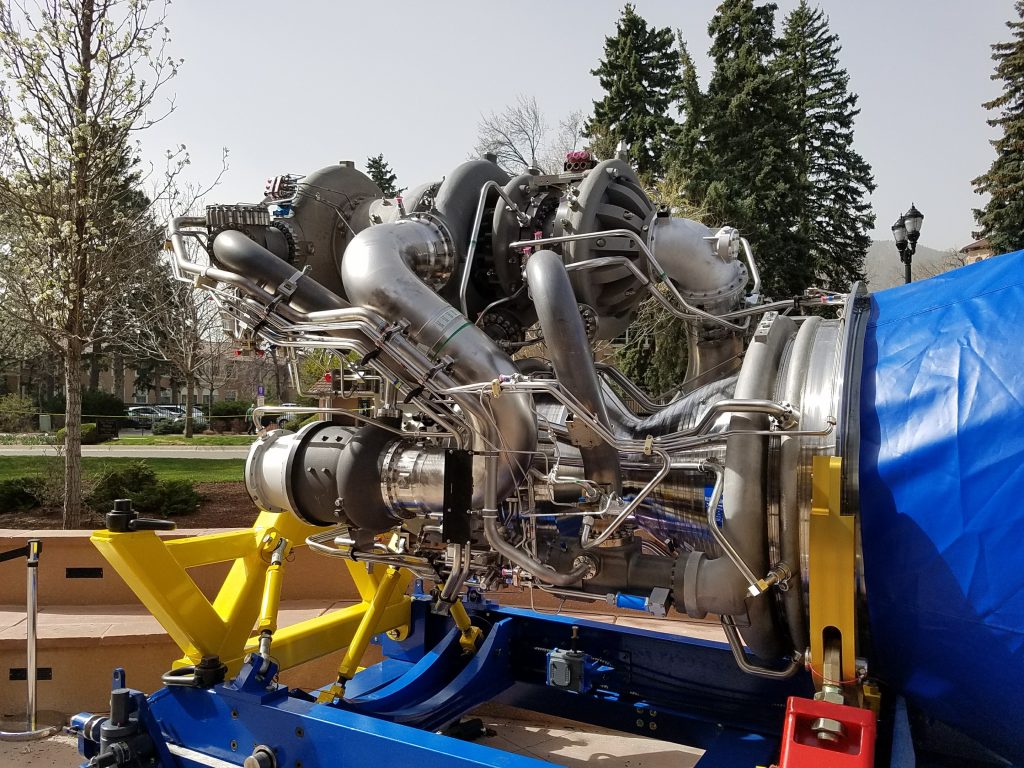
In fact, certification is contingent upon the resolution of the overheating of thrusters and helium leak issues, which may mean hardware redesigns, material changes, and revised operational procedures. Engineers are therefore performing stress-case firings at NASA’s White Sands Test Facility that simulate conditions from undocking to deorbit burn. Data from those tests, combined with engine tear-down inspections, will feed into NASA’s Flight Test Readiness Review. Because the service module is jettisoned before re-entry, post-flight analysis is complicated, and ground replication becomes crucial.
8. Strategic Importance of Redundant Crew Access
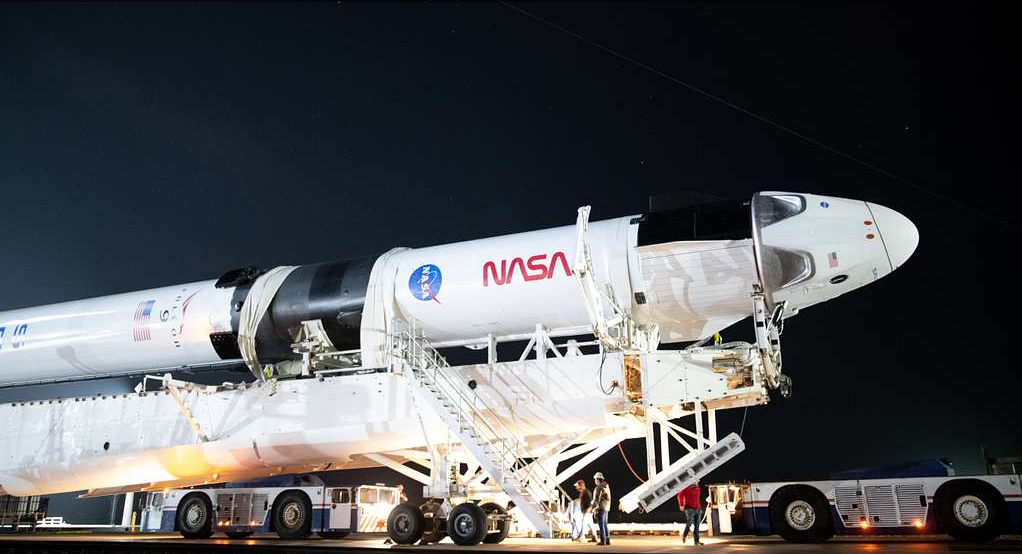
NASA seeks two independent U.S. crew transport systems to avoid again having to rely on Russian Soyuz vehicles should Dragon be grounded. Ultimately certifying Starliner would restore dissimilar redundancy for ISS operations, and position Boeing for roles on future commercial stations like Orbital Reef. For now, though, until propulsion reliability is demonstrated, SpaceX will be NASA’s lead crew transport provider.
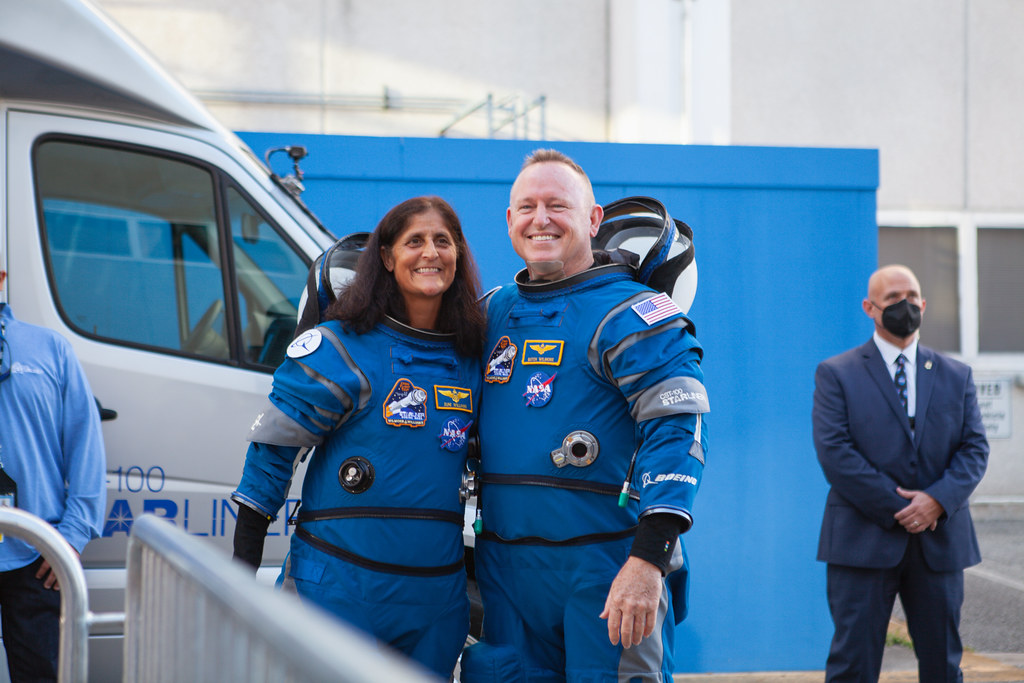
The nine-month Wilmore-Williams odyssey launching on Starliner but returning aboard Crew Dragon has become a case study in the unforgiving nature of spacecraft engineering. For Boeing, the path ahead requires not only technical fixes but also rebuilding confidence in a vehicle designed to be the cornerstone of U.S. human spaceflight.


