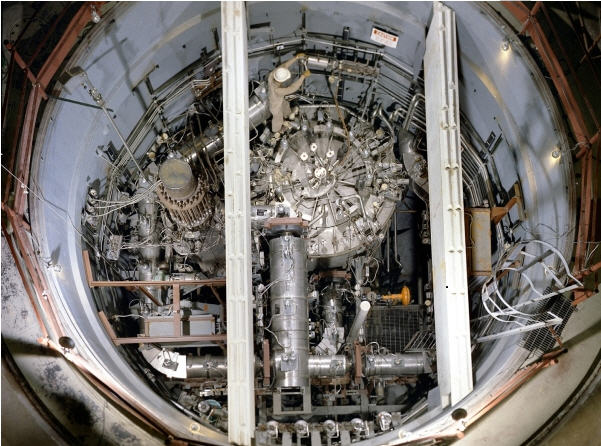
In November 2025, China reached two milestones in advanced nuclear engineering: the world’s first-ever commercial sCO₂ power generator and the first-ever sustained breeding of uranium-233 from thorium in a molten salt reactor. Neither of these breakthroughs is unrelated to the other; both are engineered responses to challenges with efficiency, safety, and energy security that have defined nuclear power for decades.
1. The Engineering Leap of sCO₂ Brayton Cycle Power
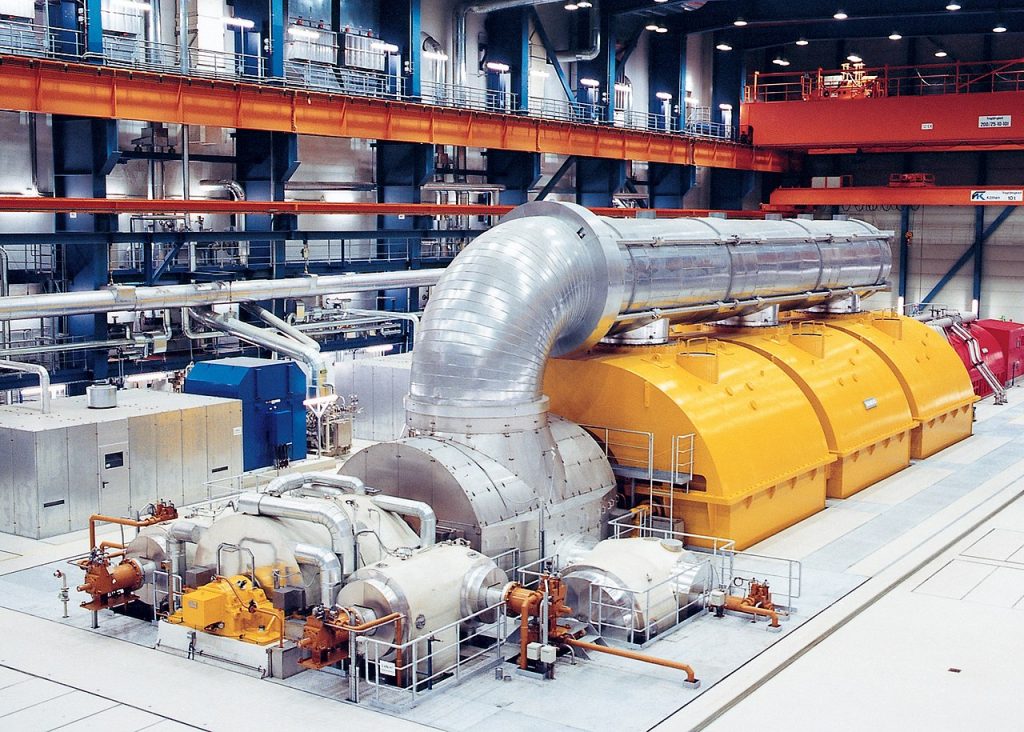
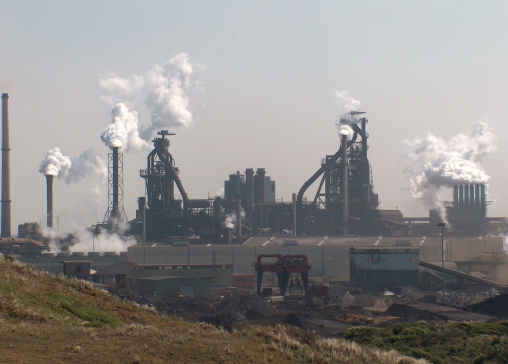
The China National Nuclear Corporation, CNNC, recently put an sCO₂ waste heat power generator on the grid at Shougang Shuicheng Steel in Guizhou. Unlike conventional Rankine-cycle turbines that use water-based steam, the system leverages carbon dioxide operating at supercritical pressures and temperatures, where CO₂ demonstrates liquid and gaseous properties, returning upwards of 50% higher efficiency compared to similarly-sized steam turbines. Because CO₂ is denser, sCO₂ turbines also tend to be more compact, which reduces the turbomachinery and heat exchanger footprint-a fact that makes them suitable for space-constrained applications like marine propulsion or spacecraft power systems.
2. Design Advantages & Industrial Integration
The facility in Guizhou will recover high-grade waste heat directly from steelmaking to generate electricity, while realizing industrial symbiosis between heavy manufacturing and advanced energy systems. In addition, the sCO₂ Brayton cycle minimizes losses associated with heat transfer and allows for higher turbine inlet temperatures, which is the key to better thermal-to-electric conversion. These attributes are already under evaluation in the U.S. Department of Energy’s STEP Demo pilot plant, but China’s deployment is the first at commercial scale.
3. Thorium Molten Salt Reactor Breakthrough
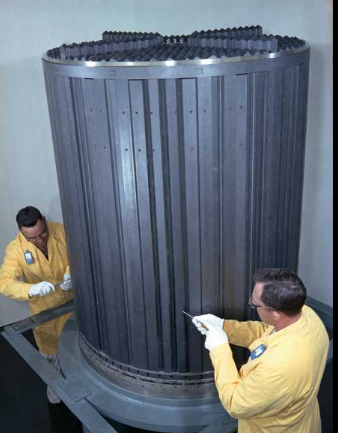
Running in tandem, the Chinese Academy of Sciences’ 2 MWt TMSR-LF1 thorium molten salt reactor, in the Gobi Desert, attained the world’s first ever steady state thorium-to-uranium fuel cycle in an operating reactor. Thorium-232 dissolved in molten fluoride salt breeds fissile uranium-233 during operation. First attaining criticality in October 2023, the reactor has since regularly generated heat; the thorium load was added in October 2024. “This is the first time international experimental data has been obtained after thorium was introduced into a molten salt reactor,” said Li Qingnuan.
4. Safety and Materials Engineering in MSRs
Molten salt reactors inherently operate at near-atmospheric pressure, eliminating high-pressure failure modes common to light-water reactors. The TMSR includes a passive “frozen salt plug” at the bottom of the vessel that melts during overheating events, draining fuel salt into subcritical dump tanks. However, the corrosive nature of molten salts necessitates the use of advanced alloys such as Hastelloy-N and corrosion-resistant graphite. Gobi acts as a live testbed for these materials, which must survive decades of high-temperature, high-radiation service without structural degradation.
5. Continuous Refueling and Fuel Utilization
While solid-fuel reactors need to be shut down for refueling, the liquid fuel that circulates through the TMSR allows for online refueling and operation on a continual basis. It ensures that much better use of the fissile material will be attained with reduced volume of long-life nuclear waste. The conversion ratio of ~0.1 demonstrates breeding capability while maintaining operational stability.
6. Waste and Fuel Cycle Considerations
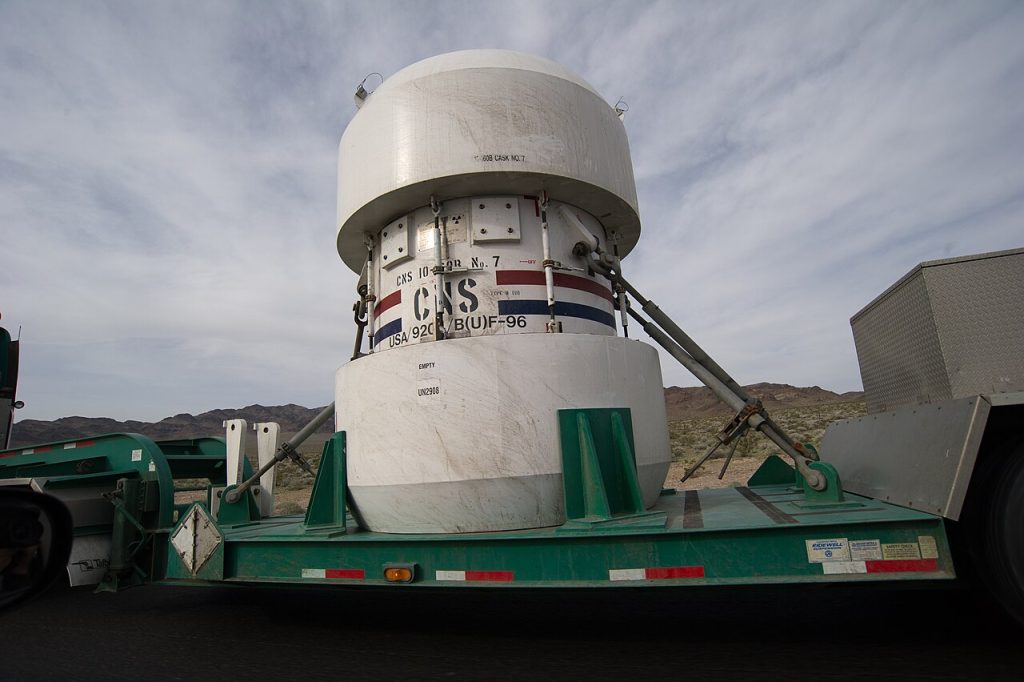
Thorium MSRs produce a chemically complex waste stream along with minimal production of Pu-239 and long-lived transuranics. The water solubility of the produced salts, and their radiolytic degradation over decades, requires engineered pathways to disposal, such as immobilization in halmet or cermet matrices. Fuel cycle studies confirm that waste management considerations must be integrated from the inception of reactor design, along with safeguards for enriched isotopes, and the recovery of the valuable carrier salts such as Li-7 and Cl-37.
7. Strategic Implications for Energy Security
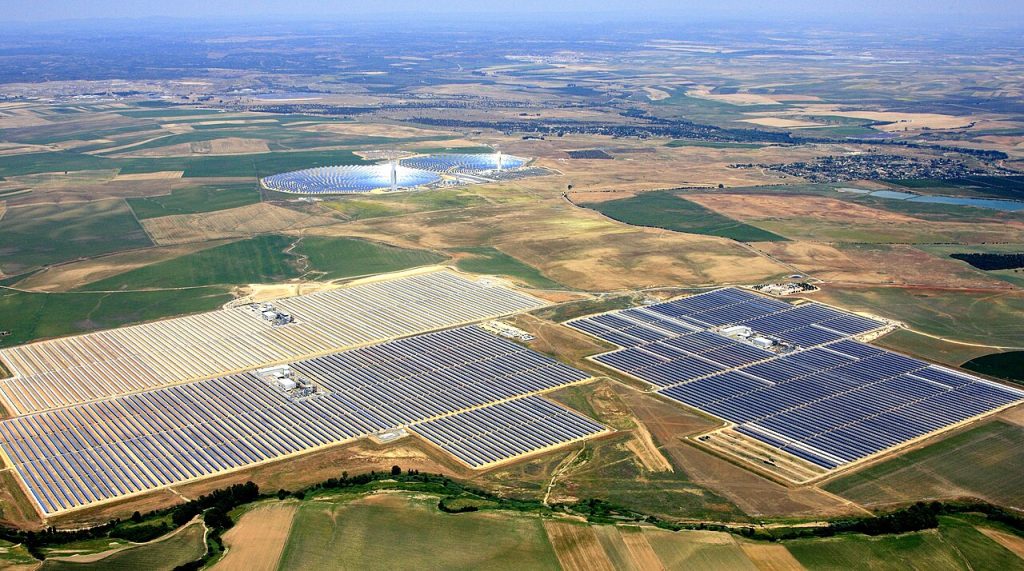
These two related advances align with China’s strategic energy goals of peaking carbon emissions before 2030 and reaching carbon neutrality by 2060. High-efficiency sCO₂ systems can be deployed in nuclear, solar thermal, and industrial applications, while thorium MSRs represent another path to diversifying fuel supply and reducing reliance on imported uranium. In a geopolitical context in which Greater China seeks to cut fossil fuel imports and further enhance grid resilience, such technologies reinforce not just domestic energy security but also exportable clean-tech leadership.
8. Global Competition in Advanced Nuclear
“The Chinese are moving very, very fast,” said Mark Hibbs of the Carnegie Endowment. “They are very keen to show the world that their program is unstoppable.” Deployment is at a pace that contrasts with the more measured pace of demonstration projects in the West. Taken to scale, the two sCO₂ and thorium MSR platforms being used in China could redefine baseload and dispatchable clean power, challenging incumbent nuclear and fossil systems worldwide.
Taken together, China’s engineering momentum in high-efficiency thermodynamic cycles and next-generation nuclear fuel cycles underlines a more general industrial strategy: to incorporate advanced power systems into heavy industry, validate novel reactor chemistries, and stake a competitive advantage in the global clean-energy race.


