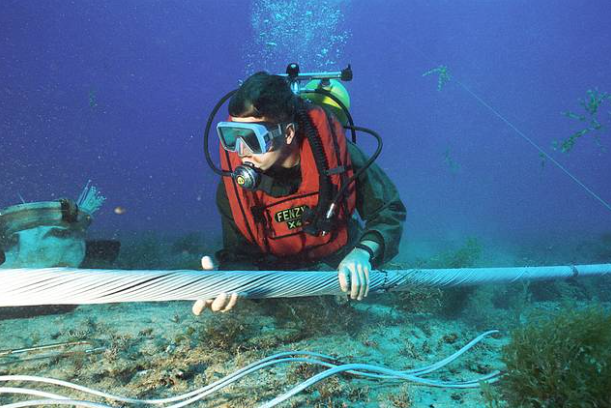
Might the next great conflict start with a silent cut beneath the waves? The latest U.S.-China Economic and Security Review Commission report warns that Beijing is fast-developing technologies to sever deep-sea communications cables-the very arteries of global connectivity. These cables carry up to 95% of the world’s internet traffic, underpinning financial markets, military coordination, and government operations. Their disruption could cripple economies and sever critical communications before a single shot is fired.
China’s development of a cable-cutting ship capable of operating at depths beyond 13,000 feet, combined with a pattern of suspicious incidents from the Taiwan Strait to the Baltic Sea, heralds a new phase in maritime “gray zone” warfare. It is not an isolated technological leap; rather, this is all part of a wider strategy that continuously blends civilian and military assets in order to achieve coercive aims but maintain plausible deniability. The following nine points break down the most alarming aspects of this emerging threat-from patented cutting devices to geopolitical flashpoints-and the countermeasures now being considered.
1. Deep‑Sea Cable Cutter Capable of 13,000‑Foot Operations
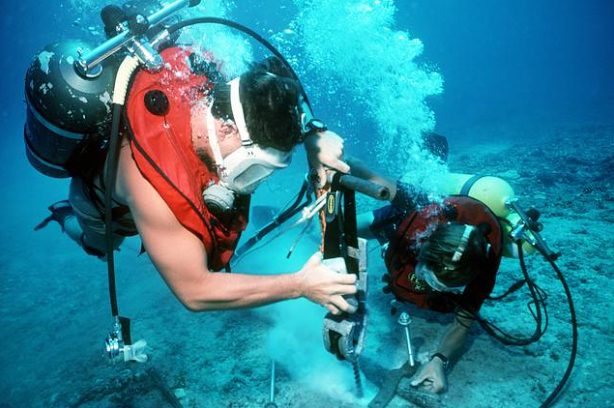
The China Ship Scientific Research Center has unveiled an electric cutting device able to sever armored cables at depths over 13,000 feet. This capability, unprecedented in operational deployment, allows access to critical transoceanic links far beyond the reach of most repair or sabotage vessels. Though officially described as a tool for marine resource development, its dual‑use potential is clear. Such a platform, in contested waters such as the Taiwan Strait or South China Sea, could be deployed to disrupt communications without overt military engagement.
2. Pattern of Suspicious Cable Damage near Taiwan
During the past three years, Taiwan has reported 7–8 incidents of undersea cable cuts on an average every year, with most of them traced to vessels belonging to the People’s Republic of China. Incidents of ships like the Hong Tai 58 and Xingshun 39 have been related to repeated identity changes, unusual anchoring patterns, and proximity to known cable routes. Prosecutors have also identified electronic charts onboard those vessels that prominently mark cable locations-a clear case of deliberate interference. These disruptions have cut off island communities from the internet for weeks, underlining the vulnerability of Taiwan’s communications infrastructure.
3. Baltic Sea Incidents Underscore Global Reach
In November 2024, within 24 hours, two key cables Sweden‑Lithuania and Germany‑Finland were severed. A Chinese bulk carrier, Yipeng 3, was detected acting suspiciously near both sites. Joint European investigations revealed physical evidence of tampering. Given the Baltic Sea’s position as a nexus for NATO’s transatlantic fiber‑optic links, such incidents have the potential to disrupt defense coordination and financial dealings across Europe. This underlines the fact that cable‑cutting by Beijing is not restricted to the Indo‑Pacific.
4. PLA‑Linked Patents for Cable Severing Devices
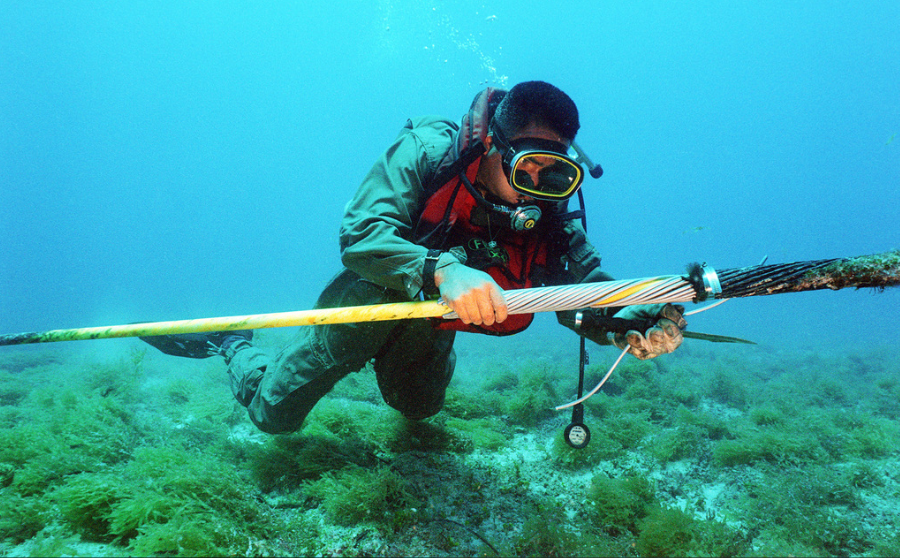
Patents for deep‑sea optical cable shears, retrieval systems, and towed cutting devices have been filed by institutions tied to the People’s Liberation Army. For example, PLA Naval University of Engineering has a system that could cut and secure both ends of a cable at once, while Lishui University has developed a low-cost towed cutter. While cast as a maintenance tool, its design features align with applications for covert sabotage. Meanwhile, civilian companies like Zhuhai Yunzhou Intelligence Technology have demonstrated unmanned “Sea Sentinel” boats able to conduct maritime patrol and reconnaissance, further blurring civilian‑military lines.
5. Gray Zone Maritime Tactics Using Civilian Vessels
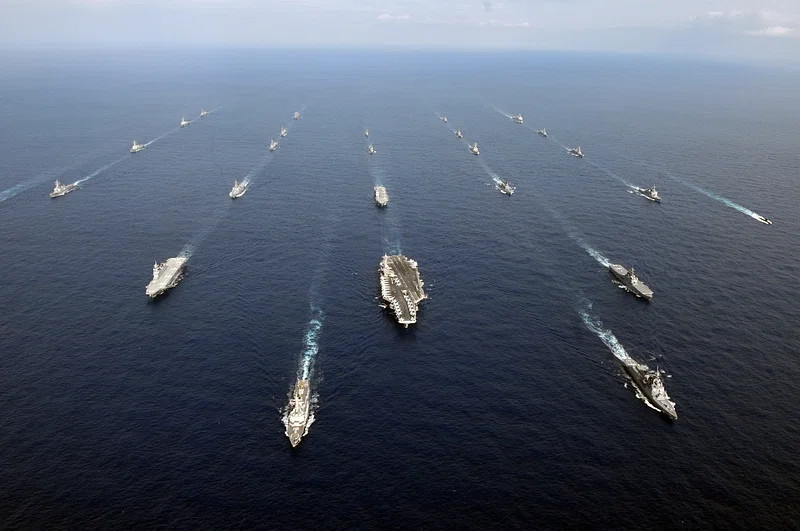
Anomalies detected by CSIS Futures Lab in AIS data identified more than 120 fishing vessels that have remained in military drill zones for extended periods of time while not conducting active fishing. Many exhibit other anomalies, such as going dark, changing identifiers over 1,000 times a year, or masking movements activity indicative of covert tasking. Such dual‑use vessels can conduct surveillance, harass, or damage infrastructure and disguise it as commercial activity, making attribution and response difficult.
6. Strategic Importance of Subsea Cables
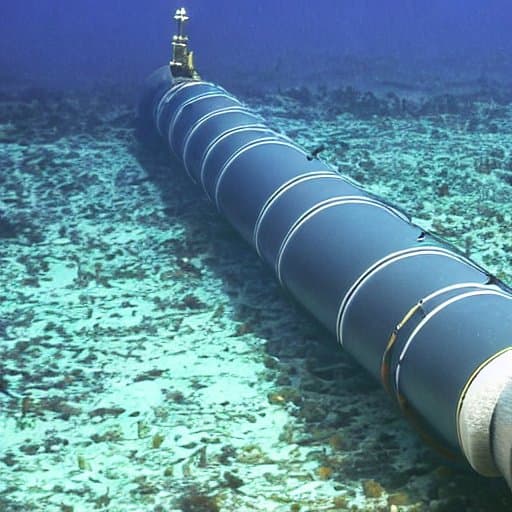
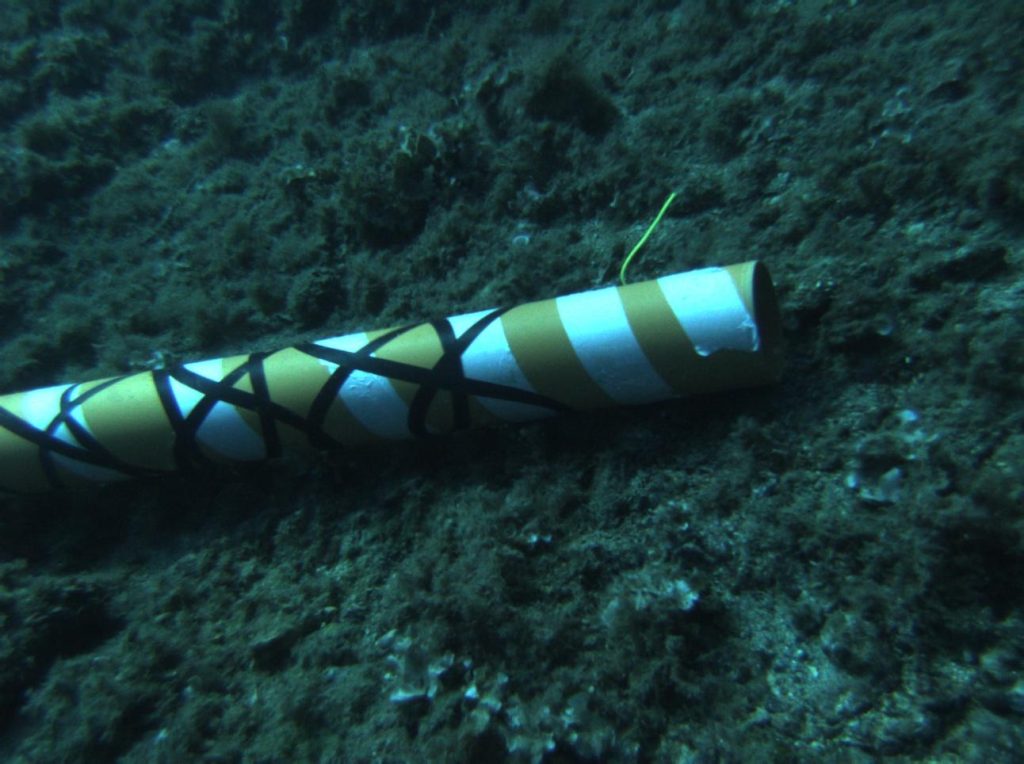
Around the world, 1.2 million kilometers of subsea fiber‑optic cables transport more than 99 percent of intercontinental data traffic; these cables allow $22 trillion in daily financial transactions. In comparison with satellites, cables provide much greater bandwidth and lower latency, which makes them irreplaceable for cloud computing, military command, and economic functions. Their vulnerability to both accidental and intentional damage turns them into strategic assets in great‑power competition.
7. FCC Moves to Block Chinese Technology from U.S. Cables
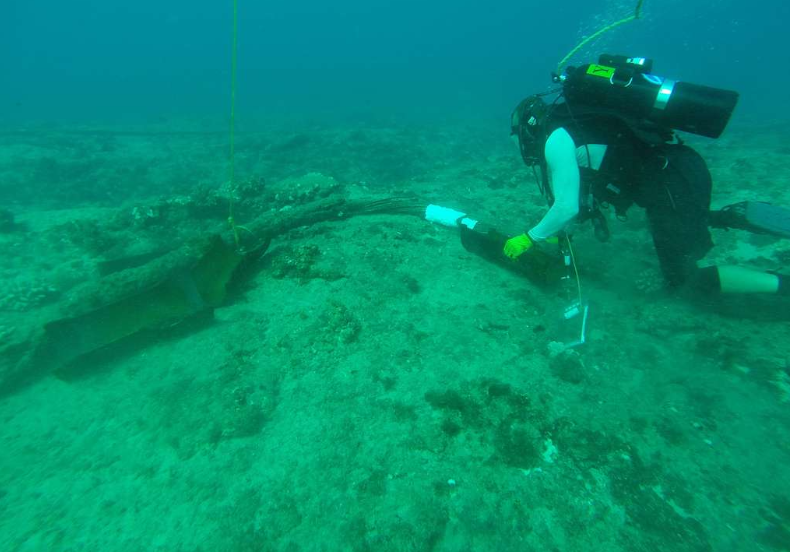
In response to growing threats, the FCC in the United States has proposed rules that block foreign adversary‑controlled companies from participating in undersea cable projects that link to the United States. “The goal is to make sure those cables are secure, while still allowing a way forward to expand infrastructure,” said Chair Brendan Carr. Among the measures are presumptive license denials and bans on covered equipment, with increased physical and cybersecurity requirements.
8. Allied: Building Resilience
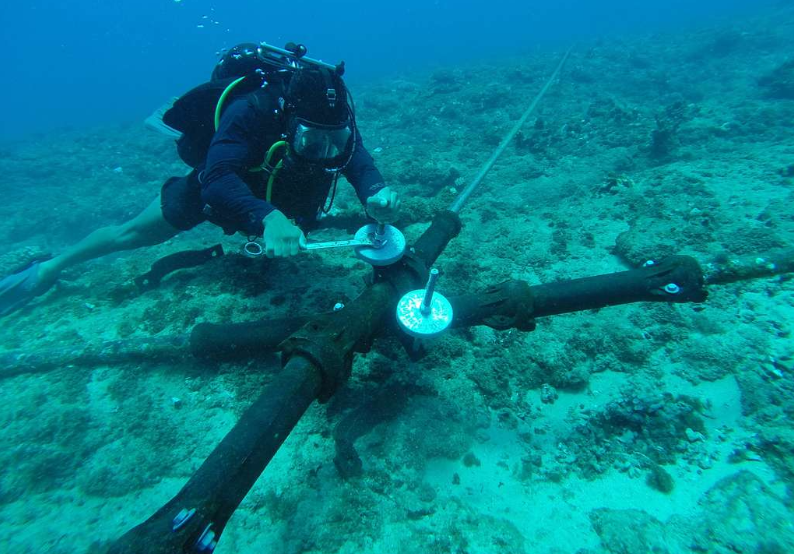
Japan and the US are increasing cooperation on undersea cable security, including with the Blue Dot Network and the Quad Partnership for Cable Connectivity and Resilience. Japan has a number of specialized cable-laying and repair vessels, such as the JS Muroto, that would be able to respond quickly in the case of disruptions. There are also regional arrangements, including the Yokohama Zone, which coordinates emergency repairs through asset-sharing among various Asia-Pacific countries in an effort to minimize down times and diminish the risk of sabotage.
9. Recommendations to Counter Cable Sabotage
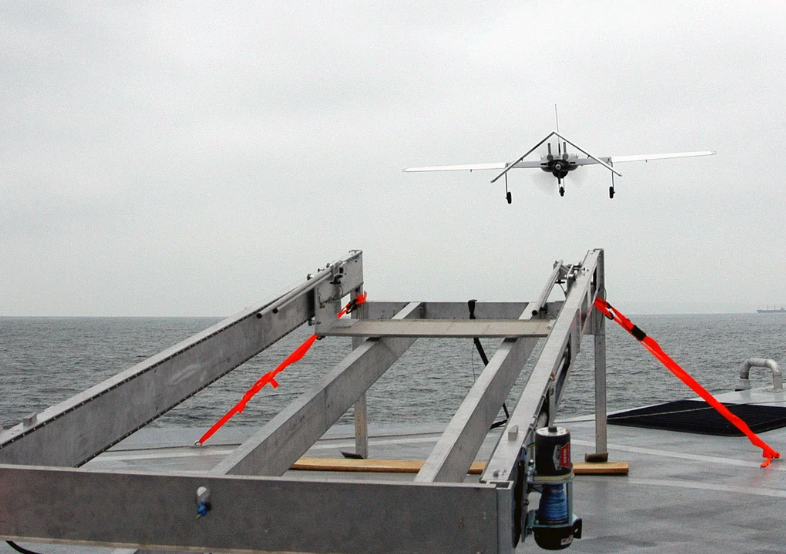
Experts recommend the extension of automatic warning systems such as Taiwan’s SAWS to more cables, enhanced UAV and satellite surveillance, and categorization of deliberate cable cuts as a violation of international law. Critical steps will be financing more cables for redundancy, the diversification of repair fleets away from high‑risk vendors, and deploying seabed sensors for real‑time monitoring. Multilateral coordination through the International Cable Protection Committee could establish global norms that would prevent misuse of undersea infrastructures.
China’s rapid development of deep-sea cable-cutting capabilities, together with suspicious patterns of maritime activity, signal an emerging, strategic threat to the backbone of global communications. Such operations take advantage of civilian-military fusion ambiguity, making attribution hard and response complex. To nations whose secure digital lifeline depends on such infrastructure, the message goes without saying: invest in resilience, extend surveillance, and forge trusted alliances now to protect undersea infrastructure before the next crisis strikes beneath the waves.


